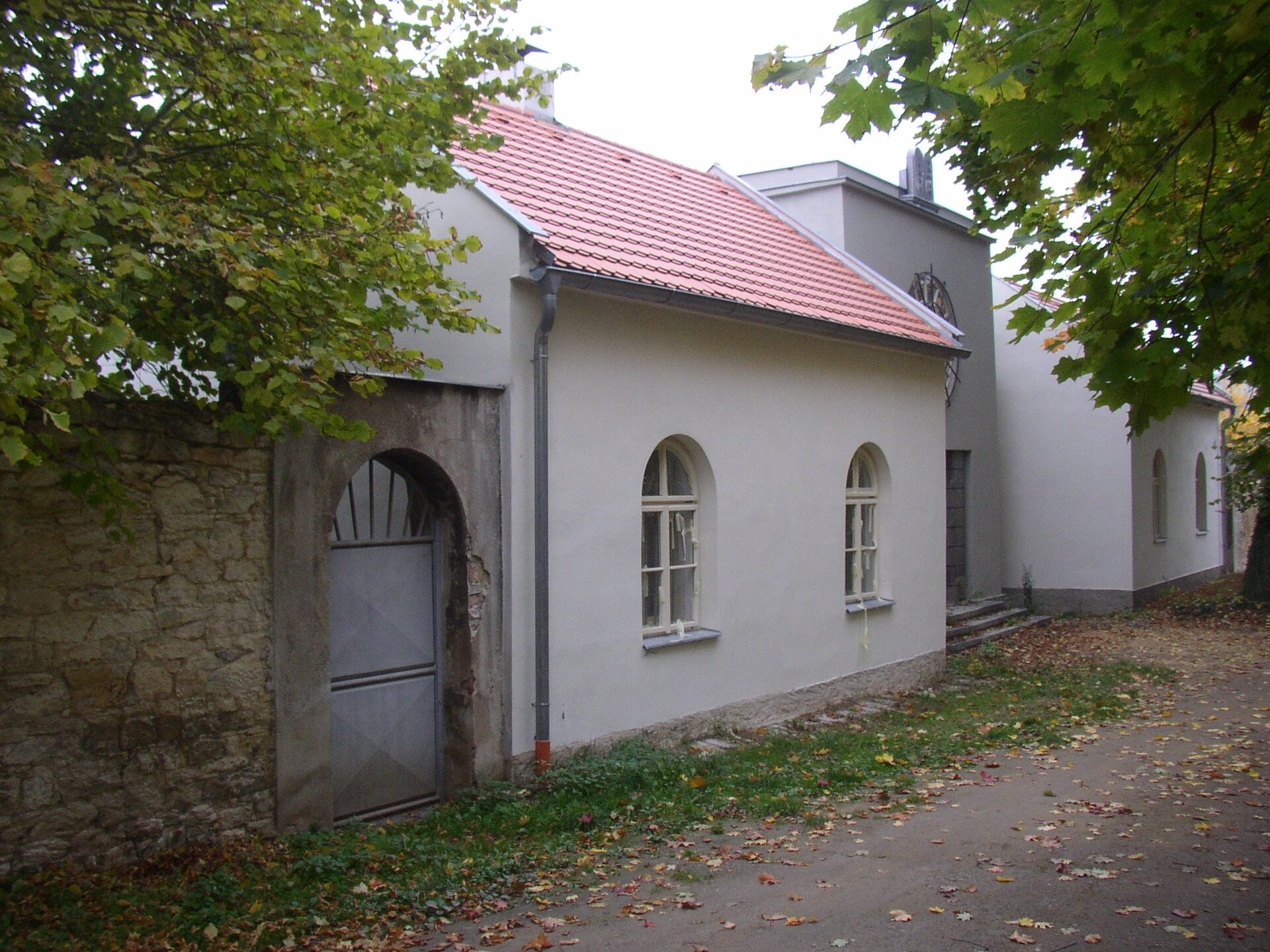
About this place
The Jewish cemetery in Slaný is a small but historically significant burial ground in the Central Bohemian town of Slaný, in the Kladno District of the Czech Republic. It lies roughly 700 meters northeast of the main square, between Lazenská and Nosečická streets, and it preserves the memory of a Jewish community whose regional roots stretch back much further than the cemetery itself.
Why couldn't Jews settle in Slaný earlier?
During the Middle Ages, Jewish settlement within Slaný itself was blocked by the town's adherence to Magdeburg Law, which restricted the rights of non-Christian residents. As a result, the earliest Jewish presence in the surrounding area developed not in Slaný but in the nearby town of Zlonice, dating back to the end of the 16th century. Jews from Slaný and the surrounding region relied on the Zlonice cemetery for burials until as late as 1880, before Slaný finally established a burial ground of its own.
When was the cemetery in Slaný founded?
The cemetery was founded in 1881, once the local Jewish community had grown large enough that continuing to rely on the distant Zlonice cemetery was no longer practical. Decades later, between 1931 and 1933, a ceremonial hall was built on the grounds — a structure traditionally used for the ritual preparation of bodies before burial, a common feature of Central European Jewish cemeteries of that era. Today the site holds around 80 surviving gravestones, a modest but telling record of several decades of communal life.
What happened to Slaný's Jewish community?
The cemetery's later history is inseparable from the tragedy of the Holocaust. In 1942, 81 Jewish residents of Slaný were deported to the Terezín transit camp, from where most were sent onward to extermination camps in occupied Poland. After the war ended, not a single Jew returned to live in Slaný — a community that had existed in the area since at least the late 16th century effectively ceased to exist. From that point on, the cemetery became the only remaining physical trace of Jewish life in the town.
What condition is the cemetery in today?
For decades after the war, the absence of a living congregation meant there was no one to maintain the burial ground — a pattern repeated at many similar sites across Central Europe, where cemeteries were gradually overtaken by vegetation and neglect. Slaný's cemetery followed the same course for years. In the autumn of 2025, however, restoration work took place on site: ivy was cleared from the gravestones, self-seeded trees that had grown unchecked among the matzevot were removed, and the grounds were generally tidied up. This effort reflects a broader, region-wide movement of local authorities and heritage organizations working to reclaim and preserve forgotten Jewish cemeteries.
Frequently asked questions
Can the cemetery be visited? The cemetery sits in a publicly accessible part of town, close to the center — specifically the area between Lazenská and Nosečická streets, about 700 meters from the main square.
How many gravestones survive today? Roughly 80 matzevot remain on the site.
Does a Jewish community still live in Slaný? No — following the 1942 deportations and the wartime destruction of the community, no Jewish families returned to the town afterward.
What was the 1931–1933 building used for? It was a ceremonial hall (Beit Tahara), used for the ritual preparation of the deceased before burial according to Jewish tradition.
Where did Slaný's Jews bury their dead before 1881? At the cemetery in nearby Zlonice, where a Jewish community had existed since the late 16th century.
Nearby places

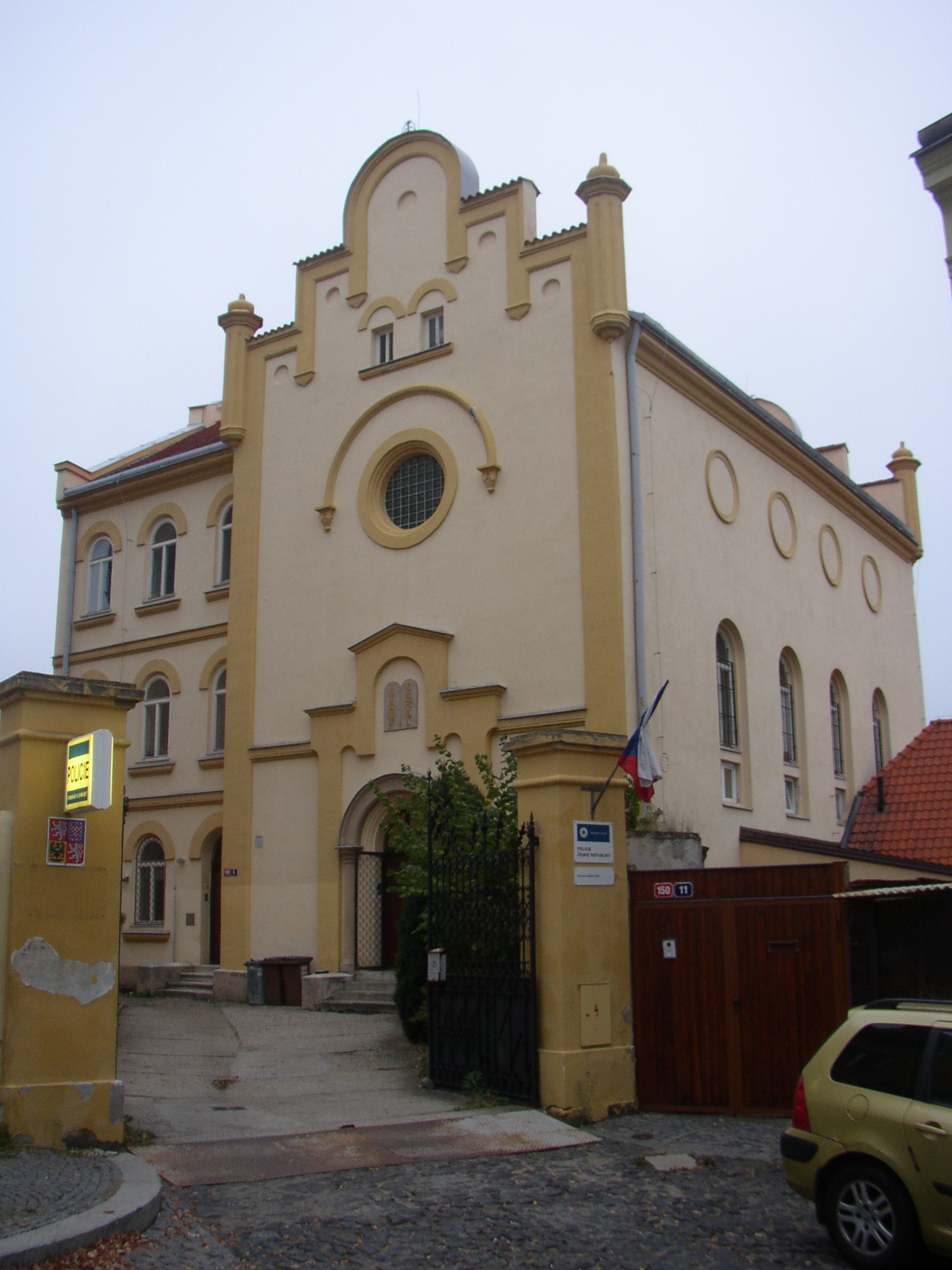
Earn badges for the places you visit
Download NextOnTrip, discover new places and check off your trails.