About this place
The Jewish Cemetery in Břeclav is one of the older surviving Jewish burial grounds in southern Moravia, most likely founded before 1643. Located in the northern part of the town, it remains, despite a turbulent 20th-century history, a legible record of the centuries-long presence of a Jewish community in this part of the region.
Where is the cemetery located?
The burial ground covers an area of 7,136 m² in the northern part of Břeclav, not far from the town's historic core. For a local cemetery, this is a sizeable site, large enough to trace the development of the community's burial practices across several centuries — from the earliest, modest gravestones to more elaborate forms from the turn of the 20th century.
The oldest section and the character of the gravestones
While the cemetery itself is believed to have been established before 1643, the oldest physically surviving tombstones date only from 1713 — earlier markers either did not survive or were destroyed over time. Around 300 tombstones remain on the site today, most of them Baroque in style and closely resembling the better-known tombstones of nearby Mikulov, one of the most important historic centers of Jewish life in Moravia. This stylistic kinship is no coincidence: both communities belonged to the same cultural and religious milieu of southern Moravia.
The 1892 ceremonial hall
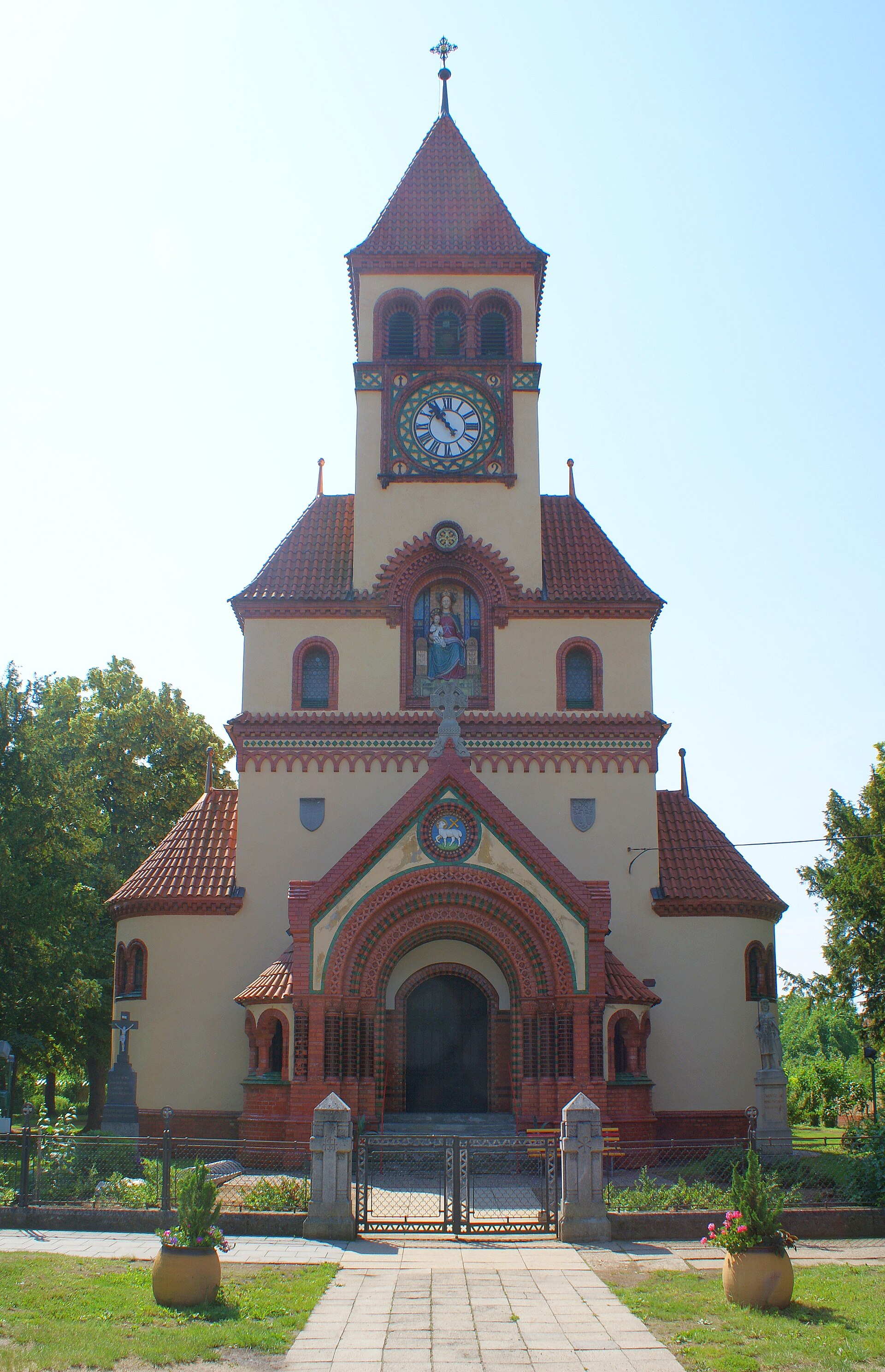
A notable feature of the site is its ceremonial hall, designed by the architect F. Neumann and built in 1892. The building served a ritual function, hosting the preparations that traditionally precede burial in Jewish practice. Its architecture, typical of the taste of the late 19th century, adds an additional layer of value to the site beyond its purely historical significance.
The community and cemetery through the 20th century
The Jewish community of Břeclav ceased to exist as an organized body in 1938, on the eve of the events that would lead to the near-total destruction of Jewish life across Moravia during the Second World War. The cemetery itself survived the war years, but in the 1980s it suffered serious damage, with vandalism affecting numerous gravestones and the site's infrastructure. It was only in the early 1990s, following the political changes in the country, that the town of Břeclav carried out a restoration of the grounds, returning the cemetery to a dignified condition and protecting it from further decay.
Protected status and significance today
The Jewish Cemetery in Břeclav is now listed as a cultural monument of the Czech Republic. This formal recognition reflects its value as a record of the history of the Jewish diaspora in southern Moravia and as a place of memory for a community that, for centuries, was part of the fabric of the town. The cemetery is open to visitors and draws people with an interest in regional Jewish history and funerary architecture alike.
What to see on site
Visitors to the cemetery can trace the contrast between the earliest, plain tombstones from the beginning of the 18th century and the more elaborate funerary forms of later decades, and can also view the former ceremonial hall from 1892, a building that stands out from the typical cemetery architecture of the region.
Frequently asked questions
When was the Jewish Cemetery in Břeclav founded? Most likely before 1643, although the oldest surviving tombstones date from 1713.
How many tombstones have survived at the cemetery? Around 300 tombstones remain, most of them in the Baroque style similar to those found in Mikulov.
What is the ceremonial building at the cemetery? It is a ceremonial hall designed by architect F. Neumann and built in 1892, used for ritual preparations before burial.
Is the cemetery legally protected? Yes, it is listed as a cultural monument of the Czech Republic.
Nearby places

Earn badges for the places you visit
Download NextOnTrip, discover new places and check off your trails.