About this place
The Jardín Botánico de la Universidad de Valencia is the botanical garden of the University of Valencia, tucked along Calle Quart in the city's historic center, right next to the old Torres de Quart gate towers. It ranks among the oldest gardens of its kind in Spain, with roots going back to the 16th century, and today combines a scientific, educational and recreational role.
How old is the garden?
The garden was founded in 1567 as a huerto de simples — a medicinal plant garden linked to the university's Medicine studies. For nearly two centuries it served that purpose, helping train future physicians and apothecaries to recognize plants with therapeutic properties. In 1802 the university moved it permanently to its current site, the so-called Huerto de Tramoyeres, then located outside the city walls, near the San Sebastián convent and the Quart towers.
Throughout the 19th century the grounds were used for botany classes and for experiments aimed at acclimatizing plants of agricultural interest — testing which species brought in from other climate zones could adapt to Mediterranean conditions. The 20th century proved difficult: the garden went through a long period of neglect and its infrastructure deteriorated. That changed in 1987, when the University of Valencia launched a full restoration process that was completed in 2000, allowing the garden to regain its former condition and open more widely to visitors.
What can be seen among the plant collections?
The garden holds over 3,000 species of trees and plants from all five continents, making it one of the richer collections of its kind in Spain. The display is organized into 20 separate collections — the so-called Escuela Botánica plus 19 monographic collections, grouped around three criteria: plants used by people, plants grown under protection in greenhouses, and plants originating from the same ecological environment.
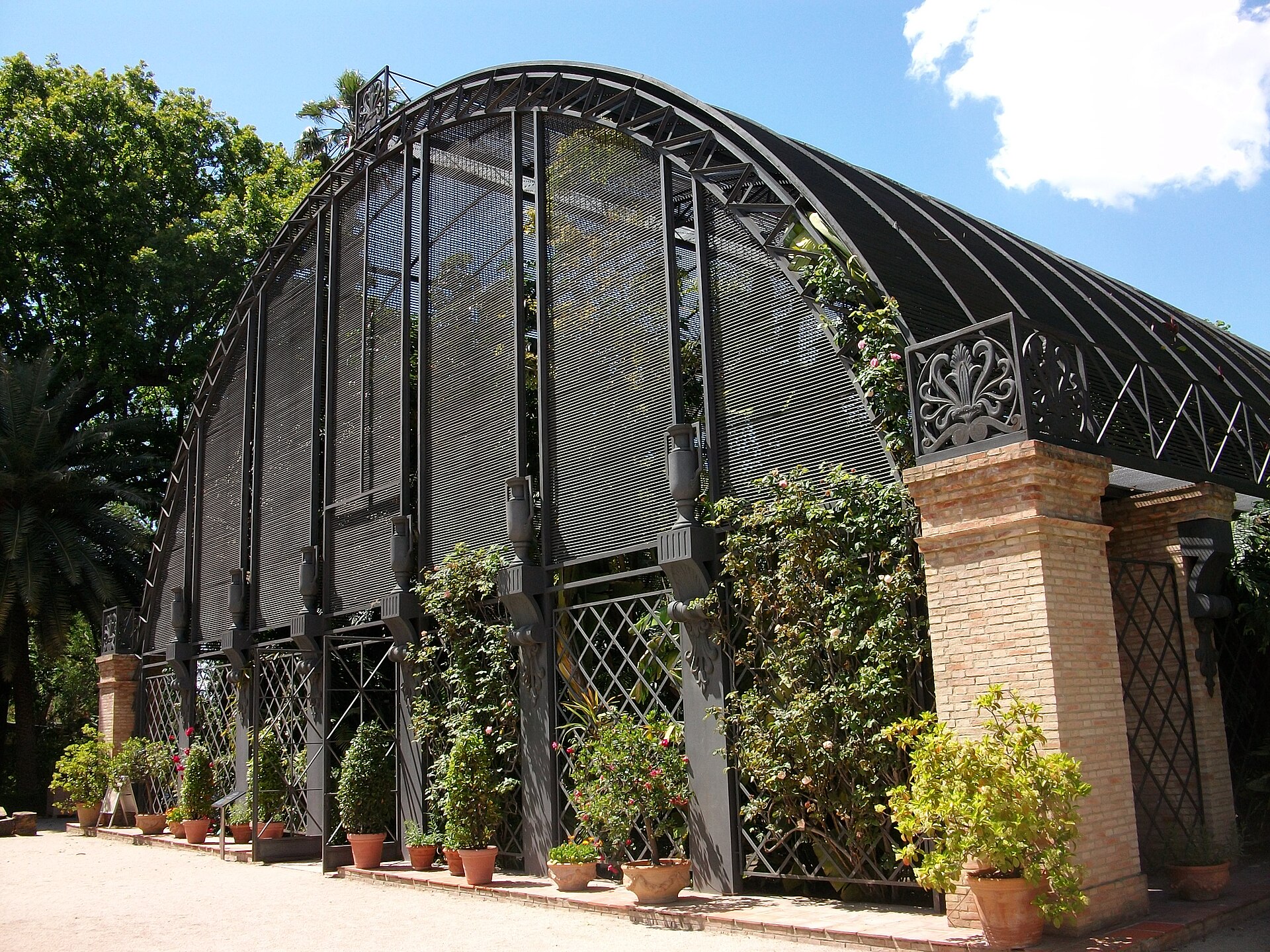
Highlights include extensive collections of palms, aquatic plants and tropical species, along with display greenhouses dedicated to carnivorous plants, ferns, orchids and bromeliads. The grounds also preserve monumental trees, living evidence of two hundred years of continuous cultivation on the site, and the complex includes architectural heritage tied to the garden's long history.
Who is this place for?
While the garden primarily serves a scientific and teaching function — as part of the University of Valencia, used for research and academic classes — it is equally open to visitors looking for a quiet green corner in the middle of the city. It suits both plant enthusiasts and travelers who, after walking along the old city walls and the Quart towers, want to rest in a shaded, historic setting.
Frequently asked questions
When was the garden founded? In 1567, though it moved to its present location in 1802.
How many plant species can be seen here? Over 3,000 species of trees and plants from all five continents.
Was the garden ever neglected? Yes — it went through a long period of decline during the 20th century, with a full restoration carried out between 1987 and 2000.
Where exactly is it located? On Calle Quart, next to the historic Torres de Quart towers in the center of Valencia.
Nearby places

Earn badges for the places you visit
Download NextOnTrip, discover new places and check off your trails.