- Botanical Gardens
- Recreation and entertainment
Jardín Botánico de Castilla-La Mancha
About this place
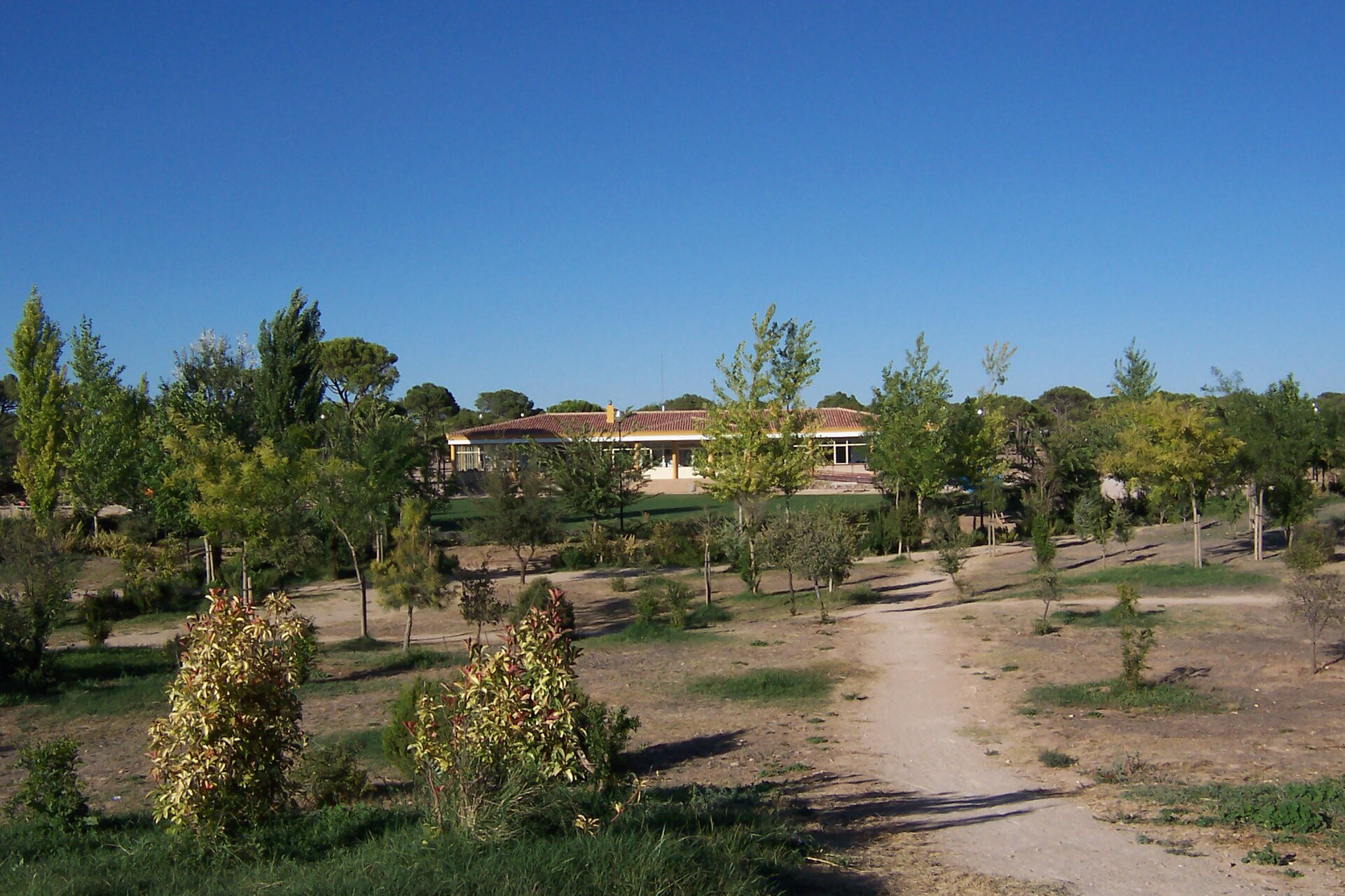
Jardín Botánico de Castilla-La Mancha is a botanical garden in Albacete, one of the youngest in Spain — construction began in 2003 and the garden opened to visitors in 2010. It was launched jointly by the Albacete City Council, the Provincial Government (Diputación de Albacete) and the University of Castilla-La Mancha, with the shared goal of conserving the region's natural heritage while offering a place for nature education open to residents and visitors alike.
Where is the garden located?
The site covers roughly 7 hectares south of Albacete's city centre, along Avenida de la Mancha. It borders a green pedestrian corridor that leads toward the periurban park of La Pulgosa, so a walk through the garden can easily be combined with a longer stroll through the city's green outskirts.
What plant collections does it hold?
The living collections include more than 28,000 plants belonging to around 2,100 taxa, with species native to the Castilla-La Mancha region making up the majority. This focus on regional flora, rather than exotic imports, is what sets the garden apart from many other botanical institutions.
Conservation of threatened plants is a particular priority: 15% of the species listed in the Regional Catalogue of Threatened Species of Castilla-La Mancha are represented in the garden's collections. The region is unusually rich botanically — Castilla-La Mancha is home to around 500 species endemic to the Iberian Peninsula, and the province of Albacete alone has three endemic species found nowhere else.
How is the garden laid out?
Rather than following a conventional flowerbed layout, the garden recreates up to forty natural habitats typical of the region, arranged according to ecological and landscape criteria. This lets visitors trace the vegetation typical of different terrains across Castilla-La Mancha — from rocky habitats to wetlands — within a single, compact site, without having to travel across the whole region to see it.
What is the garden's mission?
The institution's work rests on three pillars. The first is the conservation of threatened regional flora, through cultivation, propagation and safeguarding of rare species. The second is botanical research, carried out in collaboration with the university. The third is public outreach and environmental education, delivered through workshops, exhibitions and guided visit programmes.
Frequently asked questions
When was the garden created? Construction began in 2003, and it officially opened to the public in 2010.
How many plant species can be seen here? The collections comprise around 2,100 taxa and more than 28,000 individual plants.
Does the garden focus on exotic plants? No — the emphasis is on flora native to Castilla-La Mancha, including species that are threatened or endemic to the region.
Where exactly is the garden located? South of Albacete's city centre, on Avenida de la Mancha, near the pedestrian route connecting the city to La Pulgosa park.
Does the garden have a scientific role? Yes — alongside education and conservation, it carries out botanical research in partnership with the University of Castilla-La Mancha.
Nearby places

Earn badges for the places you visit
Download NextOnTrip, discover new places and check off your trails.