About this place
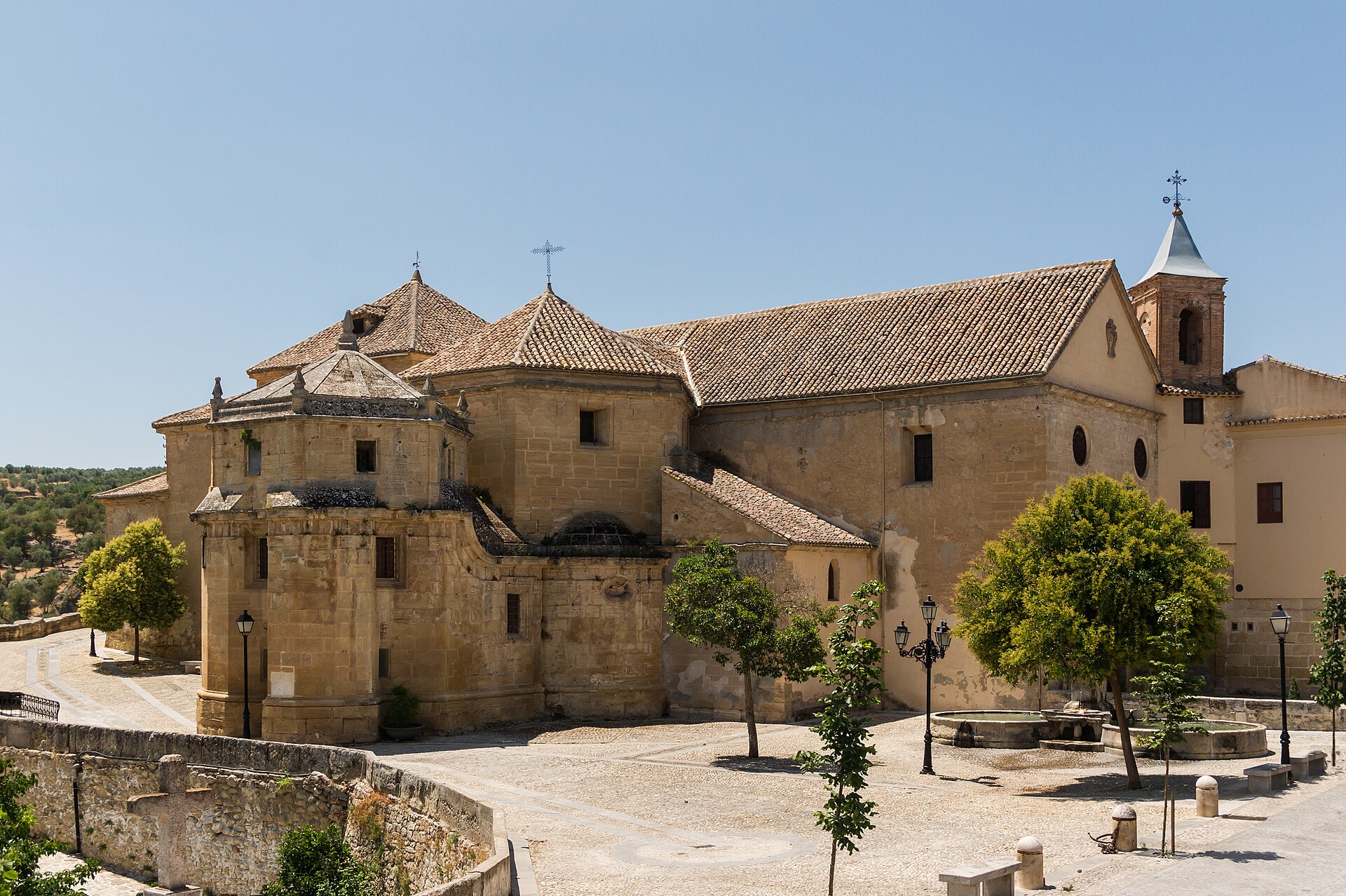
Iglesia Mayor de la Encarnación is the principal church of Loja, a town in the province of Granada, deep in the heart of Andalusia. The building holds collegiate status and serves as the seat of the local archpriesthood, making it the most important religious site in town.
How to get there?
The church stands in Loja's historic center, in the old quarter that borders the town's Moorish fortress (Alcazaba). The easiest way in is by car from Granada city — about 45 minutes along the A-92 motorway. Loja also sits on the regional bus route connecting Granada with Málaga, so reaching it without a car is just as practical. Once you're in town, the church is a short walk from the main square; the narrow lanes of the old quarter lead straight to its facade.
What will you see?
Construction began in 1491, even before the Catholic Monarchs completed their conquest of Granada. The project was launched on the initiative of the Archbishop of Málaga, and the church was raised on the site of the town's former Mezquita Mayor, its main mosque — a deliberately symbolic choice meant to mark the triumph of Christianity over the former place of Muslim worship. The name "Santa María de la Encarnación" is no accident either: the Catholic Monarchs decreed that every principal church of the Archdiocese of Granada should carry this same dedication, underscoring the victory of the new faith across the region.
The building went up in two widely separated phases, and that gap is still visible in the architecture today. The older section, built in Gothic-Mudéjar style, dates to the 16th century and was finished in 1508; a recent restoration has brought its details back into sharp focus. The second, much later phase came in the 18th century in neoclassical style, designed by the architect Ventura Rodríguez together with his disciple Domingo Lois de Monteagudo. Having two such different eras combined in a single structure turns a visit into a compact lesson in architectural history — from the austere lines of Gothic-Mudéjar work to the balance and symmetry of neoclassicism.
Inside, look for the altar decoration and furnishings that survive from both building phases. The church's silhouette, visible from many points around Loja, is one of the defining features of the town's skyline, alongside the nearby castle.
When to visit?
Spring (April–May) and autumn (September–October) are the best times to come, when Andalusian temperatures are comfortable and the summer heat has eased off. Loja often serves as a stopover for travelers heading to the Sierra Nevada or the Costa del Sol, so a visit to the church fits easily into a longer regional itinerary. It's worth checking local opening hours before arriving, since the building is often closed outside Mass times.
The church was declared a National Historical Monument on August 3, 1979, confirming its significance to Andalusian and Spanish heritage.
Frequently asked questions
What is the Iglesia Mayor de la Encarnación? It is the principal church of Loja, in the province of Granada, holding collegiate status and serving as the seat of the local archpriesthood.
When was the church built? Construction began in 1491 on the site of the town's former main mosque. The older Gothic-Mudéjar section was completed in 1508, and a neoclassical addition followed in the 18th century.
Who designed the neoclassical part of the church? The architect Ventura Rodríguez designed it together with his disciple, Domingo Lois de Monteagudo.
Is the church a protected landmark? Yes, it has held the status of National Historical Monument of Spain since August 3, 1979.
Nearby places

Earn badges for the places you visit
Download NextOnTrip, discover new places and check off your trails.