About this place
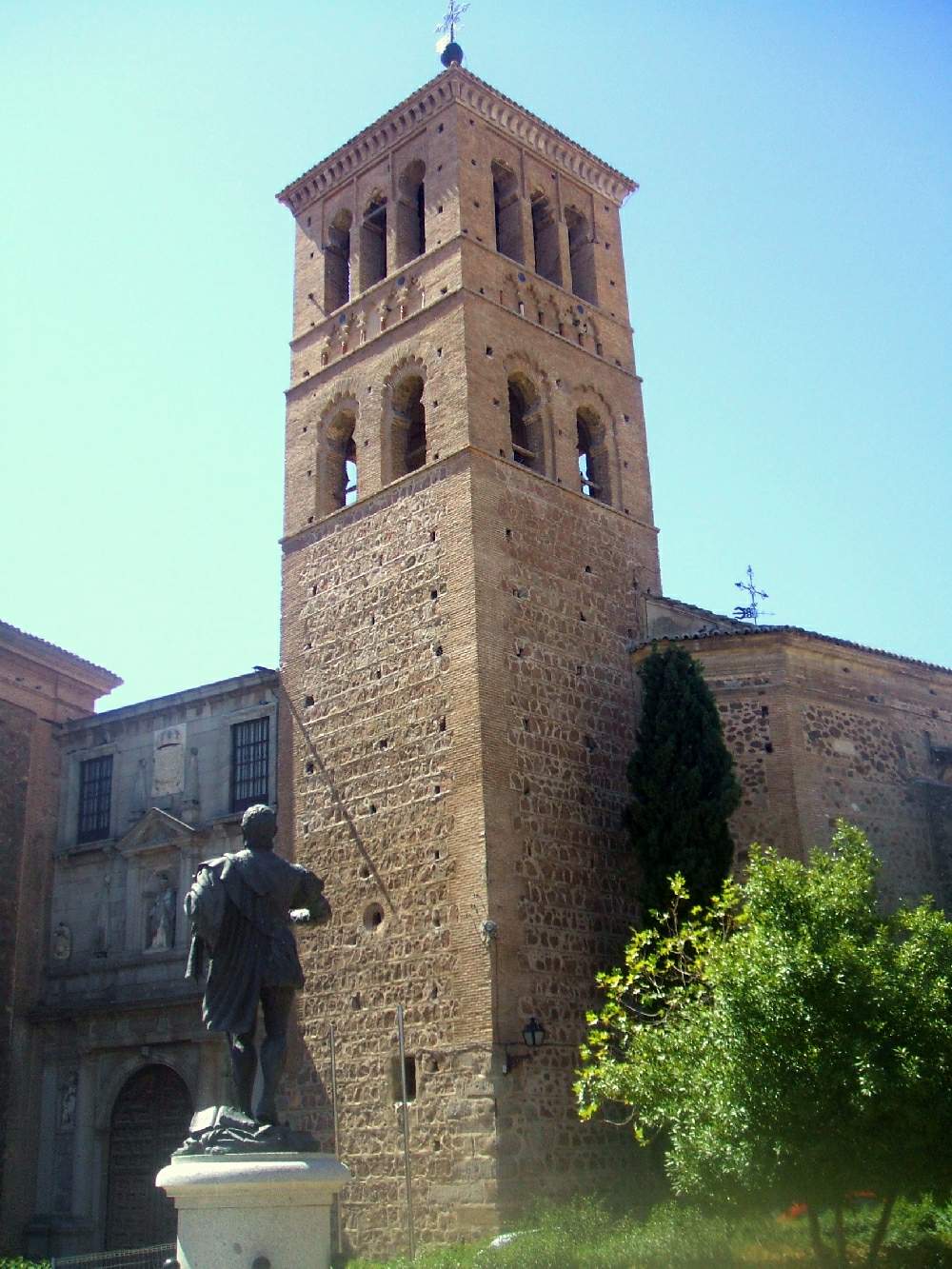
Iglesia de Santa Eulalia is one of the oldest Mudejar churches in Toledo, tucked into the tangle of narrow streets that make up the city's historic core. The building layers Visigothic-era remains under a structure built in the 12th-century Mudejar style, and it still functions today as an active parish that keeps alive a liturgical tradition found in only a handful of places in the city.
How do you get there?
The church sits well inside the medieval walls of Toledo's old town, an area built for pedestrians rather than cars — the hilltop layout of the city makes walking the only realistic option once you're inside the ring of gates. From the central Zocodover square it's a short walk of about ten to fifteen minutes through winding lanes that once formed part of the Jewish and Mozarabic quarters. Because the surrounding streets hold several other small, lesser-visited churches and former synagogues, it's easy to fold a visit to Santa Eulalia into a longer walking loop through this quieter side of the old town.
What can you see inside?
The interior follows a basilica plan with three naves of different heights, separated by rows of round arches. Above them, stone latticework screens with Visigothic origins survive intact — one of the most striking details in the building, since their presence points to an earlier church having stood on this exact spot before the Islamic period. The wooden ceilings, shaped like inverted troughs and built in Mudejar style with paired beams, give the nave a warm, handcrafted feel rarely found in Toledo's larger cathedral-scale monuments. In the choir area, a frieze of blind brick arches runs along the wall, a decorative feature typical of the earliest phase of Mudejar church building in the city.
What's the history behind it?
The earliest solid documentary evidence for the church dates to 1181. A separate legend, based on verses falsely attributed to Saint Ildefonso, claims the site goes back to King Atanagild around 559 AD — there's no independent proof of that story, but the church does contain numerous reused architectural fragments that strongly suggest a Visigothic building once occupied the same location. After Alfonso VI recaptured Toledo from Muslim rule, he allowed only six parishes in the city to keep celebrating the old Hispanic-Mozarabic rite instead of switching to the Roman one — Santa Eulalia was one of them, and the Mozarabic liturgy is still observed here today, which sets it apart from most other historic churches in Toledo.
When's the best time to visit?
Toledo gets crowded at midday, especially in spring and summer, when day-trip buses from Madrid fill the main sightseeing routes. The side streets holding churches like Santa Eulalia stay noticeably calmer than the squares around the cathedral or the Alcázar, making early afternoon a good window while the bigger sights are at their busiest. Autumn and early spring offer the most comfortable temperatures for walking the hilly old town, and morning light works best for photographing the stone details on the facade.
Frequently asked questions
Can you visit without booking ahead? Yes — it's a working parish rather than a ticketed museum like most of Toledo's major monuments, so access depends on opening hours and the schedule of services; it's worth checking locally before planning your visit.
How does it compare to Toledo Cathedral? The cathedral is a massive Gothic building at the center of the city, while Santa Eulalia is a much smaller, low-key Mudejar church — one of the oldest surviving examples of that style in Toledo, valued more for its authenticity and history than for scale.
What is the Mozarabic rite mentioned in connection with this church? It's an old Christian liturgy practiced on the Iberian Peninsula before the Roman rite became standard. After the reconquest of Toledo, King Alfonso VI let only a few parishes keep it, including Santa Eulalia, where it's still celebrated today.
Is it worth combining with other nearby sights? Yes — the surrounding neighborhood holds several other small churches and traces of the city's former Jewish and Mozarabic communities, so a walk through this part of Toledo reveals layers of history that don't usually make it into the main guidebooks.
Nearby places

Earn badges for the places you visit
Download NextOnTrip, discover new places and check off your trails.