About this place
Hôtel Colbert is a centuries-old private mansion tucked into the corner of rue de l'Hôtel-Colbert and rue de la Bûcherie, in the Latin Quarter of Paris, a short stroll from Notre-Dame Cathedral and the banks of the Seine. Visitors pouring toward the cathedral or crossing to the Île Saint-Louis usually walk right past it, which is a shame, since the facade quietly holds more than two centuries of Paris history.
Where exactly is it located?
The building sits in the 5th arrondissement, on the Left Bank directly across the river from Île de la Cité. It makes an easy addition to any Notre-Dame visit — cross the bridge and you're there in minutes — and it also sits within easy reach of the Panthéon and the Luxembourg Gardens. The street itself took the mansion's name in full in 1829, when city authorities unified the naming of the road (its southern stretch had previously been known as rue des Rats).
Where does the name actually come from?
The connection to Jean-Baptiste Colbert, Louis XIV's famous finance minister, turns out to be shakier than the name suggests. Nineteenth-century writer Auguste Vitu argued that neither Colbert nor his family ever owned a residence on this street. A more likely explanation points to a magistrate who once owned the building and attached the minister's prestigious name to it, borrowing some of its social cachet for himself.
What does the building look like?
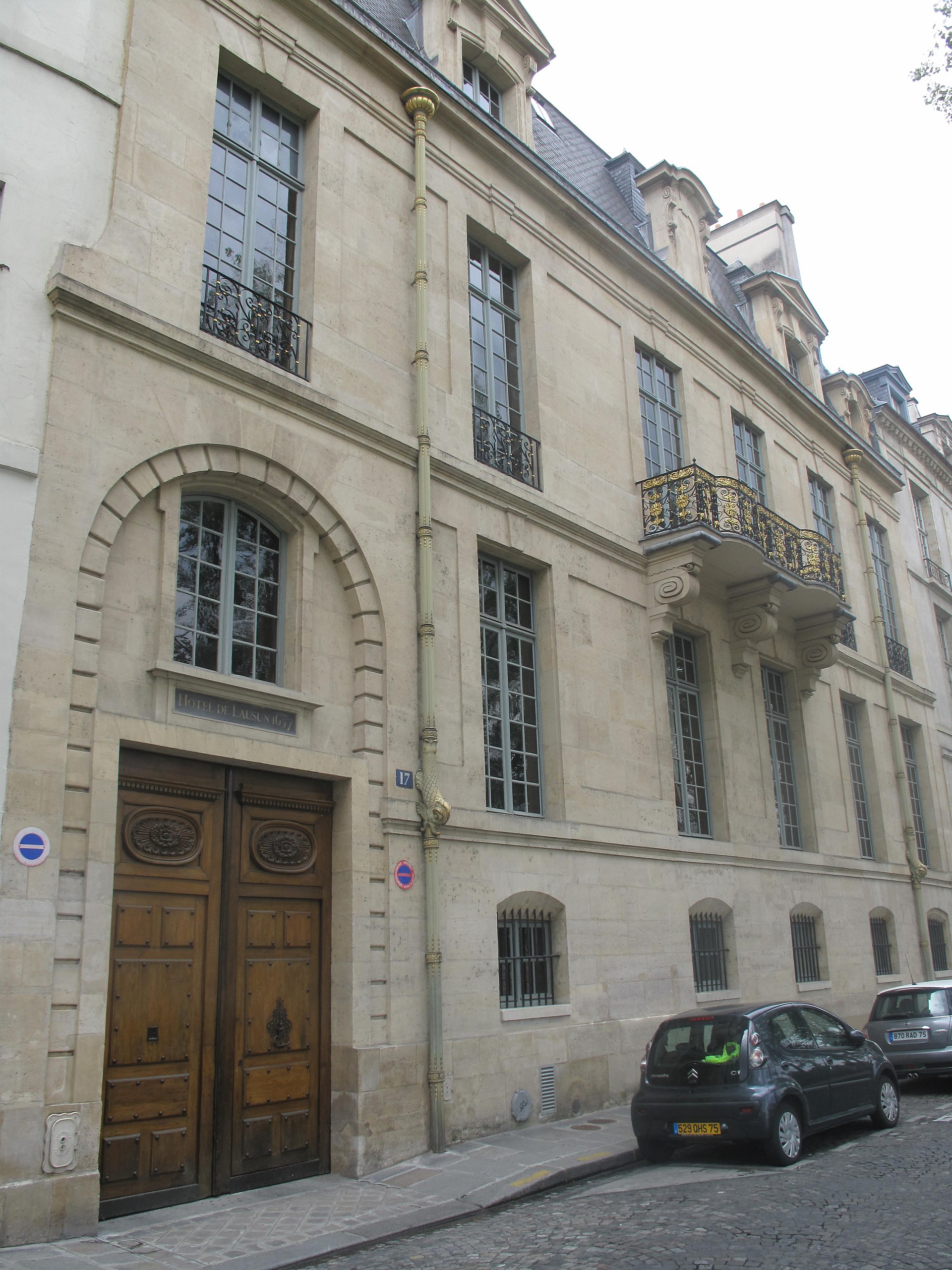
Dating to the 18th century, Hôtel Colbert follows the classic layout of a Parisian townhouse of its era: three storeys, with a five-bay facade facing rue de la Bûcherie. Look closely and the ornamentation stands out — carved floral garlands crown the first-floor windows, while the second floor is dressed with decorative swags. Because of this craftsmanship, both the street-facing facades and their matching rooftops were listed as historic monuments by a French government decree dated 19 October 1957, which legally protects them from alterations that would damage their character.
What history unfolded inside?
The building's most striking chapter belongs to the 20th century. From 1938 onward it housed the Turgenev Library, a Russian-language institution that had gathered books and archives documenting the Russian émigré community in Paris. During the German occupation, the Einsatzstab Reichsleiter Rosenberg — the Nazi task force responsible for systematically looting cultural property across occupied Europe — ransacked the library's collections. After the war, the institution never recovered either the confiscated holdings or its former premises. Earlier still, in the 19th century, a laundry operated in the building's courtyard, a small but telling trace of everyday neighborhood life before modern services took over.
How should you plan a visit?
Hôtel Colbert remains a private property, so there's no interior to tour — the draw here is the facade itself and the layered history behind it. The best way to experience it is on foot, as part of a Latin Quarter walk: start at Notre-Dame, follow the riverside past bouquinistes and cafés, and arrive at the junction of the two streets that carry its name. From there, it's an easy continuation toward the church of Saint-Séverin or the famous Shakespeare and Company bookshop.
Frequently asked questions
Can you go inside Hôtel Colbert? No. It is private property, and only the street-facing facade and roofline are legally protected and open to public view.
Is the building really connected to minister Colbert? That's uncertain. Historians lean toward the theory that a later owner borrowed the minister's name for prestige rather than any genuine family link.
Why does the Russian library matter to this building's story? It shows how the upheavals of 20th-century Europe — emigration, war, and cultural looting — reached even a modest address in central Paris.
How far is it from Notre-Dame? Just a few minutes on foot: cross the bridge to the Left Bank and head toward rue de la Bûcherie.
Nearby places

Earn badges for the places you visit
Download NextOnTrip, discover new places and check off your trails.