About this place
Hort del Rei in Palma de Mallorca is a compact city garden squeezed between the walls of the Almudaina Palace and Plaça de la Reina, a spot most visitors pass through on their way from the cathedral toward the seafront without realizing how far back its story goes.
What was Hort del Rei originally used for?
The name, in the Majorcan dialect of Catalan, translates simply as "the king's garden." It refers to a real, working plot: around the turn of the 14th century this land supplied fruit, herbs and vegetables to the royal household of the Kingdom of Majorca, whose monarchs lived next door in the Almudaina Palace. The garden reached its peak importance under King James II of Majorca, functioning less as an ornamental space and more as the palace's outdoor larder.
How did the site change after the medieval period?
As Palma grew up around the palace walls in the centuries that followed, the working garden gradually lost its agricultural purpose and fell into neglect. Its real transformation came in the late 1960s, when the city decided to turn the leftover plot into a public park rather than let it disappear under later development.
Who is behind the garden's current design?
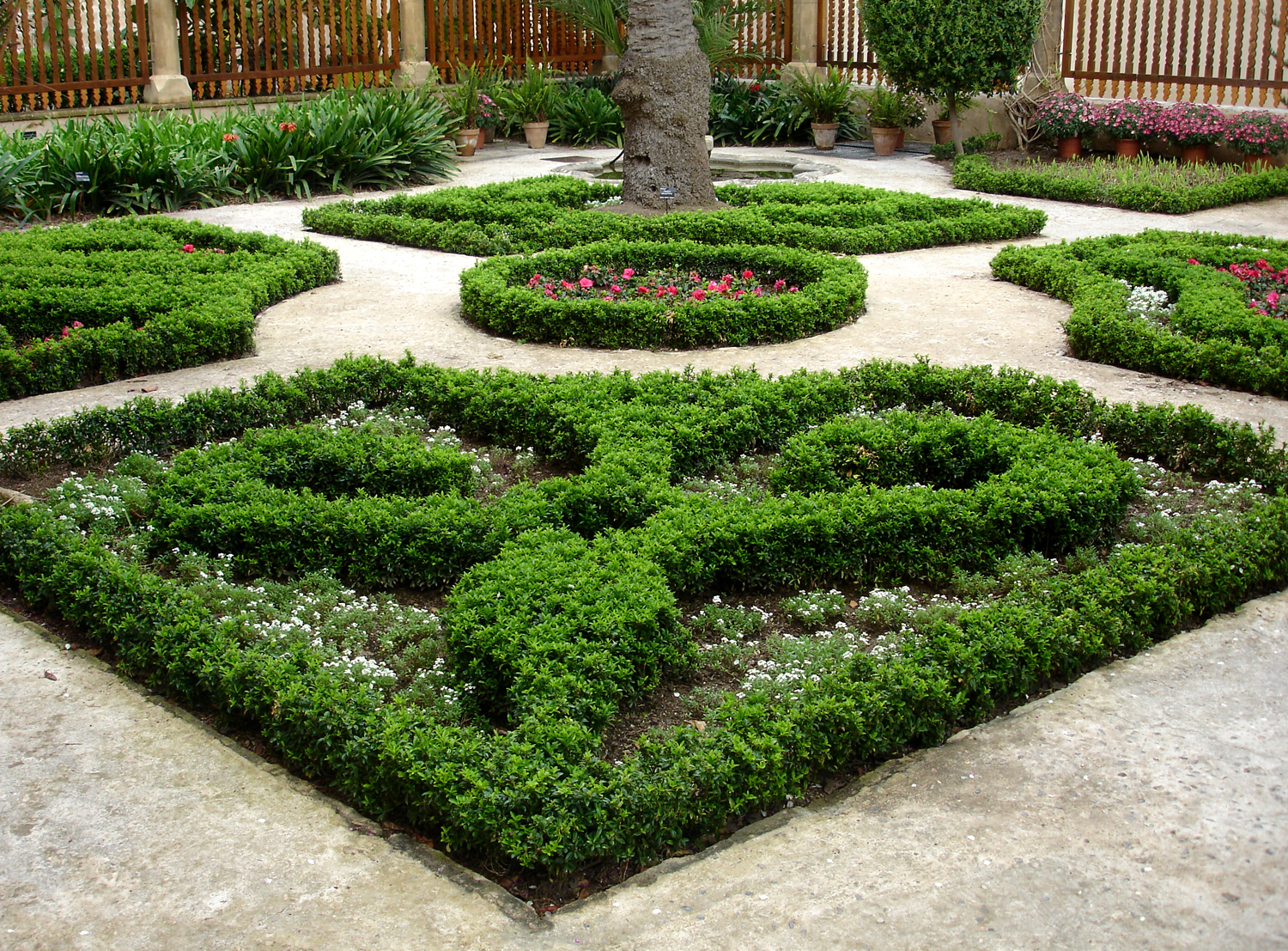
The layout visitors see today was created by architect Gabriel Alomar together with Francisco Prieto-Moreno, completed toward the end of the 1960s. Their design deliberately mixes three gardening traditions — Hispano-Muslim, Italian Renaissance, and local Majorcan — into a single space. The central section, built around a network of water channels, takes its cue directly from the Acequia Garden at the Generalife in Granada, a conscious nod to the island's Al-Andalus heritage.
What sculptures are on display in the park?
Hort del Rei doubles as a small open-air sculpture gallery. Among the works scattered along its paths are "El Foner," a bronze piece by Llorenç Rosselló; "Jònica," a marble sculpture by Josep Maria Subirachs that fuses a female figure with the form of an Ionic column; and "Nancy," an abstract work by Alexander Calder that sits in deliberate contrast to the historic palace backdrop.
Why add it to a Palma itinerary?
The garden sits only a short walk from La Seu cathedral and the Parc de la Mar, which makes it an easy detour for anyone already exploring the old town. It's a good place to slow down for a few minutes — sit by one of the fountains, view the Almudaina wall from an angle most tourists never see, and take photos without the crowds gathered outside the cathedral itself. Entry is free and the park stays open year-round, though spring and autumn are the most comfortable seasons, when the plants are lush and the midday heat is more forgiving.
How long should a visit take?
Walking the entire garden takes about 15 to 20 minutes, but it's worth budgeting extra time for photos and a shaded break — this is one of the few spots nearby where a bench under the trees is easy to find even in the middle of the day.
Frequently asked questions
Where exactly is Hort del Rei located? It sits in the heart of Palma de Mallorca, next to the Almudaina Palace and Plaça de la Reina, right beside the cathedral and the Parc de la Mar.
Is there an entrance fee? No. Hort del Rei is a public city garden and can be visited free of charge at any time of year.
Where does the garden's name come from? It means "the king's garden," a reference to its original role as the private vegetable and fruit garden of the Majorcan kings who resided at the Almudaina Palace.
What's the main draw for visitors? The combination of a genuinely royal backdrop with a curated collection of outdoor sculpture and a garden layout modeled on the Generalife in Granada.
Nearby places

Earn badges for the places you visit
Download NextOnTrip, discover new places and check off your trails.