About this place
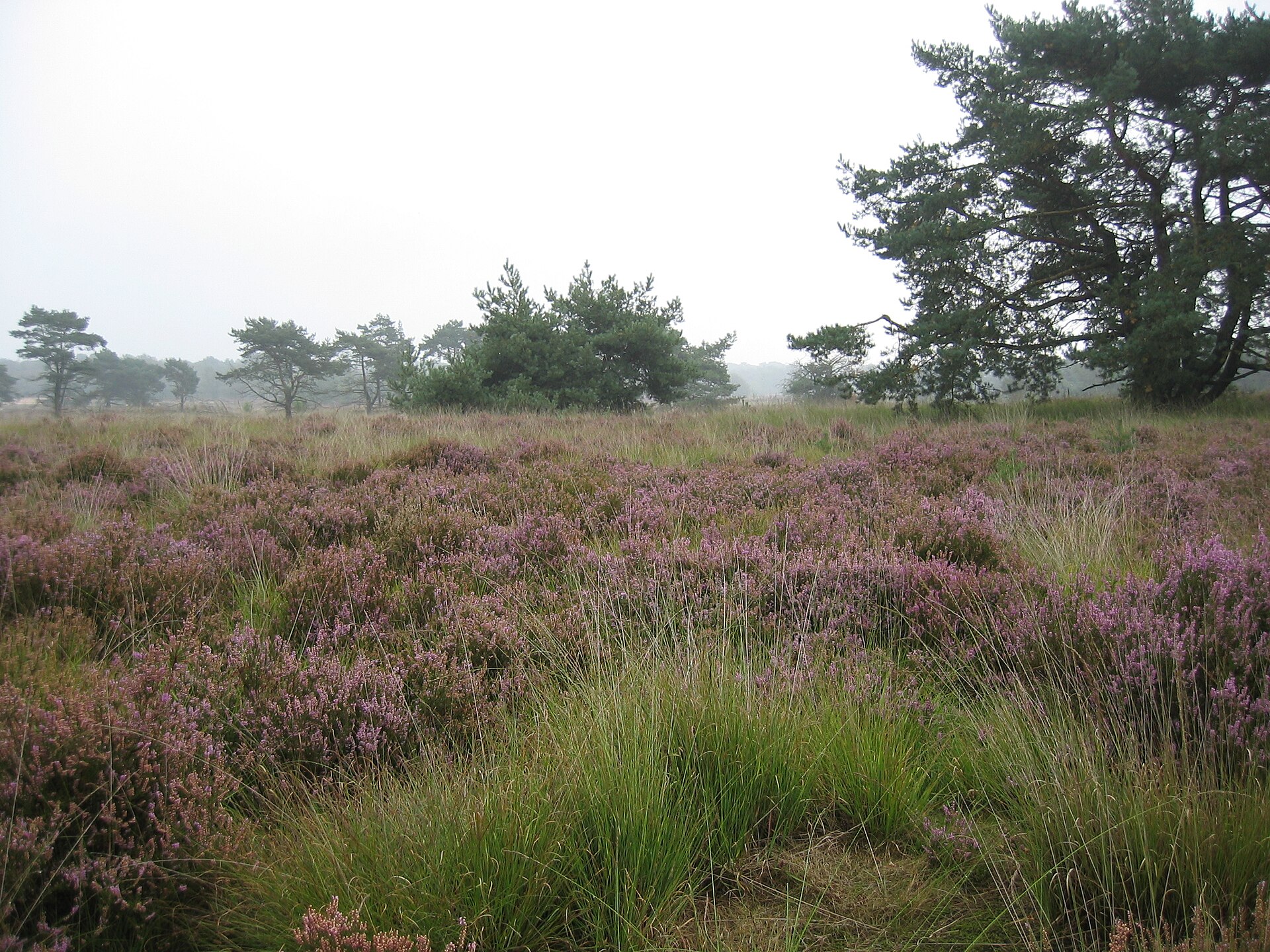
Het Wijtschot is a small yet ecologically significant nature reserve in the municipality of Schoten, Belgium, located in the southern part of the municipality near the border with Wijnegem and alongside the Albert Canal. Covering roughly 6.5 hectares, the site packs a surprising variety of habitats into a modest footprint, ranging from young woodland to a former sand extraction pit.
What makes up the Het Wijtschot area?
The site is divided into several distinct sections. The largest is Reebos, meaning "Roe Deer Wood," a young forest planted in 1998 that has, in less than three decades, developed into a habitat rich in wildlife and plant life. Alongside it lies a former sand quarry, a remnant of past raw material extraction, and the site of a former landfill that is now gradually blending back into the surrounding natural landscape. This combination of natural and post-industrial elements makes Het Wijtschot an interesting example of land renaturation on a site previously altered by human activity.
Who manages the reserve?
The land is owned by the municipality of Schoten, while actual management and conservation have been carried out since 2002 by Natuurpunt, Flanders' largest nature conservation organization. These efforts received official recognition in June 2007, when the Flemish government granted Het Wijtschot the status of a natuurreservaat, or protected nature reserve. This designation means the site is subject to special legal protection, with activities such as tree felling or terrain modification strictly regulated.
What species can be found here?
The most striking natural richness of Het Wijtschot lies in its moths: more than 800 species have been recorded within this relatively small area, an impressive figure for such limited terrain. This points to the wide diversity of microhabitats the site offers, from dry, sandy patches to damp corners near its water bodies.
In the lowest-lying part of the reserve sits a shallow body of water that supports rare species of stoneworts (kranswieren) and ornamental algae (sieralgen). These unassuming aquatic organisms serve as important indicators of water quality and natural character — their presence shows that the pond remains unpolluted and has retained its natural hydrological regime.
What role does Het Wijtschot play in the regional landscape?
Despite its small size, the reserve fulfills an important ecological function as a so-called "green stepping stone" (groene stapsteen), offering a resting place and shelter for animals migrating between larger natural areas in the region. In heavily urbanized and infrastructure-fragmented Flanders, small but well-preserved enclaves of nature like this one are essential for maintaining ecological corridors that connect otherwise isolated populations of animals and plants.
Frequently asked questions
Is Het Wijtschot open to visitors? Yes, the site is part of the Voorkempen region's network of hiking and walking trails, and themed walks — such as ones focused on butterflies and herbs — are organized in the area.
How old is the Reebos forest within Het Wijtschot? The forest was planted in 1998, making it a relatively young but already well-developed woodland ecosystem.
Why is the area called "Wijtschot"? The name reflects local toponymy from the Schoten region, though its precise etymology traces back to historical land divisions in this part of Flanders.
Since when has Het Wijtschot held nature reserve status? The status was granted in June 2007 by the Flemish government, though actual protection and management by Natuurpunt have been in place since 2002.
Nearby places

Earn badges for the places you visit
Download NextOnTrip, discover new places and check off your trails.