About this place
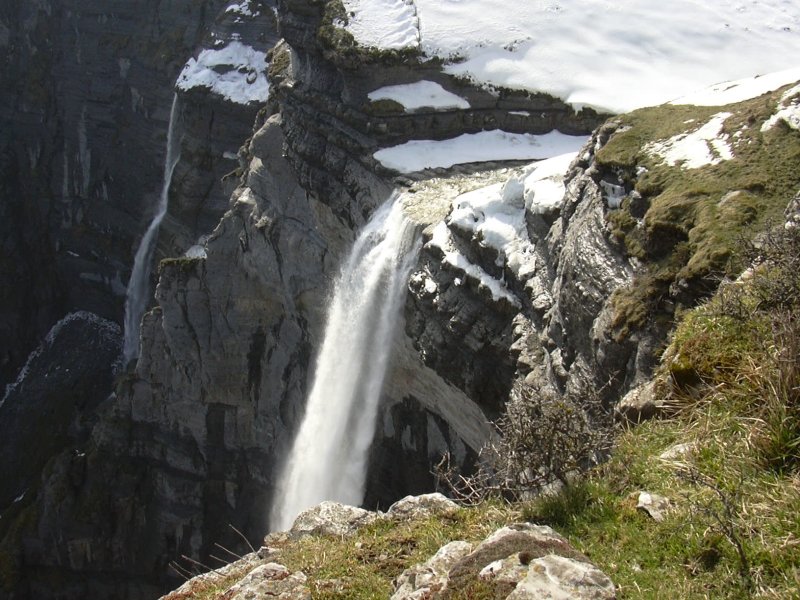
Gujuli Waterfall, near the village of Urkabustaiz in the province of Álava, Basque Country, is considered one of the tallest waterfalls in the region. The cascade drops over a limestone rock face surrounded by woodland, making it one of the more distinctive natural landmarks of inland Álava — a quiet, rural corner far from the coast, shaped by farming and pastoral life.
Where exactly is Gujuli?
The waterfall sits within the so-called concejo of Goiuri-Ondona, an administrative unit belonging to the municipality of Urkabustaiz. It covers two small settlements, Goiuri and Ondona, both lying right next to the falls. This is classic inland Álava scenery: scattered rural hamlets, fields and pastures ringed by hills, where nature still sets the pace of everyday life.
How do you get there?
Urkabustaiz lies in Álava province, whose capital is Vitoria-Gasteiz. A car is the most practical way to reach it, since the area sits off the main tourist routes and having your own transport gives you the most flexibility. Build some extra time into the trip, since the final stretch usually runs along rural roads connecting the municipality's small villages. From the parking area or trailhead, a short footpath typically leads to the waterfall itself — sturdy footwear is a good idea, especially after rain, when the path can turn slippery.
What will you see?
Gujuli is a cascade tumbling over a tall rock face, framed by the mixed and deciduous woodland typical of Álava. Depending on the season and recent rainfall, the sight can change dramatically — from a powerful, roaring wall of water to a much thinner trickle during drier months. The surrounding area is well suited to walking, with paths winding through wooded slopes that open up to views over the valley and nearby hills. It's a rewarding stop for landscape photographers and for anyone looking for a peaceful escape into nature, away from the crowds found at the Basque Country's better-known attractions.
When is the best time to visit?
Spring, and the days right after heavy rainfall, are the best times to visit — that's when the waterfall is at its most dramatic and the water flow is highest. In summer, during the drier months, the flow can be considerably weaker, though the surrounding countryside remains pleasant for walking. Autumn and winter, with more frequent rain, can also be rewarding, though visitors should expect a colder and more demanding walk.
Frequently Asked Questions
Is it hard to get to Gujuli Waterfall? Driving there isn't complicated, but the route runs through rural roads in the Urkabustaiz municipality, so it's worth planning ahead. The final stretch to the waterfall is done on foot.
Is the waterfall visible year-round? Yes, but its appearance depends heavily on rainfall. After rain or snowmelt it's at its most impressive; during drier months the flow is much more modest.
Are there other attractions nearby? The Urkabustaiz municipality and the villages of the Goiuri-Ondona concejo form a quiet, rural corner of Álava, well suited to a longer walk through the surrounding hills and a look at authentic Basque countryside.
Is the trail suitable for families with children? The short walk to the waterfall is generally easy, but paths can get slippery after rain, so caution and proper footwear are recommended.
Nearby places

Earn badges for the places you visit
Download NextOnTrip, discover new places and check off your trails.