About this place
Grotte de Saint-Trèche is a small cave and former pilgrimage site on the edge of the village of Saint-Jean-sur-Mayenne, right on the banks of the Ernée river. It's a quiet corner of the Mayenne département where local legend, medieval history and nature all meet in one spot — a worthwhile short stop for anyone touring the Mayenne valley.
Where does the name and legend come from?
Local tradition holds that the hermit Saint Trèche sheltered in this cave after being sent by the Bishop of Le Mans to evangelize the western Maine region. Before founding a monastery dedicated to Saint John on the nearby promontory — with the backing of King Charles the Bald — he is said to have lived right here, in the cave above the river. Remnants of a wall attributed to that early monastery can still be seen on the site today, though the exact chronology of these events belongs more to oral tradition than to firmly dated history.
What will you actually see on site?
The site is made up of three elements: the cave itself, the remains of a wall linked to the old monastery, and a chapel first documented in written sources in the 15th century. It was the chapel — known as Notre-Dame de Consolation, after a statue of the Virgin placed in a niche above the altar — that drew crowds of pilgrims through the 19th and 20th centuries. Soldiers, military families and ordinary worshippers left votive plaques and offerings here, some of which are still on display at the chapel.
The cave itself was described, a century ago, as deeper than the grotto at Lourdes: visitors stepping inside found rock crevices and recesses, most filled with devotional statues depicting scenes from the Passion of Christ. Around 1900, the interior effectively functioned as an open-air chapel, densely decorated with these figures. None of that decoration survives today — the cave has lost its old devotional furnishings entirely.
Access to the interior of the cave is now blocked by metal grilles. That's a deliberate choice rather than neglect: the site is looked after by the association Mayenne Nature Environnement, which uses the grilles to protect a bat colony roosting inside. The surrounding grounds, however, remain freely accessible — you can walk up, view the chapel, and look into the cave entrance from outside.
How do you get there?
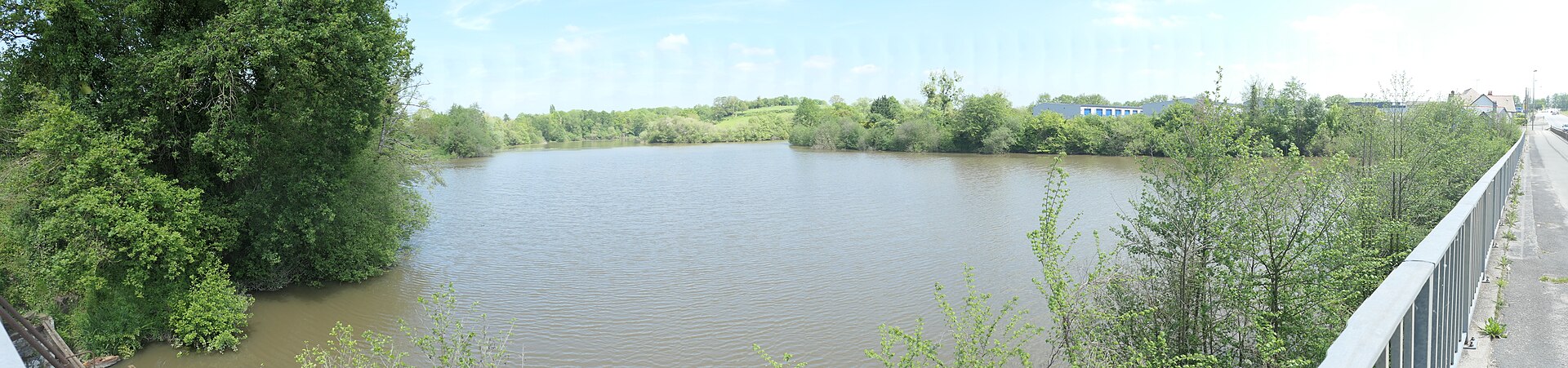
Saint-Jean-sur-Mayenne sits in the Mayenne département, within the Laval Agglomération, close to the banks of the Ernée, which joins the Mayenne river in this area. The village itself is small and peaceful, and the site — cave plus chapel — sits on its edge, surrounded by riverside greenery. It makes a convenient short stop for anyone exploring the Mayenne valley by car or bike, on the route between Laval and the smaller villages of the region.
When is the best time to visit?
There are no fixed opening hours in the usual tourist-attraction sense — this is an open rural site, accessible year-round. Daytime visits work best, when the cave entrance and chapel surroundings are easiest to see; spring and summer are pleasant for a walk along the Ernée, while autumn and winter can leave the riverside ground damp and muddy.
Frequently asked questions
Can you go inside the cave? No — the entrance is closed off by metal grilles, installed to protect the bat colony living inside. You can walk up to the entrance and look in from outside, though.
Where does the cave's name come from? From Saint Trèche, a hermit who, according to tradition, sheltered here before founding a nearby monastery dedicated to Saint John.
Why is the chapel called Notre-Dame de Consolation? Because of a statue of the Virgin Mary placed in a niche above the altar, which over time gave the chapel its name and made it a pilgrimage destination during the 19th and 20th centuries.
Are the old statues and votive offerings still inside the cave? The decorations depicting scenes from the Passion of Christ, documented around 1900, no longer survive inside the cave itself; some votive plaques from the chapel, however, can still be seen on site.
Nearby places

Earn badges for the places you visit
Download NextOnTrip, discover new places and check off your trails.