Save this place and discover nearby attractions with NextOnTrip
In the app you can add it to your favorites, see what else is worth visiting nearby on the map, and earn a badge for your visit.
The app is available for iPhone and Android.
About this place
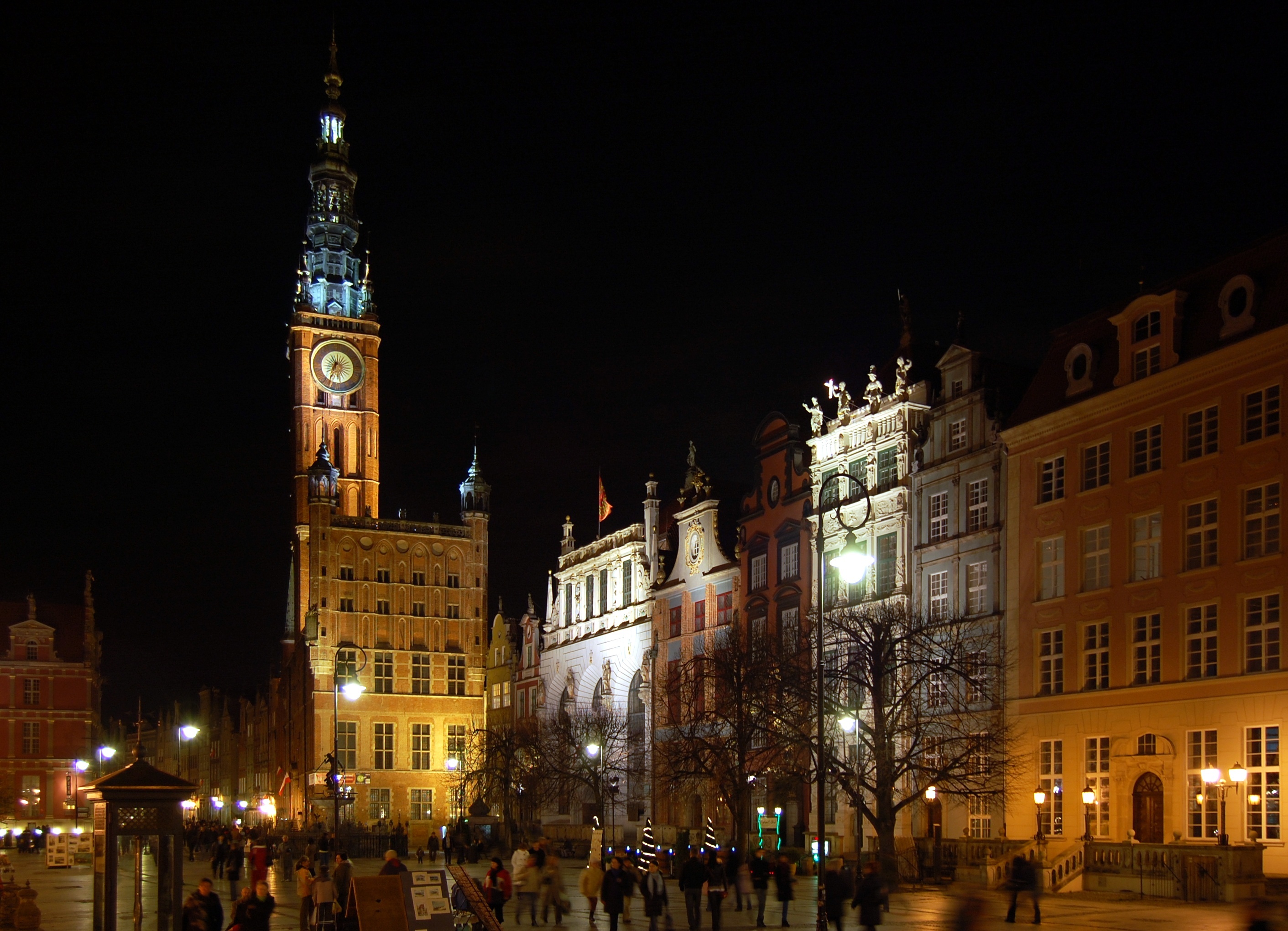
The Green Gate (Brama Zielona) in Gdańsk is a Mannerist building that closes the eastern end of Długi Targ, the main square of the Main Town. Beyond its passages the Motława quayside begins, so the gate works as a natural link between the city's showpiece square and the water. Today it houses a branch of the National Museum in Gdańsk and is among the most photographed spots in town.
How did the Green Gate come about?
The building went up in the second half of the 16th century, between 1564 and 1568, on the site of an earlier water gate tied to the medieval port. The older passage is mentioned as early as 1357, which makes this spot one of the earliest recorded points of Gdańsk's waterfront defences. The new structure was conceived as a ceremonial rather than a defensive element: it was meant to complete the Royal Way, along which the processions of monarchs entered the city.
Two foreign masters worked on it. The plans are credited to Hans Kramer of Dresden, while Regnier of Amsterdam oversaw the work. The result was the first building in Gdańsk designed in the spirit of Dutch Mannerism.
What makes the gate so distinctive?
The building is laid out as a group of joined bays with arched passages. The façade facing Długi Targ carries rich architectural detail, and the whole composition echoes the idea of a triumphal arch. From the outside it looks more like a small palace than a piece of fortification. That double character, a city gate and a decorative residence in one, is what draws the eye of visitors.
The structure was intended as a residence for Polish kings visiting Gdańsk, but no monarch ever lived there. In February 1646 Marie Louise Gonzaga stayed for several days on her way to Warsaw for her wedding celebrations with King Władysław IV. Still, the idea of a royal residence stuck to the building and remains part of its story.
What happened to the gate after World War II?
The war destroyed Gdańsk on an enormous scale. The Green Gate was damaged too, and rebuilding it became part of the long postwar effort to restore the Main Town. Today the building belongs to the National Museum in Gdańsk. From 1999 to 2015 one of its rooms housed the office of Lech Wałęsa.
What can you see inside?
Two main halls serve as exhibition spaces. They host temporary shows of old and contemporary art, both Polish and international. On the third floor the Gdańsk Gallery of Photography operates, so the gate is also a place for lovers of art photography. Exhibitions change, so it is worth checking the branch's current programme before you go.
Frequently asked questions
Where is the Green Gate? At the eastern end of Długi Targ, where the Main Town meets the Motława.
Is it part of the Royal Way? Yes, it closes the route on the waterside and serves as its striking final note.
Did a king ever live in the gate? No. Although the building was designed as a royal residence, no king stayed there.
Who designed it? The plans are credited to Hans Kramer of Dresden, with construction led by Regnier of Amsterdam.
Can you go inside? Yes, it houses a museum branch with temporary exhibitions and a photography gallery.
Nearby places

Earn badges for the places you visit
Download NextOnTrip, discover new places and check off your trails.