Save this place and discover nearby attractions with NextOnTrip
In the app you can add it to your favorites, see what else is worth visiting nearby on the map, and earn a badge for your visit.
The app is available for iPhone and Android.
About this place
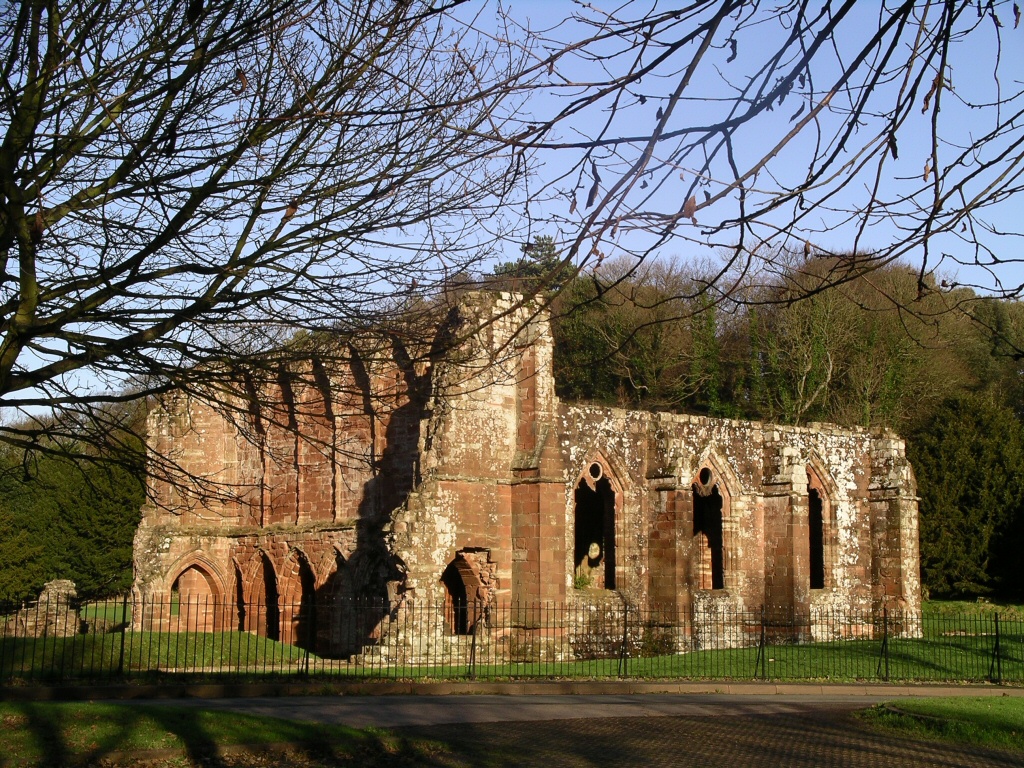
Furness Abbey is a ruined medieval monastery just north of Barrow-in-Furness in Cumbria, north-west England. Its red sandstone walls rise from a sheltered valley on the edge of town, and they are among the most impressive monastic remains in this part of the country.
What is Furness Abbey and why does it matter?
The monastery was founded in 1123. Its monks later adopted the Cistercian rule, and the house grew into one of the richest and most influential in England, second only to Fountains Abbey. Its wealth came from large estates around Furness, sheep farming and the wool trade, with holdings reaching well beyond what is now Cumbria. The abbey was dissolved in 1537 during the English Reformation, after which the buildings slowly fell into ruin.
What will you see there?
The site is spacious and easy to explore on foot, moving freely between the former monastic buildings. Highlights include:
- The abbey church – tall stretches of wall, arches and the remains of the tower show how large the building once was.
- The chapter house and cloister area – the monks met here, and the layout of the rooms helps you picture a day in the community.
- Carved details – pointed windows, sedilia and decorative doorways show the skill of the medieval masons.
- The museum – a small display of carved stones and objects found on site explains the abbey's story.
Several buildings within the complex are Grade I listed, and the whole site is a Scheduled Monument. English Heritage looks after it.
How do you get to Furness Abbey?
The abbey lies a few kilometres north of central Barrow-in-Furness. Driving is the easiest option, and there is parking by the ruins. By train, you can reach Barrow-in-Furness station and continue by taxi or local bus. Check timetables in advance, as off-peak services can be infrequent.
When should you visit and how long do you need?
Late spring and summer are the best times, with long days and dry grass around the ruins. In autumn the red stone glows in low light, but paths can get muddy after rain, so wear sturdy shoes. Allow roughly 1.5 to 2 hours for the ruins and museum. Photographers will like the afternoon, when the sun brings out the colour of the sandstone.
What else is worth seeing nearby?
Barrow-in-Furness is known for shipbuilding and has a museum on the town's history. Nearby you will find the Furness peninsula, Piel Island with its castle, and the Morecambe Bay coast. The Lake District is also within easy reach.
Frequently asked questions
Is there an entry fee? The site is run by English Heritage, so its rules apply. Check their website for current prices and opening times, which change with the season.
When was the abbey founded? In 1123. The monks later joined the Cistercian order, and the abbey was dissolved in 1537.
Is it suitable for families with children? Yes. The grounds are open and easy to walk around, and the walls and arches make exploring fun for children. Just watch for uneven ground.
Can I combine it with other attractions? Yes, with Piel Island and its castle, the centre of Barrow, or a trip towards the Lake District.
Nearby places

Earn badges for the places you visit
Download NextOnTrip, discover new places and check off your trails.