About this place
Forno de Cal da Muíña
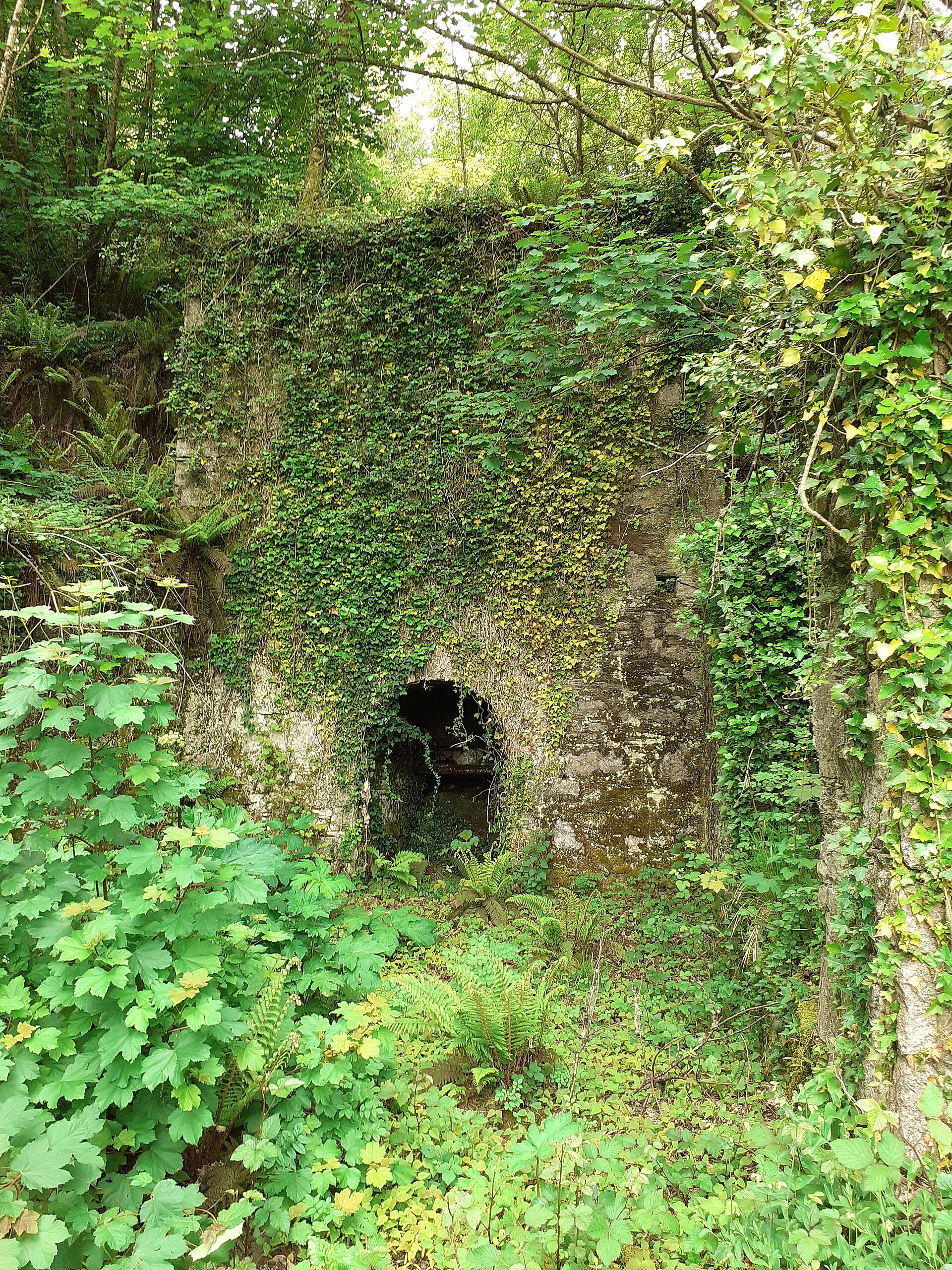
Forno de Cal da Muíña is an old lime kiln standing in the village of Muíña, in the municipality of Baleira, in the province of Lugo, Galicia. It is the kind of site that is easy to miss from the main road, yet the stone structure tells a genuine story about a rural industry that once kept local farms running.
Where exactly is Muíña?
Muíña is a small village split between two municipalities: one half falls under the parish of Retizós, in Baleira, while the other belongs to the parish of Milleirós, in the neighbouring municipality of Pol. Both lie in the northern part of Lugo province, an area crossed by a band of limestone deposits running roughly 100 metres wide from the north of the province southward. It was this limestone that made a quarry and a lime kiln possible here in the first place. Baleira itself belongs to the comarca of A Fonsagrada, with O Cádavo as its administrative seat.
What will you actually see?
The kiln takes the shape of a truncated cone, a form typical of traditional lime kilns in this part of Galicia. Comparable kilns recorded near Mondoñedo reached about 7 metres in height and 4 metres in internal diameter at the base, with walls roughly a metre thick. At the front sat an opening, the boqueira, flanked by walls that projected outward, and inside, about a metre above ground level, ran a working platform. In Muíña, the remains of the old industrial complex — quarry and kiln together — are still visible today, standing among the fields.
Walking up to the kiln, look at the stone field walls and the roadside embankments nearby: limestone is visible in them at a glance, a clear reminder of why this particular patch of countryside once supported a lime-burning trade.
How did the kiln actually work?
Firing lime was slow, hot work that demanded constant attention. The kiln was loaded with blocks of limestone, then the upper opening was sealed, leaving only the lower entrance clear. Workers lit the fire with gorse and kept it burning without interruption, in a typical cycle lasting around 60 hours, with shifts rotating every four hours to maintain temperatures above 900°C inside the chamber. At the Muíña kiln, though, the main fuel was reportedly wood and mineral coal rather than gorse alone, and a single firing could consume as many as 50 cart-loads of fuel.
The result was quicklime, put to two main uses in the surrounding countryside: mixed with water and sand into mortar for binding stone walls, and spread on fields as a soil fertiliser. For the farming communities of the Lugo hinterland, this was a working piece of infrastructure rather than a curiosity.
How do you get there?
Muíña sits deep in rural Galicia, within the municipality of Baleira, close to the boundary with Pol. A car is the practical way to reach it — local roads connect O Cádavo, the seat of Baleira, with the surrounding villages of the A Fonsagrada comarca. Expect classic inland Lugo scenery on the way: rolling hills, pasture, and dry stone walls, so it helps to set Muíña itself as the destination on a GPS rather than relying on signposts alone.
When is the best time to visit?
The kiln sits in the open countryside, accessible year-round, with no opening hours or admission fee to plan around. Spring and summer are the most pleasant seasons, when the weather in this hilly part of Lugo suits a longer walk and the fields around the stone structure are at their greenest. Autumn and winter can bring muddier paths, so sturdy footwear is worth packing.
Frequently asked questions
What is Forno de Cal da Muíña? It is a former lime kiln, built as a truncated cone, which together with a nearby quarry once formed a small local lime-production site.
Where exactly is it located? In the village of Muíña, split between the parish of Retizós (Baleira) and the parish of Milleirós (Pol), in the province of Lugo, Galicia.
What was the lime produced here used for? Mainly as mortar for binding stone in walls and buildings, and as a fertiliser spread on agricultural land.
Is there an entrance fee? No — it is an open-air rural site, freely accessible at any time, with no tickets or fixed opening hours.
Nearby places

Earn badges for the places you visit
Download NextOnTrip, discover new places and check off your trails.