About this place
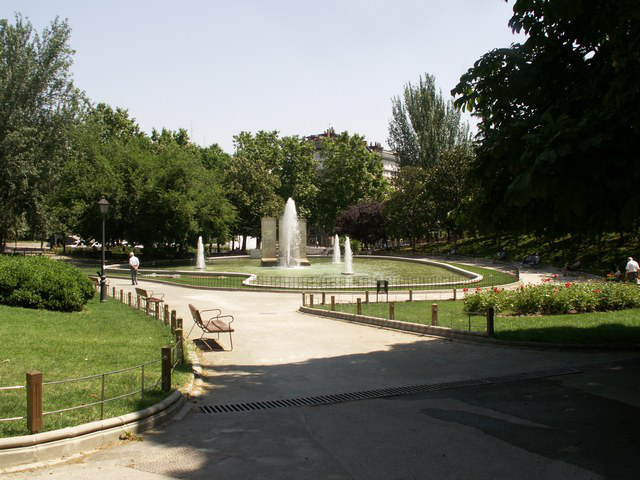
Felix Rodríguez de la Fuente Park is a compact municipal park in Madrid, sitting on the boundary between the San Juan Bautista and Ciudad Jardín neighborhoods, right next to the M-30 ring road. It's a practical stop for travelers who want a quiet break from the city center without straying far from the more visited parts of Madrid.
Where exactly is the park located?
The 1.55-hectare grounds sit in the Chamartín district, at the junction of Avenida de Ramón y Cajal and Calle del Padre Claret. Because it borders the M-30, the park tends to be overlooked by visitors focused on Salamanca or Retiro — but for anyone staying in the northern part of the city, it's a convenient, low-key spot for a short walk or a morning run.
Where does the name come from?
The park opened in June 1980, commissioned by then-mayor Enrique Tierno Galván as a tribute to Félix Rodríguez de la Fuente (1928-1980), a Spanish naturalist known for his hunting-turned-conservation advocacy and for creating some of Spain's most popular nature documentaries. He died in a plane crash in Alaska that same year. A sculptural group inside the park honors his memory, worth a short stop if you're interested in 20th-century Madrid history.
What is there to do here?
This is a neighborhood park in the practical sense, not a sprawling botanical garden. Pine trees dominate the grounds, which are divided into a few functional zones:
- Picnic areas with benches and tables — a good spot for a takeaway lunch
- A calisthenics sports area with bars for street workouts
- A skate ramp, popular with local teenagers
- A children's playground
Don't expect museum-style attractions or a scenic viewpoint here — this park works best as a breathing space between sightseeing stops, especially useful if you're traveling with kids who need a playground break.
How do you get there, and when should you visit?
The park is well served by public transport running through Chamartín — the easiest approach is metro or bus to the Ramón y Cajal area, followed by a short walk. Entry is free, and as an open urban green space it doesn't keep the fixed opening hours you'd find at a gated attraction. The best time to visit is mid-morning or early afternoon during the cooler months, when the pines offer shade, or early morning and evening in summer, when Madrid temperatures climb.
Is it worth adding to your itinerary?
This isn't a headline stop on a Madrid sightseeing list, but if you're staying nearby or want a calm spot away from the crowds downtown, it's a solid option for an hour of downtime. The park suffered significant damage during the Filomena snowstorm in January 2021, and underwent a full renovation in 2022: lighting was expanded, pathways resurfaced, new trees planted, dog areas upgraded, and senior-friendly exercise equipment installed along with a new irrigation system. As a result, the park looks noticeably fresh and well maintained today.
Frequently asked questions
Is entry to the park free? Yes, it's an open municipal park with no admission fee.
Is the park suitable for kids? Yes — there's a dedicated playground plus open grassy areas for kids to run around.
How long does it take to see the whole park? Given its small size (1.55 hectares), walking the entire park takes about 20-30 minutes.
Is there anything tied to Madrid's history here? Yes — a sculptural group honoring Félix Rodríguez de la Fuente, the Spanish naturalist and television pioneer the park is named after.
Nearby places

Earn badges for the places you visit
Download NextOnTrip, discover new places and check off your trails.