About this place
Esteiro do Tambre is the estuary where the Tambre River meets the Ría de Muros e Noia, one of the most valuable natural sites on the Galician coast. The protected area covers the final stretch of the river and the eastern half of the estuary, spread across the municipalities of Brión, Negreira, Outes, Noia and Porto do Son — the point where fresh river water mixes with the sea, forming broad muddy and sandy flats that are exposed and flooded by the tides.
Why is this estuary protected?
Esteiro do Tambre holds Special Conservation Zone (ZEC) status within the European Natura 2000 network, and it has been listed as a Site of Community Importance under the Habitats Directive since 2004. The protected area spans more than 15 km², over 1,500 hectares of which are intertidal muddy-sandy flats — a habitat that is essential for birds and invertebrates living in the tidal zone.
What does the landscape look like?
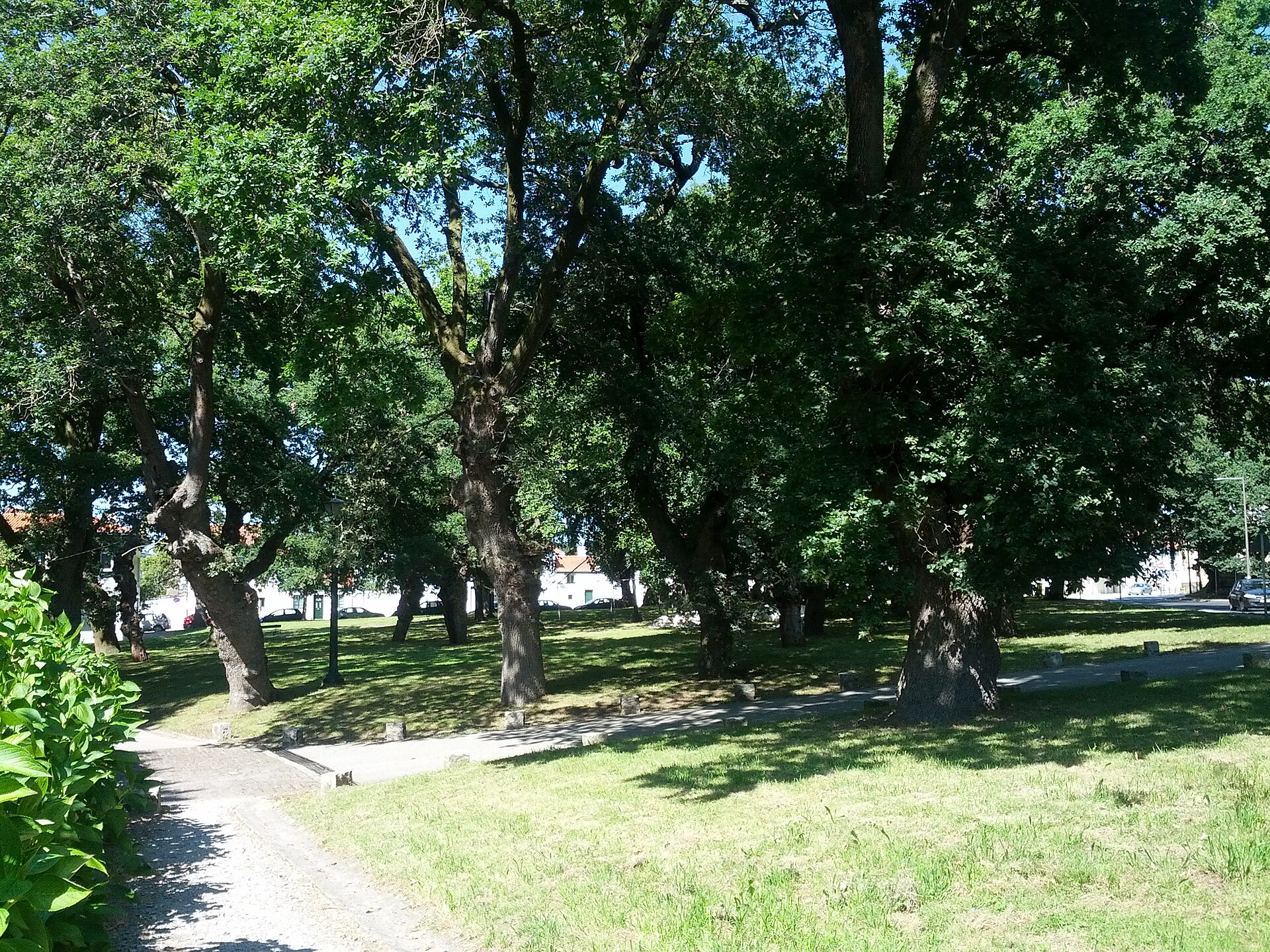
The estuary is shaped by reedbeds of common reed (Phragmites australis) and underwater meadows of dwarf eelgrass (Zostera noltii), while oak, ash and alder woodlands line the surrounding land. This mosaic of habitats, from salt marsh to riverside forest, lets the area work as a natural buffer between river and sea, as well as an ecological corridor for many species.
Why bring binoculars here?
Esteiro do Tambre is one of the more important birdwatching sites on the Galician coast. Several dozen pairs of the threatened western Iberian reed bunting nest in the reedbeds, and the sandy banks host breeding pairs of the rare Kentish plover. In winter, the southern bank of the estuary fills with migrating and wintering birds — great northern loons, black-throated loons, sanderlings and sandwich terns stop here to feed on the invertebrate-rich flats. For birdwatchers, the autumn and winter season tends to be the most rewarding, when species counts and numbers of individuals rise noticeably.
How to visit the estuary?
The area sits along the coastal route of the Camino de Santiago, making it an easily accessible stop for pilgrims and travelers making their way along the Ría de Muros e Noia. It's worth planning a visit around the tides — low tide exposes the wide flats where wading birds feed, while high tide covers most of the muddy bottom. A walk along the estuary shore, ideally early in the morning, offers the best chance to observe waterbirds in a quiet setting framed by deciduous woodland.
Frequently asked questions
Where exactly is Esteiro do Tambre located? It is the estuary of the Tambre River into the Ría de Muros e Noia, in the province of A Coruña, spanning the municipalities of Brión, Negreira, Outes, Noia and Porto do Son.
What conservation status does the area have? It is a Special Conservation Zone (ZEC) within the Natura 2000 network, listed as a Site of Community Importance since 2004, covering more than 15 km².
Which birds can be seen here? Threatened western Iberian reed buntings and rare Kentish plovers nest here, while great northern loons, black-throated loons, sanderlings and sandwich terns arrive in winter.
Can it be reached on foot, for example from the Camino de Santiago? Yes, the area lies close to the coastal Camino de Santiago route, so it can be visited as part of a walk along the Ría de Muros e Noia.
When is the best time to visit for birdwatching? The richest sightings come in autumn and winter, when migrating and wintering birds gather on the tidal flats.
Nearby places

Earn badges for the places you visit
Download NextOnTrip, discover new places and check off your trails.