About this place
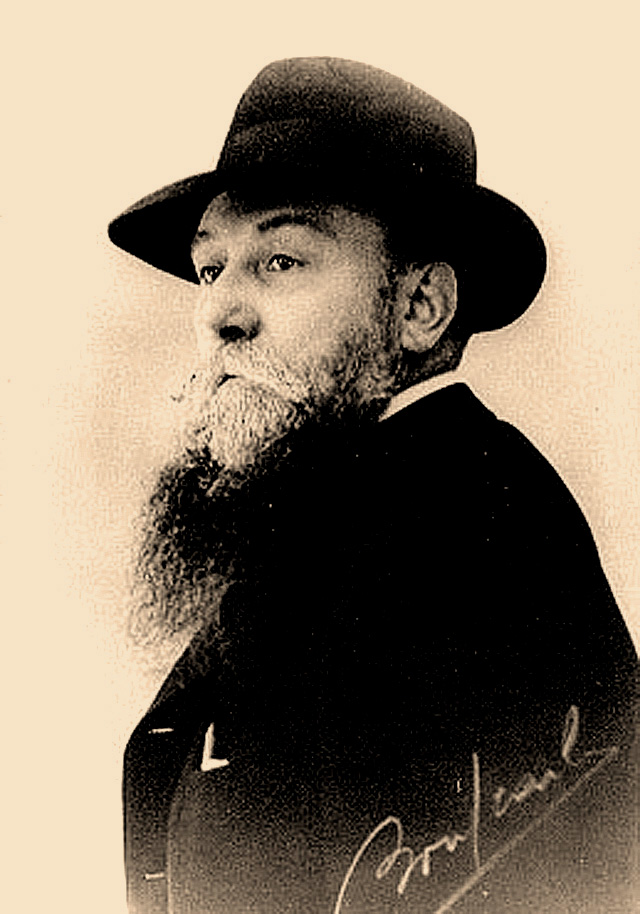
Ernest Ferroul is a name tied to a physician, politician and winegrowers' leader whose life became closely entwined with the city of Narbonne in southern France at the turn of the 20th century.
Who was Ernest Ferroul?
Ernest Ferroul was born on 13 December 1853 in Mas-Cabardès, into a modest family of drapers from the Montagne Noire. Losing his father at an early age, he trained as a doctor in Montpellier before settling in Narbonne, where he quickly earned the nickname "the poor people's doctor" for treating the town's neediest residents without charge. It was in Montpellier that he met socialist figures Jules Guesde and Paul Brousse, an encounter that drew him toward the French Workers' Party. He was also active in Freemasonry, founding the "La Libre Pensée" lodge in 1881.
What was his role in local politics?
Ferroul served twice as a deputy for the Aude department, first elected in a by-election in 1888 and holding the seat until 1902. He became mayor of Narbonne for the first time in 1891, then held the office continuously from 1903 until his death. His medical work and political career reinforced one another, giving him a reputation as a figure genuinely close to the ordinary people of the region.
Why is he remembered for the 1907 winegrowers' revolt?
A crisis of overproduction and unfair competition triggered mass protests among Languedoc winegrowers in the spring of 1907, with demonstrations at their peak drawing as many as 800,000 smallholders and vineyard workers. On 5 May 1907, Ferroul, acting as mayor of Narbonne and a former deputy, formally joined the movement, giving it clear political weight. In his speeches he called on every mayor across Languedoc-Roussillon to resign and openly encouraged civil disobedience. On 19 June 1907 he was arrested at his home in front of a large, charged crowd of supporters. That September, he founded the Confédération Générale de Vignerons du Midi, an organisation created to defend the interests of small wine producers.
Why does a place in Narbonne carry his name?
In recognition of his dedication to the region's inhabitants, streets, avenues and boulevards in numerous Languedoc towns were named in Ferroul's honour, a tribute extended to Narbonne itself. This kind of commemoration reflects his standing as an iconic figure of the region, closely associated with the emergence of socialist political traditions in the Aude department. He died in Narbonne on 29 December 1921, having remained mayor of the city for most of his working life.
Frequently Asked Questions
What was Ernest Ferroul's profession? He was a physician. After studying medicine in Montpellier, he settled in Narbonne, where he treated the poorest residents and became known as "the poor people's doctor."
How long was Ferroul mayor of Narbonne? He was first elected mayor in 1891, then served continuously from 1903 until his death in 1921.
What happened on 19 June 1907? Ferroul was arrested at his home in Narbonne in front of a large, agitated crowd of supporters, a direct consequence of his leading role in the Languedoc winegrowers' revolt.
Why does his name appear on streets and places across the region? Streets, avenues and boulevards bearing his name in many Languedoc towns honour his social and political commitment to small winegrowers and to the region's residents more broadly.
Nearby places

Earn badges for the places you visit
Download NextOnTrip, discover new places and check off your trails.