About this place
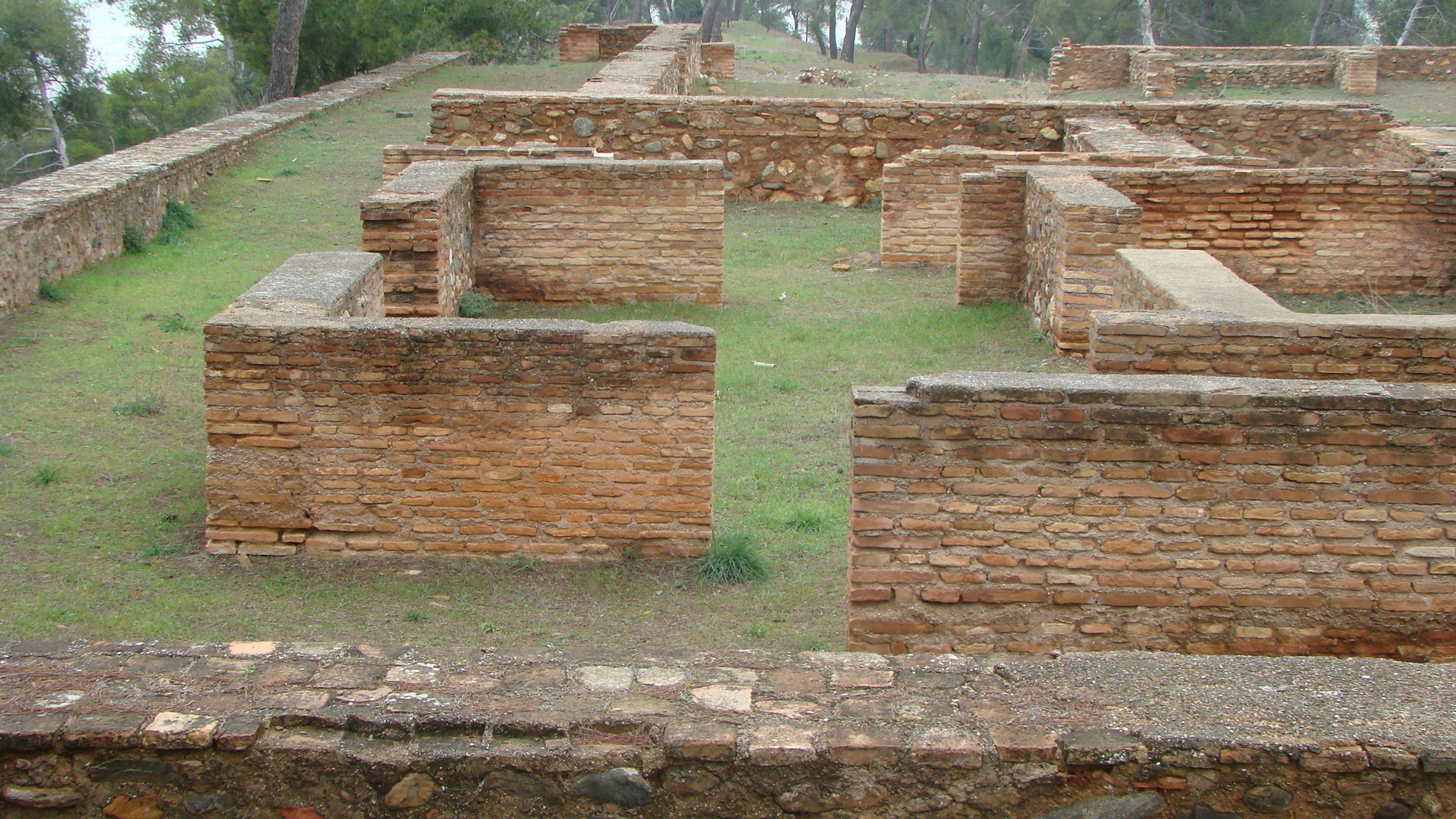
Dar Al-Arusa Palace stands in ruins on the Cerro del Sol hill above the Generalife in Granada. It is the highest residence ever built by the rulers of Nasrid Granada, tucked away among pines and scrubland above the Generalife gardens, and today it can only be visited during occasional guided walks organized by the Patronato de la Alhambra y Generalife.
Why is it called the "Bride's Palace"?
Dar al-Arusa literally means "house of the bride" in Arabic. The palace was built in the 14th century under Sultan Muhammad V, one of the most important builders of Nasrid Granada, who was also responsible for expanding the Alhambra's famous Palace of the Lions. Dar al-Arusa served as an almunia — a royal pleasure estate surrounded by gardens, set apart from the bustle of the court, where the sultan could retreat among water features, greenery and sweeping views over the Darro valley.
Why was it called the "crown of the kingdom"?
The palace was built at the very top of the Cerro del Sol, roughly 900 metres above sea level — higher than any other Nasrid-era building around Granada. Because it towered over the Generalife, the Alijares and the Silla del Moro, contemporaries referred to it as "the crown of the kingdom." From this vantage point the view stretched across the entire Alhambra complex, the Albaicín and the Sierra Nevada beyond — a location chosen deliberately to project the dynasty's power and prestige.
What survives of the original residence?
The complex was arranged around three courtyards. The largest contained a pool measuring seven metres long, ringed by living quarters laid out in the manner typical of Nasrid homes. In the northwestern corner, archaeologists uncovered the remains of a hydraulic system — a waterwheel used to draw water from a well — evidence of the advanced engineering needed to keep the palace supplied with water despite its high, dry setting. A near-complete bathhouse also survives, its double-bent passageway leading into a square room with a circular marble fountain, considered the most valuable decorative find on the site.
How was the palace rediscovered?
After the conquest of Granada in 1492, the residence gradually fell into obscurity. Chronicler Francisco Henríquez de Jorquera recorded it as abandoned as early as 1632, and over the following centuries the site was buried under soil and vegetation, all but vanishing from memory. It was rediscovered by chance in 1933, during pine-planting work on the slopes of the Cerro del Sol. Excavations led by architect Leopoldo Torres Balbás took three years and revealed the layout that can still be traced today.
How do you visit Dar Al-Arusa?
The ruins sit above the Generalife gardens, along the path that continues on to the Silla del Moro, reached on foot via the trails crossing the Cerro del Sol hill. Because the site is normally closed and can only be unlocked by a guard from the Patronato de la Alhambra y Generalife, visits are mainly possible through free guided walks that are organized occasionally, including during European Archaeology Days. It's worth checking the Patronato's current events calendar before a trip to Granada and combining the walk with a visit to the Alhambra and Generalife themselves.
Frequently Asked Questions
Can you visit Dar Al-Arusa on your own? No — the site is closed to independent visitors and can only be accessed during occasional guided walks organized by the Patronato de la Alhambra y Generalife.
How is Dar Al-Arusa different from the Generalife? The Generalife is a well-known, fully restored garden palace open to visitors daily, while Dar Al-Arusa is a far lesser-known, partially preserved ruin set higher on the hill, well off the standard tourist route.
When was the palace built, and by whom? It was built in the 14th century under Sultan Muhammad V, the Nasrid ruler of Granada also known for expanding the Alhambra's Palace of the Lions.
What can you actually see on site? The main courtyard with its pool, the remains of a hydraulic waterwheel system, and a preserved bathhouse with a marble fountain — the most valuable decorative feature of the whole complex.
Nearby places

Earn badges for the places you visit
Download NextOnTrip, discover new places and check off your trails.