About this place
Cueva de Micolón is a Paleolithic art cave in the municipality of Rionansa, in Cantabria, hidden in a rock face above the former course of the Nansa river.
Where is it located?
The cave lies near the village of Riclones, within the municipality of Rionansa. Its entrance opens on a cliff facing north, in a valley that was largely submerged after the dam that created the Palombera reservoir was built. Water now reaches almost up to the entrance, making a visit here unlike that of most prehistoric sites.
How do you get there?
Because the valley is flooded, the only way to reach the entrance is by kayak across the Palombera reservoir. The cave itself is not set up for casual tourist visits — it is a protected archaeological site, and entering it requires permission and is usually accompanied by a guide or researcher. For most visitors, the attraction is the view of the rock face and the reservoir from the water, rather than going inside.
What is inside?
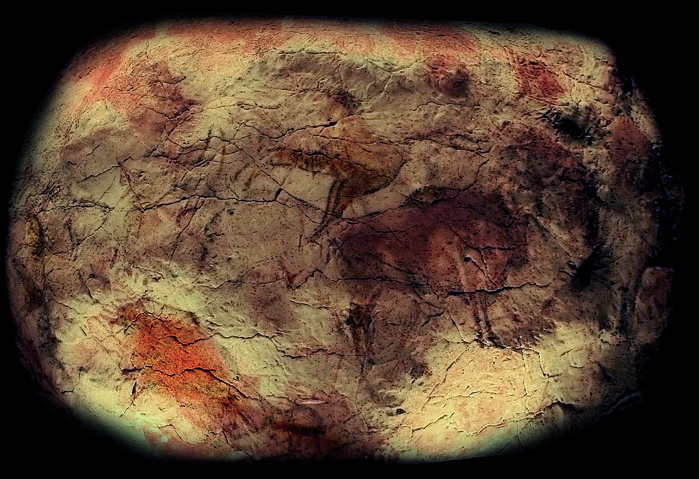
The interior is a network of narrow, almost labyrinthine galleries stretching around 500 linear metres. The cave was never used as a dwelling — Paleolithic people entered it only for artistic and, it is believed, ritual purposes. A small chamber near the entrance holds 22 engraved figures showing deer, ibex-like caprids and various signs, including vulvar symbols. Alongside the engravings are a handful of red paintings: two bears (one shown in full), two horses (rendered as a head and neck-back line) and simple motifs such as dots, stains and a tectiform.
When was the art discovered?
The Paleolithic art was discovered in 1976 by the Speleo Club Cántabro, a group of cavers surveying the cave system of the Nansa valley. Since then, Cueva de Micolón has been regarded as one of the region's more significant rock art sites and is legally protected as a Bien de Interés Cultural, with a designated protection zone around the cave.
When to visit?
Since access is by water, spring and summer are the best times to visit the area, when the water level in the Palombera reservoir is stable and kayaking conditions are favourable. In winter and after heavy rainfall, the water level can change considerably, making the approach to the entrance harder and the trip less predictable.
Frequently asked questions
Can you visit the cave on your own? No. Cueva de Micolón is a protected archaeological site, and entry requires authorisation. Regular visitors can only view it from outside, after kayaking to the area around the entrance.
Why do you need a kayak? The valley containing the cave's entrance was partly flooded after the dam that created the Palombera reservoir was built. As a result, the land around the entrance disappeared underwater, leaving kayaking as the only way in.
What do the paintings and engravings show? The engravings depict deer, caprids and signs, including vulvar symbols, while the red paintings show two bears, two horses, and simple motifs such as dots and stains.
When was the art in the cave discovered? In 1976, during research carried out by the Speleo Club Cántabro in the Nansa valley.
Nearby places

Earn badges for the places you visit
Download NextOnTrip, discover new places and check off your trails.