About this place
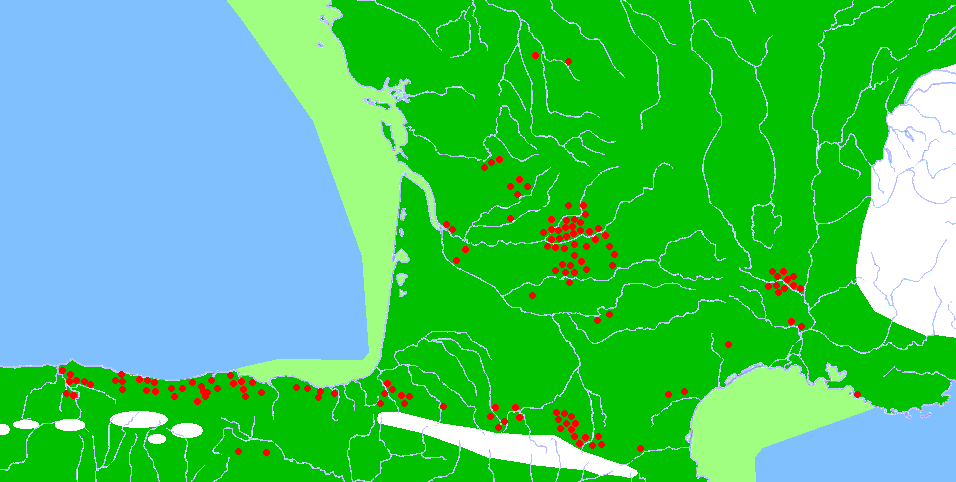
Cave of Chufín is one of the most striking prehistoric rock art sites in the Herrerías area, within the Rionansa region of Cantabria. Its entrance sits on a steep rock face right where the Nansa and Lamasón rivers meet — a setting that gives Chufín an edge over many other painted caves in the region, since visitors get a dramatic river-valley view along with the archaeology.
Chufín belongs to the group of sites inscribed on the UNESCO World Heritage List under the joint entry "Cave of Altamira and Paleolithic Cave Art of Northern Spain." That places it firmly in the top tier of prehistoric art locations in Europe, rather than being just a local curiosity.
How do you get to the Cave of Chufín?
The cave lies deep in the Nansa river valley, surrounded by the steep slopes and dense woodland typical of western Cantabria. Because the entrance opens directly onto a rocky riverside slope, reaching it usually involves a short but somewhat demanding walk over uneven ground, so sturdy footwear is worth packing. Driving is the most practical option, following the local roads that run into the Nansa valley — this part of Cantabria sits away from the main tourist routes, so a car gives you the freedom the public transport network doesn't.
What will you see inside?
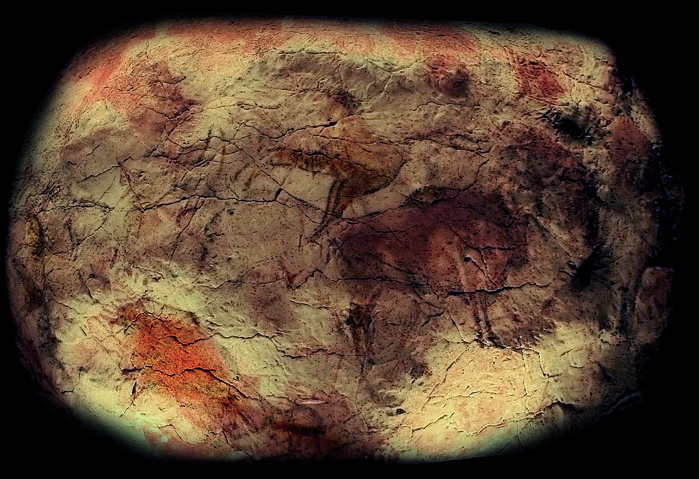
Chufín is one of several caves on the steep slopes above the Nansa and Lamasón rivers that preserve rock art left by prehistoric humans. These paintings and engravings are the reason the site earned its place on the UNESCO list. As with other painted caves in Cantabria, visits typically run in small groups with a guide — a standard practice across the region designed to protect fragile pigments and engravings from damage.
The setting itself adds to the experience: few painted caves in Cantabria open onto a spot where two rivers converge, and the view from the rock face over the valley is worth the walk on its own.
When is the best time to visit?
Western Cantabria's mountainous, damp climate makes spring and early autumn the most comfortable seasons to visit, with steadier weather and easier access to the cave entrance. Summer brings more visitors to the Nansa valley, so booking ahead is advisable — access to caves with prehistoric art is usually capped at a limited number of visitors per day to protect the artwork.
Why visit?
Chufín combines two things rarely found together: genuine, still relatively uncrowded Paleolithic cave art and a striking natural setting at the confluence of two rivers. It suits travelers looking for something beyond the region's best-known, busier sites, without giving up historical and scientific authenticity.
Frequently asked questions
Is the Cave of Chufín part of the UNESCO World Heritage List? Yes, it's included under the joint UNESCO entry covering Altamira and the Paleolithic cave art of Northern Spain.
Where exactly is the cave located? In the Rionansa region of Cantabria, on a steep rock face at the point where the Nansa and Lamasón rivers meet.
Can you visit on your own, or is a guide required? Painted caves in this region are typically only accessible with a guide, as a standard measure to protect the artwork.
Is the walk to the entrance difficult? The entrance sits on a steep slope above the river, so expect a short but demanding approach and wear appropriate footwear.
Nearby places

Earn badges for the places you visit
Download NextOnTrip, discover new places and check off your trails.