About this place
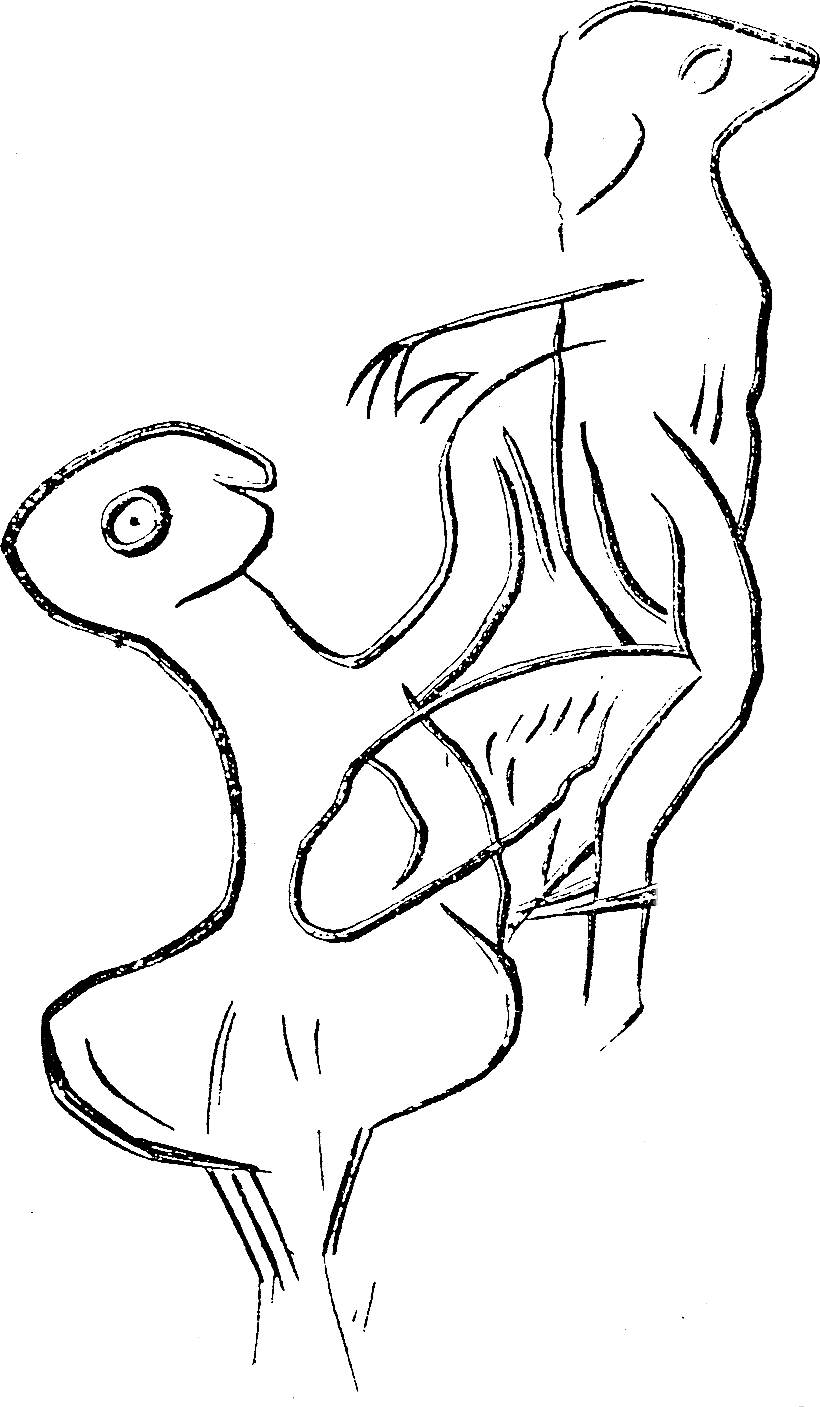
Cueva de los Casares is an archaeological cave near Riba de Saelices, in the province of Guadalajara, Spain. It ranks among the more significant Paleolithic art sites on the Iberian Peninsula, valued for an unusually rare set of engravings depicting scenes of human reproduction and family life alongside images of Ice Age animals.
What makes this cave archaeologically important?
The cave preserves a body of Paleolithic engravings and paintings. Animal figures appear throughout, mammoths chief among them, reflecting the fauna that shared the landscape with prehistoric humans in the region. What sets Cueva de los Casares apart, though, is a distinct group of engravings showing copulation, pregnancy, childbirth, and scenes of family life. Some researchers regard these as among the earliest known depictions of how early humans understood the reproductive process, a theme almost never found elsewhere in Paleolithic art. That rarity is the main reason the site draws attention from specialists in prehistoric art and human origins.
When was the cave discovered?
The cave was discovered in 1933. Its engravings quickly attracted scholarly interest because of both their volume and their unusual subject matter compared to other painted caves from the same period. Recognition followed swiftly: in 1935 the site was declared a Bien de Interés Cultural, Spain's highest legal category for protected cultural heritage, reserved for places of exceptional historical and scientific value.
What is the setting like around Riba de Saelices?
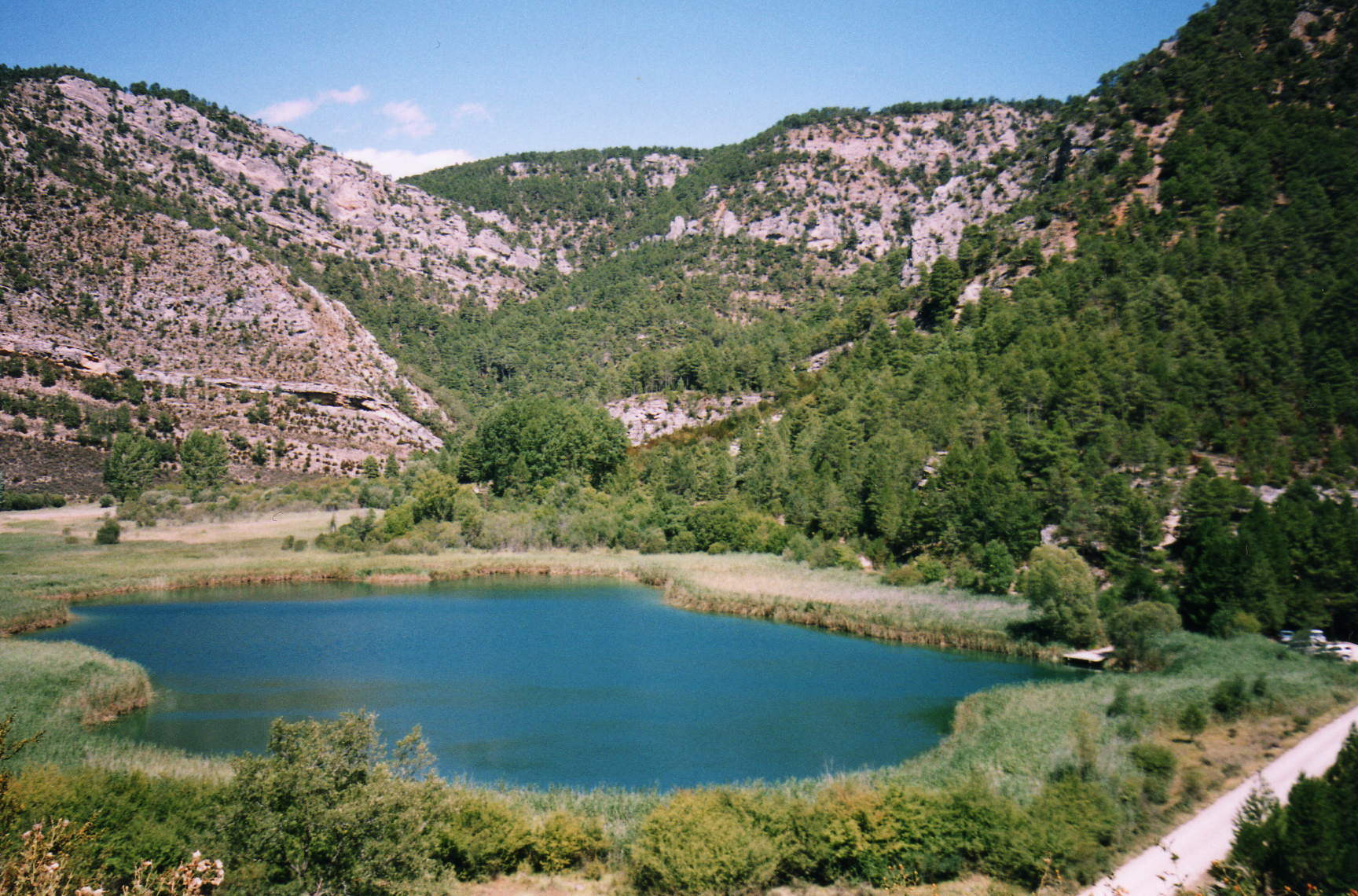
Riba de Saelices is a small municipality in the province of Guadalajara, part of the Castilla-La Mancha region in central Spain. The area has a typical continental climate for inland Spain, with hot summers and cold winters, set within a landscape of limestone gorges and plateaus. These rock formations are exactly the kind of terrain where caves like this one form, and where prehistoric communities across the region left their mark, making the wider countryside around Riba de Saelices worth exploring for anyone interested in archaeology or geology.
Who should plan a visit?
Cueva de los Casares appeals most to visitors with an interest in archaeology, prehistoric art, or anthropology. Because the engravings are scientifically significant and fragile, access to caves of this kind is often restricted or requires advance arrangement, so it is worth checking current visiting conditions locally before planning a trip. The surrounding Guadalajara countryside, with its characteristic central Spanish landscape, also makes it easy to combine a visit with other nearby cultural and natural sites in the province.
Frequently Asked Questions
What is Cueva de los Casares best known for? It is known for a rare set of Paleolithic engravings depicting human reproduction, including copulation, pregnancy, and childbirth, alongside more typical animal imagery such as mammoths.
When was the cave discovered and protected? It was discovered in 1933 and declared a Bien de Interés Cultural in 1935, Spain's top heritage protection status.
Where exactly is the cave located? It lies near Riba de Saelices, in the province of Guadalajara, within the Castilla-La Mancha region of central Spain.
Is the cave's art unique compared to other Paleolithic sites? Yes. Depictions of human reproductive scenes are extremely uncommon in Paleolithic art, which is why this site is considered an important reference point for researchers studying prehistoric human iconography in Europe.
Nearby places

Earn badges for the places you visit
Download NextOnTrip, discover new places and check off your trails.