About this place
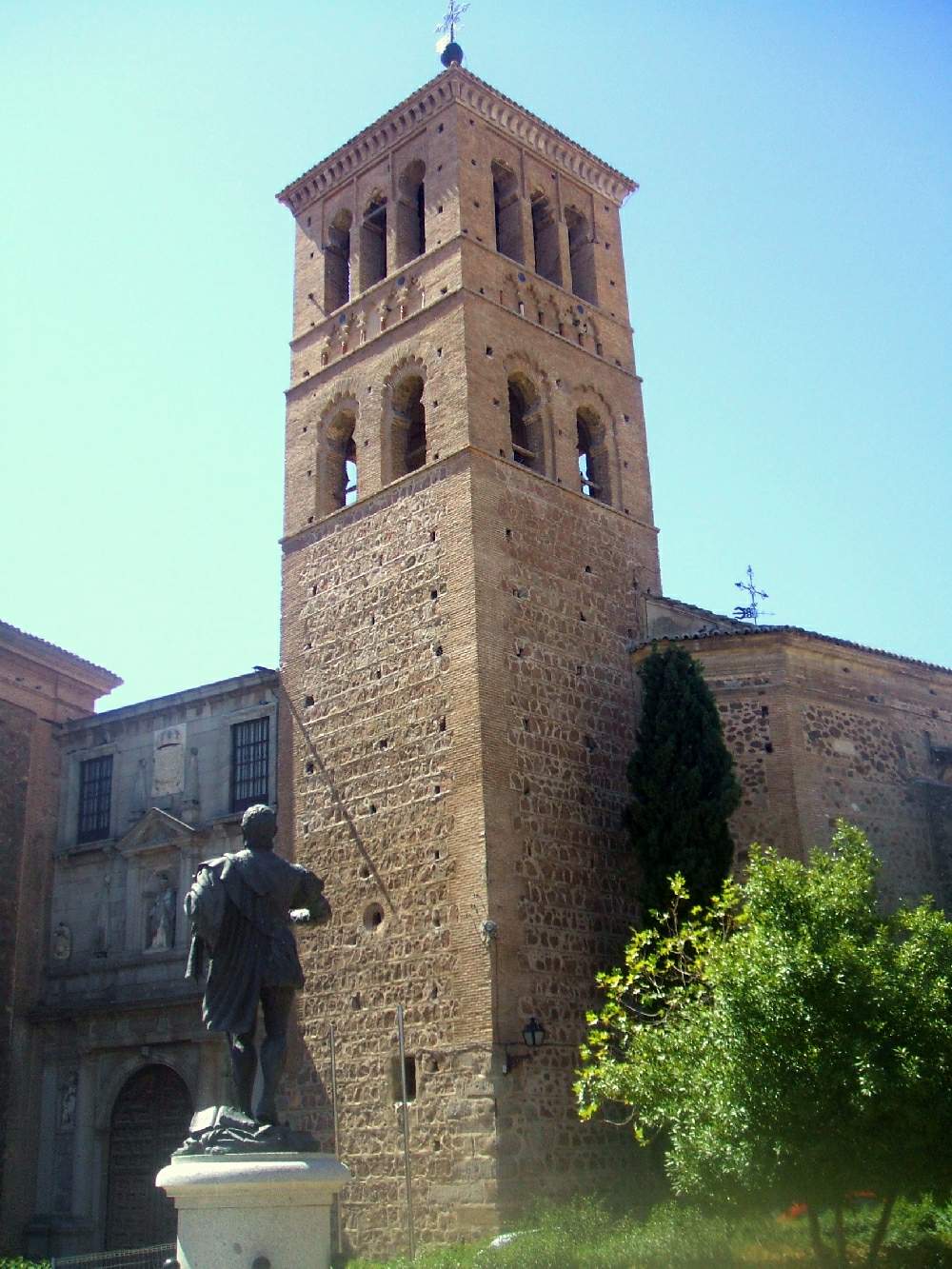
Convent of Santa Úrsula is a historic Augustinian convent in Toledo, in the Spanish autonomous community of Castile-La Mancha. Founded in 1259, it ranks among the oldest religious foundations in the city and remains one of the many living witnesses to Toledo's centuries-long monastic tradition.
What is the Convent of Santa Úrsula?
Formally known as the Agustinas Ermitañas Convento Santa Úrsula, it is home to a community of Augustinian hermit nuns. The convent has functioned without interruption since the Middle Ages, making it part of a still-practiced religious tradition rather than a mere museum piece. Foundations of this kind multiplied across Toledo from the 13th century onward, as the former Castilian capital — a city long shaped by the coexistence of Christian, Jewish and Muslim communities — went through a wave of church and convent building.
How do you get there?
The Convent of Santa Úrsula sits within Toledo's historic old town, a UNESCO World Heritage Site. The city itself lies about 70 km south of Madrid and is extremely well connected: the AVE high-speed train covers the route in under thirty minutes, running from Madrid-Atocha station straight into Toledo. Regional buses are a slower but cheaper alternative, and a comfortable option if you're travelling with luggage. Once in Toledo, walking is by far the best way to get around — the old town's tangle of narrow medieval streets was never built for cars, and exploring it on foot is part of the city's appeal.
What's the history behind it?
The founding date of 1259 places the convent in a period when Toledo, only recently under Christian rule after being reconquered from Muslim control in 1085, was undergoing intense religious reshaping of its urban fabric through new churches and monastic houses. The Augustinian hermit nuns, whose community lives on at Santa Úrsula, follow a rule rooted in the eremitic tradition associated with Saint Augustine, combining contemplative life with strict monastic discipline. The convent's survival as an active religious community to this day reflects the remarkable continuity of Toledo's religious life — despite Spain's turbulent history, the city has kept an unbroken presence of numerous religious orders within its walls.
When is the best time to visit?
Toledo is best visited in spring (April to June) or early autumn (September to October), when temperatures are milder than the sweltering Spanish summer and crowds thinner than during peak season. It's worth keeping in mind that convents with an active religious community — like Santa Úrsula — typically have limited and variable visiting hours compared with standard museum-style monuments. Checking current access details at Toledo's local tourist information office before visiting is a good idea, since entry to the interior can depend on the community's own daily rhythm.
Frequently asked questions
When was the Convent of Santa Úrsula founded? It was founded in 1259 and has been continuously linked to the Augustinian hermit nuns in Toledo ever since.
Which religious order lives there? The Agustinas Ermitañas — Augustinian hermit nuns, a female branch of the order following a rule derived from the tradition of Saint Augustine.
How do you get to Toledo from Madrid? The fastest way is the AVE high-speed train from Madrid-Atocha station, taking under thirty minutes. Regional buses are a solid, cheaper alternative.
Can visitors enter the convent? As an active religious community, access can be limited — it's best to check current opening hours at the local tourist information office before your visit.
Nearby places

Earn badges for the places you visit
Download NextOnTrip, discover new places and check off your trails.