- Sacred Monuments
- Churches
Church of the Assumption of the Virgin Mary in Ústí nad Orlicí
About this place
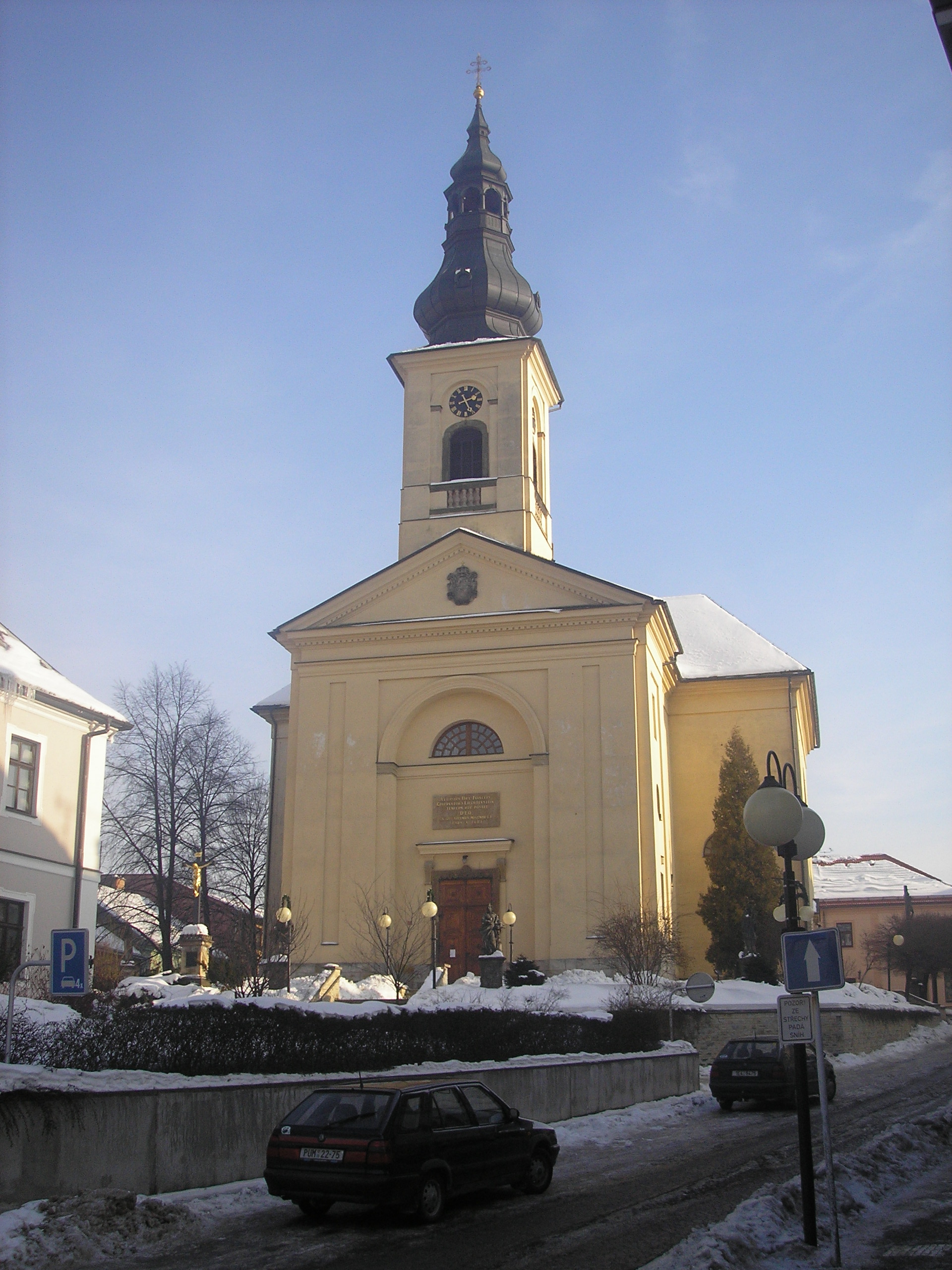
The Church of the Assumption of the Virgin Mary is the main Roman Catholic church of Ústí nad Orlicí, a town in the Pardubice Region of the Czech Republic. This late Baroque-Classicist building rises above the town centre and has been protected as a cultural monument since 1964.
What is the history behind the church?
A place of worship has stood on this spot since the town's earliest days. The first parish church here dates back to 1297, and in the 16th century it was replaced by a new wooden building set on stone foundations. The current stone church wasn't built until the second half of the 18th century, commissioned by the local dean Jan Leopold Mosbender. The design came from builder Jakub Pánek, who worked right at the boundary between Baroque and Classicism — a mix still visible today in the clean, classicist lines combined with a Baroque sense of scale.
The foundation stone was laid on 12 July 1770. The presbytery and dome were finished six years later, in 1776. Two further additions followed: a chapel in 1870 and a sacristy in 1906. Despite being built up in stages, the church has kept a coherent, unified appearance.
What can you see inside?
Much of the interior furnishing dates from the original construction period in the second half of the 18th century, making it a relatively rare example of a largely uniform period interior. The centrepiece is the main altar, featuring a painting of the Coronation of the Virgin Mary by Jan Dallinger, painted in 1776 — the same year the presbytery and dome were completed. It's worth taking a moment to notice how the proportions of the nave and the placement of the altar draw the eye toward the dome above.
How do you get there?
The church stands right in the centre of Ústí nad Orlicí, a town well connected by rail and regional roads to Pardubice and Hradec Králové. Given its central location, the easiest way to reach it is on foot, as part of a walk through the old town. Its approximate coordinates are 49.9746 N, 16.3934 E.
When is the best time to visit?
The building is striking at any time of year, but the interior is best appreciated during the day, when natural light through the windows brings out the detail of the 18th-century decoration. Since it remains an active parish church, it's worth checking local opening hours and the Mass schedule before visiting, as access for sightseeing may be limited to certain times.
Frequently asked questions
Is the church a protected monument? Yes, it has been legally protected as a cultural monument since 1964.
Who designed the current building? Builder Jakub Pánek designed it on commission from dean Jan Leopold Mosbender, in a style bridging Baroque and Classicism.
When was the church built? The foundation stone was laid in 1770, and the presbytery and dome were completed in 1776. A chapel was added in 1870 and a sacristy in 1906.
What is the most notable feature of the interior? The main altar, with its 1776 painting of the Coronation of the Virgin Mary by Jan Dallinger.
Nearby places

Earn badges for the places you visit
Download NextOnTrip, discover new places and check off your trails.