About this place
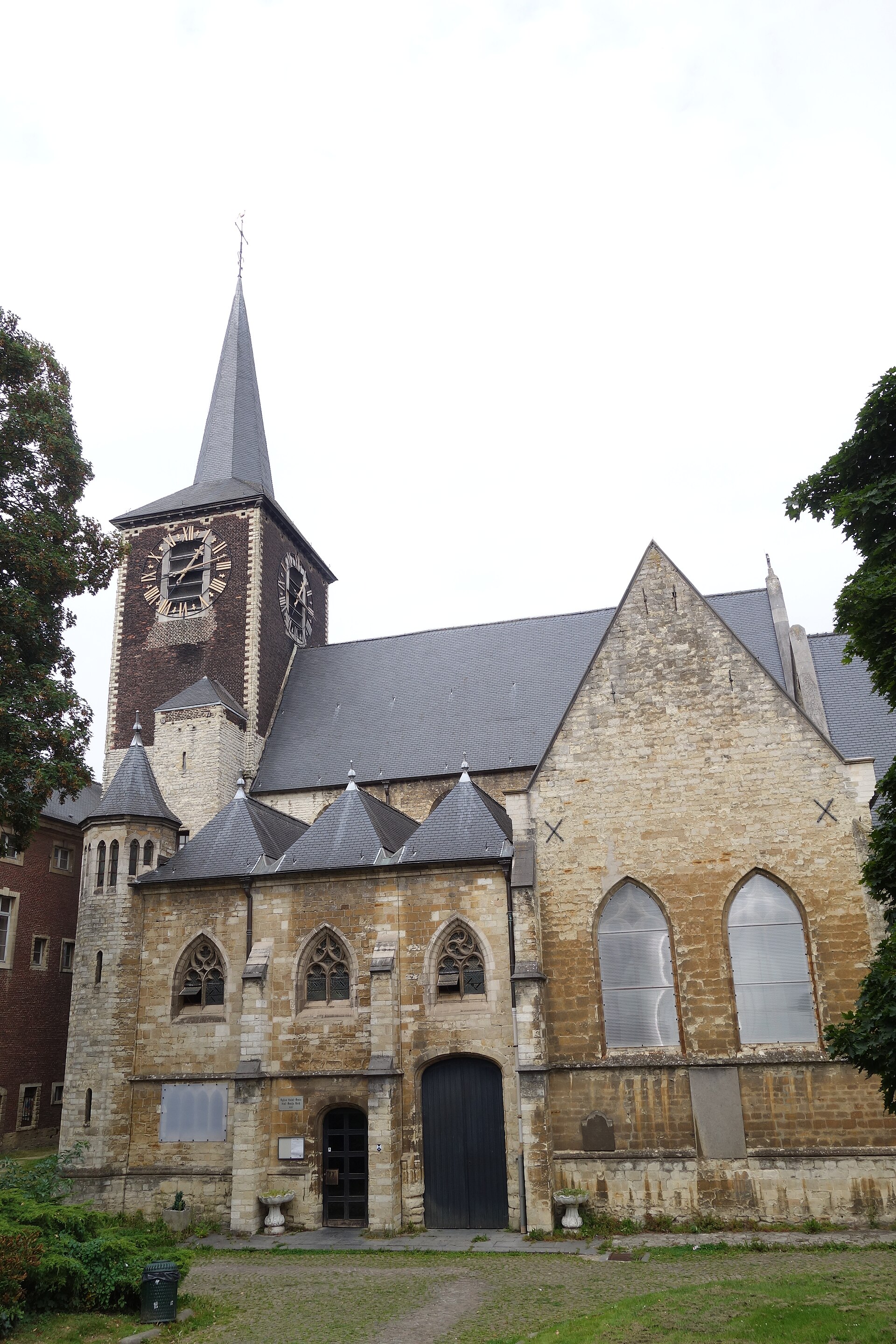
Church of St. Denis stands in Forest (Vorst), a southern municipality of Brussels, and ranks among the oldest religious buildings in the region — its earliest foundations date back to the 12th century, while much of the present structure took shape in the 13th.
How did the settlement and its first church begin?
The first dwellings of Forest grew up along the banks of the Geleysbeek, a tributary of the river Senne, as early as the 7th century, during the Frankish period. One villager who had recently converted to Christianity donated a timber-and-daub house so a place of worship could be created there. That modest sanctuary gradually grew into the religious focal point of the surrounding area.
Who was Saint Alena?
Alongside the growth of the settlement, a cult developed around Saint Alena, said by tradition to be the daughter of a Merovingian king who secretly attended Christian services against her father's wishes. When his men discovered her, she was martyred for it. Her body was buried in Forest, in a chapel bearing her name that adjoins the main church. Devotion to Saint Alena drew pilgrims for centuries and helped shape the site's lasting significance.
How did the church's architecture evolve?
In the 12th century, a Romanesque church was built next to the Chapel of St. Alena. A century later that building was replaced by a new structure in the early Gothic style — it is the choir of this Gothic church that forms the core of today's Church of St. Denis. From 1105 onward, the parish and its ecclesiastical holdings belonged to the abbots of Affligem, to whom the Bishop of Cambrai had ceded the property. It was these abbots who decided to found a women's priory in Forest, and the first abbess was appointed in 1239, tying the church closely to the region's monastic life.
Why is the site protected today?
The historical and artistic value of the church complex was formally recognized in 1936, when the Church of St. Denis, together with the adjoining Chapel of St. Alena, was listed as a historical monument. Together, the two buildings preserve unique examples of Romanesque sculpture — a rare surviving testimony to centuries-old sacred art that has endured through later rebuilding and changing architectural styles.
What should visitors know before exploring the church?
The church sits at the heart of historic Forest, one of the Brussels municipalities with clearly medieval roots. Its structure blends elements from different eras — from Romanesque foundations through a Gothic choir to later additions — making it a compelling example of the architectural layering typical of the oldest churches in the Brussels region.
Frequently asked questions
How old is the Church of St. Denis in Forest? Its earliest foundations go back to the 12th century, and most of the current building dates from the 13th century, when an earlier Romanesque church was rebuilt in Gothic style.
Who was Saint Alena of Forest? According to tradition, she was the daughter of a Merovingian king who secretly practiced Christianity and was martyred for it; her relics rest in the chapel adjoining the church that bears her name.
When was the church recognized as a heritage monument? In 1936, the Church of St. Denis and the adjoining Chapel of St. Alena were listed as historical monuments.
What was the church's connection to Affligem Abbey? From 1105, the parish belonged to the abbots of Affligem, who in 1239 founded a women's priory in Forest, closely linking the church to the region's monastic life.
Nearby places

Earn badges for the places you visit
Download NextOnTrip, discover new places and check off your trails.