About this place
Church of San Pedro de la Fuente is a modest parish church in Burgos, northern Spain, tucked away from the main tourist trail but tied closely to the city's history and to the Camino de Santiago.
How old is this site, and where does its name come from?
A church dedicated to Saint Peter already stood on this spot in the 10th century, making it one of the oldest religious sites in Burgos. Over the centuries the building carried several names: San Pedro Extramuros, reflecting its position outside the old city walls, then San Pedro del Barrio, and finally San Pedro de la Fuente — a reference to a spring that once existed nearby. That last name is the one still used today, both for the parish and the surrounding neighborhood.
A key moment in the site's medieval story dates to 1085, when King Alfonso VI founded the Hospital del Emperador right next to the church. It was the first hospice in Burgos built to shelter pilgrims walking the French Way to Santiago de Compostela. The pairing of church and hospital underlines how central this corner of the city once was to pilgrim care along the route.
What will you actually see today?
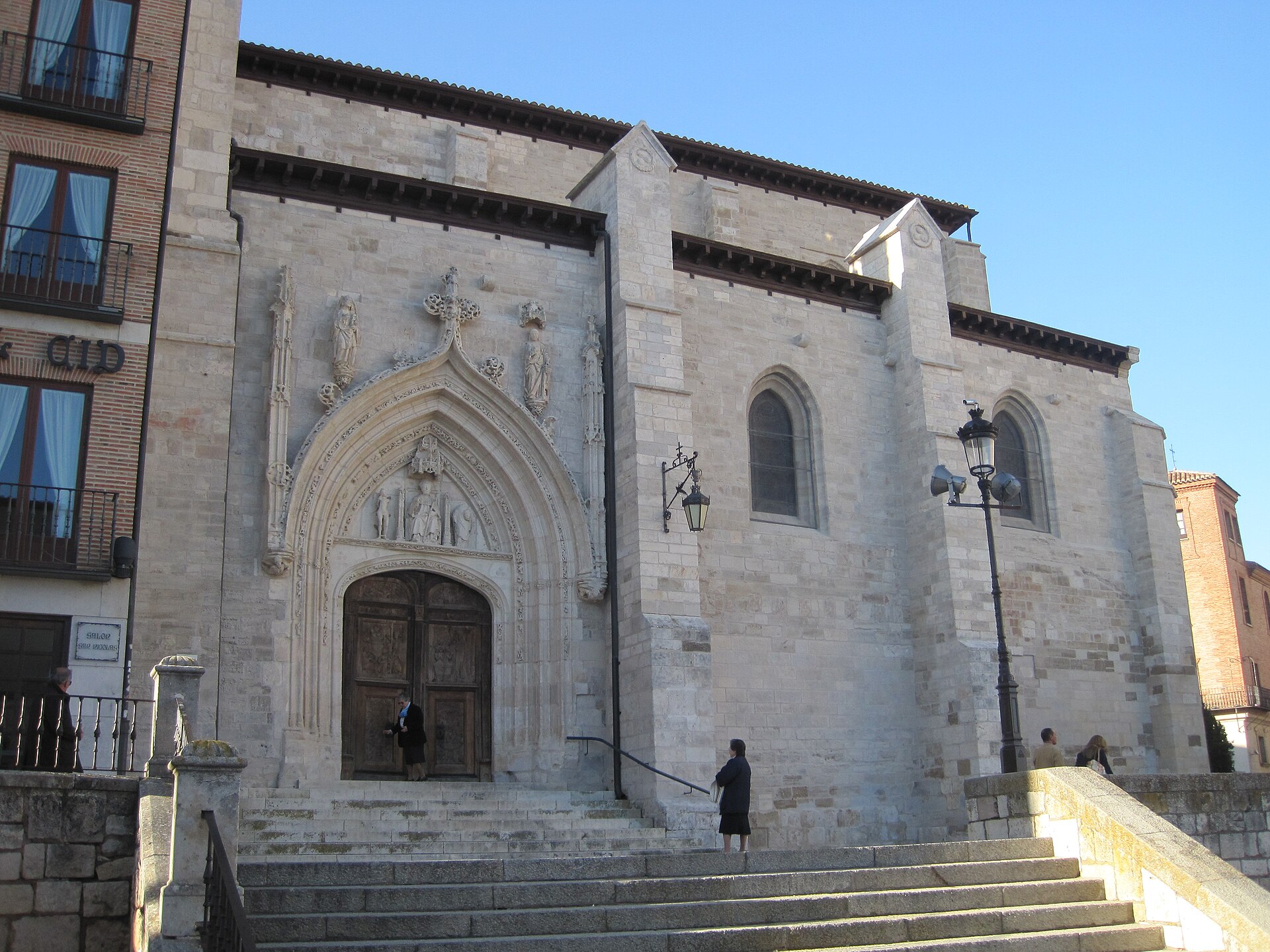
The building standing here now is not the medieval one. A Gothic church raised in the 13th century survived for hundreds of years until French troops destroyed it in 1813, during the Peninsular War (Spain's war of independence against Napoleon). Burgos rebuilt the parish a decade later, in 1823, this time in neoclassical style, to a design by the architect Zunzunegui. That 19th-century structure is what visitors walk past today.
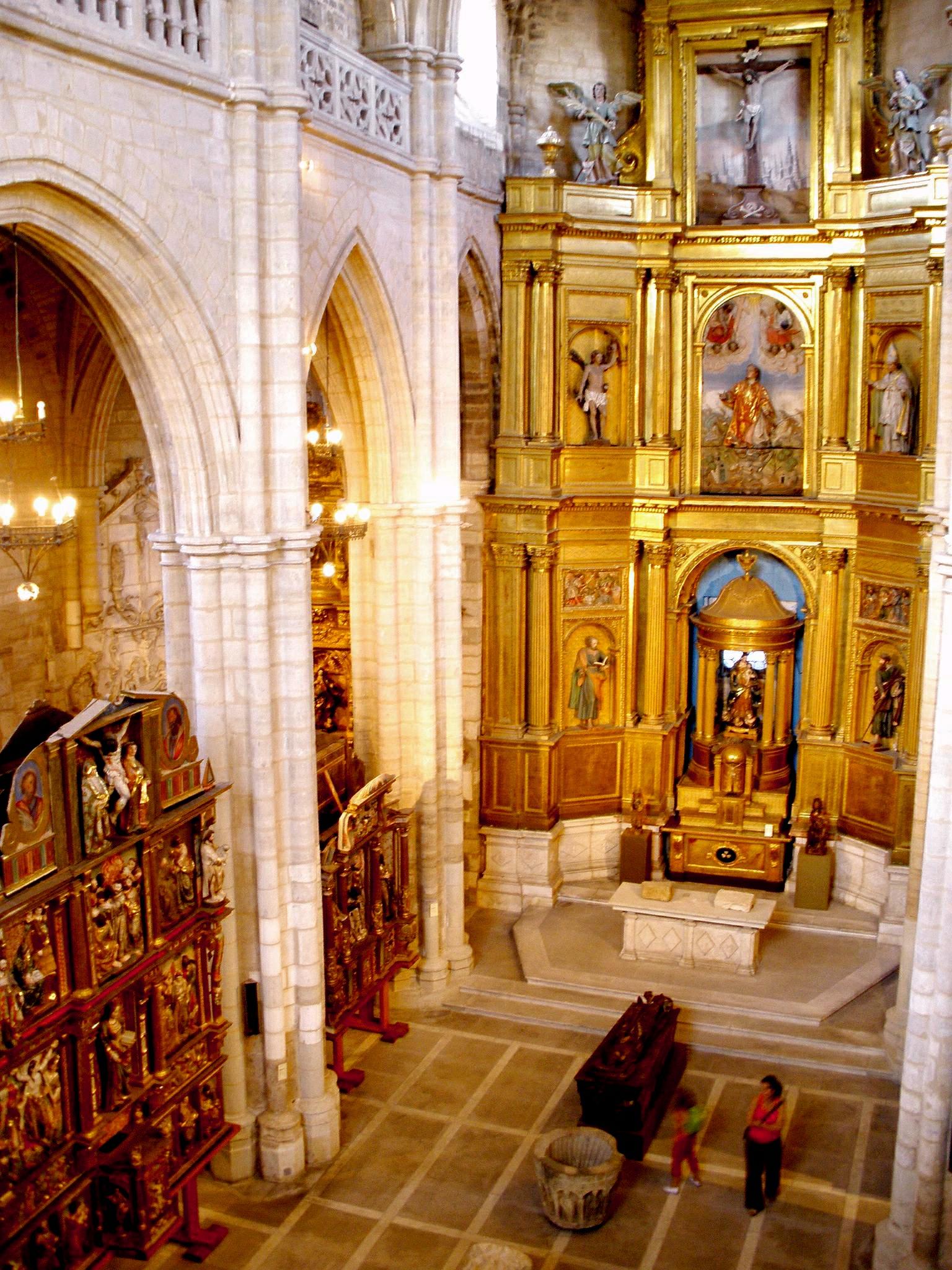
Inside, the church holds an image especially dear to the city: Nuestra Señora de la Blanca, the patron saint of Burgos. The statue was rescued from another church, near the city's castle, after that building was destroyed and looted. For many locals, this image — rather than the architecture itself — is the reason to step inside.
How do you get there, and when's the best time to visit?
The church sits within Burgos, a short distance from the historic center, so it's easy to reach on foot or by local bus if you're staying farther out. Burgos is one of the major stops on the French Way of the Camino de Santiago, so a good number of visitors pass through as part of a pilgrimage, taking the chance to see where one of the city's earliest pilgrim shelters once stood.
It pairs well with the rest of Burgos's religious and historic sights — the cathedral, the Las Huelgas monastery, or the Miraflores Charterhouse — as a quieter, less crowded stop that fills in an earlier chapter of the city's story, from before the Gothic cathedral existed.
Frequently asked questions
Is the Church of San Pedro de la Fuente open to visitors? It's an active parish, so access depends on Mass times and parish hours. It's worth checking current opening times before visiting, especially if seeing the interior matters to you.
Why is it called "de la Fuente"? The name comes from a spring (fuente in Spanish) that once stood near the church. Earlier names referred instead to its location outside the city walls.
What's the most important object inside the church? The image of Nuestra Señora de la Blanca, patron saint of Burgos, saved from a destroyed church near the city castle — it remains the parish's main devotional focus and a piece of local history.
Is the current building medieval? No. The original Gothic church from the 13th century was destroyed by French troops in 1813. The neoclassical building seen today dates from 1823 and was designed by the architect Zunzunegui.
Nearby places

Earn badges for the places you visit
Download NextOnTrip, discover new places and check off your trails.