About this place
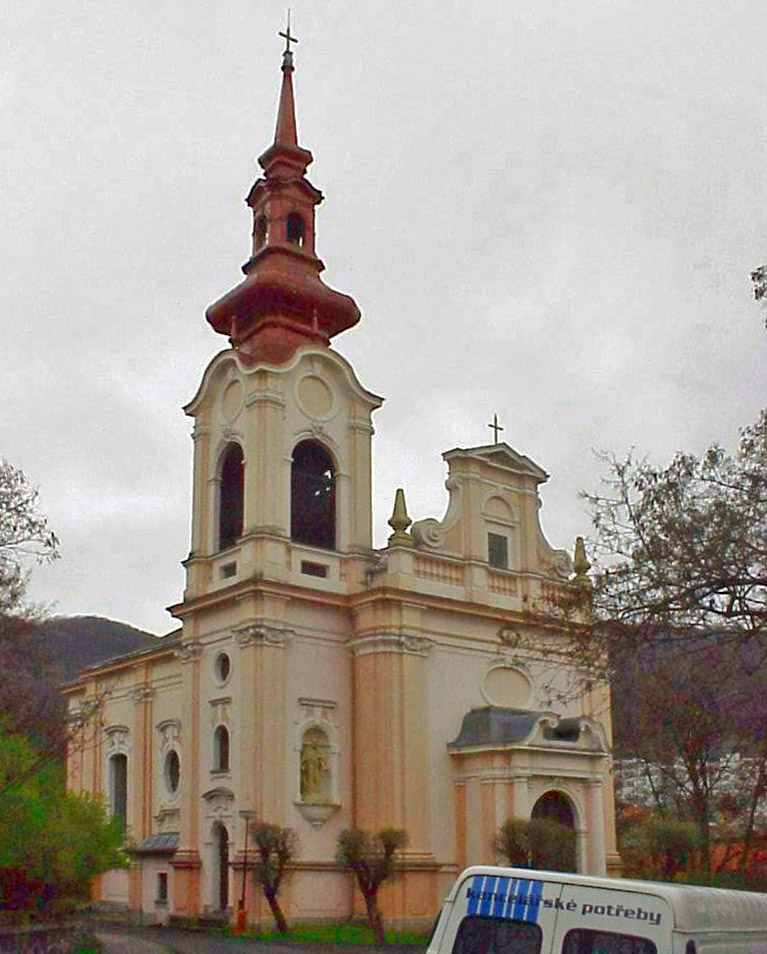
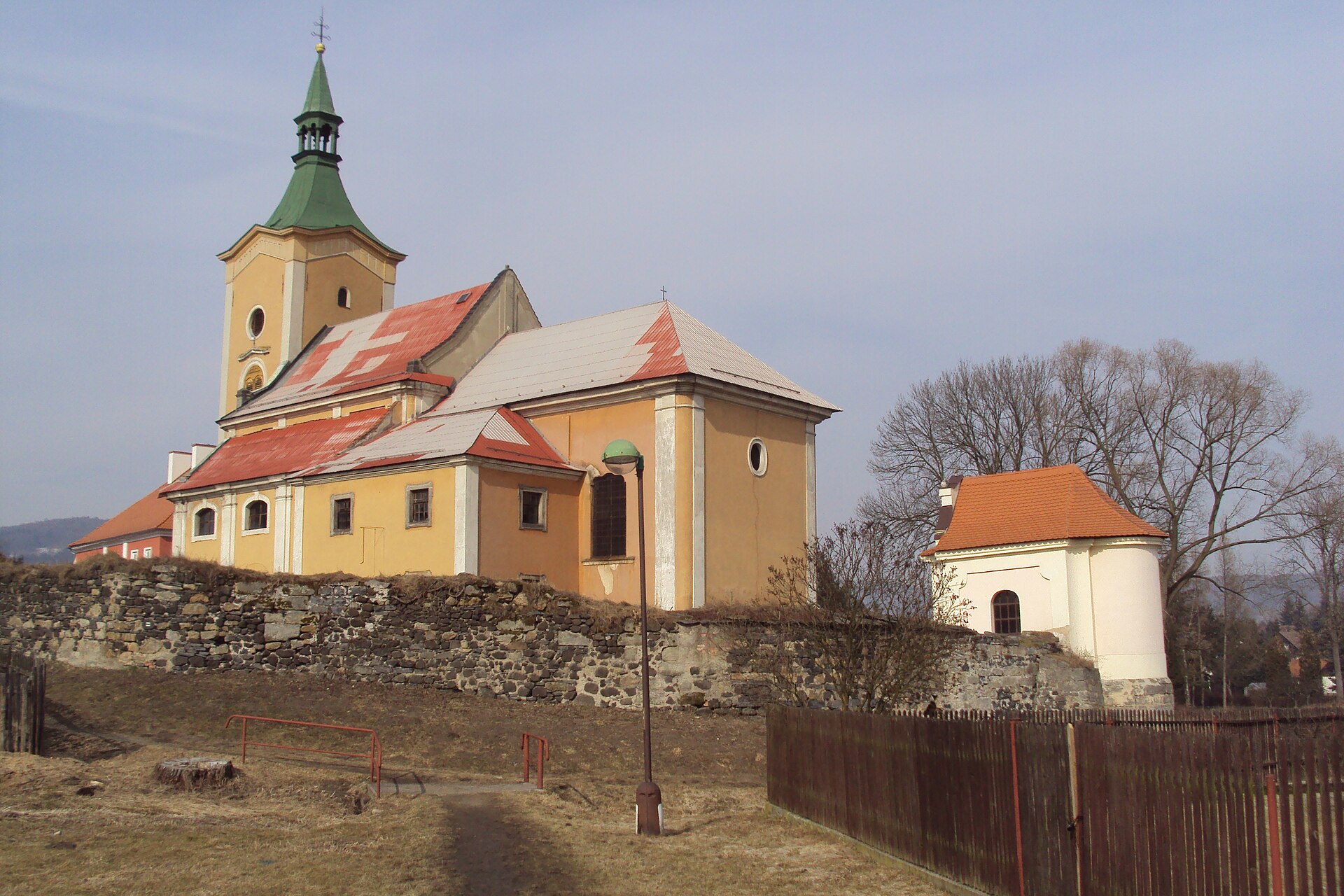
The Church of Saint Mary Magdalene is a Baroque parish church in Zubrnice, a small village about 10 km east of Ústí nad Labem in northern Czechia. The building stands at the heart of the Národní muzeum v přírodě (National Open-Air Museum) and is its most recognizable landmark.
What is the history behind the church?
The church at Zubrnice is first documented in 1352, making it one of the older sacred buildings in the region. Its present Baroque appearance dates from a major reconstruction carried out between 1723 and 1739 by Octavio Broggio, a respected architect and builder of Italian origin who worked extensively across northern Bohemia. Since 1723 the church has had a rectangular nave closed by a three-sided presbytery, with a later prismatic tower added on the north side and topped with a distinctive onion dome. A sacristy sits beside the presbytery, also on the north side.
The building's history has not always been peaceful. In the mid-1970s, after years of standing open and unguarded, the church was vandalized - only fragments of its once-rich interior furnishings survived, and its carved oak pews had already been burned during a Walpurgis Night bonfire in the 1960s. Demolition was even considered at one point, but the church was ultimately saved from destruction. That decision became the starting point for the first stage of building the open-air museum at Zubrnice - the church effectively gave rise to the entire museum that grew up around it. The building has been protected as a cultural monument since 1963.
What can you see on site?
The church's greatest draw is its silhouette: austere Baroque architecture crowned by the north-side tower and onion dome, visible from a distance and dominating the surrounding village. Despite the damage it suffered, the interior layout still lets visitors appreciate the spatial arrangement typical of Baroque village churches in this part of Bohemia - a rectangular nave flowing into a three-sided presbytery. The church is best experienced as part of the wider open-air museum, where a stone sacred landmark rises above the surrounding wooden rural architecture.
How do you get there?
Zubrnice lies roughly 10 km east of Ústí nad Labem, making it an easy day-trip destination from the city. The most useful reference point when planning a visit is the Národní muzeum v přírodě itself, whose grounds include the church and the surrounding village buildings. Since the church is an integral stop on the museum's visitor route, it is worth timing a visit to match the open-air museum's opening hours.
When is the best time to visit?
As an open-air museum site, Zubrnice is best visited in spring, summer, or early autumn, when the weather makes walking the museum grounds and taking in both the church and the accompanying timber buildings most comfortable. Outside the main season, access to the site may be limited, so checking current opening hours before traveling is worthwhile.
Frequently asked questions
Can you visit both the outside and the inside of the church? The church stands within the grounds of the Národní muzeum v přírodě, so access to the interior depends on the museum's opening hours and current visitor program.
Why does the church have such a distinctive tower? The prismatic tower with its onion dome was added on the north side during the Baroque reconstruction led by Octavio Broggio between 1723 and 1739, and it has since become the building's signature feature.
Is the church a protected monument? Yes, it has been protected as a cultural monument since 1963, and its significance grew further after it was saved from planned demolition in the 1970s.
What is the connection between the church and the Zubrnice open-air museum? Saving the church from destruction was the impulse that led to the creation of the National Open-Air Museum - the church remains its central and most recognizable building today.
Nearby places

Earn badges for the places you visit
Download NextOnTrip, discover new places and check off your trails.