About this place
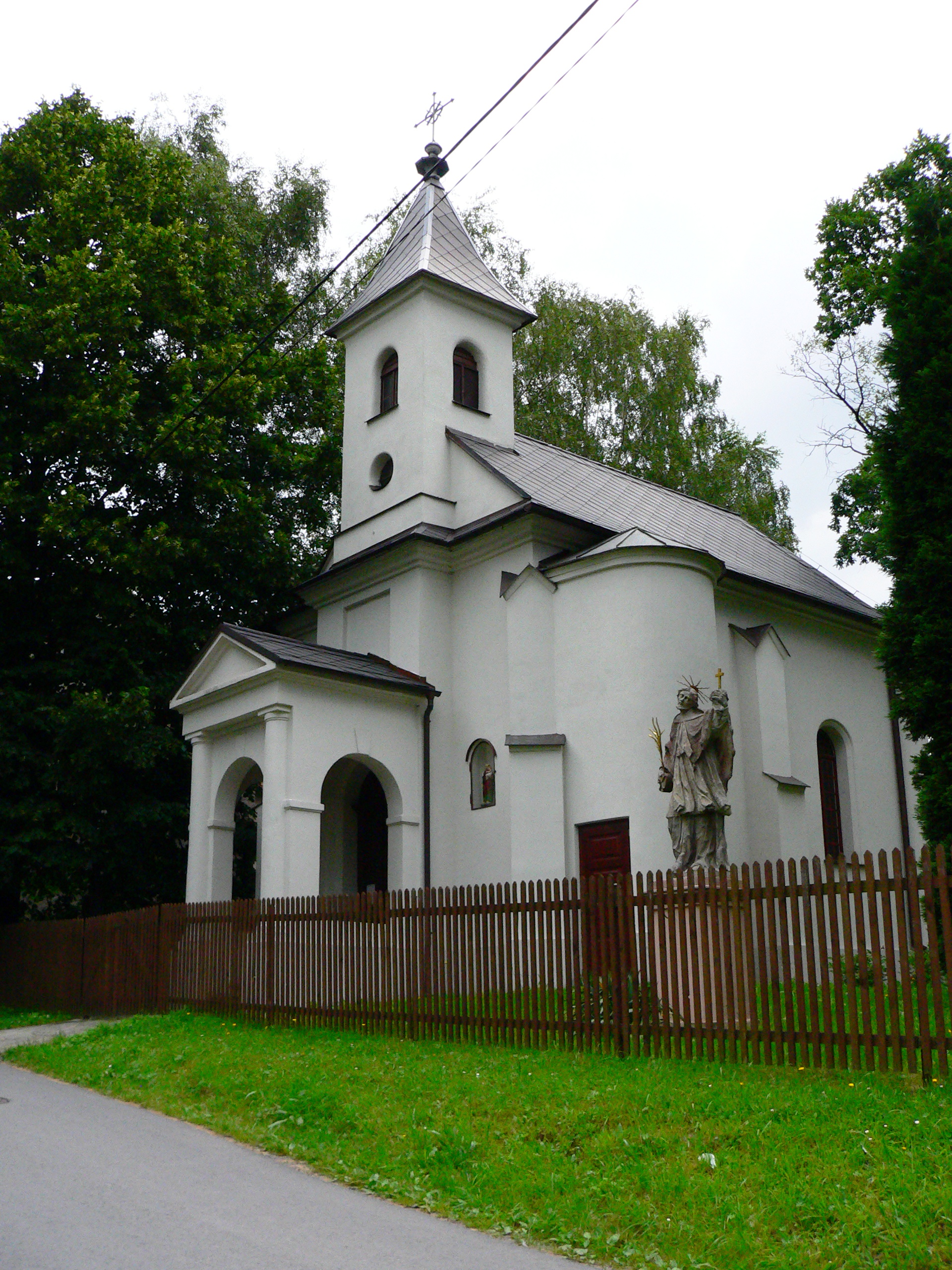
The Church of Saint Mark is a small church with an unusually turbulent history, located in the historic Fryštát district of Karviná, in Czech Silesia. Today it functions as a filial church of the Karviná parish, but its origins go back to the Reformation and the religious conflicts that shaped this region for centuries.
How did this church come to exist?
The story begins in the second half of the 16th century, as the Reformation gained ground across Cieszyn Silesia. Duke Fridrich Kazimierz of Cieszyn, himself a Protestant, invited the Lutheran pastor Jakub Preiss from Brzeg to Fryštát in 1568. The following year, in 1569, a wooden Protestant church was built near the town walls. It stood on a newly established cemetery and mainly hosted funeral services — which is why it became known locally as the "Funeral Church."
Why did the church change hands?
The Thirty Years' War reshaped the church's fate. In 1627, the Renewed Land Ordinance declared Catholicism the only permitted faith across Habsburg territories. As a result, in 1628 all non-Catholic churches in Cieszyn Silesia were shut down, including the Fryštát funeral church. The wooden building passed into Catholic hands, and its condition steadily worsened until it was finally demolished in 1773.
When was the current building constructed?
A new stone church was built on the same site the very next year, in 1774. Its history remained far from peaceful, though. In 1781, a fire seriously damaged the structure, weakening its foundations. Just five years later, in 1786, an earthquake left deep cracks in the walls. Another fire struck the church in 1823. In response to this string of disasters, a thorough classicist reconstruction took place between 1823 and 1826, funded and overseen by builder Vavřinec Müller. It was during this rebuild that the tower gained its current, heightened form, topped with an onion-shaped dome.
What can visitors see inside and around the church?
The interior holds an altar and a painting of Saint John in the Wilderness, donated by Count Heinrich Larisch-Mönnich. There is also an organ, and among the furnishings a notable 1863 painting of Saint Mark by Gabriel Preisse — a descendant of the same family as the town's first Lutheran pastor. In front of the church stands a stone cross from 1879, which replaced an earlier wooden one, along with a statue of Saint Florian from 1898. The statue was relocated here from a nearby crossroads and restored between 2000 and 2014. The building itself underwent a major renovation in 1996–1997.
Is the Church of Saint Mark worth visiting in Karviná?
The church is freely open to visitors and makes an interesting stop for anyone curious about the religious history of Cieszyn Silesia. It is a rare example of a building that moved from a Protestant cemetery chapel, through war damage and natural disasters, to its present classicist form. When exploring Fryštát, it is worth pairing a visit here with the main parish church, the Exaltation of the Holy Cross — together they tell a fuller story of the town's religious transformations.
FAQ
Where is the Church of Saint Mark located? In the historic Fryštát district of Karviná, within the Karviná District of the Moravian-Silesian Region in the Czech Republic.
When was the current church building constructed? The standing stone church was built in 1774, on the site of an earlier wooden Protestant church from 1569.
Why was the church once called the Funeral Church? Because the original wooden church stood in a cemetery and was mainly used for funeral services.
Can the church be visited? Yes, it is freely accessible to visitors.
What architectural style does the church represent? Its present form, shaped by the 1823–1826 reconstruction, is classicist, marked by a tower topped with an onion-shaped dome.
Nearby places

Earn badges for the places you visit
Download NextOnTrip, discover new places and check off your trails.