About this place
Church of Saint John the Baptist in Byšice
Tucked away in Byšice, a village north of Prague, stands a small baroque cemetery church that most passing travelers would never notice — yet it's a fully preserved late-17th-century sacred building, officially protected as a cultural monument. For anyone driving through central Bohemia, it's a worthwhile short stop: the church sits in a quiet setting away from crowds, offering a genuine taste of provincial baroque architecture without the tourist traffic that surrounds better-known monuments.
When was the church in Byšice built?
The building was constructed between 1690 and 1693, right when baroque style had firmly taken hold in Czech religious architecture. In the first half of the 18th century, the façade was reworked, giving it the appearance visitors see today. Since 1966, the church has held official status as a protected cultural monument, a recognition of its historical and architectural value.
What does the church look like from the outside?
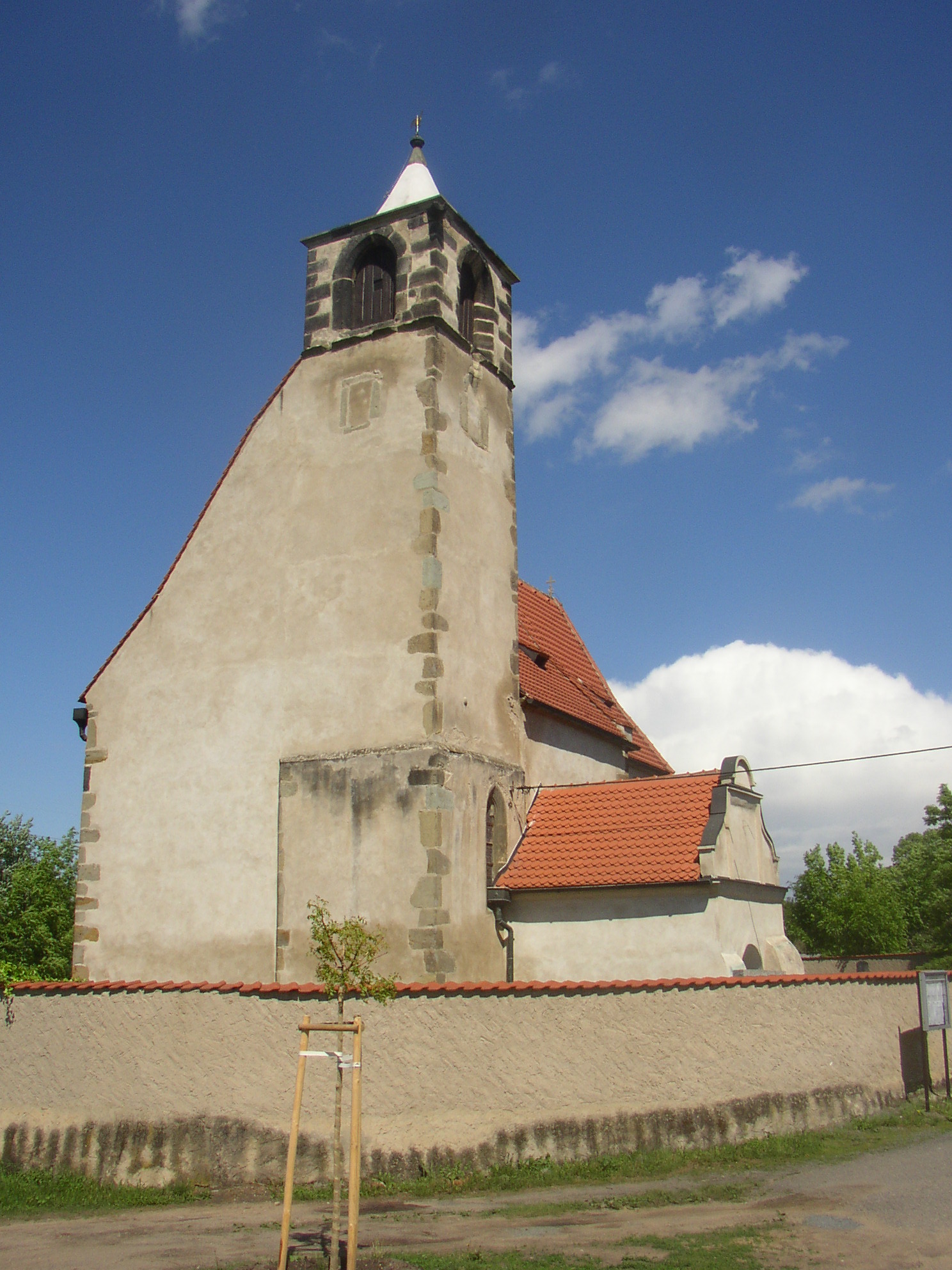
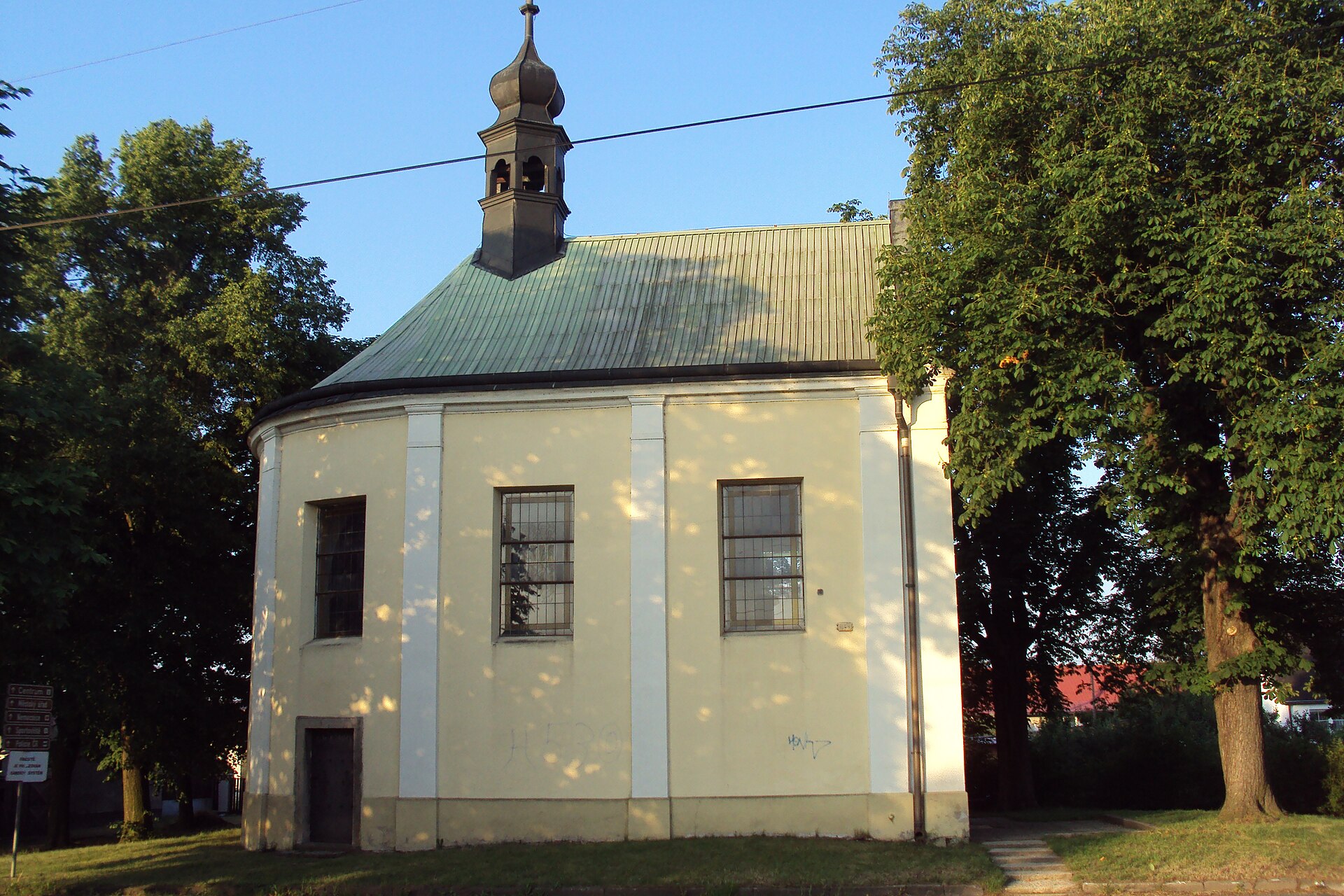
The structure is a single-nave, rectangular building, closed on the east side by a three-sided rectangular presbytery. A rectangular sacristy is attached along the main axis — a common arrangement for smaller rural churches of this period. This straightforward layout, without side aisles or elaborate additions, is typical of more modest baroque projects built outside major cities, where durability and function mattered more than grand scale.
What can be seen inside?
The interior holds several notable features. The main altar, dated to around 1700, is built in a frame form decorated with acanthus motifs — the stylized leaf ornamentation common in baroque altar carving. At its center is a painting depicting the church's patron, Saint John the Baptist. The pulpit dates from the end of the 17th century, making it nearly as old as the building itself. Other furnishings include a statue of Saint Wenceslas from the mid-18th century and a baroque Pietà from the late 17th century — a depiction of the Virgin Mary holding the body of Christ, a classic motif in sacred art of the era.
Is this a parish church?
The church in Byšice functions as a filial church and stands within the grounds of a cemetery — a common pattern in the Czech Republic, where a small village church primarily serves funeral rites and occasional services rather than regular parish life. This role explains the building's modest yet coherent architecture: it was built for a specific, limited purpose rather than for regional prominence.
Who is this place for?
It's a stop for travelers interested in sacred architecture, local history of central Bohemia, and quieter destinations off the main tourist routes. The cemetery setting combined with the baroque form of the church creates an intimate, reflective atmosphere appreciated by those interested in architectural photography and regional heritage.
Frequently asked questions
When does the church in Byšice date from? It was built between 1690 and 1693 in baroque style, with the façade reworked in the first half of the 18th century.
Is the church a protected monument? Yes, it has been listed as a protected cultural monument since 1966.
What is worth seeing inside? The main altar from around 1700 with a painting of Saint John the Baptist, a pulpit from the late 17th century, a statue of Saint Wenceslas from the mid-18th century, and a baroque Pietà.
Is it a parish or filial church? It is a filial church, located within the cemetery grounds in Byšice.
Nearby places

Earn badges for the places you visit
Download NextOnTrip, discover new places and check off your trails.