About this place
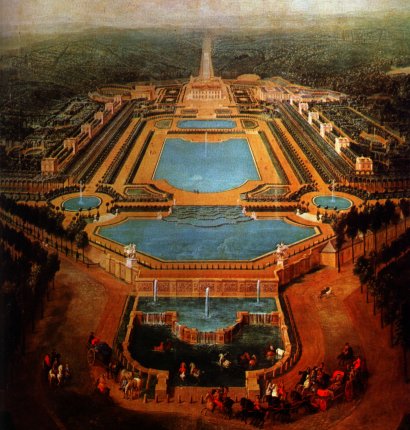
Château de Marly was a French royal residence, and although the palace itself no longer stands, the grounds it once occupied survive as a park in Marly-le-Roi, a town on the northern edge of the former royal park, just west of the palace and garden complex at Versailles.
What happened to the palace?
Marly-le-Roi owes both its name and its origins to the royal residence: the town grew up specifically to serve the château and its court. After the monarchy fell, the estate passed into private hands, and the palace buildings were put to industrial use, including a stint as a factory. That change of use, combined with the building's condition, sealed its fate — the château was demolished in 1806. No trace of the original structure remains on site today; what survives is the land the residence once stood on.
What can you actually see there today?
Since the palace itself is gone, the main draw for visitors is the park that now covers the former residence's grounds. It's a broad green space on the outskirts of Marly-le-Roi, historically linked to the landscape that extended toward Versailles. Walking through it gives a sense of the scale of the original royal gardens, even though the palace architecture that once anchored them disappeared more than two centuries ago.
How do you get to Marly-le-Roi?
Marly-le-Roi sits in the greater Paris area, west of Versailles, and today functions mainly as a commuter town — many residents travel into Paris for work. Its proximity to Versailles makes it easy to combine a stop here with a visit to the Palace of Versailles as part of a single day exploring the region west of the capital.
When is the best time to visit?
Because the site today is essentially open parkland rather than an indoor palace to tour, the warmer months are the most rewarding time to visit, when the park's greenery is at its fullest and walking the grounds is most comfortable. Given how close Marly-le-Roi sits to Versailles, it's worth timing a visit outside the busiest tourist season there, since crowds at the palace often spill over into the surrounding area.
Frequently asked questions
Can you still visit the Château de Marly palace itself? No — the palace building was demolished in 1806, after it had passed into private ownership and been used as a factory. A park now occupies the site.
Where exactly did the palace stand? On land that is now part of Marly-le-Roi, a town on the northern edge of the former royal park, west of the Palace of Versailles.
Is it worth pairing a visit with Versailles? Yes — the two sites are close enough geographically that a single day can easily cover Versailles and the grounds of the former Marly residence.
Is Marly-le-Roi primarily a tourist destination? Not really — today it functions mainly as a commuter town for people working in Paris, and its tourist interest centers on the history and parkland of the former royal residence.
Nearby places

Earn badges for the places you visit
Download NextOnTrip, discover new places and check off your trails.