About this place
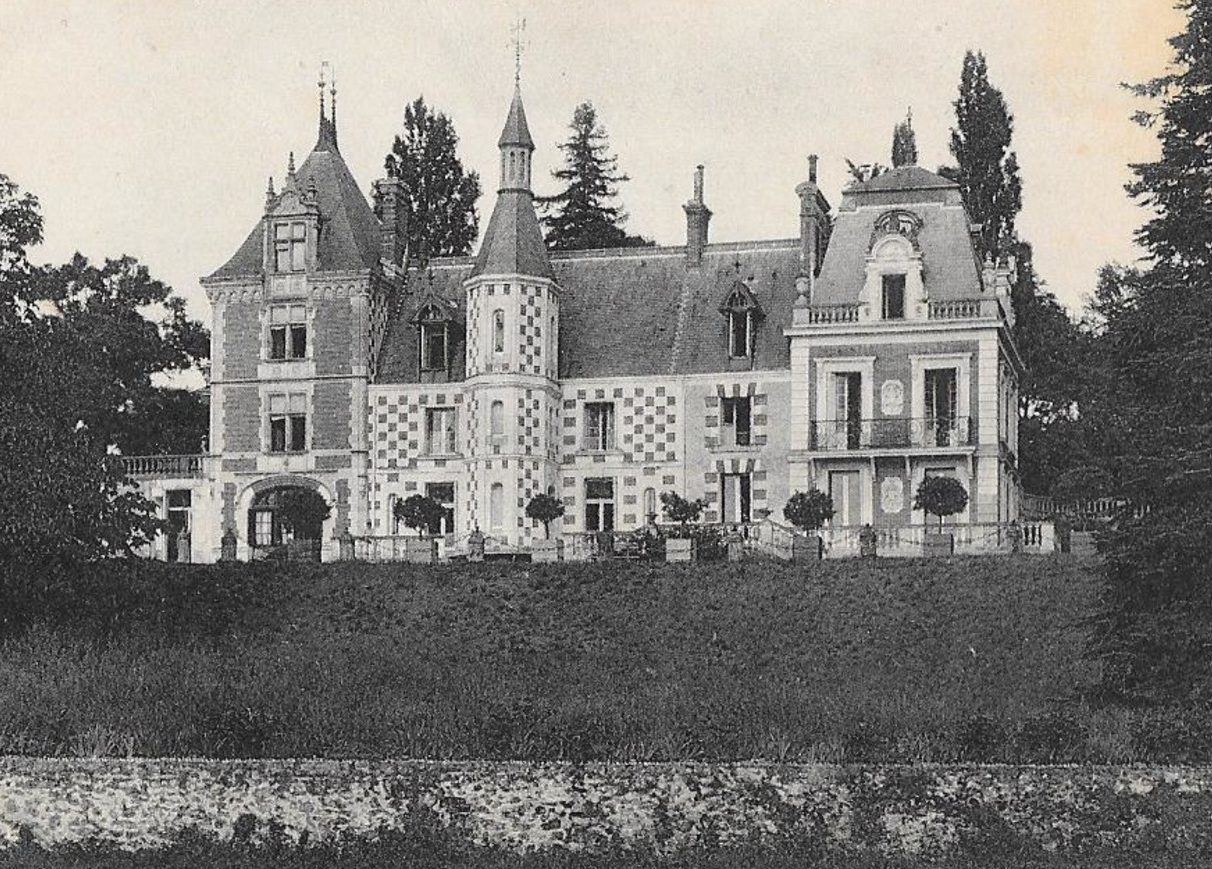
Château de Jallanges is a Renaissance castle set among the vineyards of Vouvray, in the commune of Vernou-sur-Brenne in Indre-et-Loire, right at the heart of the Loire Valley. Still a private home to the family who owns it, the château has welcomed visitors since 1984.
How do you get there?
Jallanges sits in the middle of the Vouvray wine-growing area, between Tours and Vouvray, a short drive from the banks of the Loire. It makes a convenient stop for travelers touring the Loire Valley châteaux who also want to fit in a wine tasting, since the surrounding slopes produce some of the region's best-known white wines.
What's the history behind it?
The current building stands on the foundations of an 11th-century stronghold that once belonged to one of the fifty knight-bannerets, an armed guard created by King Philip Augustus. The château as it stands today was built in 1465 by treasurers of King Louis XI, who made Jallanges their residence. In 1631 the estate was elevated to the status of a castellany.
Over the following centuries, ownership passed through several influential families, including the Lefebvre de La Faluère in the 17th and 18th centuries. In 1798, after the French Revolution, the château was sold off as national property. The 20th century was less kind to Jallanges, which fell into a state of neglect until 1984, when the Ferry-Balin family bought it and began the restoration and promotion work that continues today.
What will you see inside?
Jallanges mixes brick with tuffeau stone, a combination that became a mark of refinement during the Renaissance, drawing inspiration from Venetian architecture. The visit takes you through a sequence of connected rooms, including the Chambre Gaudin, dedicated to a favorite of King Francis I, and the Le Banneret gallery, decorated with trompe-l'œil frescoes depicting the Loire and its gardens. A 17th-century chapel, added during a later phase of the estate's development, is also part of the tour.
The château has been listed as a French historic monument since June 22, 1946.
What about the gardens?
The visit continues into the French-style gardens, which carry the "Jardin Remarquable" label, a national distinction awarded to France's most outstanding gardens. Expect roses, fountains, and a park planted with centuries-old trees, laid out in the classic symmetrical style of French garden design.
When should you visit?
Late summer and early autumn are a good time to combine a château visit with the grape harvest in the neighboring Vouvray vineyards and a tasting of the local white wines. Jallanges also hosts events and offers on-site accommodation, which makes it a reasonable base for a longer stay in the area rather than just a quick stop.
Frequently Asked Questions
Is Château de Jallanges still lived in? Yes, it's a private residence occupied by the owning family — visitors tour the reception rooms and the gardens rather than the whole house.
Who built the château? The current building was constructed in 1465 by treasurers of King Louis XI, on the site of an earlier medieval stronghold.
What makes the gardens special? The French gardens hold the "Jardin Remarquable" label and are known for their roses, fountains, and a park of century-old trees.
Can you taste wine nearby? Yes — the château sits right in the middle of the Vouvray appellation, one of the best-regarded white wine areas of the Loire Valley.
Nearby places

Earn badges for the places you visit
Download NextOnTrip, discover new places and check off your trails.