About this place
The Pagoda of Chanteloup is the striking survivor of one of the most ambitious château-and-garden estates ever built in 18th-century France, standing just outside Amboise in the heart of the Loire Valley.
What exactly is this place?
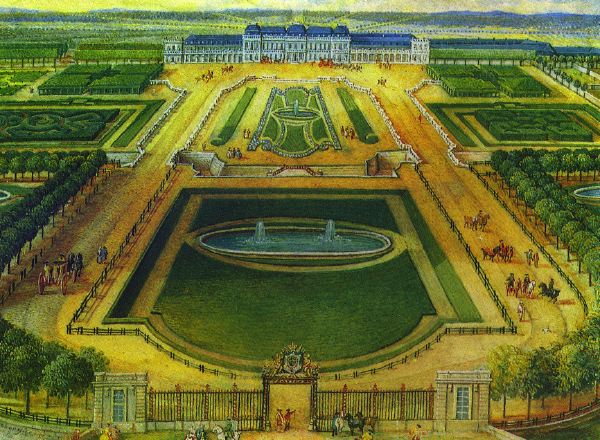
Only a single structure remains on the grounds today: a slender, seven-story pagoda rising above the treetops. Centuries ago, though, the same site held the vast Chanteloup estate, built on the south bank of the Loire a short distance from the royal château of Amboise. The residence and its landscaped gardens impressed visitors so much that some contemporaries ranked them alongside Versailles. From 1761 to 1785 the estate belonged to the Duke of Choiseul, Louis XV's powerful prime minister, who spent two decades expanding the property into its final, monumental form.
The main château and the pagoda ended up with very different fates. In 1823 the château itself was almost entirely torn down, its materials dispersed elsewhere, and only scattered fragments of the park survived. Among them, the pagoda stands out as the one genuinely grand structure to make it through — and it's the reason travelers still stop here today, making it one of the more distinctive, if lesser-known, sights near Amboise.
How do you get to the Pagoda of Chanteloup?
The pagoda sits south of Amboise, on the opposite bank of the river from the well-known royal château, only a short distance from the town center. That makes it easy to pair with a day spent exploring Amboise itself — by car the drive takes just a few minutes, and the flat terrain of the Loire Valley also makes it a popular stop for cyclists following the Loire à Vélo route. Travelers without a car can typically arrange a taxi or local transport from Amboise, which serves as the main base for visiting this part of the region.
What will you see once you're there?
The centerpiece of any visit is the pagoda itself: a tower built from seven progressively smaller tiers, topped by a viewing terrace. An interior staircase leads all the way up, opening onto sweeping views over the surrounding forests, fields, and the Loire winding in the distance. For many visitors, that view — rather than the architecture alone — is the real highlight, since from the top you can trace the scale of the vanished gardens in the pattern of pathways and greenery still visible below.
Beyond the tower, the grounds preserve fragments of the original park, with walking paths threading through wooded sections. It's a good spot for an unhurried stroll, away from the crowds that tend to gather around Amboise's royal château and Clos Lucé.
When is the best time to visit?
Spring and early summer are the most rewarding seasons, when the greenery around the tower is at its fullest and the views from the terrace are clearest. In summer, climbing the interior staircase can get warm, so a morning visit is worth planning for. Autumn brings its own reward: the surrounding forest turns warm shades of gold and red, a striking sight from the terrace and a bonus for anyone traveling with a camera.
Frequently asked questions
Is the pagoda the only thing left of the original château? Yes. The main château building was demolished in 1823 and no longer exists. The pagoda is the most substantial structure to survive from the original estate.
How long does a visit take? Including the climb to the viewing terrace and a short walk through the park, most visits last between 45 minutes and an hour and a half.
Can this be combined with a visit to Amboise? Easily. The site is only a few kilometers from town, so both can comfortably fit into a single day.
Who is this attraction best suited for? Travelers interested in 18th-century French history and garden architecture, and anyone looking for a quieter alternative to the busier châteaux of the Loire Valley.
Nearby places

Earn badges for the places you visit
Download NextOnTrip, discover new places and check off your trails.