About this place
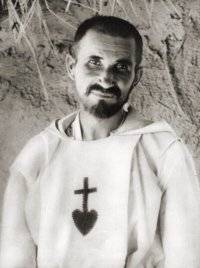
The Charles de Foucauld hermitage site in Bani Abbès marks the place where a French monk and hermit first settled at the edge of the Sahara among the Tuareg people, at the turn of the 20th century. It was here, in a small oasis along the Saoura wadi, that his solitary religious life on Algerian soil began, before he moved further south to Tamanrasset, where he died in 1916.
Who was Charles de Foucauld?
Charles de Foucauld was born into an aristocratic family and spent the early part of his life as a soldier, serving in campaigns across North Africa. A growing fascination with the desert and its people, followed by a profound religious conversion, led him to join the Trappist order. He later left monastic life behind for an even stricter, solitary existence as a hermit-priest, choosing to live among the Tuareg and learn their language and customs. His first hermitage on Saharan Algerian ground rose here, in Bani Abbès.
Why Bani Abbès?
Bani Abbès sat along a caravan route and was one of the few permanent settlements in this stretch of the Sahara, making it a practical base for a contemplative life close to local people yet still within reach of the French colonial administration. Foucauld wanted to live in poverty and prayer while remaining open to contact with the oasis community — both Muslim residents and the small number of Christians passing through the region.
What happened to him afterward?
After his years in Bani Abbès and further travels deeper into the Sahara, Foucauld eventually settled in the Hoggar mountains, in Tamanrasset, where he continued his hermitic mission and studied Tuareg language and culture. He was killed there in 1916, murdered during a raid amid the unrest of the First World War. His writings and way of life went on to inspire several later religious communities, including the Little Brothers and Little Sisters of Jesus. In 2022, the Catholic Church declared him a saint.
What should visitors know about this place?
Bani Abbès remains a reference point today for anyone interested in Foucauld's story and spirituality — it is where his Saharan journey began, before he became better known as the hermit of Tamanrasset. It's worth keeping in mind that this is primarily a site of historical and spiritual significance rather than a conventional tourist attraction with built-up infrastructure; visitors should approach it with the respect due to a place tied to religious life and the oasis's local history.
Frequently Asked Questions
Who was Charles de Foucauld, and why does he matter to Bani Abbès? He was a French monk and hermit who chose Bani Abbès as the first stop in the Saharan chapter of his religious life, before relocating to Tamanrasset, where he died in 1916.
Was Foucauld canonized as a saint? Yes — the Catholic Church canonized him in 2022, following decades of recognition of his life and writings as a model of holiness.
Is Bani Abbès a major pilgrimage destination? It is primarily a historical waypoint in his life story — less prominent than Tamanrasset, but significant as the place where his Saharan hermitic path began.
How are the Little Brothers and Little Sisters of Jesus connected to this place? These religious communities were founded after Foucauld's death, drawing inspiration from his writings and his way of living close to the poor and to local communities — a practice that took root during his time in Bani Abbès.
Earn badges for the places you visit
Download NextOnTrip, discover new places and check off your trails.