About this place
The Cemetery of San Lorenzo de El Escorial is a small yet atmospheric municipal burial ground on the outskirts of San Lorenzo de El Escorial, surrounded by open meadows at the foot of the Sierra de Guadarrama. It rarely appears on typical sightseeing lists, but for travelers interested in local history, funerary architecture, or simply a quiet spot with mountain views, it offers an unexpected detour — especially for those already heading to the famous El Escorial monastery-palace nearby, with which the cemetery shares only a location, not an administrative link.
How the cemetery came to be
The oldest surviving graves date to around 1887, suggesting the cemetery in its current form began operating around that time, likely replacing smaller, earlier burial grounds tied to the parish church. Since then, the site has been expanded gradually, which explains its irregular layout: today it is made up of five separate courtyards, added over different periods as the town's population grew.
Layout and architecture
What stands out here is the lack of symmetry. Rather than a single, unified plan, the cemetery reads as a patchwork of sections added over time — itself a quiet record of the town's growth. The grounds are enclosed by a stone wall, with a double-leaf metal gate marking the entrance. Vegetation is sparse, limited mainly to two cypress trees and a handful of conifers, giving the place a rustic but well-kept character. A central path organizes the space and guides visitors through the successive courtyards.
The oldest graves lie under the porches of a small chapel (hermitage) on the grounds — here, the earliest residents of the town rest in ground burials rather than the wall niches more typical of later Spanish cemeteries. Niche burials, more common in modern Spanish cemetery design, are concentrated in a separate section of the site.
Traces of history in stone
The cemetery underwent at least one significant renovation: starting in the 1950s, older and simpler grave markers began to be replaced with granite and stone, following the funerary fashion of the era. As a result, little remains of the original 19th-century grave styles. One notable exception is the considerable amount of surviving ironwork, particularly in the second courtyard — a detail worth noting, since much of this kind of decorative ironwork in Spanish cemeteries was lost or requisitioned during the Civil War, making the surviving pieces a small but valuable historical record.
Why visit
This is a place for travelers who appreciate quiet, lesser-known corners rather than crowded landmarks. The views over the surrounding meadows and the Guadarrama mountains, the understated architecture, and the layered history visible in the cemetery's gradual expansion create an atmosphere quite different from the monumental, tourist-heavy center of town. It's a worthwhile stop for anyone curious about local community history and funerary art.
Frequently asked questions
Is the cemetery open to visitors? As an active municipal cemetery, the grounds are publicly accessible during standard opening hours, similar to other communal cemeteries in Spain.
Is this the same site as the royal crypt at the El Escorial monastery? No — they are separate places. The royal crypt (Panteón de los Reyes) is located within the monastery itself and serves a different historical function, unrelated to the town's parish cemetery.
How old is the oldest part of the cemetery? The earliest graves found on site date to approximately 1887.
Nearby places
-
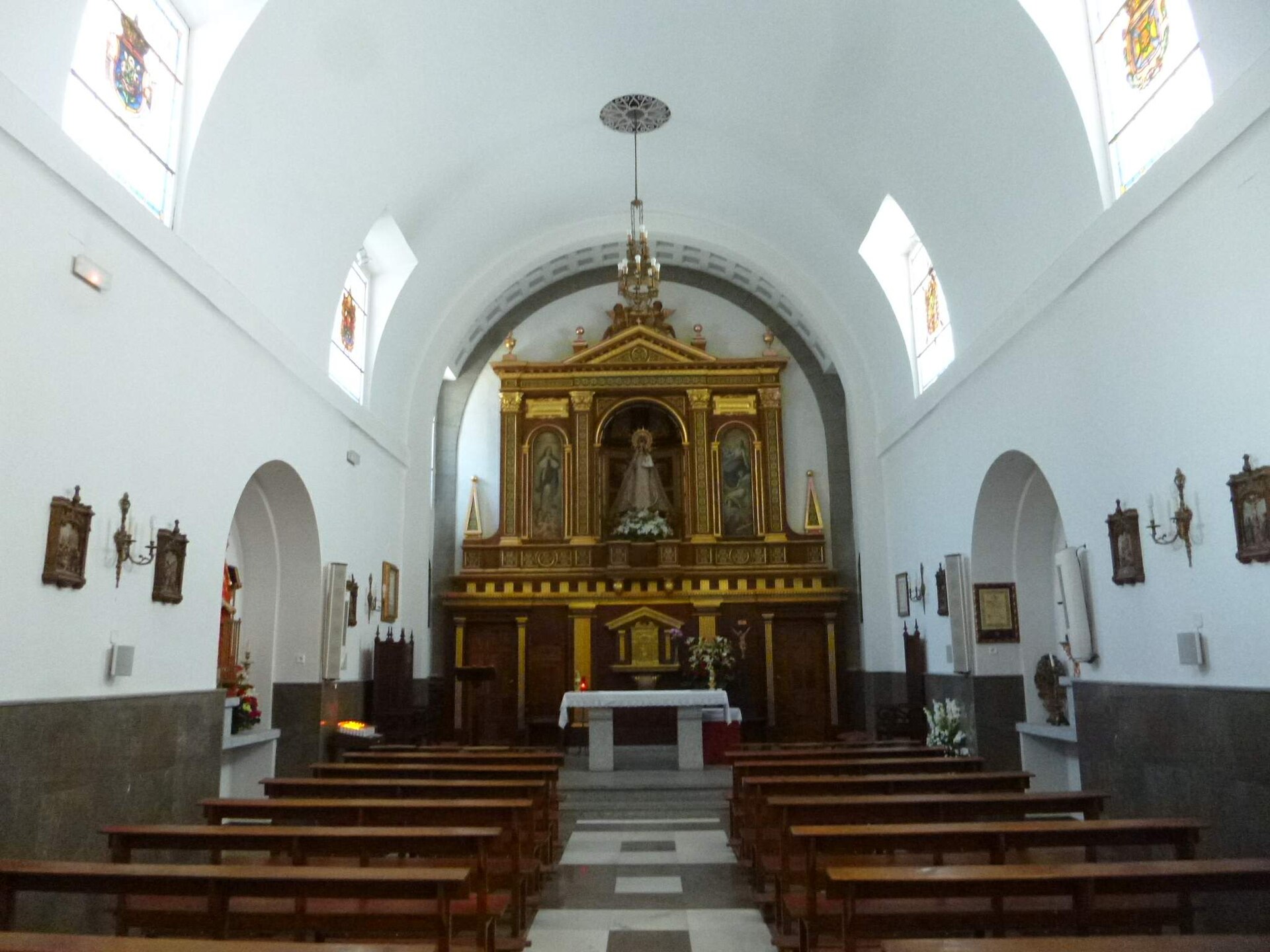
Sanctuary of Nuestra Señora de Gracia, San Lorenzo de El Escorial
San Lorenzo de El Escorial
-
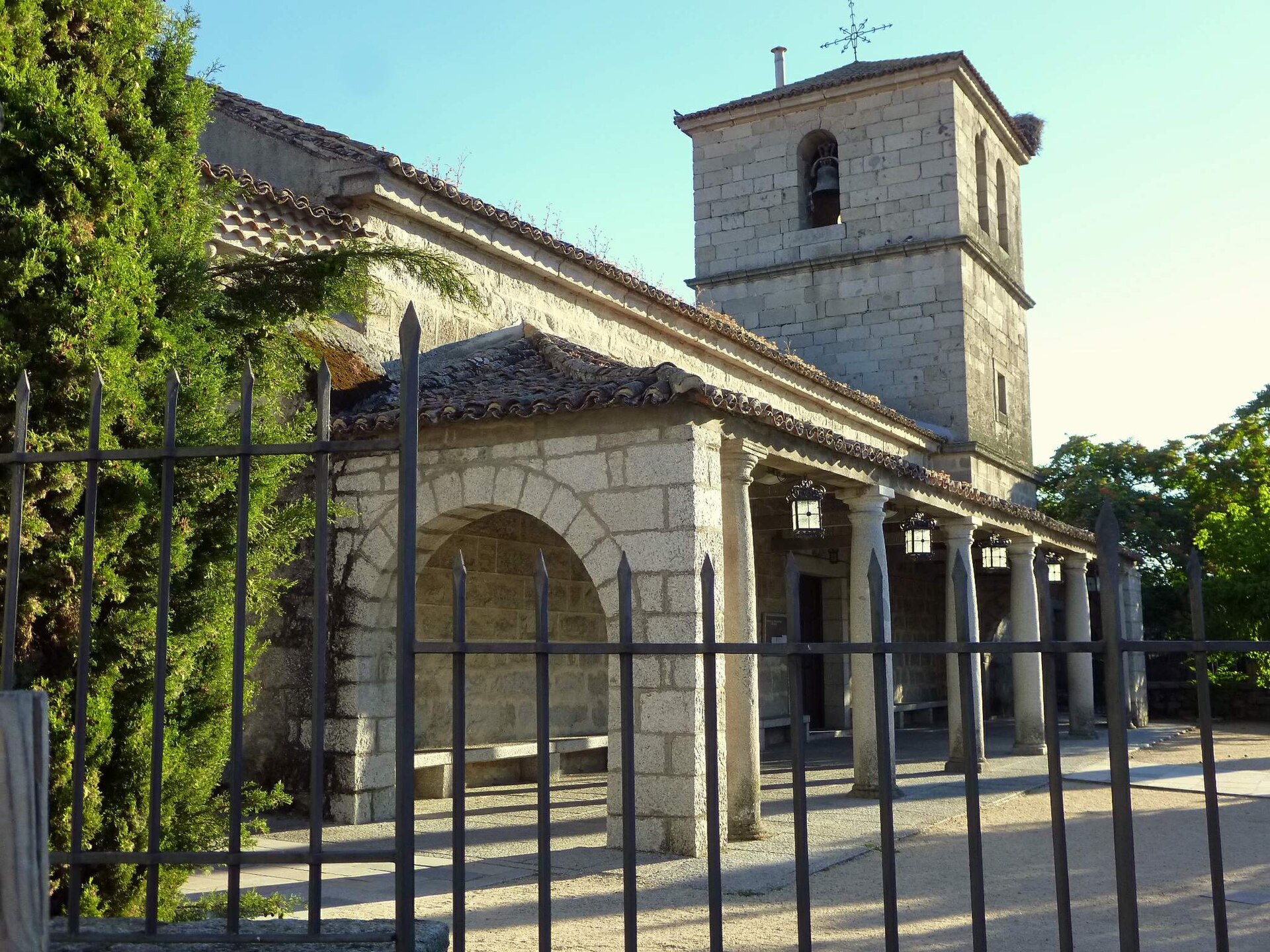
Church of Nuestra Señora del Enebral
-

Convent of Santa Isabel, El Espinar
El Espinar
-
Church of Our Lady of the Star, Navalagamella
Navalagamella
-
Church of San Miguel Arcángel, Las Rozas de Madrid
Las Rozas de Madrid
-
Monasterio de El Paular
Alameda del Valle
Earn badges for the places you visit
Download NextOnTrip, discover new places and check off your trails.