About this place
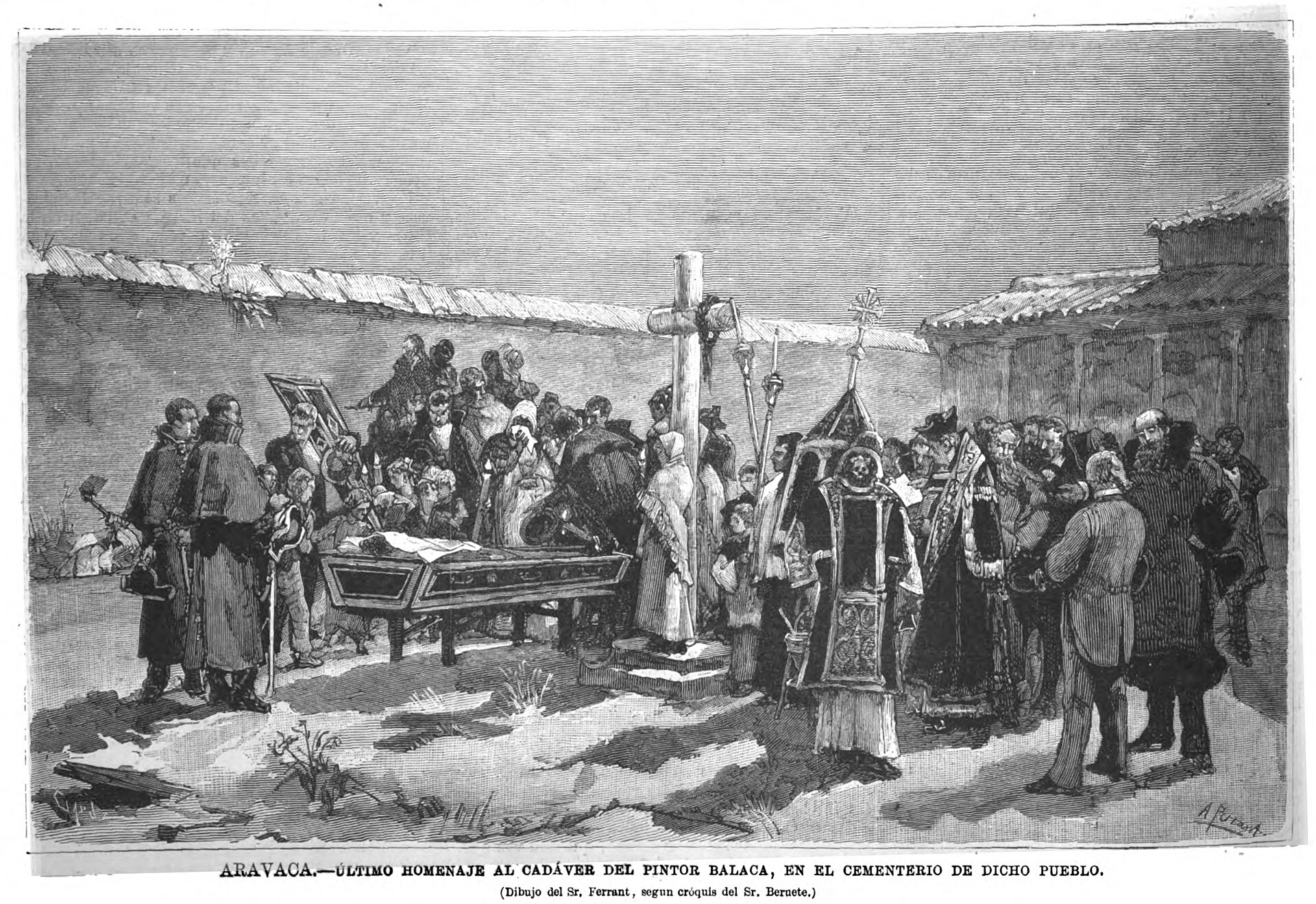
Cementerio Municipal de Aravaca is a small municipal cemetery in Aravaca, a neighborhood within Madrid's Moncloa-Aravaca district. It sits on Camino de la Zarzuela 26, in a quiet, green part of the city, well away from Madrid's tourist center. This is a distinctly local burial ground, serving mainly the residents of Aravaca and its surrounding neighborhoods, rather than one of the capital's major necropolises like the nearby Cementerio de la Almudena.
What does the cemetery look like?
The grounds are compact and well kept, holding roughly 800 graves. Grey and white tones dominate throughout, with rows of wall niches (nichos) and columbariums arranged along cobbled paths and small green areas. A modest gate marks the entrance, and the overall atmosphere is intimate and quiet — typical of the smaller parish and municipal cemeteries that once served independent towns around Madrid before being absorbed into the growing capital.
Why does this site matter historically?
Adjacent to the main municipal cemetery lies a separate section known as the cemetery of the "Martyrs of Aravaca" (Mártires de Aravaca). This plot is tied to one of the darker chapters of the Spanish Civil War. In late October 1936, Republican militiamen removed a group of twenty to thirty prisoners from the so-called Ventas checa, taking them away to be executed. In the following weeks, further similar removals took place, also ending in executions, with the victims buried in Aravaca.
This section commemorates roughly 800 people killed by Republican forces — priests, members of right-wing parties, monarchists, and supporters of fascist-leaning movements. Among those buried here are figures such as Ramiro de Maeztu, a noted writer and intellectual, and Ramiro Ledesma, one of the founders of Spanish Falangism. Over time, this part of the cemetery became a site of remembrance connected to the repression of the war's early months.
Who manages the cemetery, and how can you visit?
The cemetery falls under Madrid's municipal funeral services, Servicios Funerarios de Madrid (SFM), which handles the full range of related services — burials, exhumations, transfers, and management of burial plots. Notably, the site has no administrative office of its own: all paperwork and procedures are handled at the office of Cementerio de la Almudena, Madrid's largest cemetery.
The cemetery is open year-round, daily from 10:00 to 17:00. Given its small size and local character, it tends to be visited with a specific purpose in mind — paying respects to relatives or learning about the historical episode tied to the Civil War — rather than as a stop on a typical tourist itinerary.
Frequently asked questions
Where exactly is the cemetery located? On Camino de la Zarzuela 26, in the Valdemarín neighborhood, within Madrid's Moncloa-Aravaca district.
Is it a large cemetery? No — it is a small, intimate cemetery with around 800 graves, much smaller than the capital's major municipal necropolises.
What are the opening hours? The cemetery is open year-round from 10:00 to 17:00.
Why is the cemetery historically notable? Because of the adjacent Martyrs of Aravaca section, which commemorates victims executed by Republican forces during the early months of the 1936 Civil War.
Can funeral or administrative procedures be handled on site? No — the cemetery has no office of its own; administrative matters are handled at Cementerio de la Almudena.
Nearby places

Earn badges for the places you visit
Download NextOnTrip, discover new places and check off your trails.