About this place
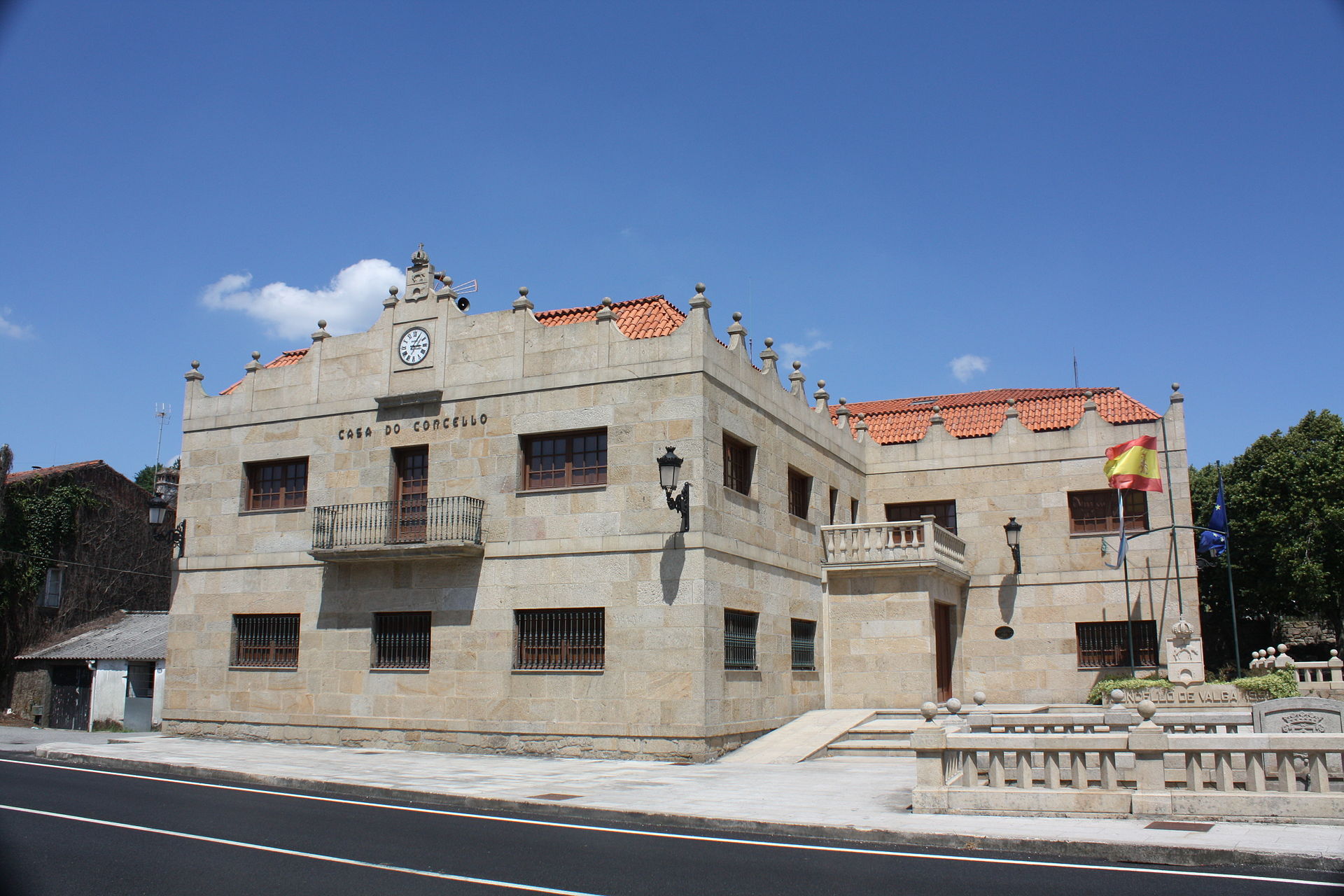
Catoira town hall sits at the heart of Catoira, a small municipality on the estuary of the Ulla River in the province of Pontevedra, Galicia. The building is located at Rúa do Concello 1, inside the so-called Edificio Multiusos — a multi-purpose facility that houses the local administration alongside part of the municipality's public services.
Where exactly is it located?
The town hall stands in the central part of Catoira, home to roughly 3,500 residents. The municipality occupies a spot where three historic Galician districts meet — O Barbanza, Ulla-Umia and O Salnés — right on the shore of the Ría de Arousa. That position has shaped Catoira's role for centuries as a strategic gateway on the water route leading inland toward Santiago de Compostela.
Is the building itself worth a stop?
The town hall is a working civic building rather than a sightseeing destination — residents come here for everyday municipal business, not exhibitions. Its real value for a visitor is practical: it's a clear landmark in the town centre, useful as a starting point before heading toward the coast, where Catoira's main historical sites are found.
What's worth seeing nearby?
The municipality's standout attraction is Torres do Oeste, a set of early medieval defensive towers built to guard against Viking raids that repeatedly pushed into the Ría de Arousa during the 9th and 10th centuries, threatening the route to Santiago de Compostela. Attached to one of the surviving towers is the Chapel of Santiago, built in 1122 and now protected as a national monument. The surrounding area also holds Bronze Age petroglyph sites, evidence that people have settled here for thousands of years.
How do you get there?
Catoira lies in the province of Pontevedra, an easy drive from Santiago de Compostela and the towns along the Rías Baixas coastline. Reaching the town centre, where the town hall stands, is simplest by car — public transport in this rural municipality is limited, so having your own vehicle makes it easier to combine a stop at the town hall with a visit to the nearby Torres do Oeste.
When is the best time to visit?
Late spring through early autumn brings the most stable weather in Galicia and shows the riverside surroundings at their best. It's also worth checking the local events calendar: Catoira is known for its annual re-enactment of the Viking raids near Torres do Oeste, an event that draws far more visitors than an ordinary day.
Frequently Asked Questions
Can visitors go inside Catoira town hall? It functions as an ordinary municipal office, so access is possible during opening hours, but there's no exhibition space or tourist programme inside.
Are there other attractions close to the town hall? Yes — Torres do Oeste, the historic defensive towers overlooking the Ría de Arousa, are just a few minutes away and rank among the municipality's main sights.
Is it easy to reach Catoira without a car? Public transport options in this part of Galicia are limited, so most visitors arrive by car or rental, especially if they plan to continue along the Rías Baixas coast.
What else makes Catoira notable for travelers? Beyond its defensive monuments, the area is known for its long settlement history — Bronze Age petroglyphs have been found nearby — and for its lively annual Viking raid re-enactment, one of the region's most colourful events.
Nearby places

Earn badges for the places you visit
Download NextOnTrip, discover new places and check off your trails.