About this place
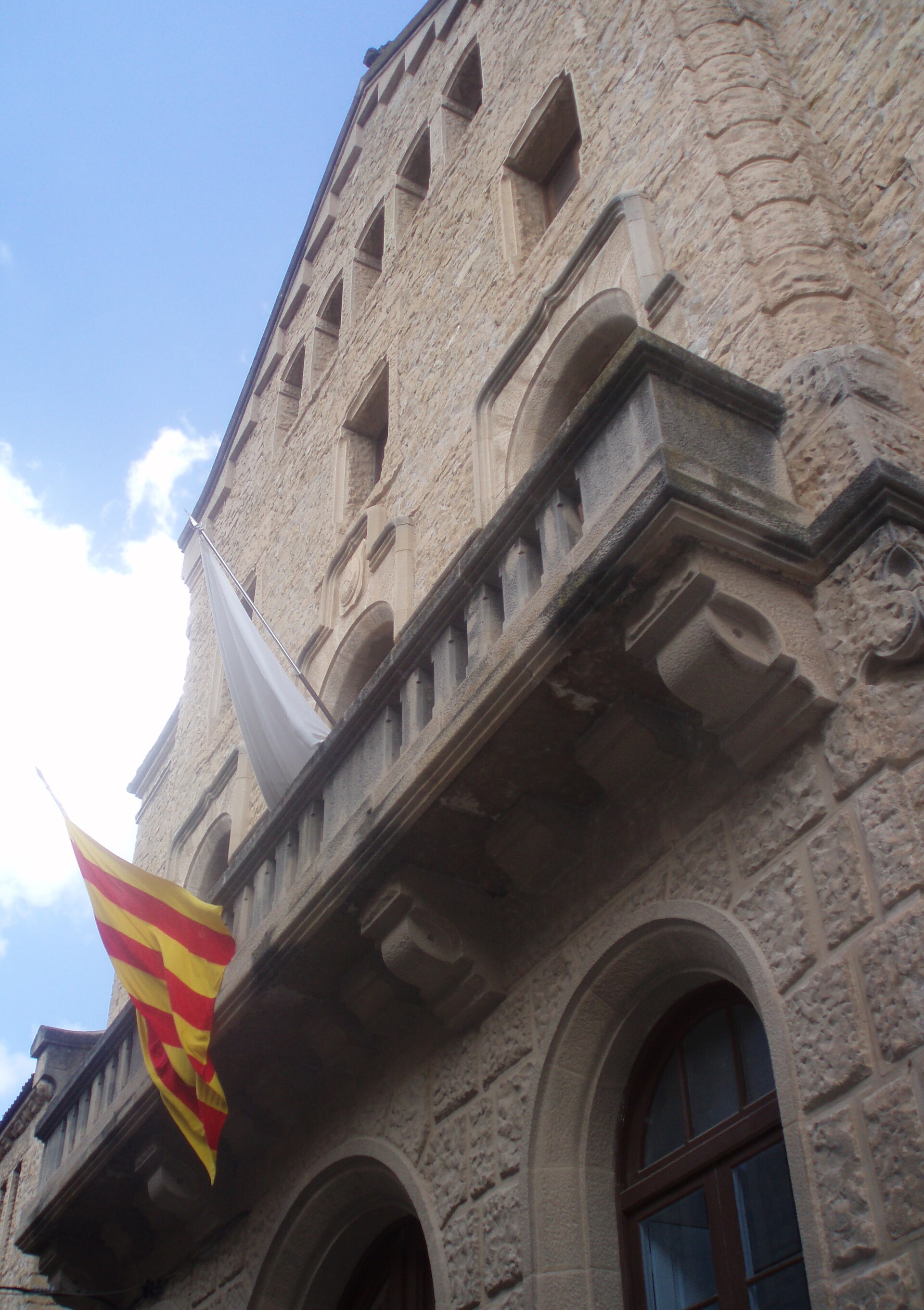
Castell de l'Albagés stands above the village of l'Albagés, in the Garrigues county, province of Lleida, in western Catalonia. The building layers together several historical periods — from an Arab watchtower to a Cistercian monastic palace — making it one of the more interesting stops on the trail of Garrigues castles.
How did the castle come to be?
The origins of the site go back to an Arab watchtower built between the 8th and 10th centuries. The original structure consisted of two square towers of dressed stone and an interior courtyard, the whole enclosed by a defensive wall. This modest fortification was the seed from which a much grander building later grew.
When did the land pass to Christian rule?
In 1116, Count Ramon Berenguer III expanded his territories by peacefully bringing the Garrigues lands under his control, including l'Albagés, which at the time belonged administratively to the district of Castelldans. Following the conquest of Lleida in 1149, his successor, Ramon Berenguer IV, handed over the tower and the entire territory to the Knights Templar. It was the Templars who turned the former Islamic watchtower into a proper fortress.
What role did the Poblet monastery play?
For the following centuries, the castle's fate was tied to the Cistercian order. In 1314, the abbot of the Poblet monastery, Andreu de Timor, purchased the village along with the castle for 38,000 Jaca sous. Between the late 14th and early 15th centuries, the monks converted the former Islamic-Templar stronghold into an impressive palace, which for a time served as the residence of the cellarer — the official who administered the monastery's estates in the region. Poblet's lordship over l'Albagés lasted until 1835, when this type of ecclesiastical domain was abolished as part of the disamortization process.
What survived the wars and the passage of time?
The castle did not escape wartime destruction. Between 1643 and 1647, during the Reapers' War (Guerra dels Segadors), it was sacked and burned. Abbot Pere Virgili carried out its restoration between 1688 and 1692, returning the building to working order and recovering some of its former character. Despite this turbulent history, the castle still preserves a legible courtyard layout and sections of defensive walls from different building phases.
Who manages the castle today?
After centuries under ecclesiastical and private ownership, in 2010 Maria Triquell — a resident of l'Albagés and the castle's owner at the time — transferred the property to the municipal council. Since then, the castle has belonged to the local authorities of l'Albagés, opening the way for its gradual development as a visitor attraction in the Garrigues region.
Why visit l'Albagés?
The castle serves as a starting point for exploring the surrounding area — a small, quiet village at the heart of Garrigues, a region known for its dry landscapes, olive groves, and farming traditions. A visit to the castle pairs naturally with a route covering other fortresses in the county, forming one of the more rewarding historical trails in western Catalonia.
Frequently asked questions
Where is Castell de l'Albagés located? The castle stands in the village of l'Albagés, in the Garrigues county, province of Lleida, in western Catalonia.
How old is the castle? Its roots go back to an Arab watchtower from the 8th–10th centuries, while its present form results from later rebuilding phases — a Templar reconstruction in the 12th century and a monastic one at the turn of the 14th and 15th centuries.
Who controlled the castle throughout history? In sequence: the counts of Barcelona, the Knights Templar, and from 1314 the Cistercian monastery of Poblet — until ecclesiastical lordships were abolished in 1835.
Can the castle be visited today? Since 2010 the site has belonged to the municipality of l'Albagés, which has allowed it to be gradually opened to visitors as part of the Garrigues region's tourist offering.
Nearby places

Earn badges for the places you visit
Download NextOnTrip, discover new places and check off your trails.