Save this place and discover nearby attractions with NextOnTrip
In the app you can add it to your favorites, see what else is worth visiting nearby on the map, and earn a badge for your visit.
The app is available for iPhone and Android.
About this place
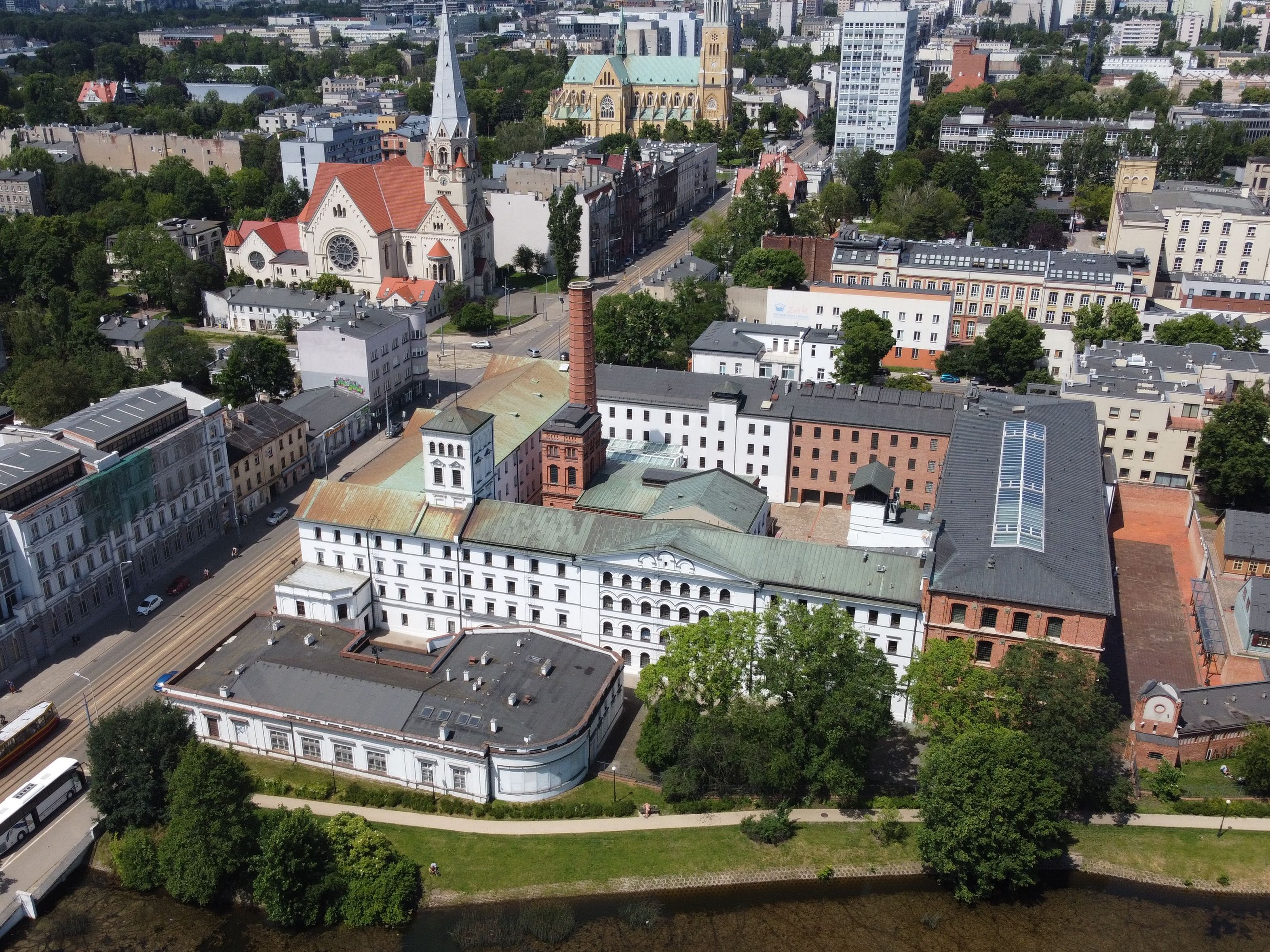
The White Factory (Biała Fabryka) in Łódź is a classicist building from 1835–1839, erected for Ludwik Geyer's textile factory. Today it houses the Central Museum of Textiles and is one of the best places to understand how a small town grew into industrial Łódź.
Why is it called the White Factory?
The name comes from the pale plaster that covered its facades. Łódź factories built later used red brick, so Geyer's building stood out when it was new and still does. Its classicist form looks more like a stately residence than an industrial works, which sets it apart from the city's typical factory architecture.
Who was Ludwik Geyer?
Geyer was the son of immigrants from Saxony. He arrived in Łódź in 1828, when the city was just beginning its transformation into an industrial centre and a multicultural metropolis. He is regarded as a pioneer of the Łódź textile industry, and his works was the first factory in the Kingdom of Poland driven by a steam engine. When the White Factory began operating, it contained both a spinning mill and a finishing mill, so successive stages of textile production were gathered in a single complex.
What is inside today?
Since 1960 the former factory complex has been home to the Central Museum of Textiles. The building also hosts the Łódź City Culture Park, so the place lives through cultural events as well as exhibitions. The museum tells the story of fabric, craft and industry, and the building itself is its most valuable exhibit: within walls where cloth was once spun and finished, visitors now follow the history of textiles.
Why visit?
- It is the oldest symbol of Łódź's textile industry, tied to the very beginnings of the factory city.
- The white facade and classicist architecture contrast with the red brick of the city's other factories.
- The museum lets you combine architecture sightseeing with the history of textile making.
- It is a good starting point for a walk through Łódź's industrial heritage.
Frequently asked questions
When was the White Factory built? Between 1835 and 1839.
Why is it called white? After the white plaster on its facades, which set it apart from later red-brick factories.
Who founded it? Ludwik Geyer, son of Saxon immigrants, who came to Łódź in 1828.
What is in the building now? The Central Museum of Textiles, which has been here since 1960, and the Łódź City Culture Park.
What made Geyer's factory special? It was the first steam-powered factory in the Kingdom of Poland and combined a spinning mill with a finishing mill.
Is it only for industrial history enthusiasts? No. The classicist architecture, museum exhibitions and cultural events make it worth a stop on any visit to Łódź. Check opening hours and ticket prices on the museum's website before you go.
How to fit the White Factory into a Łódź itinerary
Treat the visit as an introduction to the factory city. Start with the story of Geyer and his works, move on to the museum displays, and then see other post-industrial buildings in the city to compare their red brick with the pale facade of the White Factory. That makes it easier to grasp how fast Łódź grew in the 19th century and why its textile heritage remains so central to the city's identity.
Nearby places



Earn badges for the places you visit
Download NextOnTrip, discover new places and check off your trails.