About this place
Ayuntamiento del Valle de Mena is the town hall of the Valle de Mena municipality, seated in Villasana de Mena, the capital of this large district in the northeastern corner of Burgos province, Castile and León. The building on Calle Dr. Eladio Bustamante Peña makes a practical starting point for exploring the valley — from here, roads fan out to Romanesque churches, medieval defensive towers, and the historic core of Villasana itself.
How do you get to the Ayuntamiento del Valle de Mena?
Villasana de Mena sits in the Merindades, a mountainous stretch of Burgos province bordering Cantabria and the Basque Country. The valley is drained by the río Cadagua, a tributary of the Nervión, which explains the distinctly Atlantic climate — wetter and greener than the Castilian plateau most visitors expect. The easiest approach is by car from Bilbao or Burgos; local roads also connect Villasana to smaller valley villages such as Siones and Vallejo.
What is there to see nearby?
The town hall itself is an administrative building, but it sits at the center of a valley rich in heritage. In 2021 the Junta de Castilla y León declared Villasana de Mena's historic core a Bien de Interés Cultural under the category Conjunto Histórico — a protected historic ensemble. The town received its villa charter back in the 11th century, when Alfonso VI granted it a generous fuero, and its orthogonal street layout took shape in the 13th century as part of a wider royal resettlement policy.
The defining feature of the old town is its vernacular architecture: stone houses dating from the 14th century, though most survive from the 17th and 18th centuries, blending influences from Cantabrian mountain building traditions and Basque caserío farmhouses. A stretch of the Camino de Santiago runs straight through the center, and has shaped the town's main axis for centuries.
Among the religious buildings, the parish church of Nuestra Señora de las Altices stands out — a 19th-century structure raised over an earlier hermitage. Inside, visitors can see a Romanesque bas-relief of the Adoration of the Magi brought from Saltices, along with a white marble copy of Seville's Giralda relief. Another notable site is the Convent of Santa Ana, whose chapel dates to the late 15th century and whose convent building, from the early 16th century, was founded by Sancho Ortiz de Matienzo.
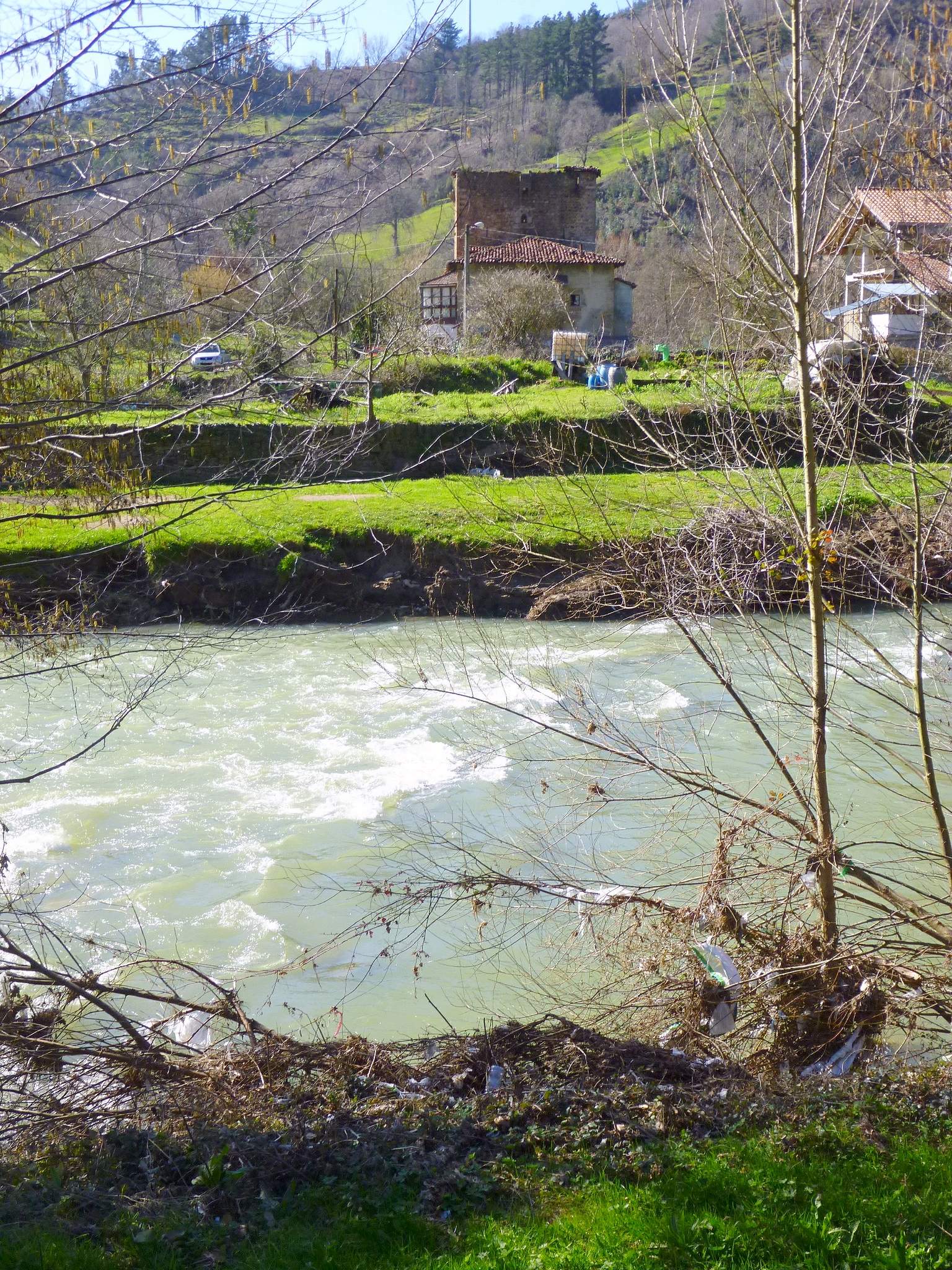
The Valle de Mena municipality is also known for its fortified architecture: medieval towers and fortified houses are scattered across the valley, a legacy of its history as a contested border region. Nearby villages hold notable Romanesque churches as well, including San Lorenzo de Vallejo and Santa María de Siones.
When is the best time to visit?
The Atlantic-influenced climate makes summers here cooler and rainier than in central Spain — good news for travelers escaping the heat further south. In 2010, Valle de Mena became one of the first municipalities in Spain to earn Starlight Destination certification, recognizing exceptionally clear, dark skies. That makes an overnight stay worthwhile outside the busiest summer weeks, when the sky is at its clearest for stargazing.
Frequently asked questions
Where exactly is the Ayuntamiento del Valle de Mena located? In Villasana de Mena, the municipal capital, at Calle Dr. Eladio Bustamante Peña 1.
Is the historic center of Villasana worth visiting on its own? Yes — its street layout and stone architecture were formally recognized as a protected historic ensemble (Conjunto Histórico) in 2021.
What else is there to see in Valle de Mena besides the town hall? The church of Nuestra Señora de las Altices, the Convent of Santa Ana, the Romanesque churches of Vallejo and Siones, and the medieval defensive towers scattered across the valley.
Is Valle de Mena a good spot for stargazing? Yes, the municipality has held Starlight Destination certification since 2010 thanks to its unusually clear night skies.
Nearby places

Earn badges for the places you visit
Download NextOnTrip, discover new places and check off your trails.