About this place
The old castle (Ancien château) in Ville-Savoye is a modest, partly overgrown ruin of a medieval stronghold, tucked away in a tiny village of roughly 80 residents in the Aisne department. It's a stop for travelers drawn to authentic, little-visited fragments of French history rather than a restored, ticketed monument.
What will you see there?
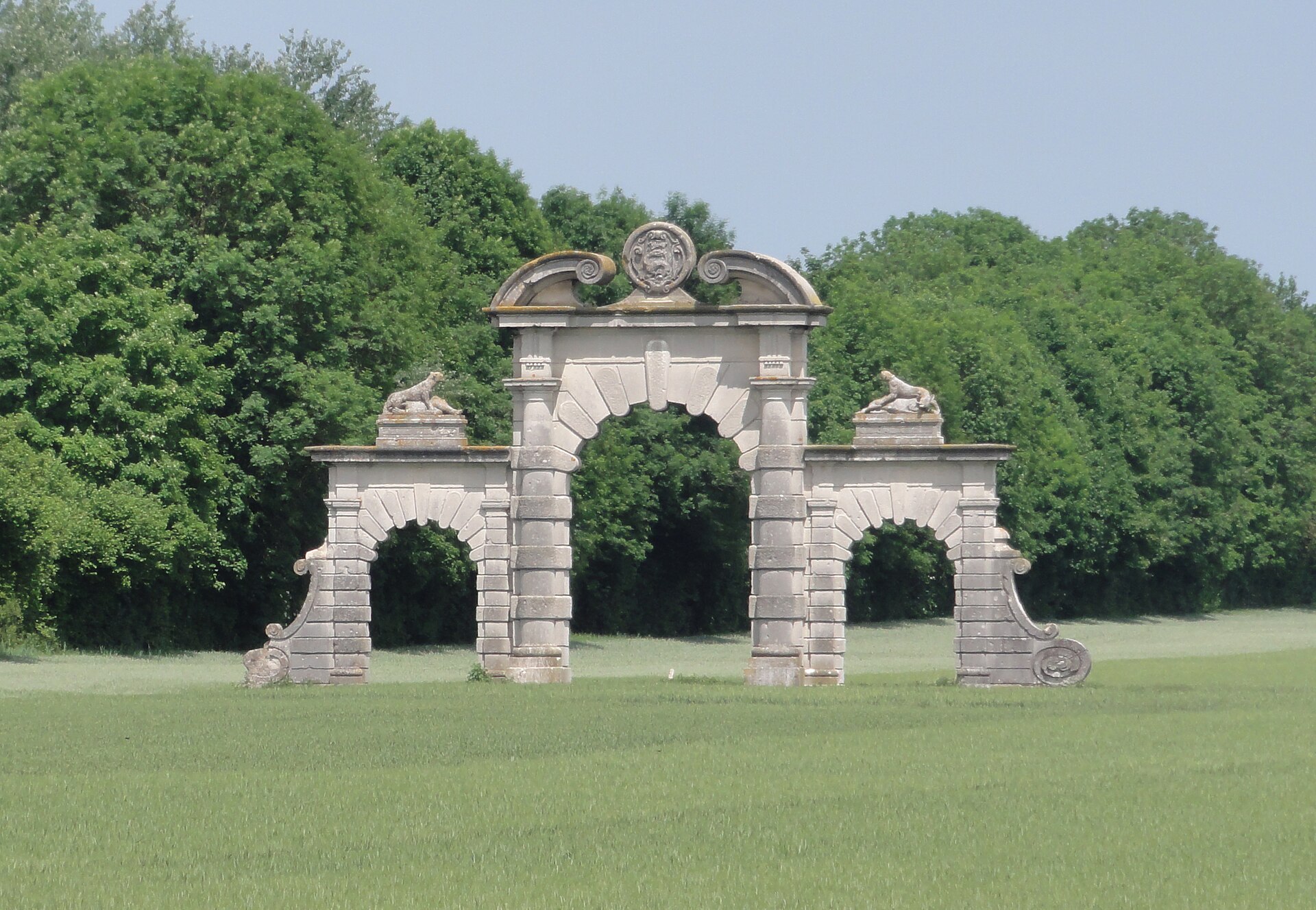
The original structure was a château fort — a fortified castle — built in the 15th century on a rectangular plan measuring roughly 36.5 by 24.5 meters. Today only a fraction of it survives: an entrance gate and a stretch of wall with a tower. Everything else has disappeared over the centuries, and the ground where the ruins stand is heavily overgrown with shrubs and self-seeded trees. The castle is privately owned, so there's no access to the courtyard or interior — what you see is limited to the view from the road or the edge of the property. Even so, the gate and tower rising out of the greenery give a real sense of the scale the original building once had.
How do you get there?
Ville-Savoye sits in the canton of Fère-en-Tardenois, in the arrondissement of Soissons, within the Communauté de communes du Val de l'Aisne. The village is so small that it has no tourist infrastructure of its own — the easiest way in is by car from Soissons or Fère-en-Tardenois, heading for the village center, from where the ruins are visible a short distance away. Treat it as a quick stop on a route through other, better-preserved sites in the Aisne department rather than a full day's destination.
History of the castle
The castle dates back to the 15th century and served for generations as a local defensive stronghold. In 1927 it was listed as a historic monument (monument historique), recorded in the Mérimée database under reference PA00115989 — official recognition of its historical value, though this was never followed by large-scale restoration work. Documented history of the site is thin: no detailed records survive about its owners, any sieges, or later alterations, which is typical of many small fortifications in this part of northern France that were damaged or abandoned over centuries of war and administrative change.
When should you visit?
Late autumn, winter, or early spring are the best times, when vegetation is at its sparsest and the gate and remaining wall are easiest to see. In summer, dense foliage can partly hide the ruins. Since the site is small and privately owned, a visit takes only a few minutes — best combined with a look at other attractions in the Aisne department on the same trip.
Frequently asked questions
Can you go inside the castle grounds? No — it's private property and the site is heavily overgrown. The ruins can only be viewed from outside, from the road or the edge of the property.
What exactly remains of the castle? An entrance gate and a section of wall with a tower survive. The original building had a rectangular plan measuring about 36.5 by 24.5 meters.
Is the castle officially protected as a heritage site? Yes, it has been listed as a monument historique since 1927 (Mérimée reference PA00115989), even though it isn't open to visitors.
How long does a visit take? Very little time — this is a stop along a route, not a full attraction on its own. A few minutes is usually enough to see the ruins from outside and take photos.
Nearby places

Earn badges for the places you visit
Download NextOnTrip, discover new places and check off your trails.