About this place
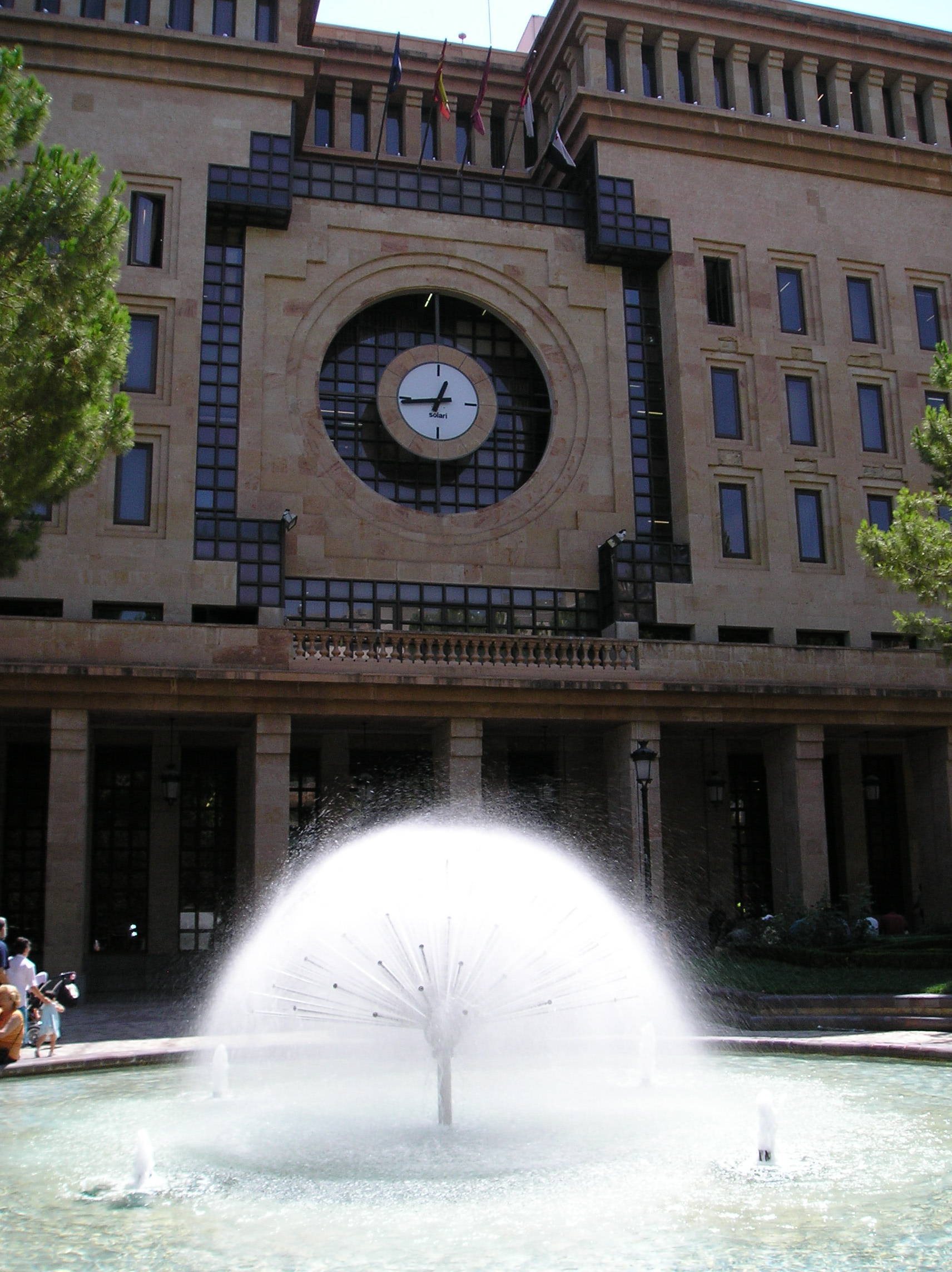
Albacete Town Hall is the historic former seat of the city council, standing on Plaza del Altozano — the square regarded as the symbolic heart of Albacete, the provincial capital in the Castilla-La Mancha region of Spain. Although the municipal government relocated to a new building in 1986, this eclectic palace remains one of the most recognisable landmarks on the old town skyline, largely thanks to its distinctive clock tower, visible from many corners of the square.
Where is the building and how do you spot it?
The building sits right in the heart of Albacete, on Plaza del Altozano, a square that the city formally declared its official centre in the early twentieth century. The easiest way to spot it is by its centrally placed clock tower, rising above the rest of the facade — a feature typical of European town halls from this era, serving both as decoration and as a practical timekeeper for residents going about their day.
What is the history behind this building?
The story runs deeper than a first glance suggests. The property itself dates back to the 18th century, originally built as a private residence known locally as Casa Cortés. The city purchased it in 1878 with the intention of turning it into the seat of local government, and the new casa consistorial (council building) was formally opened on 3 January 1879 by the province's civil governor at the time.
The real turning point came a couple of decades later. In 1902, Plaza del Altozano was granted official status as the city's centre, and the following year the council decided to move its operations there for good. The building underwent a thorough renovation overseen by architect Francisco Manuel Martínez Villena, who gave it a grander, more representative appearance. The renovated town hall reopened in 1905, with King Alfonso XIII attending the ceremony in person — a clear sign of how much importance was placed on the site at the time.
Was this the city's first town hall?
No. Between 1817 and 1879, the city council had operated out of a different building altogether — the so-called Casa-Lonja, a neoclassical structure on Plaza Mayor. The move to Altozano therefore marked the second change of headquarters in the history of Albacete's local government.
What architectural style does the town hall follow?
The building follows an eclectic style, popular across Europe and Spain at the turn of the 19th and 20th centuries. Eclecticism meant freely combining elements borrowed from different periods and architectural traditions — classical proportions, ornate facade details, and monumental accents — into one striking composition. The clock tower remains the most distinctive feature of this design and still serves as a landmark for both locals and visitors crossing the square.
What is inside the building today?
When the city administration moved to new premises in 1986, the historic building didn't lose its relevance. In 1995, the Museo Municipal de Albacete (Municipal Museum) opened inside it, occupying the former town hall interiors and telling the story of the city to visitors. This means tourists can actually step inside a building that served as the seat of local power for more than a century, and experience it from an entirely different angle.
Frequently asked questions
Does Albacete's town hall still serve administrative functions? No — since 1986 the city government has operated from a different location, and the historic building on Altozano now functions as a museum.
Can visitors go inside? Yes, since it houses the Museo Municipal de Albacete, open to visitors as part of a regular sightseeing stop.
What is the most distinctive architectural feature? The central clock tower and the eclectic facade, which blends several architectural traditions from the turn of the 19th and 20th centuries.
Why does this building matter to the people of Albacete? It stands on the square recognised as the city's symbolic centre and witnessed key moments in local history, including King Alfonso XIII's visit in 1905.
Nearby places

Earn badges for the places you visit
Download NextOnTrip, discover new places and check off your trails.