- Sacred Monuments
- Religious monuments
Abbaye Saint-Pierre-et-Saint-Paul de Châtillon-lès-Conches
About this place
The Abbaye Saint-Pierre-et-Saint-Paul de Châtillon-lès-Conches is a former Benedictine abbey standing at the edge of the historic centre of Conches-en-Ouche, in the Rouloir valley, in the Eure department of Normandy. Little remains of the once-substantial monastic complex, yet the site is still one of the town's most rewarding stops for anyone tracing its medieval past.
Who founded the abbey, and when?
The monastery was established in 1035 by Roger I of Tosny, a Norman lord who held the surrounding lands. The site was then known as Castillon. Roger brought in monks from the Abbey of Fécamp, and the first abbot was Gislebert. From its founding, the community followed the Benedictine rule.
How did the abbey grow in the Middle Ages?
Gifts from patrons eventually gave the abbey holdings well beyond Normandy, including priories in England at Wotton and Horsham. Its church was consecrated in 1219. By the mid-13th century, during the visitations of the Archbishop of Rouen, Eudes Rigaud, between 1255 and 1269, the community numbered around twenty-five monks — a sizeable community by regional standards of the period.
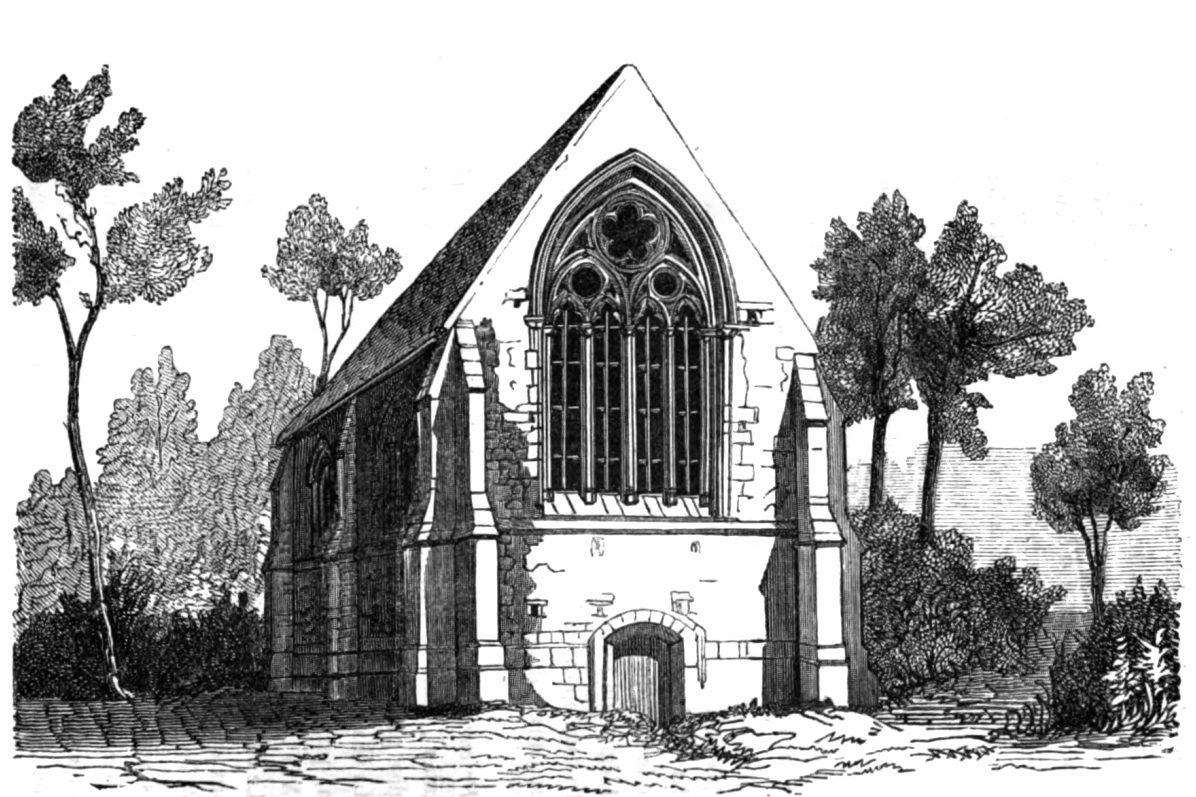
Two features from this era survive on site: a fragment of the 12th-century church portal, and buttresses and columns from a cloister built in the 14th century.
What happened to the abbey during the Hundred Years' War?
Like much of medieval Normandy, the abbey did not escape the fighting. In 1356, English forces set fire to both the castle of Conches and the monastic buildings — one episode in the long sequence of raids that the Hundred Years' War brought to the region.
What changed in the early modern period?
In 1515, Abbot Nicolas Le Vavasseur commissioned a survey of the abbey's landholdings. In 1630, the community adopted the Maurist reform, the Benedictine reform movement known for restoring monastic discipline and for its scholarly and archival work. During the French Revolution, at the end of the 18th century, most of the monastic buildings were demolished, including the abbey church, which had measured roughly ninety metres in length.
What can visitors still see today?
Surviving structures include the former hostelry building, the press house, the cellars, and a section of the wall that once enclosed the abbey grounds. Buttresses, remnants of the cloister, and the church portal are also still visible. Below ground, three passages remain, running beneath the former cloister and around the site of the abbey church — an added point of interest for anyone exploring the grounds.
A walk through the former abbey pairs naturally with a visit to the historic centre of Conches-en-Ouche, set in the picturesque Rouloir valley.
Frequently asked questions
When was the abbey in Châtillon-lès-Conches founded? The Benedictine monastery was founded in 1035 on the initiative of Roger I of Tosny.
Are any of the original buildings still standing? Yes — the former hostelry, the press house, the cellars, a stretch of the enclosure wall, and buttresses and cloister remains from the 14th century are all still on site, along with three underground passages.
Why was the abbey church destroyed? Most of the buildings, including the roughly ninety-metre-long church, were demolished during the French Revolution at the end of the 18th century; the abbey had already been damaged in 1356 when English troops raided the town during the Hundred Years' War.
Where exactly is the abbey located? At the edge of the historic centre of Conches-en-Ouche, in the Rouloir valley, in the Eure department of Normandy.
Nearby places

Earn badges for the places you visit
Download NextOnTrip, discover new places and check off your trails.