Coast in Poland
A guide to 26 Coast in Poland — with descriptions, photos and traveler visits from the NextOnTrip community. Locations spread across 20 cities and towns. Most visited by the community: Jastrzębia Góra, Rozewie II, Stawa Młyny.
-

Rozewie II
Rozewie
Rozewie II is a coastal location best known for its lighthouse, a landmark that draws visitors to the Pomeranian coast. Set near the Baltic Sea, it offers a classic seaside atmosphere with scenic views, fresh air, and a strong maritime character. The lighthouse area is a popular stop for travelers exploring the region, especially those interested in coastal heritage, navigation history, and panoramic viewpoints. Its setting makes it an appealing destination for a short visit, a photo stop, or a relaxed walk along the shore.
-
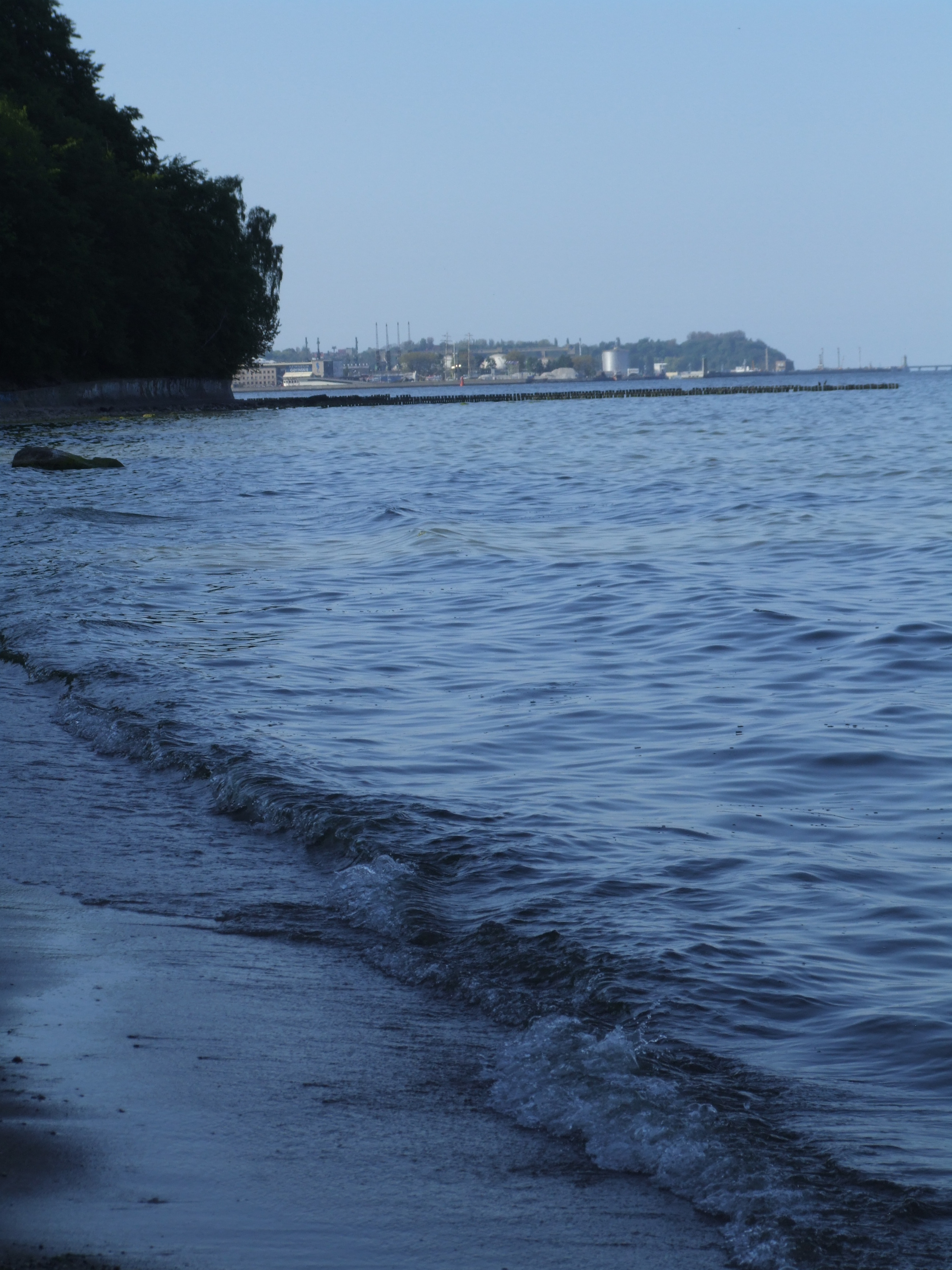
Plaża w Redłowie
Gdynia (Redłowo)
Redłowo Beach (Plaża w Redłowie) is a wild, quiet stretch of coast in Gdynia, next to the Feliks Nowowiejski seaside boulevard, between the city centre and Orłowo. There is no resort bustle and no rows of sunbeds. What you get is sea, stones, a forested bluff and a view across the whole Gulf of Gdańsk. Where is Redłowo Beach? The beach belongs to Gdynia's Redłowo district. A breakwater by the seaside boulevard marks it to the north, and to the south you can follow the shore to Orłowo and its pier. Next to it lies Polanka Redłowska, a picnic spot, and the Kępa Redłowska nature reserve. The result is a natural, lightly developed strip of coastline. How is it different from a typical city beach? This section has the feel of a wild beach. The shore near the Redłowo headland is distinctly stony, so sturdy shoes are better than flip-flops for walking by the water. It suits a long walk, watching the waves, sunset photos and time away from crowds. If you want a wide sandy beach with full facilities, other Gdynia beaches may suit you better. Redłowo is for people who prefer quiet and nature. What to see nearby Kępa Redłowska. This reserve was established in 1938 and is one of the oldest in Poland. It covers forest on the high shore and the coastal waters of the Gulf of Gdańsk. It is the only area of natural stony seabed in the Tricity, varied by underwater meadows. Several entrances lead into the reserve, including from the Nowowiejski boulevard side and near the Orłowo pier. Nature protection rules apply, so keep to the marked paths. Orłowo Cliff. A short way south rises a picturesque cliff, constantly undercut by storm waves. It forms a steep shore running roughly 650 metres from Redłowo to Orłowo. Rare and protected plant species grow on it, and the top edge gives a panorama of the Gulf of Gdańsk. The walk leads through forest, escarpment and shoreline. Orłowo and its pier. Orłowo grew from a fishing settlement and was a known health resort in the 1930s. Today it is one of Gdynia's prettiest districts, with a pier, cafes and a relaxed walking atmosphere. After the walk from Redłowo it is a good place for a hot meal or a coffee. Planning your visit Spring, summer and early autumn are the best times. In winter the beach is empty and atmospheric, but the wind is stronger. Wear shoes with good grip, because the shore can be stony and slippery. Combine the beach with a walk through the reserve and along the cliff to Orłowo. Allow a few hours. Respect the reserve rules: do not pick plants, stay on paths and take your litter with you. Bring your own water and food, as there are no extensive services right at the beach. Frequently asked questions Is Redłowo Beach sandy? Not entirely. Near the Redłowo headland the shore is stony, and the place has a wild character. Can I walk from here to Orłowo? Yes. Along the shore and the paths by the cliff you reach Orłowo and its pier. Is there a nature reserve nearby? Yes, the Kępa Redłowska reserve, founded in 1938, lies right next to the beach. Who is this place for? Walkers, photographers, nature-loving families and anyone looking for a calmer sea than at the city's main beaches.
-

Molo w Orłowie
Gdynia (Orłowo)
Orłowo Pier (Molo w Orłowie) is a wooden promenade pier in the seaside, south-eastern district of Gdynia, Poland. It stretches about 180 metres into the Gulf of Gdańsk and is one of the most recognisable spots on the Tri-City coast. Right beside it rises the Orłowo cliff, and together they make a landscape that photographs well in every season. Where is Orłowo Pier and how do you get there? Orłowo is a quiet district at the southern edge of Gdynia, close to the border with Sopot. The pier stands by the beach, near the park and the buildings of the former spa quarter. Its coordinates are roughly 54.480° N, 18.566° E. You can arrive on foot along the shoreline, by bicycle, or by city transport to Orłowo followed by a short walk. In summer, come early, because warm weekends bring plenty of strollers. What is the history of the pier? The first small landing stage was built during the First World War. It served ships and also worked as a walking spot for guests of the nearby spa house. In the 1920s it was extended to about 115 metres, which allowed small passenger vessels to moor there. The turning point came in 1934. The pier was rebuilt and enlarged in only two months by soldiers of the training company of the Polish Army Bridging Battalion from Modlin, using material salvaged from the dismantled wooden passenger pier in Gdynia. After that work it was about 430 metres long and could receive the "white fleet" passenger ships. In the winter of 1949 a powerful storm destroyed more than half of the structure. The remaining section was repaired in 1953 and became the basis of today's shorter pier. Another thorough renovation took place at the turn of 2006 and 2007; it lasted around ten months and cost about 3.5 million zlotys. What is there to see near the pier? The main neighbour is the Orłowo cliff, regarded as the symbol of this part of Gdynia. It is a protected natural area, so fallen trees and branches lie at its foot and can sometimes block the way along the shore. Wear sturdy shoes and take care. The cliff is best admired from the pier, which shows it in full. From the end of the pier you look out over the Gulf of Gdańsk and, in clear weather, towards the Hel Peninsula. In the evening, as the sun sinks over the water, the pier becomes a favourite place for photographers. Is there an entrance fee? Walking on the pier is usually free, as it works as a promenade. Before visiting in the colder months, check current city announcements, since wet wood can be slippery in bad weather. Frequently asked questions How long is Orłowo Pier? Today about 180 metres. After the 1934 extension it measured around 430 metres. When was it built? The first landing stage dates from the First World War; the present form stems from the repairs after the 1949 storm and the renovation of 2006–2007. Is it a good place for a quiet walk? Yes. Orłowo is one of the calmer parts of Gdynia, and the pier, cliff and beach together make a route that easily fills a few hours by the sea. Can ships still call here? Before the war the pier served white fleet ships. Today it is mainly a place for walking and views. What should I bring? Comfortable shoes, a warm jacket out of season and a camera. In summer add sunscreen, as the pier offers no shade. Who is it for? The pier suits families with children, couples looking for a romantic stroll, photographers, and anyone who prefers a calmer alternative to crowded seaside promenades. You can see it all in an hour, and with the beach, the cliff and a café on the way it easily becomes a full afternoon.
-

Molo w Sopocie
Sopot
Sopot Pier (Molo w Sopocie) is a wooden promenade pier stretching into the Gulf of Gdańsk and one of the biggest attractions of the city. Its official name honours John Paul II. The walkable part is 511.5 m long, of which 458 m runs over the water, which makes it the longest wooden pier in Europe. Where is Sopot Pier? The pier starts in the centre of the resort, right by the beach and the Monte Cassino street, and ends in the open bay. The coordinates are roughly 54.4475 N, 18.575 E. From Sopot railway station it is a walk of about a quarter of an hour along a busy promenade lined with cafes and shops. How did the pier come about? The story goes back to 1827. Jean Georg Haffner, a physician from the Napoleonic wars and founder of the Sopot spa, initiated the building of a small footbridge. At first it was only a dozen or so metres long and let spa guests reach the sea for bathing. Over the following years the structure was extended and rebuilt many times until it reached its present size. What is it made of? The main structure is timber. Massive supports made of logs are driven into the seabed, with the walking deck above them. The wood is repaired regularly, because water, ice and wind wear it down faster than structures on land. What can you do on the pier? Stroll above the sea. You can see the beach, the Sopot skyline and, in good weather, Gdynia and the Hel Peninsula. Watch the sunset over the Gulf of Gdańsk. Visit the marina. At the pier head there is the "Molo" sea marina, where boats and ships depart. Take photos. The long perspective of the pier is one of the most photographed views in the Tricity. Is there an entrance fee? It depends on the time of year. In some months entry is free, but in season, from spring to autumn, walking out into the bay costs money. Check current prices and opening hours on the pier operator's website or at the entrance before you go. Frequently asked questions How long is Sopot Pier? The walkable part is 511.5 m, of which 458 m extends into the Gulf of Gdańsk. Is it the longest wooden pier in Europe? Yes, Sopot is famous for this title. Who started building it? Jean Georg Haffner, founder of the Sopot spa, in 1827. Is there anything to do besides walking? At the pier head there is the "Molo" sea marina, where you can set off on a cruise. When is the best time to visit? Early in the morning or before sunset, when there are fewer people and the light suits photos. In summer the pier can be crowded. Tips for visitors Bring a windbreaker, as the wind at the end of the pier is stronger than on the beach. The planks can be slippery after rain, so wear comfortable shoes with good grip. The pier combines easily with a walk along Monte Cassino and the beach, and a stop at nearby cafes. If you plan a cruise from the marina, check the timetable in advance, because departures depend on weather and season. The pier is a symbol of Sopot and a natural starting point for exploring the city. Its length, wooden construction and position over the open bay make it worth seeing even during a short stay in the Tricity.
-
1 visits

Jastrzębia Góra
Władysławowo
Jastrzębia Góra is a seaside resort village in northern Poland, close to Władysławowo on the Baltic coast. It is best known for its scenic cliffs, sandy beaches, and easygoing holiday atmosphere, with a setting near the edge of the Pomeranian region. For visitors, it offers a relaxed seaside break with room for coastal walks and sea views. Na miejscu można liczyć przede wszystkim na: dramatic shoreline scenery, where the cliffs give the coast a more rugged look than a typical beach resort sandy beaches that draw summer visitors looking to spend time by the sea outdoor recreation along the coast, including coastal walks and cycling, with plenty of space for a laid-back holiday feel If you are planning a visit, it is worth bringing comfortable shoes for walking along the coast and checking the weather before heading out, especially if you want to make the most of the cliffside views. This is a good choice for beachgoers, cyclists, and anyone exploring Poland’s northern coast who wants a calm, seaside outing.
-
Lighthouse in Sopot
Sopot
Sopot Lighthouse is one of the more unusual navigation marks on the Polish coast: a brick tower that began life as a boiler-house chimney and today serves as a viewing point with a working light. It stands in Sopot, close to the seaside buildings of the former spa establishment, and its slender silhouette is easy to spot from afar. How did the Sopot lighthouse come about? The tower dates back to 1903–1904. At the time, a balneological facility was being built, and it needed a boiler room and therefore a chimney. The designers did not want a bare smokestack to spoil the resort landscape, so they enclosed it in an unusual, carefully designed tower. A purely technical element turned into a decorative feature of the seaside skyline. Later the building passed to a rheumatology hospital. When the boiler room was modernised in 1975, the chimney was rebuilt and fitted with a light source. The tower already appeared on the 1957 list of lighthouses as a navigation mark. Is it really a lighthouse? The tower gained full lighthouse status in 1977, when its light reached over 17 nautical miles. Today its nominal range is 7 nautical miles, so under current criteria it is no longer formally a lighthouse. Everyone still calls it one, however, and the light continues to help with orientation on the Gulf of Gdańsk. What can you see from the top? The tower is open to visitors. About 136 steps lead to the top of a structure that rises more than 30 metres. From the platform you can see the bay, Sopot's pier, the beaches and the resort's buildings, and in good weather the outline of Gdynia and the Hel Peninsula. It is a fine spot for photos at any time of day, especially at sunset. Between 2021 and 2023 the building was renovated, including the roof, interiors, doors, windows and facades, so it looks much better than it did before. Practical tips for visitors Allow around half an hour if you want to climb up, enjoy the view and come back down without rushing. The stairs are narrow and steep, so comfortable shoes help; the climb may be difficult for people with limited mobility. The lighthouse fits easily into a walk around Sopot, with the beach, pier and main promenade nearby. Check opening hours and entry rules before you go, as they may change with the season. Frequently asked questions Can you go up the Sopot lighthouse? Yes, the observation tower is open to visitors, and the view from the top is the main attraction. How many steps are there? About 136 steps lead to the top. Why was the lighthouse once a chimney? The tower was built as the chimney of a spa boiler house, and its decorative form was chosen so that it would not spoil the look of the resort. Is it formally a lighthouse? No. Since its range was reduced to 7 nautical miles it no longer meets the formal criteria, but in everyday language it is still a lighthouse. Who is it a good attraction for? Anyone who enjoys views, photography, architectural history and short, offbeat walks around Sopot.
-
Stawa Młyny
Świnoujście
Stawa Młyny is a windmill-shaped beacon in Świnoujście, in the West Pomeranian Voivodeship of Poland. It serves as a navigational signal for vessels entering the Port of Świnoujście from the Baltic Sea. For visitors, it offers a short stop and a chance to see one of the city’s most recognizable maritime landmarks. Na miejscu można liczyć przede wszystkim na: a close look at the distinctive windmill form of the beacon, which makes it stand out on the waterfront a view of its role in guiding ships toward the Port of Świnoujście from the Baltic Sea a quick visit connected with the seaside setting of Świnoujście and its port atmosphere It is best to combine a visit with a walk along the waterfront, and it is worth checking the weather if you want a comfortable stop by the sea. This is a good choice for travelers looking for a brief outing tied to the coast and maritime scenery.
-
Oksywie Lighthouse
Gdynia
Oksywie Lighthouse is a lighthouse in Gdynia, in the Oksywie district on Poland’s Baltic coast. It functions as a maritime navigation landmark and forms part of the city’s seafaring heritage. For visitors, it is best suited to a short stop that can be combined with a wider look at Gdynia’s shoreline and port setting. Na miejscu można liczyć przede wszystkim na: a chance to see a working coastal navigation point tied to Baltic shipping and the route guidance used along the Polish coast, an introduction to Gdynia’s maritime character, with the lighthouse fitting into the city’s broader naval history and seafaring traditions, the possibility of pairing the visit with nearby coastal scenery and the atmosphere of the port area. It is worth planning this as a brief outdoor stop and checking the weather, since the Baltic coast can be windy and changeable. Comfortable shoes will make it easier to combine the lighthouse with a walk around the area. This is a good choice for travelers interested in coastal views, port landscapes, and local maritime history.
-
Góra Szwedów Lighthouse
Hel
Góra Szwedów Lighthouse is a deactivated lighthouse on the Baltic Sea coast in the town of Hel, in Puck County, Pomeranian Voivodeship, Poland. It stands on the Hel Peninsula, on Góra Szwedów, a hill rising 19 metres (62 ft), between the Jastarnia Lighthouse and the Hel Lighthouse. Today, it offers a short stop for sightseeing and a look at the peninsula’s lighthouse landscape. The site marks the former position of a lighthouse that was deactivated in 1990. It sits on Góra Szwedów, giving the place a slightly elevated setting on the Hel Peninsula. Its location between the Jastarnia Lighthouse and the Hel Lighthouse makes it easy to connect with a broader lighthouse-themed walk along the coast. For a visit here, comfortable shoes are a good idea, especially if you want to combine it with a walk around the peninsula. It is best suited to travelers interested in coastal history, lighthouse routes, and a quiet sightseeing stop rather than an active lighthouse tour.
-
Dolna stawa nabieżnika Brzeźno
Gdańsk
Dolna Stawa Nabieżnika Brzeźno is a navigational marker on the Gdańsk coast, set near the beach and breakwater area close to the Baltic Sea. It forms part of the local maritime scenery and still serves as a practical aid for guiding ships toward the port. For visitors, it offers a short seaside walk with a clear connection to the city’s working waterfront. Na miejscu można liczyć przede wszystkim na: a chance to see a real navigation marker used in guiding vessels into the port, rather than a decorative seaside object views of the beach and breakwater area, with the Baltic Sea as the backdrop an easy stop during a shoreline walk in Brzeźno, where the structure fits into Gdańsk’s maritime landscape For a visit here, comfortable shoes and a check of the weather are a good idea, especially if you plan to walk along the shore. This is a simple, low-key stop that works well for people interested in the sea, port scenery, and a relaxed coastal stroll.
-
Ustka Lighthouse
Ustka
Ustka Lighthouse is a historic seaside landmark in Ustka, on Poland’s Baltic coast. Standing near the harbor and the beach, it is one of the town’s best-known sights and a natural stop for anyone exploring the waterfront. It fits neatly into Ustka’s maritime setting and works well as part of a short coastal outing. Na miejscu można liczyć przede wszystkim na: a close look at a historic lighthouse that has become one of Ustka’s most recognizable attractions easy access to the harbor and beach area, making it simple to combine with a walk along the waterfront a classic coastal setting that works well for sightseeing, photos, and a relaxed seaside stroll If you are visiting the waterfront, it is worth wearing comfortable shoes and checking the weather, especially if you want to spend a bit longer by the sea. This is a good choice for travelers looking for a short walk, a simple sightseeing stop, or a calm break with a maritime feel.
-
Old Lighthouse in Gdańsk
Gdańsk
Nowy Port Lighthouse in Gdańsk is a historic, decommissioned tower in the Nowy Port district, on Przemysłowa Street. Built in 1893, it guided ships into the port of Gdańsk for almost a hundred years. Today it is one of the most recognisable landmarks of the city's harbour quarter. What does the Nowy Port lighthouse look like? The slender tower stands almost 28 metres tall and rises above the surrounding buildings. Its brick body, topped with a gallery and lantern, recalls an era when navigation relied on lights visible from afar and on signals passed from shore. It stands out against the newer industrial buildings nearby and is easy to spot from the quay. Where does its design come from? The tower was modelled on a lighthouse in Cleveland on Lake Erie, built in 1871. The American original no longer exists, so the Gdańsk tower is now the lasting reminder of that design. Who exactly designed the Nowy Port tower remains unknown, which is part of its mystique. What was the lighthouse used for? The building served several purposes at once: lighthouse – its light showed ships the way into port, harbour pilots' tower – a lookout over traffic on the fairway and the harbour entrance, time-ball station – every day at noon a ball was dropped so that captains could set their ship's chronometers. The time signal came from the astronomical observatory in Berlin. Accurate time was essential at sea for working out a ship's position, so a station like this mattered greatly to shipping. When did it stop working? The lighthouse was decommissioned in 1984. Since then it has stood as a monument to Nowy Port's former role as Gdańsk's gateway to the sea. The time ball was restored and unveiled to the public on 21 May 2008. Today's time signal comes from the PTB institute in Braunschweig, Germany. What else is there to see nearby? Nowy Port is a district with a maritime, harbour feel, with historic buildings, quays and views of passing ships. The lighthouse is a natural starting point for a walk around the area. From here it is easy to head towards the beach and the harbour entrance, and photographers will find a brick tower set against sky and water. Frequently asked questions Is the Nowy Port lighthouse still in operation? No, it was decommissioned in 1984 and is now a historic monument. When was it built? In 1893. How tall is it? Almost 28 metres. What else did it do besides guide ships? It was a harbour pilots' tower and a time-ball station that helped captains set their chronometers. Which lighthouse was it modelled on? A lighthouse in Cleveland on Lake Erie, built in 1871. Where exactly is it? In the Nowy Port district of Gdańsk, on Przemysłowa Street.
-
Kikut Lighthouse
gmina Międzyzdroje
Kikut Lighthouse is a working lighthouse on Poland’s Baltic Sea coast, in the gmina Międzyzdroje area in the north of the country. It has been active since 1962 and is known as the highest light on Poland’s coast. For visitors, it offers a short outing tied to the seaside landscape. Na miejscu można liczyć przede wszystkim na: a look at one of the most distinctive navigational points on the Polish coast, still active since 1962 the setting of the Baltic shoreline in northern Poland, with the lighthouse standing above the surrounding landscape a simple stop for those interested in maritime landmarks and coastal sightseeing If you plan a visit, it is worth pairing it with a coastal walk and checking the weather, as the experience depends a lot on conditions by the sea. This is a good choice for travelers who enjoy quiet sightseeing and maritime places rather than a long, intensive tour.
-
Stilo Lighthouse
gmina Choczewo
Stilo Lighthouse is a lighthouse on the Polish Baltic Sea coast, located in Osetnik near the village of Sasino in gmina Choczewo. It is a clear coastal landmark for this part of Pomerania and a straightforward stop for anyone exploring the shoreline. For visitors, it offers a short sightseeing break with a distinctly maritime feel. Na miejscu można liczyć przede wszystkim na: seeing the lighthouse in its coastal setting in Osetnik, close to Sasino, on the Baltic Sea shore; a chance to include it in a seaside walk or a short local excursion around gmina Choczewo; a simple stop for viewing and photographing one of the area’s recognizable maritime structures. It is best to visit as part of a day trip along the coast, with comfortable shoes and weather-appropriate clothing, since conditions by the sea can change quickly. This is a good choice for travelers looking for a calm, compact outing focused on coastal scenery and a lighthouse stop.
-
Port Północny Lighthouse
Gdańsk
Port Północny Lighthouse is a lighthouse in Gdańsk, on the Polish coast of the Baltic Sea, right by the Bay of Gdańsk. It is known as the youngest lighthouse in Poland and stands between the lighthouse in Hel and the lighthouse in Krynica Morska. It is a good stop for a short sightseeing visit. You can see a modern coastal lighthouse set in an important port area of Gdańsk. Its location on the Baltic coast, by the Bay of Gdańsk, makes it a clear point of interest for anyone following the seaside lighthouse route. It is one of the youngest lighthouses in Poland, which gives it a different historical profile from the older beacons in Hel and Krynica Morska. For a visit, it is worth checking the weather and planning a short stop as part of a wider coastal outing in Gdańsk. Comfortable shoes will help if you want to combine it with other nearby sights. This is a good choice for travelers interested in maritime landmarks and Baltic coast views.
-
Jarosławiec Lighthouse
Jarosławiec
Jarosławiec Lighthouse is a lighthouse on the Polish Baltic Sea coast, located in Jarosławiec in the West Pomeranian Voivodeship, Poland. It is a straightforward coastal landmark that fits well into a seaside stop in town. For visitors, it offers a short walk and a simple sightseeing break. Na miejscu można liczyć przede wszystkim na: a coastal lighthouse setting in Jarosławiec, with the building standing directly on Poland’s Baltic shoreline a chance to see one of the town’s best-known maritime landmarks in the West Pomeranian Voivodeship an easy stop that works well as part of a seaside stroll or a brief sightseeing visit If you plan to stop by, it is worth checking the weather and wearing comfortable shoes, especially if you want to combine the lighthouse with a walk around the coast. This is a good choice for travelers looking for a short, calm outing by the sea.
-
Kołobrzeg Lighthouse
Kołobrzeg
Kołobrzeg Lighthouse is a lighthouse in Kołobrzeg, on the Polish coast of the Baltic Sea in north-west Poland. It stands as a clear maritime landmark in the town and is easy to connect with a seaside visit. For travelers, it offers a short stop and a simple bit of sightseeing by the water. Na miejscu można liczyć przede wszystkim na: seeing a real working-type coastal landmark associated with Kołobrzeg’s seafront and Baltic setting, a walk around the harbor and shoreline area where the lighthouse fits naturally into the town’s maritime landscape, a quick sightseeing break that pairs well with exploring Kołobrzeg itself and the nearby coast. If you are visiting the area, it is worth bringing comfortable shoes and checking the weather, since the best experience is usually a relaxed stop during a walk along the waterfront. This is a good choice for travelers who enjoy compact, coastal sights and easy sightseeing close to the sea.
-
Świnoujście Lighthouse
Świnoujście
Świnoujście Lighthouse is an active lighthouse in Świnoujście, Poland, standing on the east bank of the Świna River just inside the entrance. Rising to 212 feet (65 m), it is the tallest lighthouse in Poland, the tallest brick lighthouse, and the fifteenth tallest “traditional lighthouse” in the world. It is a good stop for a short sightseeing visit. Na miejscu można liczyć przede wszystkim na: A close look at a working lighthouse that still serves its navigational role at the mouth of the Świna. The chance to appreciate its notable height of 212 feet (65 m), which makes it the tallest brick lighthouse and the tallest in Poland. A riverside setting on the east bank of the Świna, right by the entrance, which gives the site its maritime character. If you plan to visit, it is worth allowing time for a relaxed stop and checking the weather, since the experience is mostly about outdoor sightseeing. Comfortable shoes will make the visit easier, especially if you want to spend a little longer around the riverfront. This is a good choice for travelers interested in lighthouses, coastal navigation, and a brief stop in Świnoujście.
-
Gąski Lighthouse
Gąski
Gąski Lighthouse is a lighthouse in Gąski on the Polish Baltic coast, in the West Pomeranian Voivodeship. It stands as a clear coastal landmark in this part of Poland and is easy to connect with a seaside stop in the area. For visitors, it offers a short sightseeing break by the sea. Na miejscu można liczyć przede wszystkim na: seeing the lighthouse in its coastal setting in Gąski, right on the Baltic Sea side of Poland a simple stop focused on the tower itself and its role as a maritime landmark a chance to combine the visit with a walk along the nearby seaside area in West Pomeranian Voivodeship If you are planning a visit, it is worth checking the weather and wearing comfortable shoes, especially if you want to pair the lighthouse with a walk nearby. This is a good choice for travelers looking for a brief, low-key sightseeing stop on the Polish coast.
-
Hel Lighthouse
Hel
Hel Lighthouse is an active lighthouse in the town of Hel, in Poland’s Pomeranian Voivodeship. Standing at the eastern tip of the Hel Peninsula, it has long served as a navigational point for vessels entering Gdańsk Bay and the Bay of Puck. It is a good stop for a short visit and a bit of sightseeing. Na miejscu można liczyć przede wszystkim na: A look at a working lighthouse in a very specific coastal setting, right at the end of the Hel Peninsula. Views and context tied to its maritime role, with the lighthouse guiding ship traffic into both Gdańsk Bay and the Bay of Puck. A chance to connect a walk around Hel with one of the town’s best-known landmarks by the sea. If you are planning a visit, it is worth checking the weather and bringing comfortable shoes, especially if you want to combine the lighthouse with a walk around the peninsula. This is a good choice for travelers interested in coastal scenery, maritime history, and a simple sightseeing stop.
-
Rozewie Lighthouse
Rozewie
Rozewie Lighthouse is a lighthouse in the small village of Rozewie, set on the Polish coast of the Baltic Sea between Jastrzębia Góra and Władysławowo. It is a straightforward stop for travelers exploring this stretch of the coast, with a clear maritime setting. Na miejscu można liczyć przede wszystkim na: a lighthouse setting that fits the Baltic shoreline and gives a sense of the area’s seafaring character a location in Rozewie, conveniently placed between Jastrzębia Góra and Władysławowo for a coastal stop an easy chance to combine the visit with a short walk along this part of the Polish coast For a visit here, it is worth planning for a simple coastal outing and checking the weather, as the experience depends on the conditions by the sea. Comfortable shoes will make the stop easier if you want to walk around the area. It is a good choice for travelers looking for a short sightseeing break by the Baltic.
-
Krynica Morska Lighthouse
Krynica Morska
Krynica Morska Lighthouse is an active lighthouse in the town of Krynica Morska, in Poland’s Pomeranian Voivodship. It serves as a working navigation point on the Baltic coast and is one of the town’s best-known landmarks. For visitors, it offers a short sightseeing stop. Na miejscu można liczyć przede wszystkim na: an active lighthouse that continues to guide ships along the coast a chance to see one of Krynica Morska’s most recognizable maritime landmarks a straightforward visit in the seaside town of Krynica Morska, in Pomeranian Voivodship If you are planning a stop here, it is worth checking local opening conditions in advance and pairing the visit with a walk around the town. This is a good choice for travelers interested in coastal sights, lighthouses, and a simple sightseeing break.
-
Niechorze Lighthouse
Niechorze
Niechorze Lighthouse stands in Niechorze on Poland’s Baltic Sea coast, right by a steep cliff in the West Pomeranian Voivodeship. It is a seaside lighthouse that marks this stretch of shoreline and is easy to place within the town’s coastal landscape. For visitors, it offers a short stop with a bit of sightseeing and a chance to enjoy the seaside setting. Its location by the steep cliff gives it a strong coastal backdrop and makes it a clear landmark along the shore. As a lighthouse, it is a good point for a simple visit focused on the maritime character of Niechorze and the Baltic coast. The setting in Niechorze, West Pomeranian Voivodeship, makes it easy to combine with a walk around the town and nearby seafront area. A visit works best as a short outing, especially if you are already exploring the coast. It is worth wearing comfortable shoes and checking the weather, since the area is exposed to sea conditions. This is a good choice for travelers looking for a calm stop with a clear local landmark.
-
Czołpino Lighthouse
Czołpino
Czołpino Lighthouse stands on the Polish Baltic coast, north of the village of Czołpino in the Pomeranian Voivodeship. It is a coastal lighthouse in a quiet seaside setting, close to the shoreline and natural surroundings. For visitors, it offers a short outing with a maritime atmosphere. Na miejscu można liczyć przede wszystkim na: a lighthouse setting on the Baltic Sea coast, with views shaped by the open shoreline and the surrounding landscape a location north of Czołpino village, making it a clear point of interest for anyone exploring this part of the Pomeranian Voivodeship a stop that fits well into a coastal walk or a brief sightseeing trip in a calm, seaside area If you plan to visit, it is worth checking the weather and wearing comfortable shoes, especially if you want to combine the lighthouse with a walk in the area. This is a good choice for travelers looking for a simple coastal stop and a bit of time by the sea.
Earn badges for the places you visit
Download NextOnTrip, discover new places and check off your trails.