Recreation and entertainment in Switzerland
A guide to 128 Recreation and entertainment in Switzerland — with descriptions, photos and traveler visits from the NextOnTrip community. Locations spread across 48 cities and towns. Most visited by the community: Arboretum national du vallon de l'Aubonne, Musée de la mine de sel de Bex, Parc Moynier.
-
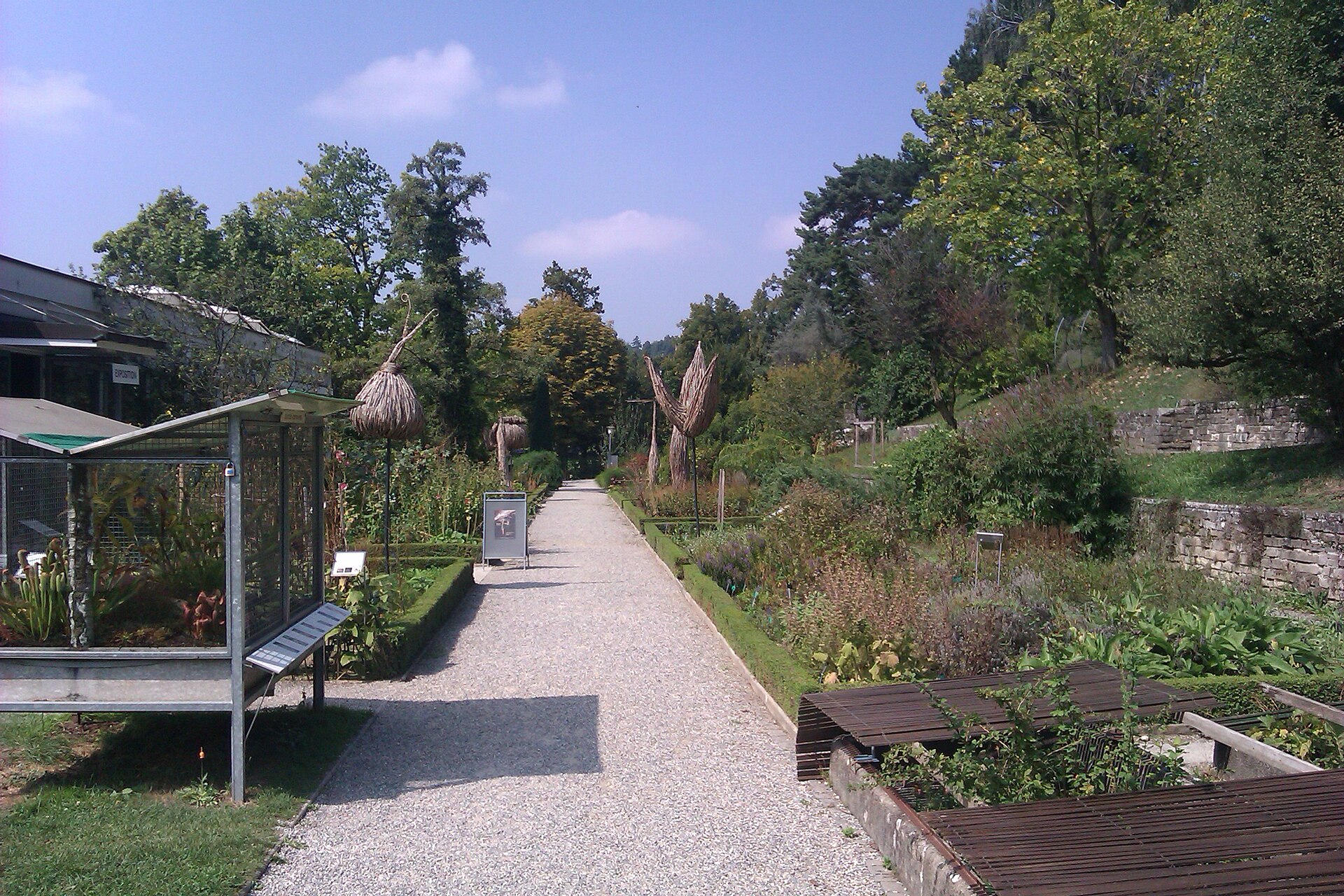
Cantonal Botanical Museum and Gardens
Lozanna
The Cantonal Botanical Museum and Gardens (Jardin botanique cantonal) is a green retreat in the middle of Lausanne, in the canton of Vaud, Switzerland. Since 1 January 2023, the museum and the botanical garden have formed a single botanical department of the Naturéum, Switzerland's natural science museum based in Lausanne. What is this place? The garden and museum now operate as part of the Naturéum. The botanical department covers the museum and botanical garden in Lausanne, plus a second garden, La Thomasia, set in the Alps near the town of Bex. The whole is run under the Service of Cultural Affairs of Vaud. The mission is twofold: studying and protecting local flora, and raising public awareness of biodiversity and nature education more broadly. For a visitor, a walk here is also a lesson in the plants of the region and the reasons to protect them. What can you see in the garden? The garden presents itself as a green space in the city with around 4,000 plant species. Highlights include: a tropical greenhouse, a warm contrast to the Swiss weather outside, a collection of carnivorous plants, a favourite with children, an arboretum with trees that offer plenty of shade for a rest. The garden also takes part in the Naturéum's exhibition programme. Exhibitions change, so check natureum.ch for what is currently on. How to get there The garden is at avenue de Cour 14B in Lausanne, with the main entrance on the place de Milan side. Take the M2 metro (Délices stop) or buses 1 and 25 (Jardin botanique stop). Coordinates: 46.5134, 6.6236. Frequently asked questions Is the garden free to enter? As of 2024, entry to the garden was free. Check the Naturéum website for current rules before you go. Is it the same place as the Naturéum in the Palais de Rumine? They are two sites of the same institution. The botanical garden belongs to the Naturéum's botanical department, while the zoology and geology displays are in the Palais de Rumine on place de la Riponne. Does the institution have another botanical garden? Yes. La Thomasia lies in the Alps near Bex, outside the city. Who is it for? Plant lovers, families with children, anyone after a calm break from city sightseeing, and everyone interested in nature conservation. Tips Plan an unhurried stroll. The garden is best enjoyed slowly, with a stop in the tropical greenhouse and another at the carnivorous plants. If you enjoy natural history, combine the visit with the Naturéum in the city centre for a fuller picture of Vaud's nature. It also works well as a pause between exploring the old town and a walk along Lake Geneva. The garden suits a trip in any season, since the tropical greenhouse is independent of the weather and the arboretum changes through the year. Spring brings blossom, summer brings shade, and autumn brings colour. Thanks to its city location and easy public transport links, it is one of the most accessible places in Lausanne to genuinely slow down.
-
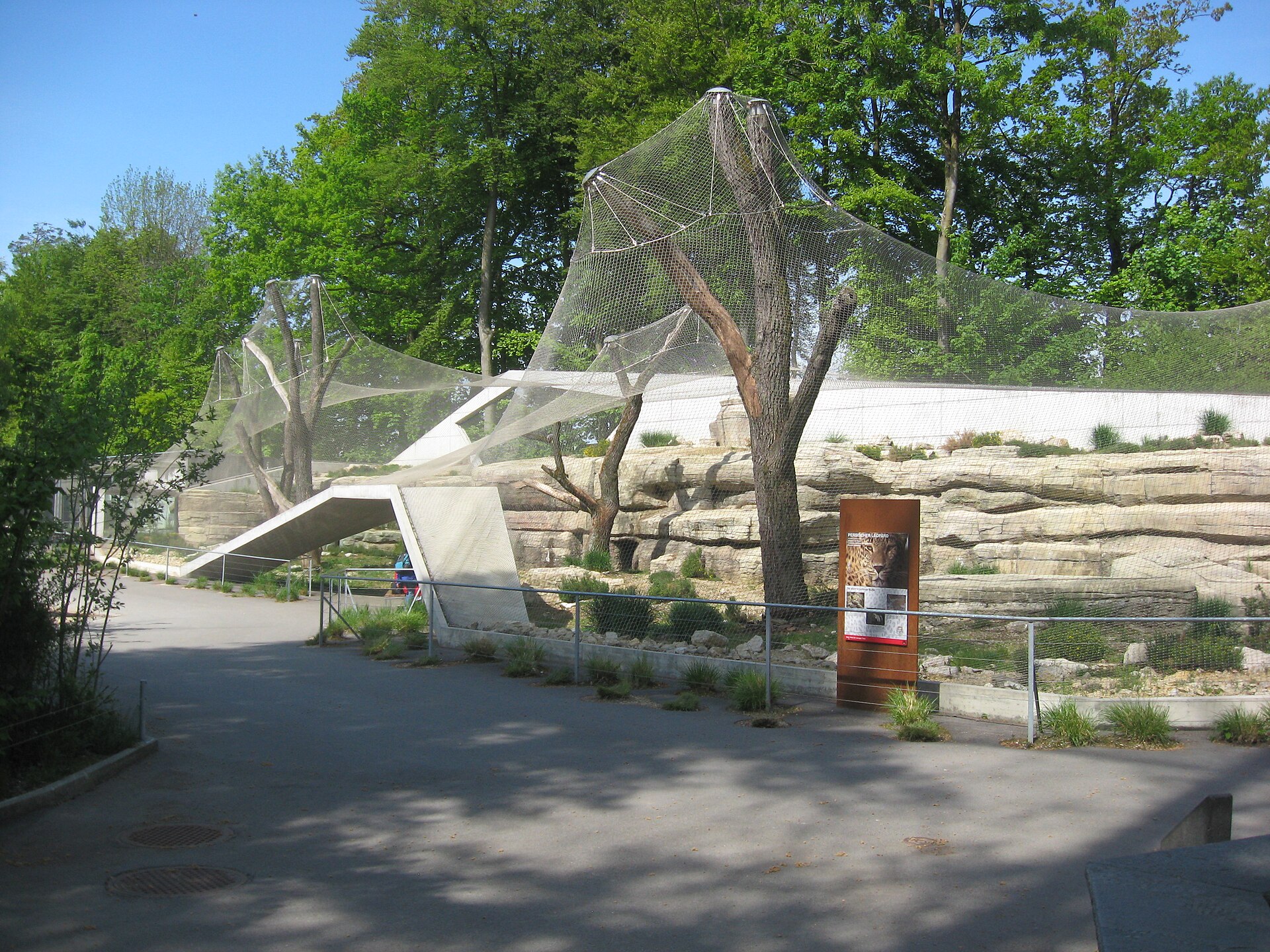
Tierpark Bern
Bern
Tierpark Bern, also known as Tierpark Dählhölzli, is the city zoo of the Swiss capital, set in the Dählhölzli forest on the banks of the Aare, about a kilometre from the centre. It opened in 1937 and today covers around 15 hectares, home to roughly 3,000 animals from more than 200 species. It is a calm family outing where a walk among trees blends with animal watching. What makes Tierpark Bern different? Unlike big zoos built around elephants and giraffes, Bern's zoo feels closer to a nature park. A large share of the collection is made up of European species, and the enclosures sit within real woodland. A visit feels like a stroll through a forest park rather than a classic zoo tour. Paths run through shaded stretches of forest, a real advantage on hot summer days. Who runs it? The zoo is owned by the city of Bern, which funds most of its operation. The Tierparkverein Bern, an affiliated association, supports it on the organisational side. This municipal character makes it an important leisure option for the capital's residents. What to see nearby The BearPark, an enclosure for bears right in the city centre, is part of the Bern Animal Park. It is a separate site with free entry, open every day of the year. The bear has been Bern's emblem for centuries, so it is worth a stop even on a short visit. A free public section of the grounds along the Aare is also open to everyone. The forest trails by the river make a good walk whether or not you go into the paid part of the zoo. How to plan your visit Getting there: the zoo is about a kilometre from the centre, reachable on foot or by public transport. Time needed: allow a few hours for an unhurried walk around the whole park. Season: being in a forest, it offers shade in summer and colourful scenery in autumn. Best for: families with children, nature lovers, and anyone wanting a break from the Old Town's sights. Frequently asked questions Where is Tierpark Bern? In the Dählhölzli forest by the Aare, about a kilometre from central Bern. When did the zoo open? In 1937. How many animals live here? Around 3,000 animals from more than 200 species, across roughly 15 hectares. Will I see exotic animals? European species dominate, so it is more a nature park than a zoo with large African animals. Is the BearPark paid? No. Entry is free and it is open daily all year. Is the whole site paid? No, a section of the grounds with forest trails along the Aare is freely accessible. Tierpark Bern is a good choice when you want to combine a forest walk with time among animals in Bern, without the rush and crowds of Europe's biggest zoos. Because it lies so close to the centre, it fits neatly into a day of sightseeing, especially when travelling with children who, after hours among historic buildings, will happily run around in the fresh air.
-
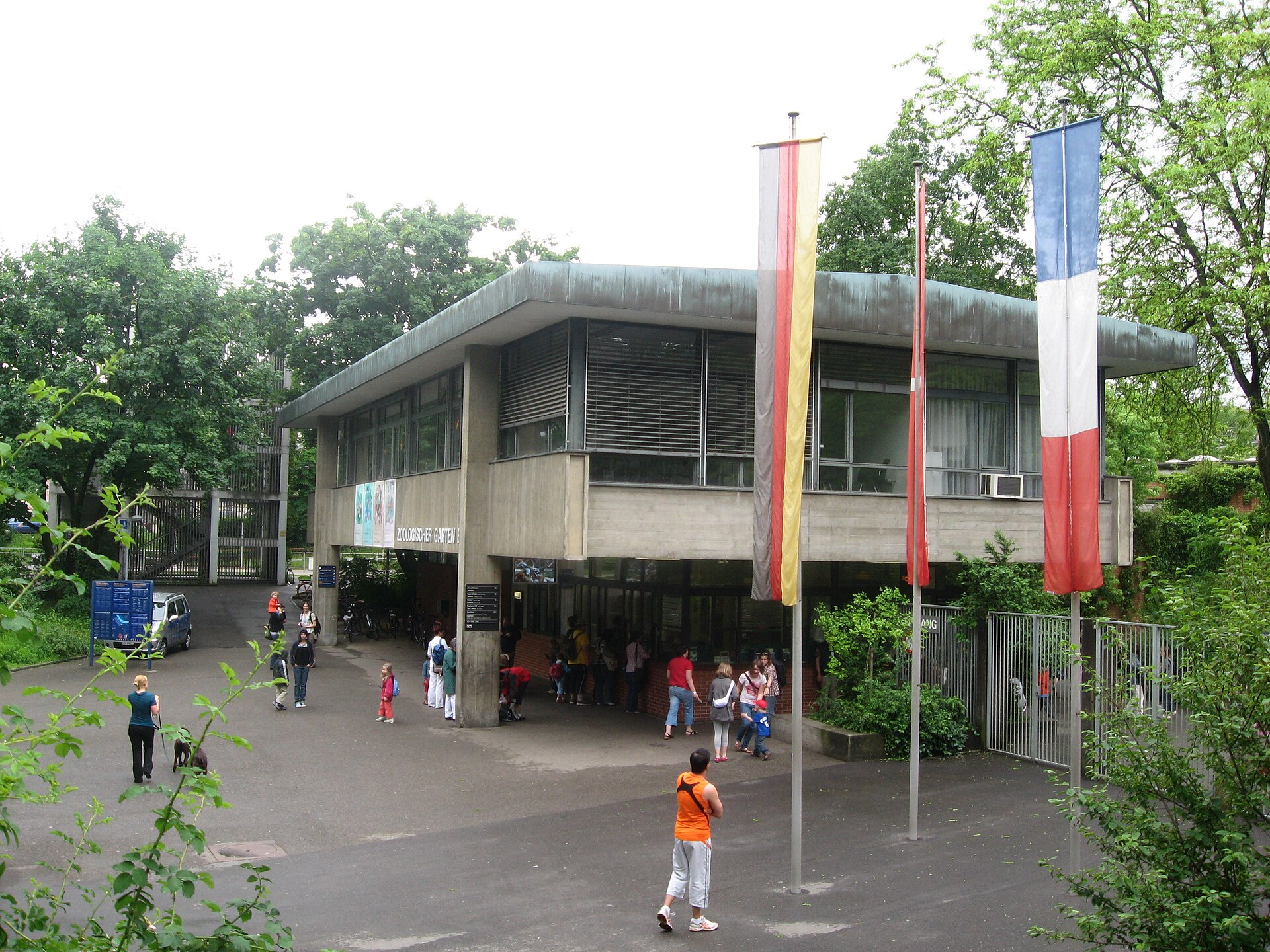
Basel Zoo
Bazylea
Basel Zoo (Zoo Basel), affectionately known as "Basler Zolli", is the oldest zoo in Switzerland. Located in the city of Basel on the Rhine, it has been a favourite family destination for more than 150 years. When did Basel Zoo open? The gates first opened on 3 July 1874, making it the first zoological garden in the country. Locals soon nicknamed it "Zolli". The start was bumpy: after a year, public interest dropped noticeably, so management turned to exotic animals. In 1886 the elephant Miss Kumbuk joined the permanent residents, the first elephant shown in a Swiss zoo. A look at the darker side of its past The zoo's early history also includes a troubling chapter. On the meadow where flamingos now live, "Völkerschauen" were once staged, exhibitions of people from distant lands. Today these episodes are regarded as a problematic part of the zoo's past and come up in discussions of Europe's colonial history. What can you see today? Figures from the end of 2024 count about 11,400 animals from more than 600 species, an impressive collection for a zoo in the middle of a city. Well-known areas include the rhino exhibit and Gamgoas, listed among the garden's main attractions. What is Zolli known for in animal breeding? Basel Zoo has a long record of breeding successes, including: 18 cheetah births, 22 okapi births, 53 pygmy hippopotamus births, more than 400 flamingo chicks. It was also the site of the first Indian rhinoceros birth in any zoo. Results like these reflect the keepers' experience with species that are difficult to breed. How many people visit? In 2024 the zoo recorded roughly 1.23 million visits. Older sources give higher numbers, up to 1.8 million a year, which shows that attendance varies from year to year. In its first period of operation the garden drew big crowds of Basel residents, even though the city was home to only a few tens of thousands of people. Frequently asked questions Is this the oldest zoo in Switzerland? Yes. It opened in 1874 as the country's first zoological garden. Why is it called "Zolli"? It is the local nickname used by people in Basel, and it has become the common name for the zoo across Switzerland. How many species live here? As of the end of 2024, more than 600 species and about 11,400 animals. Is it a good trip with children? Yes, it is a classic family outing. The wide variety of species means a visit can fill much of the day. Has the zoo bred rare species? Yes. Okapis, pygmy hippos, cheetahs and an Indian rhinoceros have been born here, and flamingos have been hatching for decades. Who is it for? Basel Zoo suits families with children, nature lovers and anyone curious about the history of European zoos. Because it lies in Basel itself, it is easy to combine with sightseeing in a city close to the French and German borders.
-
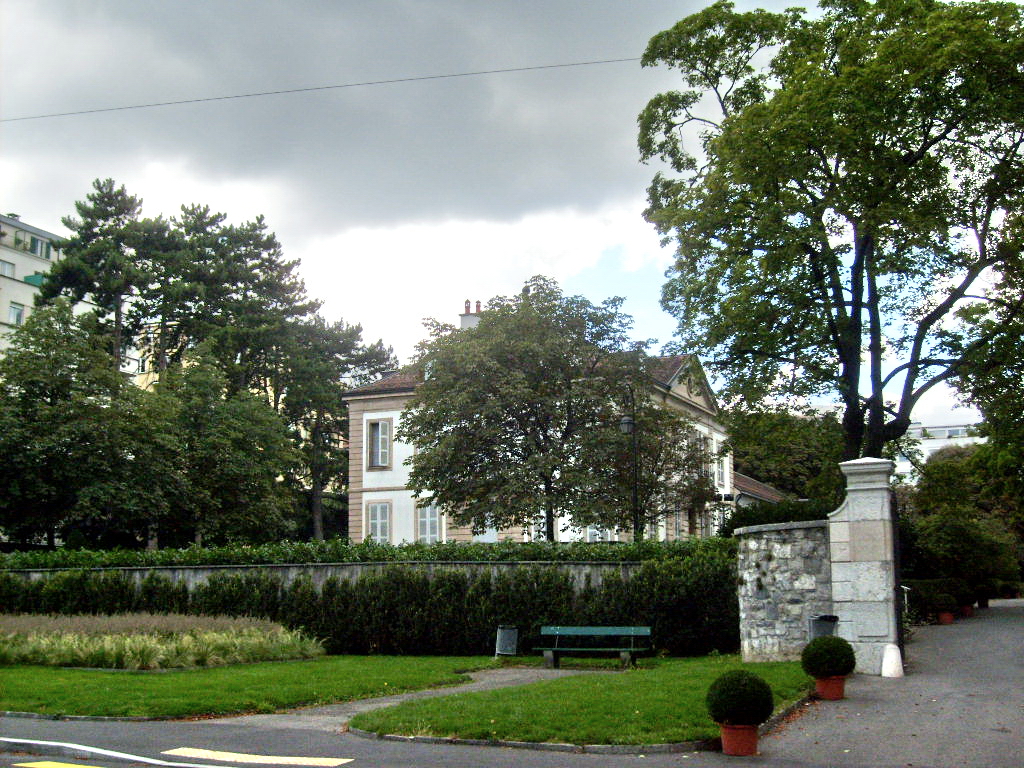
Parc des Délices
Genewa
Parc des Délices is a small public park in Geneva's Saint-Jean district, at rue des Délices 25. Apartment blocks surround it, and at its heart stands Voltaire's former residence, now home to the Institut et Musée Voltaire. Why visit Parc des Délices? It is a quiet pocket of greenery in a densely built part of the city, and one of the places most closely tied to the Enlightenment writer. Voltaire bought the Saint-Jean estate in 1755 and renamed it Les Délices. He lived here until 1760, and works including "Candide" date from this period. A base in Geneva kept him outside the reach of French authorities, who were unhappy with his writings. What will you see? Voltaire enlarged the existing pavilion, laid out a large French-style garden to the south and added a small theatre. Today the grounds work as a public park, with chestnut trees, clipped yews, Austrian black pines, open lawns and mature trees that give shade in summer. It suits a short stroll, a rest on a bench or a picnic between sights. The villa itself stands in the middle. The City of Geneva bought it in 1929, and in 1952 Theodore Besterman founded an institute devoted to Voltaire here. The collection holds around 25,000 volumes on Voltaire and the eighteenth century, plus prints and paintings. The building is linked to the Bibliothèque de Genève. Interiors can be seen on guided tours or at special events, which are sometimes free; check geneve.ch for current dates. How to get there and when to go The park lies in the Délices area, north of central Geneva. Take bus 11 (stop Délices) or bus 9 (stop Musée Voltaire). The park is open around the clock, every day, with free entry. Late spring and summer are the best times, when the trees are in full leaf. The park also hosts local events, such as the neighbourhood spring fair at the end of May. Frequently asked questions Is entry to the park free? Yes. It is a public park, open 24 hours a day. Can I go inside Voltaire's house? Yes, usually on guided tours or special open days. The City of Geneva publishes the dates. How long should I plan? A walk through the park takes 20 to 30 minutes. Add about an hour if you tour the villa. Did Voltaire live here permanently? No. He lived at Les Délices from 1755 to 1760 and then moved to the Ferney area.
-
Montbenon
Lozanna
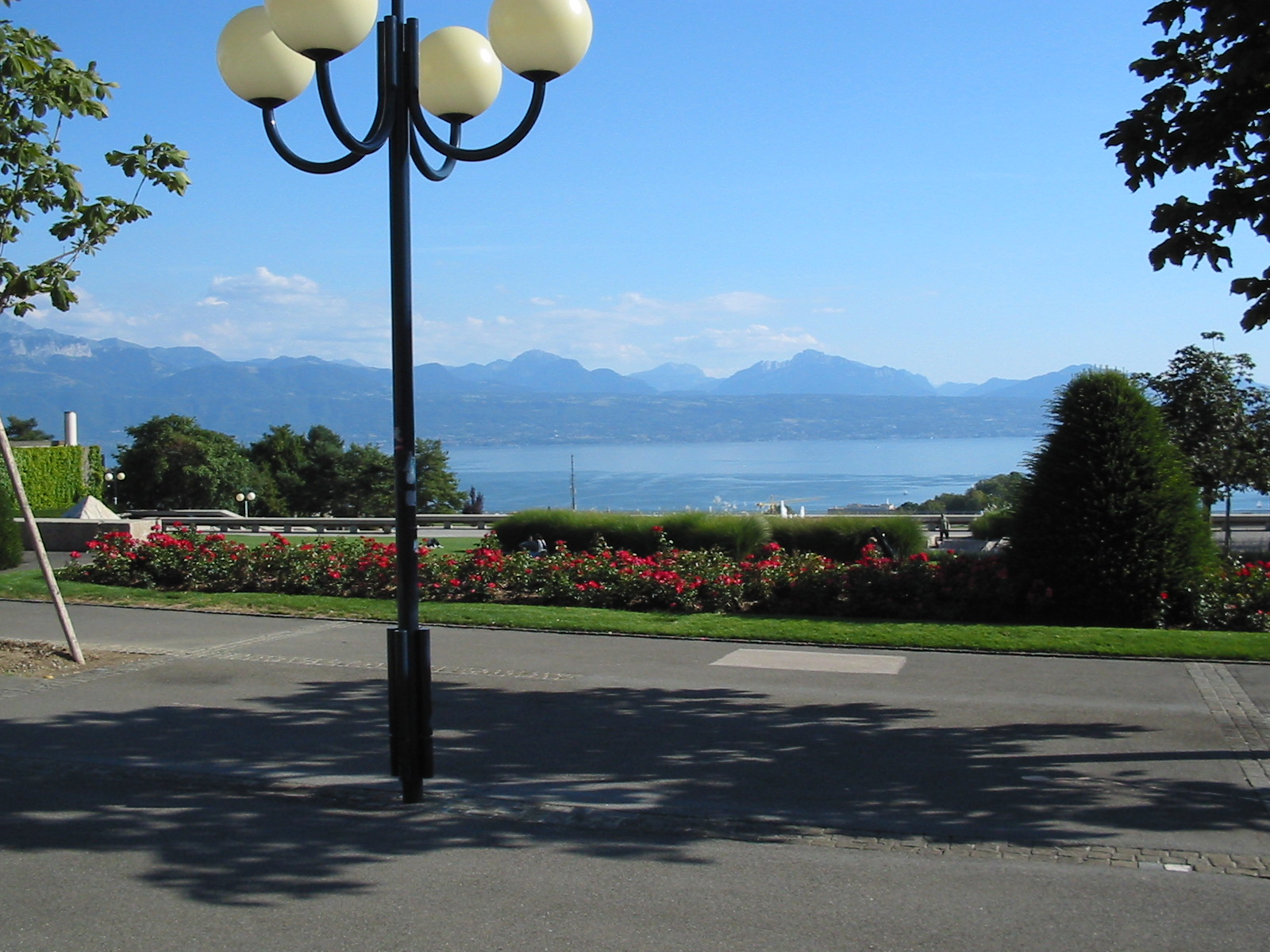
Montbenon is an esplanade and park in the centre of Lausanne, Switzerland, set along a hilltop ridge above Lake Geneva. It lies just south of the Flon district, so you can reach it on foot from the busy city centre within minutes. It ranks among the city's favourite viewpoints and is also where locals come for a lunch break, a stroll or an outdoor game. What is there to see at Montbenon? The headline attraction is the view. From the edge of the terrace you look across the rooftops to the lake and the Alpine peaks on the far shore. The city itself describes the place as one of Lausanne's loveliest flower parks, with centuries-old trees, plenty of benches and open lawns between the paths. Two buildings stand over the park. The neo-Gothic Palais de Justice was built between 1881 and 1886 to a design by architect Benjamin Recordon. The Casino de Montbenon followed in 1908 and housed the headquarters of the International Olympic Committee from 1915 to 1922. Today it is home to the Cinémathèque suisse, the Swiss film archive, along with meeting rooms and a restaurant. What is the history of the site? The land has been open to the public since the 14th century, when its vineyards were cleared. It was used for festivals and military drills, and is sometimes described as a former parade ground. In 1903 the city bought the ground to build the casino and the courthouse, which kept the hill as a public promenade. How do you get to Montbenon? The esplanade sits right next to Flon in the city centre. The easiest approach is on foot from Place Saint-François or from the Flon metro stop. From the old town, climb the steps and streets leading up the hill. Entry to the park is free and open. When is the best time to visit? Pick a clear day, when the Alps across the lake are visible. Late afternoon and sunset give the best light over the water. The park is liveliest in summer, and it is worth checking the Cinémathèque suisse programme if you plan an evening visit. Frequently asked questions Is Montbenon free to visit? Yes, the park and viewing terrace are public and need no ticket. What is inside the Casino de Montbenon? The Cinémathèque suisse, meeting rooms and a restaurant. Can you see the Alps from Montbenon? Yes, in good visibility the esplanade looks over the lake to the mountains beyond. How long should you plan? A walk and the view take 30 to 45 minutes; allow more for a film or a meal.
-
Parc Barton
Genewa
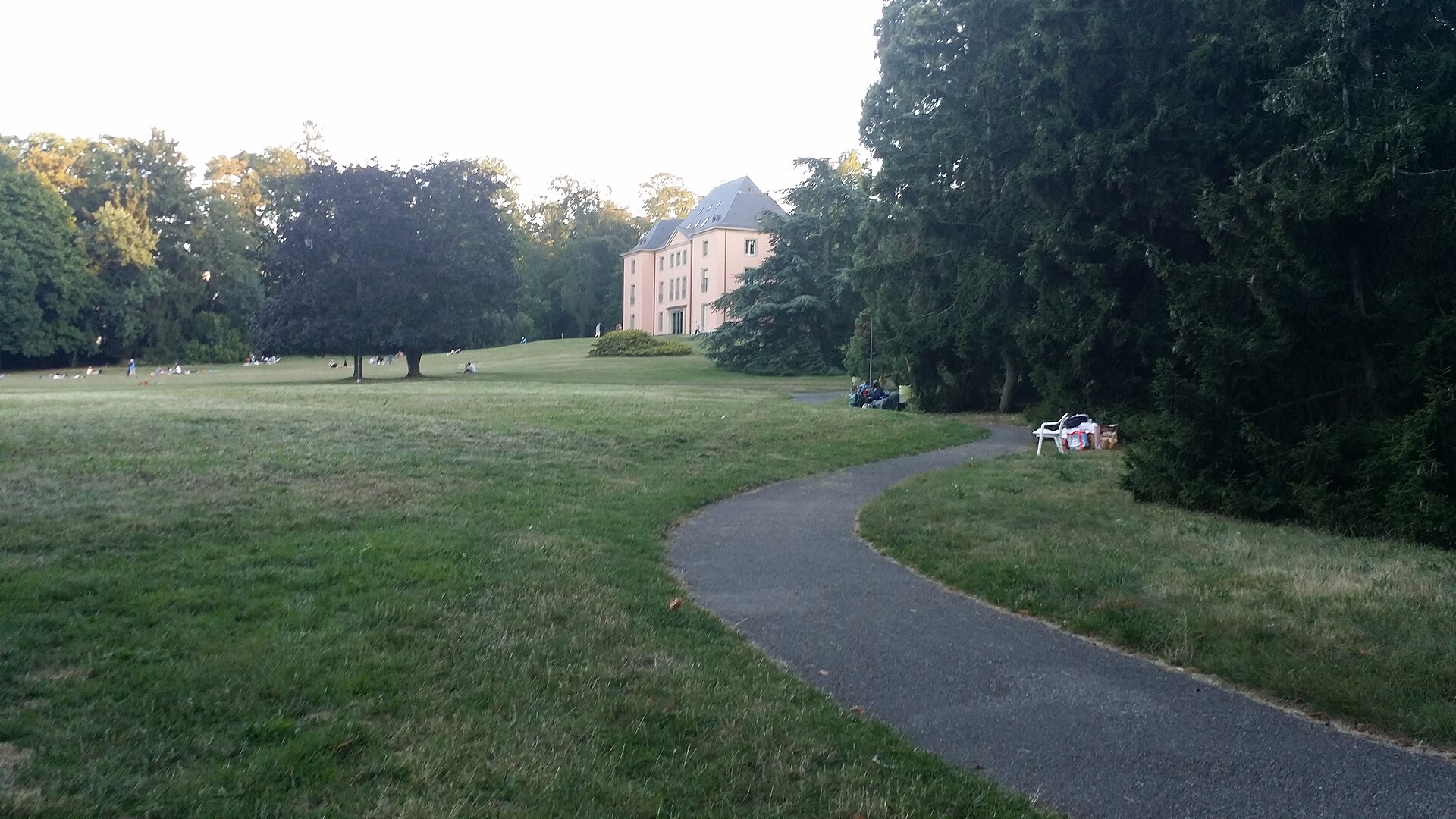
Parc Barton is a public park on Rue de Lausanne in Geneva (postcode 1202), sitting between the Perle du Lac and William Rappard parks. It is free to enter and open day and night, and its giant sequoias make it one of the city's most distinctive green spaces. How did Parc Barton come about? At the end of the 17th century a summer residence with a garden, orchard and vineyard stood on this land. In 1858 Robert Peel, Britain's representative in Switzerland, bought the estate, built a cottage and laid out a landscaped park in the English style. He is also credited with planting the Californian redwoods that still define the place. The name comes from Daniel Barton, the creator of Geneva's Victoria Hall, who married Peel's daughter Alexandra and acquired the estate in 1892. Alexandra Barton Peel, nicknamed the "Queen of Geneva", left the property to the public on condition that no tree be felled. Sources disagree on when the park opened to residents: the Historical Dictionary of Switzerland says 1935, while the city's own page gives 1938. After the League of Nations was founded in 1919, Barton was one of three parks considered as the site for the Palais des Nations. The headquarters were built elsewhere, and the park became part of the city's green spaces. What will you see? The highlight is a stand of about thirty enormous sequoias that tower over everything else. Quiet paths and open lawns run between them, where locals read, rest and walk their dogs. The family's former villa stands in the grounds and now houses the Graduate Institute (Institut de Hautes Études Internationales et du Développement), so on weekdays you will see students and staff crossing the park. The grounds themselves remain fully open. Can you combine it with other places? Barton is part of a chain of parks by Lake Geneva. Perle du Lac and William Rappard are its neighbours, so you can plan a walk that moves from one green space to the next. It makes a good pause after visiting the international-organisations quarter. When should you go? The park never closes, but daytime is best. In spring and summer the lawns are green and the sequoias give deep shade; in autumn the paths are scattered with needles and cones, and in winter the tall silhouettes stand out against the sky. A walk around the whole park takes a few minutes, a little longer if you stop for photos. Frequently asked questions Is Parc Barton free? Yes. It is a municipal park with no entry fee. What are the opening hours? There are none: the park is accessible 24 hours a day. What is the building in the park? The former Barton family villa is occupied by the Graduate Institute, a university focused on international studies and development. The interior is for the institute's use and is not a tourist attraction. What makes it different from other Geneva parks? The sequoias: roughly thirty giant trees of this species grow here, and the site's history is tied to the Peel and Barton families and to the plan to build the Palais des Nations.
-

Naturbad Riehen
Riehen
Naturbad Riehen is a public swimming spot in the municipality of Riehen, right next to Basel in Switzerland. Instead of a chlorinated pool, it offers fully biologically cleaned water, and it was designed by the architects Herzog & de Meuron, best known for projects such as Tate Modern. What is this place? The bathing facility sits at Weilstrasse 69 and runs seasonally, during the warm months. Riehen launched a competition to renew its swimming pools back in 1979, and Herzog & de Meuron won it. The project was put on hold in 1982 and only revived in 2007. The architects then proposed a facility as close to nature as possible, with biological water filtration. For visitors this means swimming in a pond-like body of water rather than a conventional concrete basin. How is the water cleaned? No chemicals are used. Regeneration zones planted with aquatic plants surround the swimming area. Water also passes through dry and wet filters, and as it seeps through, microorganisms remove germs. This makes the site one of Switzerland's "Naturbäder", natural pools without chlorine. When to go The season runs through summer; in 2026 the main season spans from mid-June to the end of August. Opening hours and current prices are best checked on the official site, naturbadriehen.ch, since they depend on weather and season. Tickets come in adult, reduced and child categories, and multi-entry and season passes are available. In summer the site hosts activities such as the Aqua Rhythm water gymnastics class, which only requires regular admission. Why visit? Architecture by a world-famous studio in an unusual recreational role. Chlorine-free water filtered by plants and microorganisms. A quiet setting in Riehen, close to Basel and the German border. A good stop on a trip to nearby museums and gardens. Frequently asked questions Does Naturbad Riehen use chlorine? No. The water is cleaned biologically, through plants, microorganisms and filters. Who designed it? The architecture firm Herzog & de Meuron, which won the municipality's competition. Is it open all year? No, it is a seasonal facility with its main season in summer. The official website lists current dates. Are there activities for guests? Yes, in summer there are classes such as Aqua Rhythm, a form of water gymnastics. How do I get there? It is in Riehen near Basel, at Weilstrasse 69, 4125 Riehen. Reaching it from Basel by public transport is straightforward; check timetables before you set out. Who is it for? Families, people who prefer to avoid chlorine, fans of contemporary architecture, and anyone who would rather swim in water that feels closer to a lake than to a city pool. It works for a short dip after work or a full day relaxing on the lawns around the water, especially on hot summer days when the Basel area gets very warm. Its position near the German and French borders also makes it easy to combine with a trip around the tri-border region and its small towns.
-
Alpamare
Pfäffikon SZ
Alpamare is one of Switzerland's best-known water parks, located in Pfäffikon in the canton of Schwyz, on Lake Zurich. The complex opened on 14 June 1977 and has drawn families, slide fans and spa-goers for decades. What is there to see and do at Alpamare? The site covers roughly 25,000 square metres. It includes four pools, a wellness area and twelve water slides with a combined length of about 2,100 metres. The slides are the park's calling card, and several were built by Klarer Freizeitanlagen. Which are the most famous slides? One headline attraction is the Jungle Run, a racing slide with two parallel tracks. According to Coasterpedia it is about 220 metres long and 22.5 metres high, and it opened in July 2018. Two lanes make it ideal for racing friends or family members. Another well-known ride is Balla Balla. Tourism listings describe a 261-metre run that starts in a black tube and continues through an open red half-pipe, billed as a European record for length. Coasterpedia gives 1999 as its opening year. You will also find Thriller (made by ProSlide), Cobra from 2013, Tornado, and King Cone from 2012, about 16.7 metres high and 153 metres long. The mix runs from fast straight drops to spiralling funnels. Who is Alpamare for? It suits families with children, groups of friends and adults who want to combine adrenaline with relaxation. The four pools offer a break between rides, while the wellness area is the place for a calmer part of the day. Plan on spending a good part of a day here, as the offering is extensive. How to plan your visit Alpamare is in Pfäffikon SZ, close to the shore of Lake Zurich, in a region easy to reach from Zurich and the surrounding area. Because of seasonality, opening hours and occasional temporary closures of individual attractions, check the operator's official website before you travel. During peak season and school holidays expect more visitors and longer queues at the most popular slides. Bring swimwear, a towel and flip-flops. Remember that height and age limits apply on the slides, and some are meant for older children and adults. Frequently asked questions When did Alpamare open? The park opened on 14 June 1977. How many slides does Alpamare in Pfäffikon have? Twelve, with a combined length of about 2,100 metres. What is the Jungle Run? A racing slide with two parallel tracks, about 220 metres long, opened in 2018. Is there a wellness area? Yes, alongside the pools and slides there is a wellness area. Is this the same as Alpamare in Scarborough? No. Alpamare in Scarborough, England, is a separate indoor water park. The one described here is in Pfäffikon SZ, Switzerland. Alpamare is a solid choice for a day of water, fast rides and relaxation, whatever your age.
-
Eglisee
Basel
Gartenbad Eglisee is the oldest outdoor pool in Basel, set in the Kleinbasel district at Egliseestrasse 85. It works all year: an open-air bath in summer, an indoor pool in winter. It sits close to the Badischer Bahnhof and the Lange Erlen zoo, so it fits easily into a day exploring this side of the city. What can you do here? The centrepiece is a 50-metre pool. The grounds also hold a 3-metre diving board, a children's pool and a restaurant for a meal after your swim. The site is step-free, with changing rooms and sanitary facilities adapted for wheelchair users. What makes Eglisee special? The most distinctive feature is the seasonal air-supported hall, a tent-like dome held up by air pressure. From autumn to spring it covers the 50-metre pool, so you can swim even in cold months. Waste heat from the neighbouring ice rink warms the water and the air inside. The hall has been in operation since October 2017, and among its users is the swimming club Schwimmverein beider Basel. The second curiosity is the "Fraueli", a separate women-only bath, the only one of its kind in Basel. It admits women aged 16 and over, and infants may come along. A short history Eglisee replaced an older bathhouse, the Badhysli on the Riehenteich, which had to go when the Badischer Bahnhof was built around 1906-07. The first bath, known as the Luft- und Sonnenbad Egliseeholz, opened in the early twentieth century (sources give 1910 or 1911). It was not designed for separate sexes, so women and men used it at different times. In 1930-31 the site was rebuilt as a modern Gartenbad and opened under its present name. Julius Maurizio and Beda Hefti are credited with the plans. In 1936 a grandstand, floodlighting and a 10-metre diving tower were added, which set a benchmark for pool construction at the time; the tower was removed in 1968. In 1969 two artificial ice rinks began appearing over the pools each winter. Of the original bath only the entrance building survives, and it is a listed monument. Practical tips Address: Egliseestrasse 85, 4058 Basel. Outdoor season: according to the city website, the next open-air season starts on 15 May 2027. Hours are longer in summer (7-21 on weekdays) and shorter at the start of the season (9-20). Winter: the covered section under the air hall is available in the colder half of the year. Current details: check bs.ch shortly before your visit, since hours and prices change from season to season. Frequently asked questions Is Eglisee open in winter? Yes, the 50-metre pool is then covered by the air-supported hall and works as an indoor pool. Is there a women-only area? Yes, the Fraueli is a separate bath for women aged 16 and over, the only one in the city. Is it wheelchair accessible? Yes, the grounds are level and the changing rooms and toilets are adapted. How far is it from the station? It is near the Badischer Bahnhof, close to the Lange Erlen zoo. What is heritage-listed? The entrance building from the original bath.
-
Botanical Garden St. Gallen
St. Gallen
Botanical Garden St. Gallen (Botanischer Garten St. Gallen) is a free green retreat in the Neudorf district, at Stephanshornstrasse 4. Outdoors and inside several greenhouses it holds around 8,000 labeled plants from across the globe. It makes a calm break from sightseeing in a city best known for its abbey and library. Does it cost anything to visit? Both the park and the greenhouses are free during opening hours. There is no ticket to buy and no slot to book. Check the garden's official website for current hours before you go, since they can change with the season. What is there to see outdoors? The open-air grounds are arranged in roughly 20 sections. The layout follows several logics: plants grouped by world region, themes familiar from school biology, and useful crops. There are also dedicated collections, including a maple garden and a fern garden. Every plant carries a label, so a walk here works like a self-guided botany lesson. The outdoor area was thoroughly renewed in 2011. Which greenhouses are worth visiting? The Alpine House, built in 1993, is often noted for its architecture and shows mountain plants. The Tropical House, built in 1998, shelters rainforest plants, succulents, crop plants and orchids. The Orchid House, added in 2007, expanded the orchid collection. Separate houses are devoted to carnivorous plants and to living stones (Lithops), which look remarkably like pebbles. What is new? In 2020 a timber building with a lecture hall opened in the garden, replacing three dilapidated nursery greenhouses. The garden therefore serves education as well as visitors, with talks and events held in the hall. Frequently asked questions Is admission free? Yes. The park and greenhouses are free during opening hours. How many plants can I see? About 8,000 labeled plants, both outdoors and under glass. Where is the garden? In the Neudorf district of St. Gallen, at Stephanshornstrasse 4. How long should I plan for a visit? One to two hours is comfortable for the outdoor sections and a walk through the greenhouses, and plant lovers may want longer. Is it worth visiting outside summer? Yes. The tropical and Alpine houses let you enjoy plants whatever the weather, and a rainy day in eastern Switzerland is a good excuse to shelter among orchids and ferns. Who is it for? Families with children will enjoy the carnivorous plants and living stones, photographers will find colorful scenes, and anyone wanting a rest from city traffic will appreciate the quiet. Since entry is free, you can drop in for a short while even if you are only passing through St. Gallen.
-
Flore-Alpe botanical garden
Champex-Lac
Flore-Alpe Botanical Garden is an alpine garden in Champex-Lac, in the municipality of Orsières in the Swiss canton of Valais. It sits at around 1,500 metres above Lake Champex and has gathered mountain plants from around the world since 1927. What is Flore-Alpe? The garden was founded in 1927 as a collection of alpine plants and is still regarded as one of the richest in the Alps. It is listed as a heritage site of national significance in Switzerland. Its holdings include about 4,000 species: the regional flora, plants of the Alps, of other European ranges and of other continents. What can you see? Plants are arranged by habitat, so a walk feels like crossing several mountain worlds. Paths run through rock gardens and past small pools. Distinct environments include: scree and rocky debris, wetlands, peat bogs, dry grasslands. Well-known groups include gentians, primroses, rhododendrons, saxifrages and houseleeks. There are also medicinal plants, showing how mountain herbs were traditionally used. Why is it admired? Flore-Alpe combines species conservation, scientific research and public outreach. In 2007 it received the Schulthess Prize for Swiss heritage gardens, and in 2024 the Prix du Patrimoine Naturel from the Etrillard foundation, which praised exactly this mix of conservation, science and education. When should you visit? The garden is seasonal and opens in the snow-free months, generally from May to October, during daytime hours. Spring and early summer bring many alpine species into bloom, and summer shows the collection at its fullest. Guided visits are available on request. Check the official website for current opening hours and ticket prices before you travel, as they change from season to season. Frequently asked questions Where is Flore-Alpe? In Champex-Lac, beside the lake of the same name, in the municipality of Orsières, canton of Valais, Switzerland. How many plant species are there? The collection holds about 4,000 species from different parts of the world, grouped by habitat type. Is it open all year? No. It opens seasonally, roughly May to October, when there is no snow on the mountain. Can I take a guided tour? Yes, guided tours can be arranged on request. Who is it for? Botany lovers, nature photographers, families and anyone who wants a quiet walk combined with learning about mountain plants. It pairs easily with a day by Lake Champex, so you can plan both attractions together.
-
Botanical garden "La Thomasia"
Les Plans-sur-Bex
La Thomasia Botanical Garden is an alpine garden in the Vaud Alps of Switzerland, in Les Plans-sur-Bex, in the Pont de Nant area. It sits at roughly 1,260 metres above sea level, below the west face of the Grand Muveran, at the entrance to the Vallon de Pont de Nant. It is a place where botany meets a true mountain landscape. Where is La Thomasia? The garden lies in the canton of Vaud, within the municipality of Bex, in the western Swiss Alps. Steep rock walls rise around it, and the cool mountain climate suits high-altitude plants well. The coordinates are about 46.251 N, 7.111 E. What is the history of the garden? The La Thomasia nature reserve was founded by the Thomas family in 1891. Since then it has grown into a collection of mountain plants from around the world. On 1 January 2023 it became part of NATURÉUM, the cantonal natural sciences museum, which merged the earlier cantonal museums of botany, geology and zoology in Vaud. What can you see there? The collection holds around 3,000 mountain plants, arranged by geographic origin, so a stroll feels like a tour through the world's great ranges. Alongside local Alpine flowers you will find species from the Himalayas, the Rocky Mountains, the Caucasus, the Andes, Japan, New Zealand, the Moroccan Atlas and the Arctic. There are also rock plants and a small arboretum. When should you visit? The garden is generally open in season, from mid-May to mid-October, from sunrise to sunset. Entry is free. Late spring and early summer are often the most colourful, when many alpine species bloom, but autumn has its own charm and themed tours are sometimes scheduled then. Opening details can change, so check the NATURÉUM website before you go. Are there guided tours? Yes. Free guided tours are offered during the season and led by botanist and gardener François Bonnet. Themes vary, from medicinal plants to the garden in autumn colours. A tour is a good way to learn about the species and their stories rather than just reading labels. How do you get there? From Bex you can take the bus to Les Plans and walk about 2 km from there. You can also drive, and there is parking near the garden. The mountain road is part of the experience, and the valley invites longer walks afterwards. Frequently asked questions Is La Thomasia free to enter? Yes, entry is free. When is the garden open? Usually from 15 May to 15 October, from sunrise to sunset. Details may vary by season. How many plants grow there? About 3,000 mountain plants from several continents. Who runs the garden? It belongs to NATURÉUM, the cantonal natural sciences museum of Vaud, since the start of 2023. Can you walk there? Yes, from the Les Plans bus stop it is roughly a 2 km walk.
-
L'horloge fleurie
Genewa
L'horloge fleurie, Geneva's Flower Clock, is one of the city's most photographed sights. A huge dial built from living plants sits on the western side of the Jardin Anglais park, right beside Lake Geneva. What is the Flower Clock in Geneva? It is a working clock whose dial is planted rather than painted or printed. Flowers form the pattern on a lawn, and hands sweep above it. The time it shows is synchronised by satellite, so despite its decorative look it is a genuine precision timepiece, not just an ornament. Why was it created? The clock was installed in 1955 as a tribute to Geneva's watchmaking craft. For centuries the city has been a symbol of Swiss horology, and a floral dial in the heart of town is a friendly, visitor-ready way to celebrate that heritage. It quickly became a standard stop on any visit to the city. What to look for The seconds hand. It measures 2.5 metres and is regarded as the longest of its kind in the world. Changing plants. The planting is redesigned each season, so the dial looks different depending on when you come. Spring and summer are the most colourful. Hands donated by Patek Philippe. In 2017 the clock was refreshed with a new floral concept. The city received new, elegantly shaped hands as a gift from Patek Philippe, one of Geneva's best-known watchmakers. The Jardin Anglais setting The Jardin Anglais was laid out on land reclaimed from the lake after the old city fortifications were pulled down. It was the first park in Geneva designed in the English style, with winding paths and trees planted without strict alignment. Originally called the Promenade du Lac, it remains a popular place for a lakeside stroll. Because the clock stands close to the water, photos of the dial often include the lake and city skyline behind it. Planning your visit Entry is open, and the clock can be viewed at any hour since it stands in the open space of the park. Morning and late afternoon often give the best light for photos. A visit usually takes only a few minutes, so it combines well with a walk along the quays and into the old town. Public transport reaches the area easily, with a stop near the park. Frequently asked questions Does the clock show the correct time? Yes. It is set by satellite signal, so it is accurate. When was the Flower Clock created? In 1955, as a tribute to Geneva's watchmaking industry. Is there an admission fee? No. It stands in a public park and is free to see. Does it always look the same? No. The planting is redone each season, so every visit can bring a different look. Where exactly is it? On the western side of the Jardin Anglais, by the lake, in central Geneva.
-
Parco Scherrer
Morcote
Parco Scherrer (Scherrer Park) is a botanical and sculpture garden on the steep shore of Lake Lugano in Morcote, in the Swiss canton of Ticino. Terraces tumble down toward the water, mixing subtropical vegetation with statues, fountains and buildings inspired by faraway cultures. Who created the park? The garden grew out of the passion of Arturo Scherrer, a textile merchant from St. Gallen who loved travel, art and culture. Around 1930 the family bought a house in Morcote with roughly a hectare of land. Over time the slopes and terraces became a richly designed private garden filled with souvenirs from his journeys, replicas of historic structures and sculpture. In 1965 his widow, Amalia, donated the estate to the municipality of Morcote and asked that it be opened to the public. The park is kept close to the way the family originally imagined it. Which plants grow here? The mild climate on the southern side of the Alps allows species that are rare elsewhere in Switzerland. You will find palms, camellias, wisterias, oleanders, cedars, cypresses, camphor trees, eucalyptus, magnolias, azaleas, orange and lemon trees, and bamboo. Many of the plants are fragrant, so a walk feels different with every season. What else is there besides plants? The garden blends two styles: Mediterranean and Asian. In a shaded dell leading to the Belvedere terrace stand statues of Venus, Hercules, Juno and Jupiter. In the area known as the Indian Garden, a building is modelled on the Renaissance Palazzo Salo in Brugine near Padua; its interior recalls a women's quarters in Mughal style. Close by are sculptures of four stone elephants, three cobras, and a model of the sacred cow of Mysore. Together they create the feeling of a journey from Morocco through India to Japan. Is the park recognised? Yes. Parco Scherrer belongs to the Grandi Giardini Italiani network and to the Gardens of Switzerland network, both of which group notable gardens. It is also one of the main attractions of Morcote, regarded as one of the prettiest villages on Lake Lugano. When should you visit? The park is seasonal, open from mid-March to early November. Spring is the best time for blooming camellias, azaleas and magnolias, but early autumn has its own charm, with softer light and very clear views over the lake. Plan at least an hour: the paths wind and the terraces sit at different heights, so there are plenty of steps. Comfortable shoes matter more here than a camera. Frequently asked questions Where is Parco Scherrer? In Morcote, at the southern tip of the peninsula on Lake Lugano, in Ticino. Is it a private garden? No. Since 1965 it has belonged to the municipality of Morcote and is open to visitors. Is it a museum? Swiss museum directories list it as a museum site, but in practice it is an open-air garden with sculptures and buildings. What can I see from the terraces? Views over the lake and surrounding hills, and between the trees the rooftops and narrow lanes of Morcote. Who is the park for? Lovers of botany, photography, garden architecture and quiet walks, as well as families who enjoy discovering hidden corners.
-
University of Basel Botanical Garden
Bazylea
The University of Basel Botanical Garden (Botanischer Garten der Universität Basel) is a green retreat beside the old Spalentor city gate, a short walk from the historic centre. It is one of the oldest botanical gardens in Europe, and a place where serious plant science meets an easy city stroll. How did the garden begin? The garden dates back to 1589, when Caspar Bauhin, the first professor of anatomy and botany at the university, founded it. The original garden was mainly a medicinal herb garden, used to teach future physicians and apothecaries. It stood near the Rheinsprung, close to the old university buildings. Over the centuries its site and role changed, and in 1898 the university laid out the garden you can visit today by the Spalentor. Today the garden belongs to the university and is tied to its botanical institute. It is a tourist-friendly spot, but also a working teaching and research collection: students learn to recognise species here, and researchers observe plants in cultivation. What can you see? The garden covers roughly 8,000 square meters and holds more than 7,500 plant species from the world's major climate zones and biomes. Part of the collection grows outdoors, and part is housed in four greenhouses that provide conditions for tropical and subtropical plants. In a single afternoon you can move from temperate vegetation to species that normally grow thousands of kilometers from Switzerland. Notice how the beds are organised. Plants are grouped by theme and geographic origin, and many carry labels with their Latin names. That makes it easier to grasp the diversity of the plant world, even if you are not a botanist. Where is it and how do you get there? The address is Spalengraben 8, on the western side of central Basel. From the market square and the cathedral area it is a walk of around fifteen minutes, and city trams stop near the Spalentor. The garden fits naturally into a sightseeing day, for example after the Natural History Museum or a stroll through the Old Town. When should you visit? The garden is open to visitors all year round, which helps when the weather is unpredictable. In spring and summer the flowering outdoor beds make the biggest impression. In autumn and winter, when it is cold and grey outside, the greenhouses offer green shelter and warm air. Opening hours for the greenhouses and the outdoor area can differ, so check current information on the university website before you go. Who is it for? Plant lovers and photographers will find hundreds of species and appealing compositions. Families with children can turn the visit into a lively nature lesson. Anyone looking for a quiet moment in the city can enjoy the shade of the trees and calm paths. Travellers interested in the history of science will see a place with roots in the late 16th century. Frequently asked questions When was the botanical garden in Basel founded? The university garden goes back to 1589, and the current site by the Spalentor dates from 1898. How many plant species grow here? More than 7,500 species across about 8,000 square meters. Is the garden open all year? Yes, it is open to visitors throughout the year, helped by its greenhouses. Where exactly is it? At Spalengraben 8, near the Spalentor gate in Basel. How much time should I plan? A relaxed visit to the grounds and greenhouses usually takes one to two hours.
-
Neuchâtel Botanical Gardens
Neuchâtel
Neuchâtel Botanical Gardens Neuchâtel Botanical Gardens (Jardin botanique de Neuchâtel) is a park of about 8 hectares set in the Vallon de l'Ermitage valley, at the edge of the Chaumont forests just above the city of Neuchâtel in western Switzerland. It combines plant collections, quiet parkland and walking paths in a green setting. What can you see here? The grounds include meadows, shrubland and a peat bog, with local species growing alongside exotic plants. Information brochures describe collections of several thousand species and varieties; the figures differ by source, from around 3,000 to more than 3,600. The layout follows the natural shape of the valley, so a visit feels like a stroll through changing landscapes rather than a walk along one symmetrical avenue. A separate section is the evolution garden, completely renovated in 2014. It presents the development of the plant world in a way that is accessible even to visitors with no background in biology. The villa and exhibitions A villa dating from 1901 stands in the gardens. It serves as a documentation point, hosting exhibitions and holding publications related to the garden and plants. A short history In 1990 the city of Neuchâtel bought two adjoining plots, of roughly 35,000 and 21,000 square metres, for 2,680,000 francs, to protect the valley from development. The canton later bought neighbouring land, including plots with buildings once used for experimental cultivation. Today the city owns the large western parcel, while the canton owns the eastern parcels where most of the buildings stand. The garden operates as a museum institution and marked its twentieth anniversary in 2018. Frequently asked questions Where are the gardens? In the Vallon de l'Ermitage valley on the outskirts of Neuchâtel, next to the Chaumont forests. How big are they? The park covers about 8 hectares. Is it good for a family walk? Yes. Meadows, a peat bog and varied terrain keep the walk interesting, and the evolution garden explains the plant world well, including to children. What should I check before visiting? Opening hours, ticket prices and current exhibitions are best confirmed on the garden's official website, as they can change with the season. Who is it for? The gardens suit botany enthusiasts, photographers, families with children and anyone who wants a break from city bustle and a walk among plants during a visit to Neuchâtel. Spring or early summer, when the greenery is at its fullest, is a good time to go, though the valley looks different in every season.
-
Sukkulenten-Sammlung Zürich
Sukkulenten-Sammlung Zürich is the city's botanical garden devoted entirely to succulent plants, set beside Lake Zurich. Many visitors pass it on the way to the lake baths without stopping, yet it makes an easy, rewarding visit, especially on a rainy day. What is the Sukkulenten-Sammlung Zürich? The German name literally means "succulent plant collection of the city of Zürich". It is officially a botanical garden, but it is more than a set of greenhouses. On site you will also find a botanical library and a herbarium, and the site hosts the International Organization for Succulent Plant Research (IOS). The collection therefore works both as a public display and as a base for scientific study. Where is it and how do I get there? The garden stands at Mythenquai 88, close to the Strandbad lido on the western shore of the lake. Take bus 161 or 165 to the "Sukkulentensammlung" stop, or tram 7 to "Brunaustrasse". It is a short ride from the city centre, and the surrounding lakeside promenade is pleasant for a walk. What can you see? According to the Swiss museum directory, the collection holds more than 4,400 species from 79 plant families. The plants are arranged across seven display houses and an outdoor area. Other sources give different figures, so treat the number as approximate. Expect cacti and other drought-adapted plants that store water in leaves, stems or roots. For anyone who has never seen such plants up close, the variety of shapes can be surprising. Is it free, and when is it open? Entry is free. Opening hours differ between sources: the city page and the museum directory generally point to daytime hours of 9:00 to 16:30, but the days of the week are not consistent. Check the official City of Zurich page before you go. Guided visits are possible by prior arrangement. Frequently asked questions Do I need to pay? No, admission to the collection is free. How long should I plan? About an hour is usually enough for a relaxed walk through the houses and garden; plant lovers may stay longer. Can I combine it with other sights? Yes. It sits on the lakeside promenade next to the lido, so it pairs easily with a walk by the water. Are there seasonal events? An evening opening for the flowering of the "queen of the night" in June or July is announced through the newsletter of the garden's supporters' association. Is it a good choice in bad weather? Yes, much of the display is under glass, so weather matters less than in a typical park.
-
Arosa Bärenland
Innerarosa
Arosa Bärenland is a bear sanctuary in the Swiss Alps, set at about 2,000 metres above sea level above the resort of Arosa in the canton of Graubünden. It was Switzerland's first bear conservation centre, giving animals rescued from poor captivity a large mountain habitat. For visitors it combines an alpine walk, a chance to watch big carnivores and a lesson in animal welfare. What is Arosa Bärenland? The centre opened in August 2018 as a joint project of the animal welfare organisation FOUR PAWS, Arosa Tourism and the Arosa Bears Foundation. It is not a traditional zoo. The enclosure is a wide stretch of mountainside with slopes, rocks, trees and water, and the goal is lifelong care for bears that previously suffered in captivity. It has room for up to five animals. Which bears live here? The first resident, Napa, died in November 2020. Three bears live here today: Meimo and Amelia – former restaurant bears kept in a private mini-zoo in Albania. They arrived in Arosa in 2019. Jambolina – a former circus bear from Ukraine, brought to Switzerland in 2020. Panels along the route tell each animal's story, which shows why places like this exist. What is the visit like? You watch the bears from a viewing platform and from an elevated path with several observation points. Information panels explain how brown bears live, what they eat and how they hibernate. The animals move freely, so a close sighting is never guaranteed. Sometimes they rest among the trees, so leave yourself some time. Families get extra attractions: a bear-themed minigolf course and an adventure playground. Together they make a comfortable half-day outing. How do I get there? The sanctuary stands next to the middle station of the Arosa–Weisshorn cable car. From the centre of Arosa you ride the lift and then walk a short stretch to the enclosure. Arosa itself is easiest to reach on the Rhaetian Railway line from Chur. A special themed train with a carriage shaped like a tree trunk on rails runs on that route as a nod to the bears. When should I go? The sanctuary is open all year, but opening hours and access depend on the season. In summer it fits neatly with hikes around the area, in winter with skiing around Weisshorn. Check the current hours and conditions on the official website before you set out. Frequently asked questions Is Arosa Bärenland a zoo? No. It is a sanctuary and education centre for bears rescued from poor captivity, with a large natural-style enclosure. How many bears live there? Three at present: Meimo, Amelia and Jambolina. The site can house up to five. Where is it? At about 2,000 m above sea level, by the middle station of the Arosa–Weisshorn cable car. Is it good for children? Yes. Besides watching the animals there are a minigolf course and a playground, and the panels help explain why wild animals should not live in captivity. Who runs it? It was created together by FOUR PAWS, Arosa Tourism and the Arosa Bears Foundation. Will I definitely see a bear? There is no guarantee. The animals have plenty of space and choose whether to appear near the observation points. Final thoughts Arosa Bärenland suits anyone who loves the Alps and wants more than scenery. A visit takes a few hours and supports the idea of better treatment for animals kept in captivity. Bring warm clothes, sturdy shoes and binoculars, because weather at 2,000 metres can change quickly.
-
Zürich Zoo
Zurych
Zurich Zoo Zurich Zoo (Zoo Zürich) is one of Switzerland's leading zoos. It sits on the wooded slopes of the Zürichberg hill above the city and has been open since 1929. It is best known for the Masoala Rainforest Hall, where you can walk through a slice of Madagascar without leaving Switzerland. Where is the zoo and when did it open? The zoo lies on the Zürichberg, on the north-eastern edge of Zurich. It opened on 7 September 1929 as the Zoologischer Garten Zürich. The grounds are forested and hilly, so a visit means walking up and down paths rather than a flat stroll. The trees offer shade in summer, but comfortable shoes help. What is the Masoala Hall? Masoala is a huge indoor rainforest, opened in 2003, that recreates the rainforests of north-eastern Madagascar. It is named after the Masoala National Park on that island. The hall is roughly 120 metres long and 90 metres wide, and rises as high as 30 metres. It holds many thousands of plants, and some sources count more than 500 species. Inside, the climate is tropical: humidity can reach 100 percent and temperatures climb to around 32 degrees Celsius, so take off your warm jacket at the door. Lemurs, chameleons and birds live here, over 50 vertebrate species in all. The animals roam freely, so you often pass them right beside the path. Since 2013 a treetop walkway has also let visitors see the forest from above. Which animals can you see outside the Masoala Hall? According to available information, the collection numbers around 2,200 animals of about 300 species. Among the best-known attractions is the Asian elephant exhibit. The zoo is also known for its Galápagos tortoises and is described as the first European institution to breed them successfully. Beyond that, you will find animals from Africa, Asia and South America. Is the zoo good for families with children? Yes. The paths are laid out so children can meet animals from several continents in a single day, and the Masoala Hall captures the imagination even without a guide. With young children, plan breaks, because the site is large and in places steep. Children under six normally enter free, but check current prices and rules on the zoo's official website before you go. How to plan your visit Time: allow half a day for a relaxed visit, or a full day with children. Order: start with the Masoala Hall in the morning, when animals are most active, then move on to the outdoor enclosures. Clothing: the hall is hot and humid while outside can be much cooler depending on the season, so dress in layers. Getting there: the zoo is linked to the city centre by public transport, and the ride up the hill takes about a quarter of an hour. Check the timetable for current lines. Frequently asked questions How much is a ticket? Prices change. Adults pay a few dozen francs, children less, and the youngest enter free. The current price list is on the zoo's website. Is it hot in the Masoala Hall? Yes, it is tropical and very humid, with temperatures up to about 32 degrees. What is the main attraction? The Masoala Hall and the Asian elephant enclosure are most often mentioned. When was the Masoala Hall built? It opened in 2003, and the treetop walkway was added in 2013. Is the zoo open all year? Yes, but opening hours depend on the season, so check before you travel.
-
Seeteufel
Studen
Seeteufel is a zoo and adventure park in Studen, in the canton of Bern, in the Seeland region near Lake Biel. It is one of those Swiss destinations built with families in mind: a calm setting, plenty of greenery and enough to do that younger children stay busy for hours. Where is Seeteufel and what is the setting like? The park sits at Büetigenstrasse 85 in Studen, in the heart of a nature reserve that follows the old course of the Aare river. A visit feels more like a day out in nature than a trip to a theme park surrounded by concrete. Seeland is flat and green, so the grounds suit a relaxed outing with a stroller or small kids. The whole site covers roughly seven hectares. Which animals can you see? The park keeps a wide mix of species. Residents include ring-tailed lemurs, wallabies, African goats, zebras, monkeys and meerkats. Playful clawed otters are a crowd favourite, while deer and alpacas add a calmer note. Sources differ on the exact number of species, and some listings mention more than forty. Whatever the count, the animals are presented in surroundings that invite watching and asking questions. Who is Seeteufel for? The park is aimed mainly at children aged 2 to 12. The idea is to make a visit appealing but also educational and interesting. Younger guests can feed animals and meet them up close in the petting zoo, while older kids will enjoy the obstacle courses and the many playgrounds. What else is there besides animals? Beyond the animals, the park offers a handful of classic fun attractions: pony rides, a train ride through the nature reserve, bumper cars, diggers that children operate themselves, electric boats, numerous playgrounds and obstacle courses. This mix makes it easy to fill a whole day, alternating between animal watching, play and rest. Frequently asked questions When is the park open? The season runs from March to October. One French-language listing gives hours of 9:30 to 18:00 every day for the 2026 season, but check the park's official website before you go, as times can change. Are dogs allowed? No, dogs are not permitted in the park. What age is it best for? It works best for children from 2 to 12. Teenagers and adults without kids may find it too child-oriented, although a walk through the nature reserve is pleasant in its own right. How much time should I plan? With this many attractions, allow at least a few hours, and a full day with small children. How do I get there? The address is Büetigenstrasse 85, 2557 Studen BE. The village lies near Lake Biel in the canton of Bern. Practical tips Bring comfortable shoes and clothing suited to the weather, since most attractions are outdoors. If you are exploring Seeland, the park combines well with a stroll by Lake Biel or a bike ride across the flat terrain around the old Aare channel. Children usually start with the animals and save the motorised rides for the end of the day as a reward.
-
Sikypark
Sikypark is an animal rescue park in Crémines, in the Swiss canton of Bern, in the Bernese Jura region. It opened in August 2018 and is run by the non-profit company Sikypark AG. More than 850 animals from over 120 species live here, spread across roughly 5 hectares. What is Sikypark? It blends a small zoo with a sanctuary for exotic and native animals. The park takes in animals that need a new home and gives them a permanent place to live. Residents include tigers, wolves, lynx and parrots. Swiss media have described it as a kind of retirement home for animals that once performed in circuses. What can you see? The most talked-about residents are a white lion and white tigers, said to be the only ones in a Swiss zoo. Another highlight is a walk-in parrot aviary, considered the largest of its kind in Switzerland. Families can join daily activity and play sessions, and a small train called the Siky Express runs around the grounds. How to plan your visit The park has picnic areas and a restaurant, so you can easily spend a full day here. The address is La Laimène 242, 2746 Crémines. You do not need a car: trains on the Solothurn–Moutier line stop at Crémines Zoo, right by the park. It lies roughly 50 km from Bern and makes a good family day out in the Bernese Jura. Who is it for? Sikypark suits families with children, animal lovers and anyone who prefers a zoo with a different character from a classic zoological garden. The focus is on the stories of animals that found shelter, not only on displaying them. Frequently asked questions Where is Sikypark? In Crémines, canton of Bern, Switzerland, in the Bernese Jura. When did it open? In August 2018. How many animals live here? More than 850 animals from over 120 species. Can I get there by train? Yes, the Crémines Zoo stop is on the Solothurn–Moutier line. Is there food on site? Yes, there is a restaurant and there are picnic areas. What is the biggest attraction? The white lion, the white tigers and the large walk-in parrot aviary.
-
Natur- und Tierpark Goldau
Goldau
Natur- und Tierpark Goldau is one of six scientifically managed zoos in Switzerland, located in Goldau in the canton of Schwyz. It lies in the area devastated by a huge landslide in 1806, and today it ranks among the most popular family destinations in central Switzerland. What kind of place is it? Goldau blends a zoo with a nature park. Animals live in large enclosures laid out in landscapes that resemble their natural habitats, and walking among slopes and boulders left by the old rockslide is part of the experience. Sources give slightly different sizes, from around 34 to around 42 hectares. The park is home to more than 100 species, with several hundred animals in total. Its popularity is clear from the numbers: in 2013 the park welcomed 859,000 visitors. Which animals can I see? The focus is on native and European wildlife. Highlights include: bears and wolves, sharing a communal enclosure opened in 2009, lynx, bison, bearded vultures, the large Alpine scavengers, other mountain and forest animals of Europe. Spring brings newborns, and Swiss media reported in 2026 that this year's crop of young animals was unusually large, including bears, wolves and lynx. What is the history of the site? On 2 September 1806, huge masses of rock broke away from the Rossberg mountain and buried the village of Goldau. 457 people died. The park sits within the landslide area, and a film about the disaster is shown near the entrance. A visit therefore combines wildlife watching with a lesson in the power of nature. Who is it for? It suits families with children, nature lovers, and anyone who wants to see European wildlife in spacious enclosures. Paths rise and fall, so comfortable shoes are a good idea. Exploring the park easily fills most of a day. Frequently asked questions Where is the park? In Goldau, canton of Schwyz, central Switzerland, within the area of the 1806 landslide. Is it an ordinary zoo? It is one of six scientifically managed zoos in Switzerland, with an emphasis on native and European animals. Can I see bears and wolves? Yes, both live in a shared enclosure that opened in 2009. How many people visit? In 2013 the park had 859,000 visitors. We do not quote newer figures because they could not be confirmed. What happened in Goldau in 1806? A massive landslide from the Rossberg mountain buried the village and killed 457 people. How much time should I allow? With so many enclosures and a large area, plan several hours, or a full day with children.
-
Tropiquarium de Servion
Servion
Tropiquarium de Servion is a tropical zoo in the village of Servion, in the Swiss canton of Vaud, about 20 minutes from central Lausanne. Surrounded by exotic plants, it is home to more than 70 species, which makes it a popular stop for families with children and anyone fascinated by reptiles. Where is the Tropiquarium de Servion? The park stands at Route des Cullayes 7, 1077 Servion. The village sits in the hills above Lake Geneva, in the Vaud countryside a short distance from Lausanne. By car it takes roughly 20 minutes from the city centre, and public transport options exist too, including PostBus connections that promote the park as an excursion idea. What animals can you see? Reptiles are the main draw. Giant Galapagos tortoises, crocodiles, chameleons and Komodo dragons all live here. The pair of Komodo dragons is reported to be the only one in Switzerland. Alongside the reptiles you will also find penguins and flamingos, all set among tropical vegetation that gives the visit a jungle atmosphere. Some of the animals belong to endangered species, and the park also takes part in breeding, so a visit has an educational side as well. When are the penguins fed? Penguin feeding takes place three times a day, at 11:00, 14:00 and 16:00. It is worth timing your visit to catch one of the sessions, as it is among the favourite moments for children. Schedules can change, so check the current timetable on the official website before you travel. Is it a good place for families? Yes. The park is open all year and works well in poor weather, since much of the visit takes place in warm, covered spaces. Paths are suitable for strollers and wheelchairs. On site you will find a restaurant, shaded terraces and a playground where children can burn off energy between enclosures. Can you combine it with another zoo? The neighbouring Zoo de Servion is right next door, and a combined ticket is available. That lets you see tropical animals and species from other climates in a single day. If you plan to do both, set aside several hours. Frequently asked questions How long does a visit take? Usually two to three hours, a little longer if you attend a feeding and stop for a meal. Is it open in winter? Yes, it operates all year. Is it accessible with a stroller or wheelchair? Yes, the paths are suitable for both. How much is admission? Prices change over time, so check the official website for the current rates. Very young children usually enter free, with reduced prices for older children, students and seniors. What is the biggest highlight? The Komodo dragons, the Galapagos tortoises and the penguin feeding.
-
Langenberg Wildlife Park
Langnau am Albis
Langenberg Wildlife Park (Wildnispark Zürich Langenberg) is a wildlife park in the municipality of Langnau am Albis, in the Sihl Valley just south of Zürich. It is home to native Swiss animals, and you explore it on forest paths rather than along rows of cages. It works well for a family day out or a quiet escape from the city. What is Langenberg Wildlife Park? This is a different kind of zoo. Instead of exotic species, it shows animals that live, or once lived, in Switzerland and the wider Alps. The park is part of the Zürich Wilderness Park, a nature area created when the management of Langenberg was joined with that of the neighbouring Sihlwald forest. That makes it easy to combine a visit with a hike through the surrounding woods. Which animals can you see? Around twenty native or formerly native species live here. The best known are wolves, brown bears, elk and wild boar. You will also find deer, lynx, wildcats, beavers and hares, along with mountain animals such as ibex and chamois. Many of these species were once wiped out in Switzerland and are now protected or slowly returning to the wild. What is the visit like? The animals live in large, wooded enclosures, and circular trails lead visitors through the forest. The experience feels calmer and more natural than a conventional zoo. Wear comfortable shoes, since the paths run over forest ground, and expect to need some patience and quiet to spot certain animals. Mornings and late afternoons are usually the best times to see them active. A short history Carl Anton Ludwig von Orelli founded the park in 1869, and it is regarded as the oldest wildlife park in Switzerland. The first animal brought here was the red deer. In 2009 the management of Langenberg was merged with that of the Sihlwald forest, creating the Zürich Wilderness Park. Planning your trip The park lies a short trip from central Zürich, near Langnau am Albis, so it fits easily into a half-day outing. The main grounds are open all year, while some sections, such as the western area and the wildcat house, keep shorter hours in winter. Check the park's official website before you go, as hours and rules can change. Frequently asked questions Where is Langenberg Wildlife Park? In the municipality of Langnau am Albis, in the Sihl Valley, south of Zürich in Switzerland. Which animals live there? Among others wolves, brown bears, elk, wild boar, deer, lynx, wildcats and beavers, around twenty native or formerly native species in total. Is it a traditional zoo? Not quite. The animals live in large forested areas and visitors follow trails through the woods, so it feels more like a nature walk. Is it suitable for children? Yes. It is a popular family destination with easy trails and a chance to watch wild animals up close. How old is the park? It was founded in 1869, making it one of the oldest places of its kind in Switzerland.
Earn badges for the places you visit
Download NextOnTrip, discover new places and check off your trails.