Recreation and entertainment in France
A guide to 77 Recreation and entertainment in France — with descriptions, photos and traveler visits from the NextOnTrip community. Locations spread across 71 cities and towns. Most visited by the community: source of the thermal baths of Bourbon-l'Archambault, Thermes Lédonia, Le Dôme de Marseille.
-
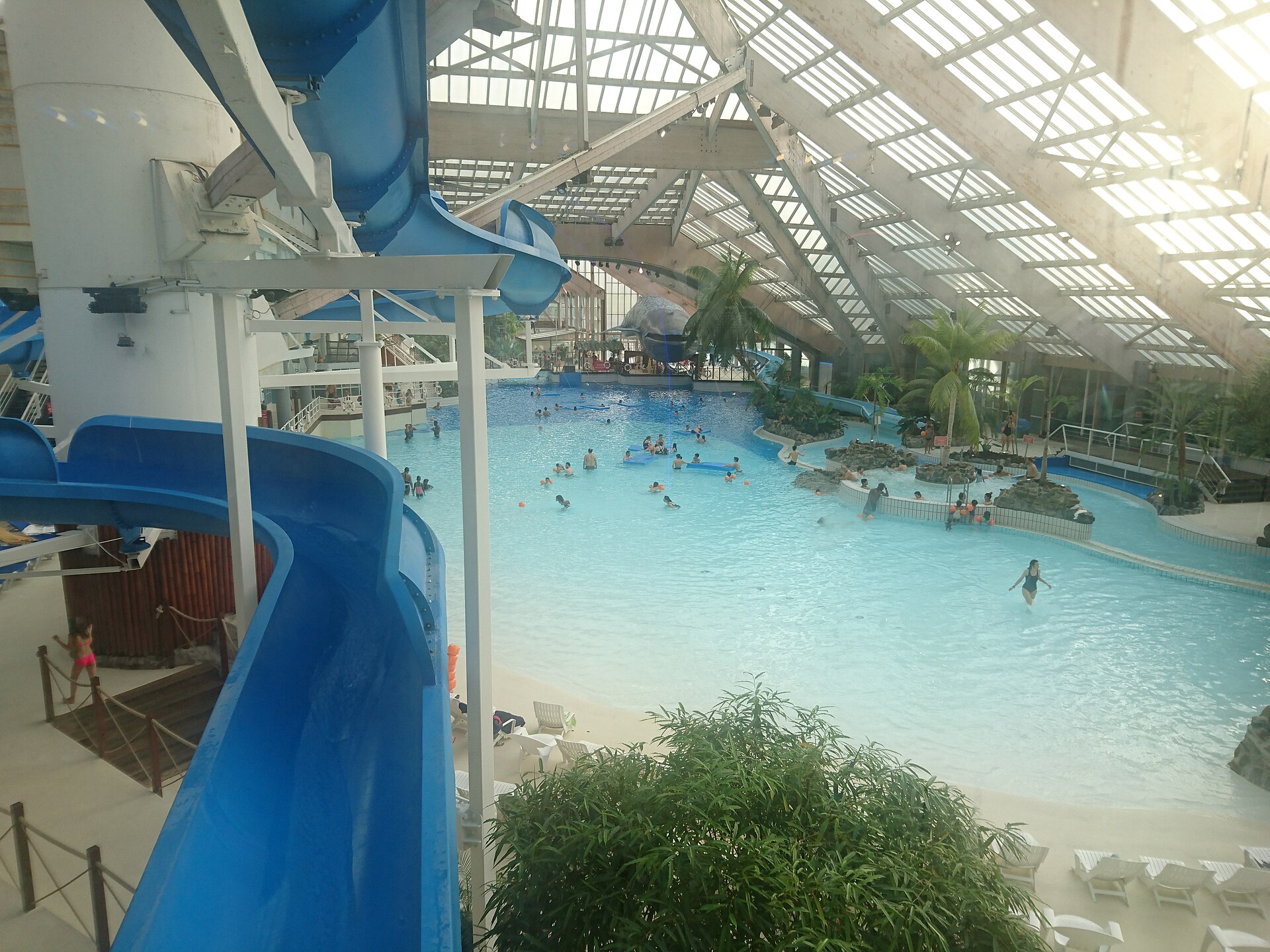
Aquaboulevard
Paryż
Aquaboulevard is the largest urban water park in Paris, located in the 15th arrondissement near Porte de Versailles. Spread across roughly 7,000 m², it combines indoor and outdoor pools, multiple slides, and relaxation zones, making it a popular year-round destination for families and groups. How do you get there? Aquaboulevard sits at 4 rue Louis Armand, 75015 Paris. The easiest way in is by metro, with Balard, Porte de Versailles, and Corentin Celton all within walking distance. The RER C line is a solid alternative, with Pont du Garigliano station just a few minutes from the entrance. Bus line 39 also stops right by the venue at Louis Armand. Drivers will find commercial parking nearby, though weekends can get busy, so it's worth allowing extra time. What will you see? At the heart of the complex is a large aquatic area linking indoor and outdoor pools, which keeps the park running regardless of the weather. Visitors can choose from eleven water slides ranging from gentle, family-friendly rides to faster, more intense options for older kids and adults. Those who prefer active swimming can head to the wave pool, which periodically produces surf-like conditions. Beyond the slides, the park features fast-flowing lazy rivers, geysers, water mushrooms, and a Wake Box zone for wakeboarding fans. For a calmer pace, jacuzzis and a thermal area with water heated to around 38°C are popular, particularly in autumn and winter, when the contrast between the cool air and warm water is part of the appeal. Aquaboulevard is more than just pools — the complex also includes additional recreation and dining areas, so a full day here can easily combine swimming, lounging, and a meal without leaving the site. When should you visit? The summer season, from mid-April to early September, brings the longest opening hours: Monday to Thursday from 9am to 11pm, Friday until midnight, Saturday from 8am to midnight, and Sunday and holidays from 8am to 11pm. Keep in mind that ticket sales close at 9pm even when the park itself stays open later. Weekend afternoons in summer tend to be the busiest, so weekday mornings are a better bet for a quieter visit. Outside the summer season, the indoor pools and thermal area remain open, making Aquaboulevard a sensible choice for a rainy or cold day in Paris. Frequently asked questions How big is Aquaboulevard? The complex covers about 7,000 m² and is considered the largest urban water park in the Paris region, combining indoor and outdoor pools. How many slides does the park have? There are eleven water slides of varying difficulty, from family-friendly rides to faster, more thrilling options. What's the easiest way to reach Aquaboulevard? By metro to Balard, Porte de Versailles, or Corentin Celton, by RER C to Pont du Garigliano, or by bus line 39. Is Aquaboulevard open in winter? Yes — thanks to its indoor pools and thermal area heated to around 38°C, the park operates year-round, though opening hours are shorter outside the summer season.
-
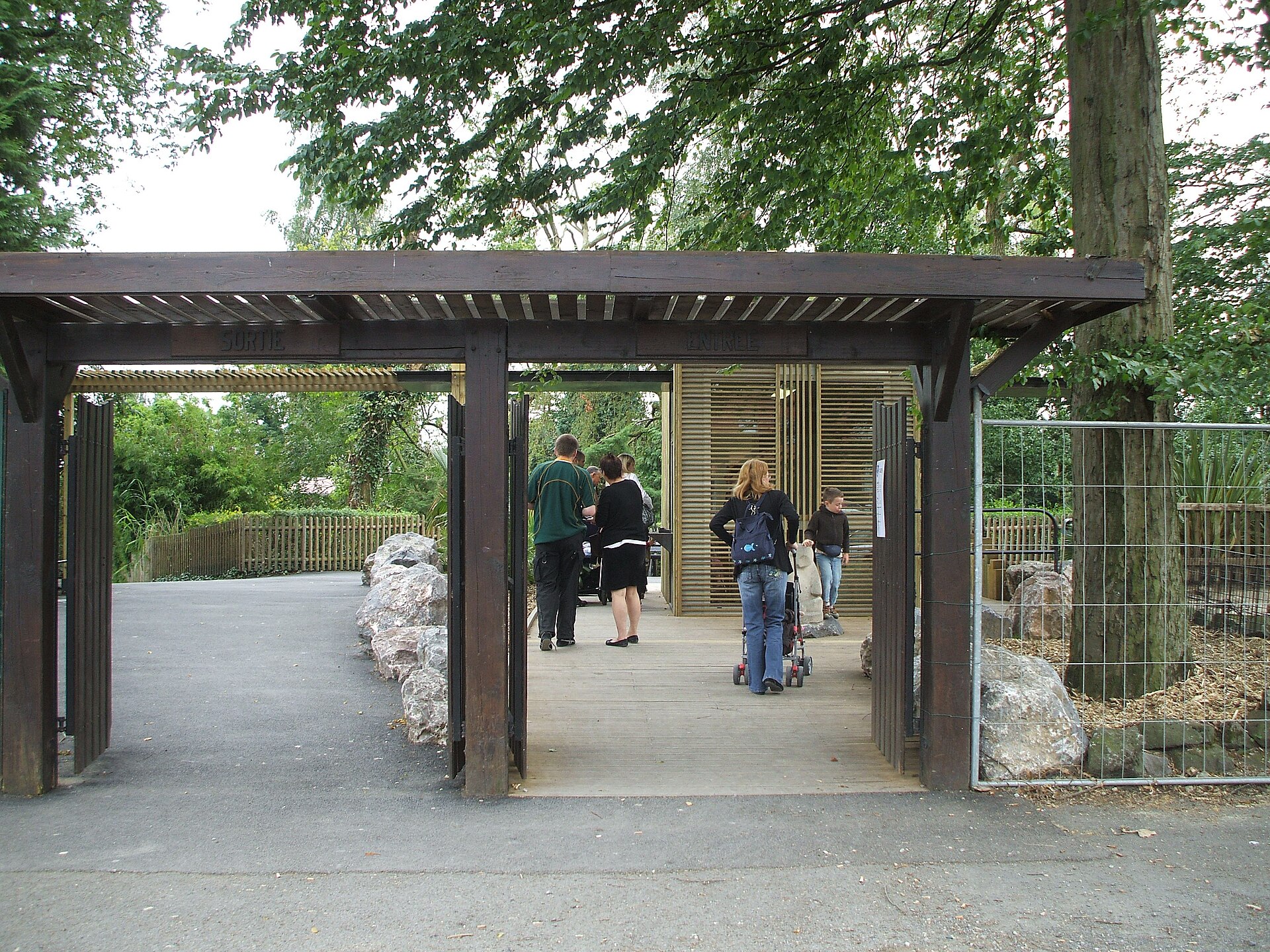
Zoo de Maubeuge
Maubeuge
Zoo de Maubeuge sits in the heart of Maubeuge, a town in the Nord department of the Hauts-de-France region in northern France. Covering 7 hectares, the park is built right at the foot of the town's historic 17th-century Vauban ramparts, giving it a striking historic backdrop rarely found at a European zoo. It ranks among the leading tourist attractions of the Avesnois area, drawing tens of thousands of visitors every year. How did the zoo come to be? The park's story began in 1955, when Dr. Pierre Forest, then deputy mayor of Maubeuge, established a rose garden known as the "Jardin de la Roseraie" on the site. Over time this garden evolved into the zoological park that stands today, still occupying its original position within the town's old fortified walls. The Vauban ramparts, structures that earned UNESCO recognition elsewhere in France, provide a distinctive, scenic setting for the animal enclosures. Which animals live at the zoo? More than 300 animals from around 70 species and all five continents call the park home. Among its most notable residents are the Asiatic lion, the Sri Lankan leopard, and the Sumatran tiger — species considered rare not only in the wild but also in captivity worldwide. Visitors can also spot servals, hippopotamuses, spectacled bears, Arctic wolves, southern cassowaries, several species of macaw, and fennec foxes, the small desert-dwelling foxes known for their oversized ears. This mix of rare and charismatic species makes the zoo appealing both to families and to dedicated wildlife enthusiasts. What can visitors do during a visit? During school holidays (Zone B and Belgian school breaks), as well as on Wednesdays and weekends, the zoo runs commentated feeding sessions for selected species, giving visitors a chance to learn about animal diets and behaviour directly from the keepers. For those wanting a deeper experience, the park offers "behind the scenes" tours, where guests accompany an education officer to help prepare food rations, enrichment activities, and feedings. Exclusive VIP visits are also available for anyone seeking closer, more personal contact with particular animals. The grounds include picnic areas, a children's playground, and a small refreshment stand, making it easy to spend a full day at the zoo without ever leaving the grounds. Does the zoo support conservation? Yes — 20 cents from every individual and group ticket goes directly into a conservation fund, which is then redistributed to organisations working to protect endangered species around the world. As a result, a visit to the park carries an educational and charitable dimension that goes beyond simply viewing the animals. When is the zoo open? The park operates seasonally, with opening hours that change throughout the year. During the spring and early autumn months — March, April, May, June, and September — the zoo is open daily from 10 a.m. to 6 p.m. It's worth checking the current schedule before visiting, since hours can differ during other parts of the year. Frequently Asked Questions How many animals can you see at Zoo de Maubeuge? The park is home to more than 300 animals from about 70 species representing all five continents, including species that are rare both in the wild and in captivity, such as the Asiatic lion and the Sri Lankan leopard. Does the zoo hold feeding demonstrations? Yes, commentated feeding sessions for selected animals take place during school holidays and on Wednesdays and weekends, led by the park's keepers. Is the zoo suitable for children? Very much so — the grounds include a playground, picnic areas, and a refreshment stand, and the wide variety of species keeps younger visitors engaged throughout the visit. Where exactly is the zoo located? The park is located in the centre of Maubeuge, at the foot of the town's historic 17th-century Vauban ramparts, in the Nord department of the Hauts-de-France region.
-
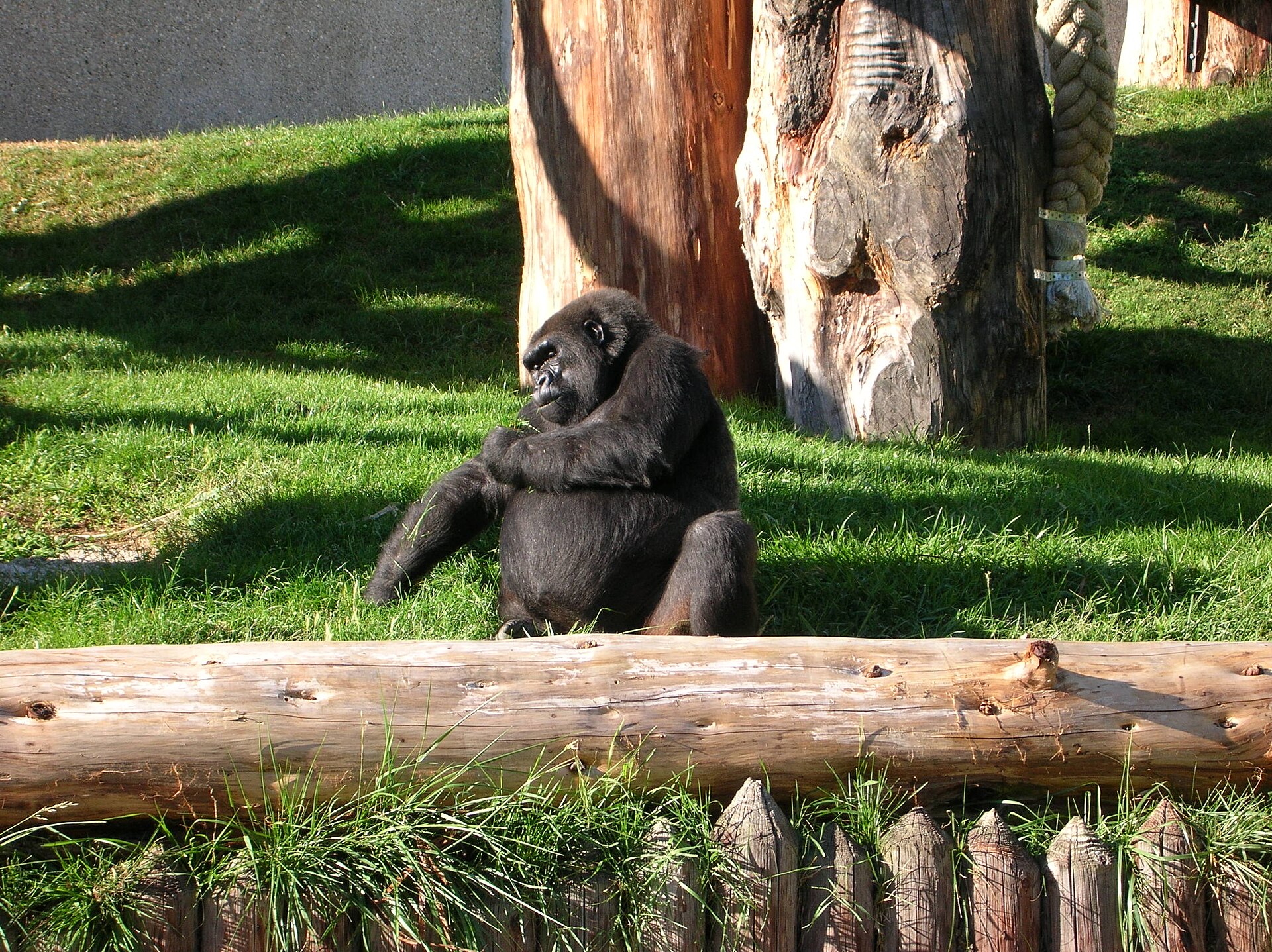
Espace zoologique de Saint-Martin-la-Plaine
Saint-Martin-la-Plaine
Espace zoologique de Saint-Martin-la-Plaine is an animal park in the village of Saint-Martin-la-Plaine, in the Loire department of France, roughly halfway between Lyon and Saint-Étienne. Founded in 1972, it was one of the country's first sites to combine a public zoo with the role of a sanctuary, taking in animals rescued from illegal trafficking, circuses, and private breeders alongside its regular collection. Where is the park and how big is it? The site covers around ten hectares along the corridor connecting the region's two largest cities. From Lyon, the drive takes under half an hour, which makes the park a convenient day-trip destination for visitors based in either city or the surrounding towns of the Loire valley. What animals live there? The park's flagship species is the western lowland gorilla, an endangered great ape kept here as a family group. Beyond the gorillas, the primate section includes chimpanzees, mandrills, macaques, mangabeys, and several species of small marmosets. A separate area houses big cats — tigers, lions, and panthers — along with lynx, reptiles, and a wide range of bird species. In total the collection spans more than a hundred species, and a notable share of the residents arrived through rescue and confiscation programs rather than standard zoo exchanges. What does the visit route look like? The walking trail is about two kilometres long, fully paved, and reserved for pedestrians — there are no rides or trains inside the park. Covering it at a relaxed pace, stopping at each enclosure, typically takes two to three hours. The route winds through wooded, varied terrain, which keeps the walk pleasant even on warmer days. When is the best time to visit? The park opens every day of the year, including public holidays, which sets it apart from many other regional attractions that close on selected weekdays. Because it also functions as a rescue centre, the animals on display can change over time: new residents arrive following interventions, while others move on after rehabilitation to natural habitats or partner facilities. That means no two visits are guaranteed to look exactly alike. Frequently Asked Questions How long does a visit to Espace zoologique de Saint-Martin-la-Plaine take? Walking the full two-kilometre trail at a normal pace, with stops at the enclosures, usually takes between two and three hours. Is the park suitable for children and strollers? The trail is entirely paved and pedestrian-only, which makes it manageable with a stroller, though parts of the terrain have gentle slopes worth being aware of. Which animal is the park's main symbol? The western lowland gorilla, displayed as a family group, is the park's best-known resident and one of its main draws for visitors. Is the zoo open all year round? Yes, the park is open daily, including holidays, though exact opening hours vary by season, so it is worth checking before setting out.
-
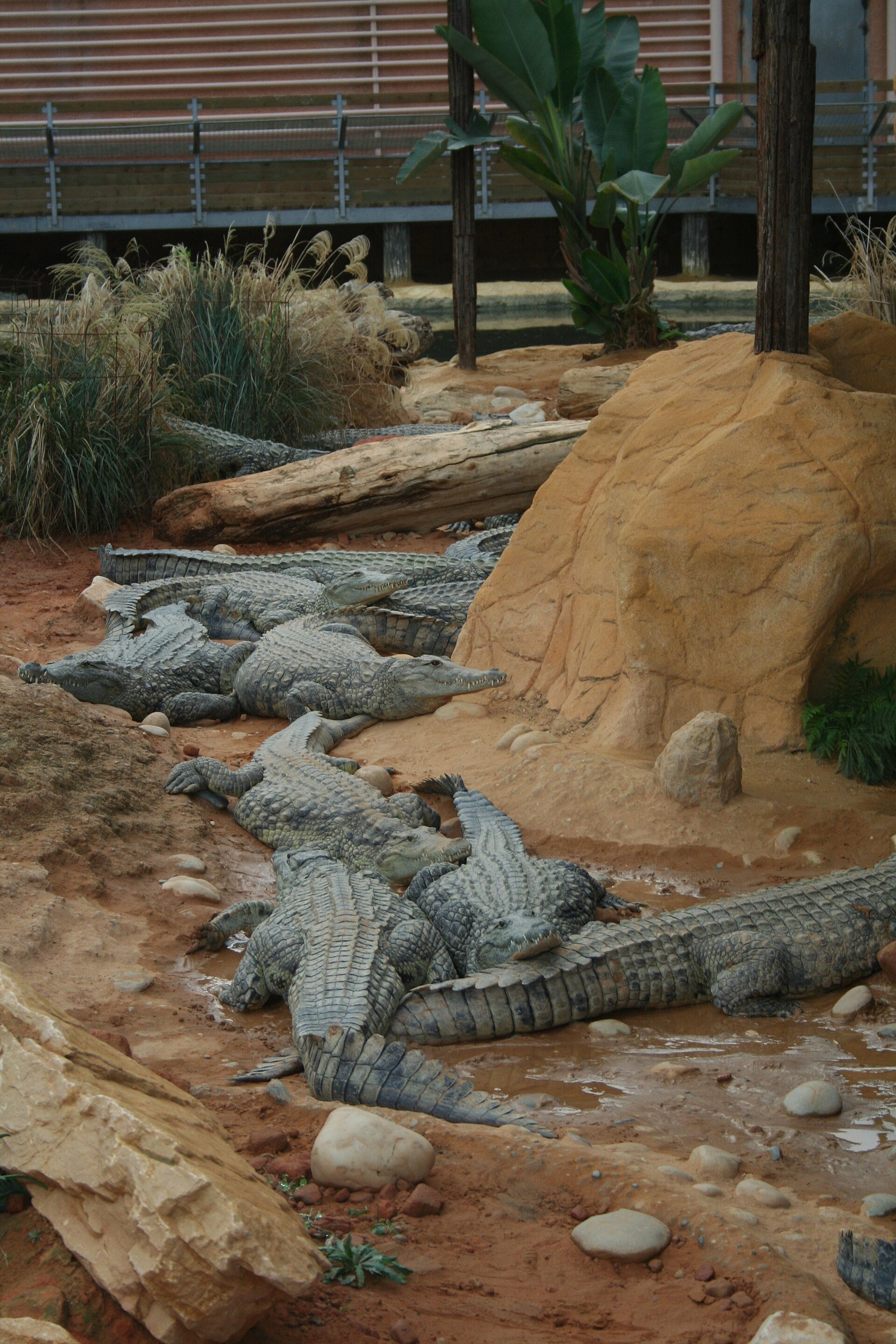
La Ferme aux crocodiles
La Ferme aux crocodiles is a crocodile park in Pierrelatte, in the Drôme department of southern France, and it ranks as the most-visited tourist attraction in the department. What is La Ferme aux crocodiles? It is a zoological park dedicated entirely to crocodiles and alligators, housed inside a tropical greenhouse spanning roughly one hectare. Rather than open-air enclosures, visitors follow a network of walkways winding through dense tropical vegetation, getting a close view of the animals in surroundings that mimic their natural habitat. The greenhouse keeps a constant high temperature and humidity, allowing species from several tropical regions of the world to be kept year-round regardless of the weather outside. How many crocodiles live in Pierrelatte? The park is home to around 400 crocodiles and alligators spanning multiple species, making it one of the largest collections of its kind in Europe. That scale is what draws not only casual visitors but also people with a genuine interest in reptile biology and conservation. How did the crocodile farm come about? The park opened its doors in 1994 and drew strong visitor numbers from the very start. The original idea was for a genuine crocodile breeding farm: the founders initially planned to sell crocodile skins and meat to make the business economically viable, a pitch aimed at convincing cautious bankers to finance an unusual venture centered on reptiles. That commercial breeding concept was dropped early on in favor of an animal park built around scientific and educational goals, the mission the site still follows today. Why is it worth a visit? Beyond the sheer number and variety of animals, the park stands out for how it presents them: the walkway route threads through lush tropical planting, passing pools and basking areas often just a few metres from the path, giving visitors an unusually close encounter with predators rarely seen in Europe outside a zoo setting. The park also has an educational dimension, with information panels covering the biology, behaviour, and conservation challenges facing crocodilian species around the world. How many people visit every year? Roughly 300,000 people visit Pierrelatte's crocodile farm each year, making it the most-visited tourist site in the entire Drôme department. That popularity has held steady for years, drawing families with children as well as nature enthusiasts from across France and abroad. Where exactly is the attraction located? The farm is located in Pierrelatte, a small town in the Drôme department near the Rhône valley, making it an easy stop while touring southern France alongside other attractions in the Provence and Rhône valley region. Frequently Asked Questions How many crocodiles can you see at the farm in Pierrelatte? The park is home to around 400 crocodiles and alligators from multiple species, kept in conditions designed to resemble their natural habitat. When did La Ferme aux crocodiles open? The park opened in 1994 and has welcomed visitors continuously since then, developing into a site with an educational and scientific focus. Is it the top tourist attraction in the Drôme department? Yes — with about 300,000 visitors a year, La Ferme aux crocodiles is the most-visited tourist site in the Drôme department. What does a visit to the farm look like? The route follows walkways through a tropical greenhouse of about one hectare, winding past dense vegetation and pools where crocodiles and alligators of various species live.
-
Wow Safari Thoiry
Thoiry
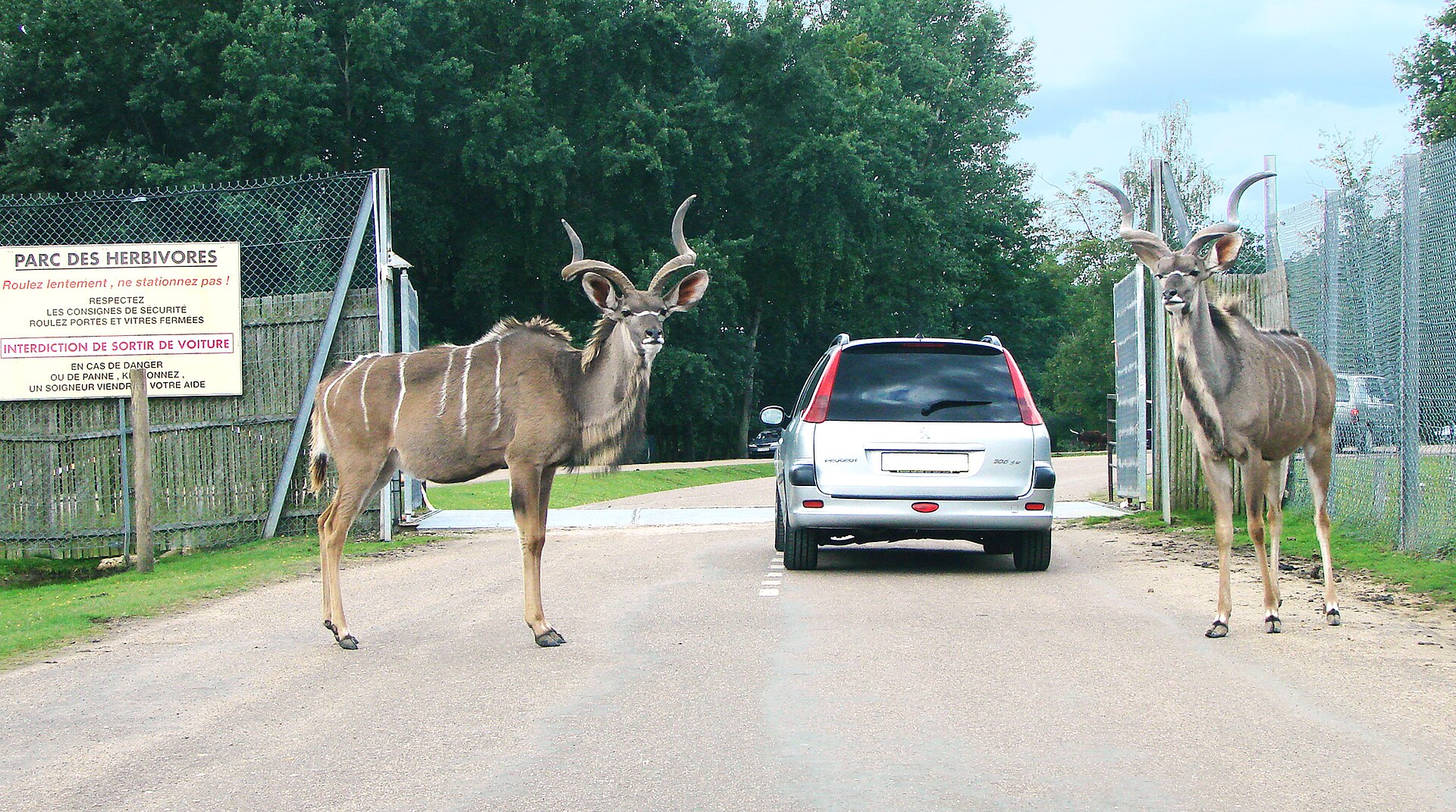
Wow Safari Thoiry, in the village of Thoiry (Yvelines), sits about 40 kilometres west of Paris and ranks among the largest zoological parks in France. Spread across nearly 160 hectares, it's home to roughly 1,300 animals from around 150 to 180 species, living in large, densely planted enclosures rather than cages. What's the story behind the name? Until 2024 the park operated as ZooSafari de Thoiry. The rebrand to Wow Safari Thoiry — short for Worlds of Wild Safari Thoiry — didn't change how the place works. The park opened on 10 May 1968, the first zoo in France to keep animals in semi-freedom rather than behind traditional fencing. How do you get there? Thoiry sits within easy reach of the Paris region, and driving is by far the simplest option — expect roughly 45 minutes to an hour from central Paris depending on traffic and route, via the A13 or A12 motorways. There's parking right at the entrance. A car is actually part of the visit itself: the safari drive takes you straight through open enclosures where animals move freely around the vehicles, so driving becomes an attraction in its own right rather than just transport. Travellers without a car should look into organised day trips from Paris — worth checking current operators before the visit, since offers shift by season. What will you see inside? The visit combines two formats: a drive through the safari zone and a walking tour through the park section. On the driving route, expect elephants, lions and Somali wild asses moving freely close to the cars. On foot, the standout feature is a set of glass tunnels running straight through the big cat enclosures — lions, Siberian tigers and hyenas pass just centimetres away, with no bars or barriers in the usual sense. The Lemurtreck adds another close encounter: a walk-through enclosure shared with lemurs and other small mammals. Beyond the headline species, the park also keeps rarer animals such as snow leopards, dholes, Amur leopards, cassowaries, eclectus parrots and matoutou tarantulas. A maze at the heart of the grounds keeps younger visitors entertained, and daily keeper talks add another layer to the visit. When's the best time to visit? Opening hours and season length shift throughout the year, so it's worth checking the current calendar before planning a trip — spring and summer bring longer hours, while winter visits run on a reduced schedule. Covering both the safari drive and the walking sections properly takes anywhere from half a day to a full day. Arriving early helps you skip the queue at the safari entrance, especially on weekends and during school holidays, when the park gets noticeably busier. Frequently asked questions Do I need my own car to visit Wow Safari Thoiry? The safari route is built around driving your own vehicle, though the park does offer alternatives for visitors without one — worth checking when booking tickets. How long does a full visit take? Covering both the safari drive and the walking areas typically takes 4 to 6 hours. Can you see the animals up close? Yes — the glass tunnels through the big cat enclosures and the Lemurtreck walk-through both put visitors right next to the animals, with no cages in the way. How many species live at Wow Safari Thoiry? The park houses around 150 to 180 species and roughly 1,300 animals across almost 160 hectares of grounds.
-
Ménagerie du Jardin des Plantes
Paryż
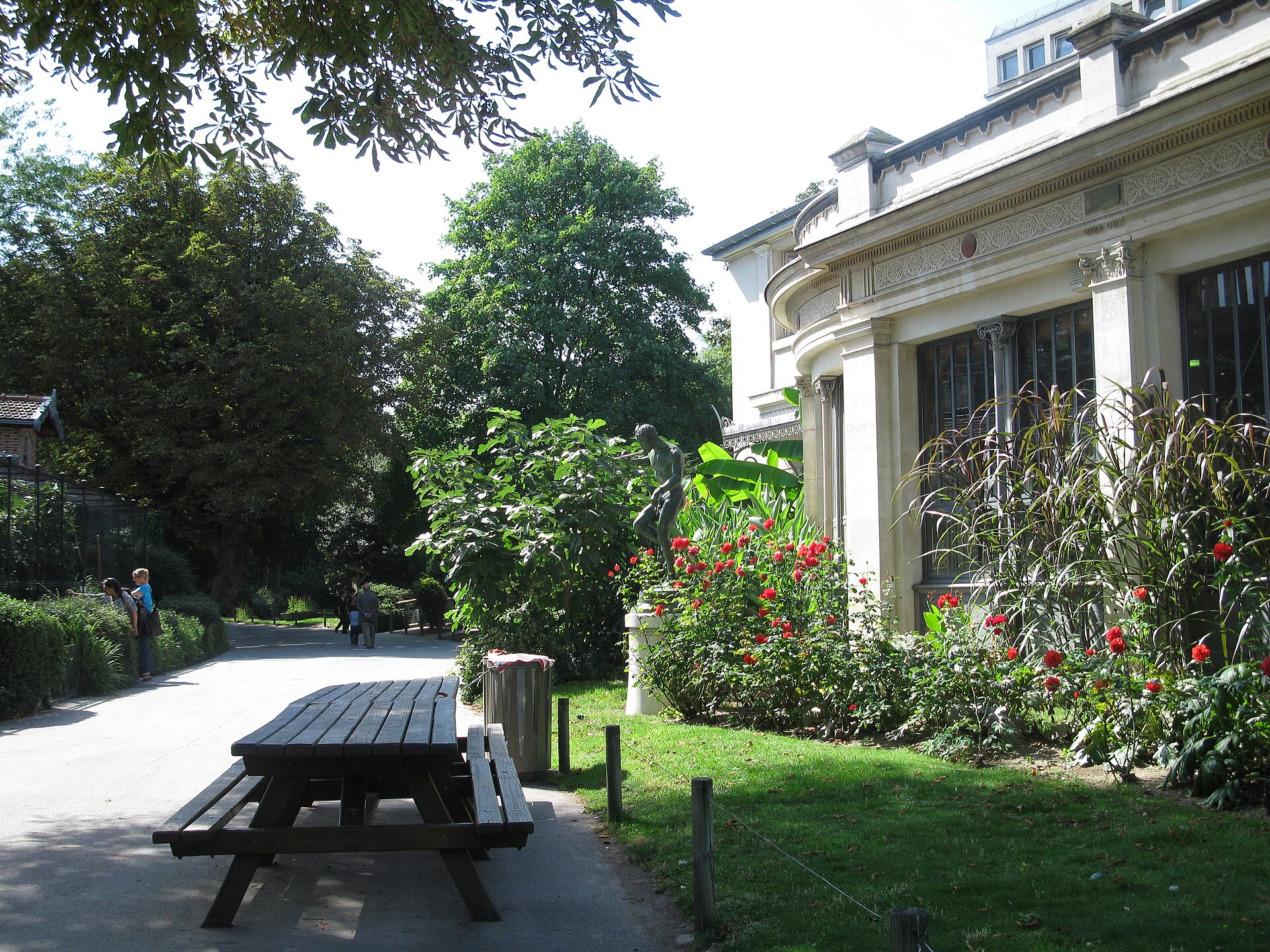
Menagerie of the Jardin des Plantes is a zoo in the heart of Paris, in the 5th arrondissement, set within the grounds of the famous Jardin des Plantes botanical garden. It's the kind of place that pairs a stroll through greenery with a close-up look at animals, all without leaving the city center. Where exactly is it? The menagerie sits within the Jardin des Plantes, a large garden and scientific complex in the 5th arrondissement, in the Latin Quarter, close to the Seine and Gare d'Austerlitz. Organizationally, it belongs to the Muséum national d'Histoire naturelle (Natural History Museum), which also runs its exhibition galleries on the same grounds. That means a single visit to this part of the city can combine a walk through the botanical garden, a stop at the menagerie, and a look at the museum's natural history exhibits. What makes this zoo stand out? It's the world's second-oldest zoo, surpassed in age only by Vienna's Tiergarten Schönbrunn. That historical standing gives the menagerie a distinctive character: it isn't a modern entertainment park but a place with genuinely scientific roots, closely tied to the tradition of French natural history. Visitors here encounter a zoo that has served both an educational and a research role for generations, as part of one of France's most important natural history institutions. Who is it for? Given its intimate scale and central location, the menagerie works well as a stop during a walking tour of Paris, without the need to plan a full day trip outside the city, as larger suburban zoos often require. It's a good choice for families with children looking for a break from the city bustle, and for anyone interested in the history of science and natural history, who will appreciate the site's connection to the Natural History Museum. Its position inside the botanical garden also makes it easy to combine the visit with a walk through the garden's paths, greenhouses, and plant collections. What should you know before visiting? Because the menagerie lies entirely within the Jardin des Plantes, it's worth planning entry to the botanical garden and the menagerie as a single outing, giving yourself time to move between the two without rushing. The proximity to the Seine and the Latin Quarter makes the surrounding area worth a walk in its own right, with plenty of cafés and bookshops nearby. Keep in mind that, as a scientific institution attached to the museum, the menagerie may have a somewhat different rhythm than a typical commercial zoo — here, history and education play as important a role as the animal exhibits themselves. Frequently Asked Questions Where exactly is the Menagerie of the Jardin des Plantes located? In the 5th arrondissement of Paris, within the Jardin des Plantes botanical garden, close to the Seine and the Latin Quarter. Is it the oldest zoo in the world? No, but it's the second-oldest — only Vienna's Tiergarten Schönbrunn is older. Which institution runs the menagerie? It's organizationally part of the Muséum national d'Histoire naturelle (Natural History Museum), which also operates galleries on the same grounds. Is it worth combining with other nearby attractions? Yes — the menagerie sits within the larger Jardin des Plantes complex, so it naturally pairs with a visit to the botanical garden and the museum's natural history galleries in the same location.
-

Plan de Phazy
Risoul
Plan de Phazy is a natural hot spring sitting at around 900 m altitude, straddling the border between Risoul and Guillestre, in the Guil valley in the Hautes-Alpes. It's one of the rare places in France where you can step into warm, mineral-rich water straight from nature, free of charge, surrounded by forest and rock stained with a distinctive rust-red hue. Where does the hot water come from? The water at Phazy travels up through the Durance fault from a depth of over 1,000 metres, reaching the surface at a steady 26 to 28°C regardless of the season. Along the way it picks up iron oxide, silicon, calcium, magnesium, chlorides and sulphates, giving it a mineral profile and staining the surrounding rock and marble a reddish-pink color. Today the spring emerges from pink marble and flows into four pools built in the 1980s, open to anyone year-round. What's the history behind it? The source was likely already used in antiquity, and in the Middle Ages it's thought to have served patients from hospitals operating in the Guil valley — the water was regarded as almost sacred. In 1824, at the tail end of Louis XVIII's reign and the start of Charles X's, a building known as La Rotonde was constructed right at the spot where the water surfaced, operating as a commercial spa and cure facility. The site changed shape in 1935, when an earthquake shifted the spring several metres, pushing it to emerge outside the building altogether. What is the water known for? The waters of Plan de Phazy have long been credited with therapeutic properties — traditionally used for eczema, arthritis, skin conditions, as well as rheumatic, liver and kidney complaints. No formal spa operates here anymore, but soaking in naturally warm water year-round remains the main draw for both visitors and locals, including in winter, when the contrast between snow and the warm pools is at its most striking. How to get there and when to visit? A short walk through the woods near the village of Guillestre leads to the springs, roughly between the town and the Risoul ski resort. The area falls within a protected Natura 2000 zone, making it worth visiting for the surrounding nature as much as for the pools themselves. The site is accessible all year, and a visit pairs well with a longer walk through the Guil valley. In summer, arriving early morning or late afternoon helps you avoid crowds; in winter, the combination of hot water and snowy scenery is what makes the spot memorable. Frequently asked questions Is entry to Plan de Phazy free? Yes, access to the pools is completely free and available year-round. What temperature is the water? The spring water emerges at 26 to 28°C, staying warm regardless of the season. How do you reach the springs? A short walk through the forest, between Guillestre and Risoul in the Guil valley, gets you there. Can you bathe there in winter? Yes, the pools are open all year — a winter soak in warm water with snow all around is one of the site's main draws.
-
source of the thermal baths of Bourbon-l'Archambault
Bourbon-l'Archambault
The thermal springs of Bourbon-l'Archambault sit at the heart of a small spa town in the Allier department, historic cradle of the Bourbon dynasty, where hot water has risen from the ground since antiquity. Roman soldiers, medieval dukes and modern-day rheumatology patients have all come here for the same reason: water that never runs cold. Where does the hot water come from? The spring water at Bourbon-l'Archambault rises from a deep geological fault at around 57°C, then cools naturally to about 36°C before being used in treatments. The Romans were quick to exploit it, building one of the busiest vaporaria (steam baths) in Gaul and stationing a permanent garrison in the town largely so soldiers could bathe. The town's name recalls Borvo, a Celtic-Gallic healing god linked to hot springs, whose worship predates the Roman arrival by centuries. What can you actually see there? The current bathhouse dates from 1885 and is listed as a historic monument. Step inside and the vestibule is lined with mosaics, opening onto a hall decorated with an Orientalist-style fresco — a reminder that 19th-century spa towns were built to impress as much as to heal. The building stands inside the Thermal Park, laid out in 1883 for shaded walks; its avenues are named after the Marquise de Montespan, and several vantage points look out toward the ruins of Bourbon Castle, seat of the family that gave France its royal dynasty. A short walk away, Bignon Park offers more open ground for picnics or a longer stroll. The old town rewards a slow walk too: the 12th-century Romanesque church of Saint-Georges, carved with dozens of decorated capitals, the distinctively named Qui Qu'en Grogne tower, and the Augustin Bernard Museum, which holds an archaeological collection and a reconstructed peasant interior. What are the waters used for? Today's baths, run by the Chaîne Thermale du Soleil network, specialize in rheumatology and gynecology cures. It's a direct continuation of a twenty-century-old habit — swap the Roman vaporarium for modern treatment rooms, and the water source hasn't changed. Getting there and best time to visit Bourbon-l'Archambault lies in the Allier department; the nearest larger town is Moulins, and a car is the practical way to arrive. The cure season generally runs from spring through autumn, when the baths and parks are in full operation. Outside that window the town settles into a quieter, rural rhythm, and walking the old streets or the castle ruins works well in any season. Frequently asked questions Can you visit the springs without taking a cure? The bathhouse itself mainly serves treatment patients, but the surrounding Thermal Park and the Marquise de Montespan's avenues are open to everyone and don't require a booking. Why is the water warm? It rises through a geological fault at roughly 57°C and is naturally cooled to about 36°C before being used in treatments. How old is the spa tradition here? Roughly twenty centuries — use of the waters is documented back to Roman times, making Bourbon-l'Archambault one of France's oldest spa towns. What else is worth seeing nearby? The ruins of Bourbon Castle, the Romanesque church of Saint-Georges, the Qui Qu'en Grogne tower, and the Augustin Bernard Museum's archaeological collection are all within easy walking distance of the baths.
-
Aquascope
Chasseneuil-du-Poitou
Aquascope is an indoor water park in Chasseneuil-du-Poitou, sitting right at the entrance to the Futuroscope theme park near Poitiers. The venue opened in 2024 after a €50 million investment and won the title of the world's best water park at the same year's Thea Awards — a remarkable debut for one of the newest attractions in the Nouvelle-Aquitaine region. What can you see at Aquascope? The heart of the park is a 6,000 m² hall where slides are woven together with digital technology. Guests have eight slides to choose from, including one whose design is unique anywhere in Europe. The park is split into themed zones, each with its own character. The "Abyss of Light" zone is Europe's first aquatic cinema: swimmers move through video-mapping projections cast onto the water and surrounding scenery, turning an ordinary swim into something closer to a moving film set. Thrill-seekers head for the Sensations area, with eight extreme slides and a wave pool. Younger visitors get their own world with Kraki the octopus, guiding them through a water maze and tentacle-shaped slides built specifically for families with small children. When the weather cooperates, the outdoor areas open up too — a beach, a lazy river for floating along on inflatables, and a summer pool for resting between runs. How do you get to Aquascope? The park sits on Avenue René Monory in Chasseneuil-du-Poitou, literally at the gates of Futuroscope, one of France's best-known theme parks. Thanks to its proximity to Poitiers and well-signposted access roads, it's easy to reach both for locals and for visitors combining a trip with a Futuroscope stay. Arriving by car is the most practical option — the parking area serves both attractions. When should you visit? Because the main hall is indoor, Aquascope runs year-round and works just as well as an autumn or winter outing as a summer one. In summer, the outdoor beach and pool add extra appeal. Expect heavier crowds during peak season and weekends, so booking your visit ahead of time is advisable. Who is this water park for? The mix of extreme slides, a calm dedicated zone for young children, and a genuinely unique water cinema means Aquascope works for families with toddlers as well as for teenagers and adults chasing bigger thrills. It's a rare case of a water park where digital technology actually changes how you experience the pools, rather than just decorating them. Frequently asked questions Do you need to book a visit in advance? Yes, entry to Aquascope requires a prior reservation — it's best to book your time slot online before arriving, especially during peak season. How many slides does the park have? Eight slides, including one whose design is unique in Europe. Does Aquascope operate outside summer? Yes, the main hall is indoor and climate-controlled, so the park runs all year; the outdoor areas (beach, summer pool) are seasonal. Can you combine a visit with Futuroscope? Yes, Aquascope is located right at the entrance to Futuroscope, making it easy to combine both attractions in a single day or stay.
-
Aquajet
Narbona
Aquajet is a water park in Narbonne-Plage, the seaside district of Narbonne in the Occitanie region, built right on the beach along the road toward Gruissan. Spread across roughly a hectare of greenery planted with palm trees and Mediterranean vegetation, it combines a classic pool-and-slide layout with a dedicated Water Jump zone built around elevated jump platforms. How do you get to Aquajet? The park sits directly on the coast road connecting Narbonne-Plage to Gruissan, so arriving by car is the easiest option — two free car parks, one smaller and one larger, take the pressure off even during the busiest weeks of summer. Narbonne-Plage is a short drive from central Narbonne, and the surrounding stretch of coast is a well-established holiday area with a beach, restaurants, and other Aude tourist attractions nearby. What can you do once you're inside? Five water slides form the core of the park. The Anaconda is the thrill option, ridden headfirst on your stomach. The Boa runs about 100 meters and cuts through an artificial cave section, giving it a different feel from the open-air runs. The Rapido is built for speed, while the Canaïma is full of turns. The Salto Angel stands out for its width — up to four riders can launch down it side by side, which makes it a good pick for families or groups who want to go together. The Water Jump area is a separate attraction: launch platforms set at several heights, including 10 and 12 meters, from which visitors jump straight into the water, plus a run styled after bodyboard surfing. Because of the physical demands involved, this zone is restricted to visitors aged ten and over. Younger children and anyone less keen on adrenaline have two swimming pools and two paddling pools to work with, along with an inflatable play area and trampolines, so a day at the park can be split between very different paces of activity. What else should you know before visiting? On site you'll find changing rooms, lockers for rent at a small fee, a sun terrace with loungers, a snack bar, and picnic spots for anyone who prefers to bring their own food. The park runs seasonally through summer, typically opening toward the end of June — the calmest visits, with shorter queues and the full slide lineup running, tend to fall just outside the absolute peak of the school holidays, in June or September. Because it sits right on the beach, a visit to Aquajet pairs easily with a swim in the sea or a walk along the shore toward Gruissan — an advantage over water parks set further inland. Frequently asked questions Is Aquajet suitable for young children? Yes — the pools and paddling pools are designed for younger visitors, while the Water Jump platforms are limited to those aged ten and above. How many slides are there, and how do they differ? Five: the Anaconda (headfirst thrill ride), the Boa (about 100 m, partly through a cave), the Rapido (fast run), the Canaïma (tight turns), and the Salto Angel (wide track for up to four riders at once). Is parking available? Yes, there are two free car parks on site, which sets Aquajet apart from many water parks that charge for parking. When's the best time to visit? The park operates during the summer season; to avoid crowds, weekdays or the edges of the season (June, September) are a better bet than the height of the summer holidays.
-
O'Gliss Park
Le Bernard
O'Gliss Park is a water park in Le Bernard, a small town in the Vendée department on France's Atlantic coast, part of the Pays de la Loire region. It ranks among the more popular family attractions along the Vendée's coastline, drawing visitors who are staying at nearby beaches for their summer holiday. What can you see and do there? The park's main draw is its collection of water slides, ranging from gentle courses suited to young children to faster, more thrilling chutes aimed at older kids and adults. Alongside the slides are swimming pools where visitors can cool off and relax between rides. Food outlets on site mean guests can grab a meal or a snack without leaving the park — a practical touch for anyone planning to spend a full day there. The layout is designed with families in mind: water zones are arranged so that both the youngest visitors and older guests can find something matched to their comfort level. It's a place built around relaxed recreation rather than sporting competition or speed records, making it an easy day out for groups with a wide age range. How do you get there? Le Bernard sits a short distance inland from some of the Vendée's well-known seaside towns, such as Jard-sur-Mer and Longeville-sur-Mer. The most convenient way to reach the park is by car — the area is a classic holiday region dotted with campsites and holiday resorts, and many visitors drive in for a single day out. During peak summer weeks it's worth allowing extra time before arrival, since queues can build up at the entrance when the park is busiest. When is the best time to visit? O'Gliss Park operates seasonally, opening only during the summer months when the weather suits outdoor pools and slides. Weekend opening hours run from 10:00 to 18:00, which is worth factoring into a visit — especially for families hoping to make the most of a full day at the park. Outside the summer season the park is closed, so it's worth checking the current schedule before setting off. The best time to go is on warm, sunny days, when the water attractions are at their most appealing. Weekdays tend to be quieter than peak-season weekends, which can make for a more relaxed visit if your schedule allows it. Who is the park best suited for? O'Gliss Park is aimed chiefly at families with children of different ages looking for a way to cool down and stay active during an Atlantic-coast holiday. The range of slides means there's something for almost everyone, from toddlers still wary of the water to teenagers chasing a bit of adrenaline. It's also a good fallback for a day when beach weather isn't quite cooperating, since the park's pools are often warmer than the ocean. Frequently asked questions Are there slides suitable for young children at O'Gliss Park? Yes, the park offers slides of varying difficulty, so attractions are available for both the youngest visitors and older guests. Can you get food inside the park? Yes, food outlets operate on site, so there's no need to leave the park to get a meal or a snack during the day. Is the park open all year round? No — O'Gliss Park operates seasonally, during the summer months. It's worth checking current opening hours before planning a visit. How far is it from the beach? Le Bernard is located a short distance inland from Vendée's coastal towns, making it easy to combine a park visit with a day at the beach.
-
Wave Island
Monteux
Wave Island is a water park in Monteux, a small town in Provence roughly 10 minutes from Avignon by car. It ranks among the larger water parks in the Vaucluse region and draws families looking for a full day of outdoor fun during the summer months. What can you see and do there? The park packs in dozens of water-based attractions, from slides of varying difficulty to pools designed for both children and adults, plus quieter areas for relaxing between rides. The standout feature is a pair of artificial wave pools built for surfing, one of which is billed as among the largest artificial waves anywhere in the world. The wave carries a playful theme built around Marsupilami, the well-known comic-book and cartoon character, which makes it a draw for visitors of all ages who want to try surfing without heading to the coast. On-site dining options mean guests can grab a meal without leaving the grounds, and the overall layout makes it easy to fill several hours by alternating between slides and simply lounging by the water. How do you get to Wave Island? The park sits at 663 Impasse de la Traverse du Ventoux, 84170 Monteux. Driving is the most convenient option, since Monteux sits right on the A7 and A9 motorways, putting the park within easy reach from Avignon and from further afield in Provence or Languedoc. Travelers without a car can take the train to Avignon and continue by local bus to Monteux — a slightly longer route, but a workable one for anyone based in the city itself. When is the best time to visit? Wave Island operates seasonally, typically from mid-June through the end of August, with a few extra open days in early September. Opening hours generally run from 10am to 6pm. Weekdays are worth targeting if you'd rather avoid crowds at the most popular slides and wave pools — weekends and the peak of the summer holidays tend to draw much bigger numbers. Provence summers can get intensely hot, so a water park makes for a natural midday cooldown, especially when paired with sightseeing in nearby Avignon or the surrounding villages. Frequently asked questions Is Wave Island suitable for young children? Yes. Alongside slides aimed at older kids and adults, the park includes zones and pools built for younger visitors, making it a workable choice for families with children of different ages. Do you need to know how to swim to try the artificial wave? Basic swimming ability is recommended, though installations like this typically offer different difficulty levels, suited to both first-time surfers and more experienced enthusiasts. How much time should you plan for a visit? Most guests spend anywhere from a few hours to a full day, mixing time on the slides with relaxing and eating on site. Is the park open year-round? No. Wave Island runs seasonally, mainly through the summer from June to early September; it's closed the rest of the year.
-
Le Nautile
Villefranche-sur-Saône
Le Nautile is an aquatic centre in Villefranche-sur-Saône, located at 140 rue Mirabeau and run by the Communauté d'Agglomération Villefranche Beaujolais Saône. The complex is built around three zones — swimming pools, a wellness area, and a fitness room — which makes it equally suited to families looking for a splash-around afternoon and to visitors after a proper lap swim or gym session. What will you find in the pool area? The centrepiece is a 25-metre sports pool with six lanes, used for both swimming lessons and lane training. Next to it sits a roughly 100 m² leisure pool built for play and relaxation rather than laps — this is where children and casual swimmers tend to gather. Beyond these two main basins, the site also includes balneo-leisure pools, a slide (including a multi-lane "pentagon" style slide), a jacuzzi, and an outdoor pool that operates seasonally. In practice, Le Nautile functions like two facilities in one: a sports pool for structured training and a playful leisure zone for families. What does the wellness area include? The wellness section is unusually well equipped for a municipal aquatic centre — two saunas, including a salt cave sauna, a spa, a hammam, massage showers, and a relaxation area with a private Zen garden. This scale of wellness offering is uncommon at facilities of this size, and it's one reason Le Nautile draws visitors from beyond Villefranche itself — few nearby towns in the Beaujolais area offer a comparable spa setup. What's available in the fitness zone? The third zone is a fitness room equipped with modern cardio machines, letting visitors combine a swim with a cardio or strength session in a single visit, without needing to travel to a separate gym. When should you visit? Le Nautile operates year-round, which sets it apart from many seasonal pools in the region. Exact opening hours vary by day and by season — the outdoor pool runs seasonally — so it's worth checking the current schedule before visiting, particularly if the wellness zone is the main draw, as it can follow its own timetable. How do you get there? The centre sits at 140 rue Mirabeau in Villefranche-sur-Saône, a town in the Rhône department roughly 30 km north of Lyon. Its in-town location makes Le Nautile an easy stop both for residents of the Beaujolais area and for visitors passing through Villefranche while touring the surrounding vineyards. Frequently asked questions Is Le Nautile suitable for children? Yes — the roughly 100 m² leisure pool and the slides are specifically designed for younger visitors looking for water play rather than lane swimming. Can you visit just the wellness area without swimming? The wellness zone (saunas, hammam, spa) is a separate part of the facility — it's worth checking on-site or by phone (04 74 68 01 16) whether a wellness-only ticket is available, as ticketing options can change. Is the outdoor pool open all year? No — the outdoor pool operates seasonally, typically during the summer months, while the indoor facilities (sports pool, leisure pool, wellness area) run year-round. Are there lanes for learning to swim? Yes, the 25-metre sports pool with six lanes is used for both swimming lessons and regular training — it's the facility's main sports-focused pool.
-
Banys de Llo
Llo
Bains de Llo is a thermal bathing spot wedged between rock and river in the village of Llo, in the heart of Cerdagne (Pyrénées-Orientales), just a short drive from Font-Romeu. The pools sit right on the edge of the Sègre gorge, at a spot where a natural sulphurous spring rises from the ground — and that water is the whole reason to come. Where does the hot water come from? The mineral, mesothermal water at Llo comes from an artesian borehole reaching 77 metres underground. It surges to the surface under its own pressure, at a flow rate of roughly 30 m³/h, with a temperature ranging between 34.5°C and almost 40°C. That means the baths run year-round, snow or shine. Rich in sulphur and minerals, the water has long been valued for easing rheumatic and muscular pain and for skin care. What will you find on site? The complex combines an outdoor and an indoor area. Outside, a hot pool and a jacuzzi are positioned to be enjoyed in full sun, with mountain views over the gorge. Inside, additional water points, a sauna and a hammam round things out (access for children under 12 is limited, included in the adult ticket). A separate tonic spa zone offers various water jets aimed at massage and muscle recovery — a popular stop for people coming back from a day in the mountains or on skis. Body and facial treatments are also available for visitors who want more than just a soak. How do you get to Llo? Llo is a small village in Cerdagne, well connected to Font-Romeu (about 15 minutes by car) and to the Pyrénées 2000 ski resort. Driving is the most practical option — the road winds scenically through the mountains. It makes a good stop whether you're touring Cerdagne or unwinding after a day of skiing or hiking. What else is worth seeing nearby? Right next door, at a site called Escaldilles, several via ferrata routes run at different difficulty levels, suitable for beginners and more experienced climbers alike. Thrill-seekers can also try the ziplines above the Sègre gorge, totalling 170 metres in length and suspended 85 metres above the ground. That makes Llo an interesting destination not only for those after relaxation, but also for visitors who prefer an active day in the mountains. When should you visit? The baths operate all year, and each season has its own appeal. In winter, the contrast is striking — hot water surrounded by snow, often visited after a day on the slopes at Pyrénées 2000. In spring and summer, it's easier to combine a soak with via ferrata or a walk along the Sègre gorge. It's worth booking ahead during peak season, since the baths get busy with visitors touring Cerdagne. Frequently asked questions Is the water at Bains de Llo natural? Yes, it's a natural mineral sulphur spring, drawn from 77 metres deep through an artesian borehole, with no artificial heating. Are the baths open in winter? Yes, both the outdoor and indoor pools run year-round, including in snow and freezing temperatures — the water stays close to 40°C. Is it suitable for children? Yes, though access to the sauna and hammam is usually limited for children under 12. The pools themselves are open to the whole family. What else can you do around Llo? Nearby, at Escaldilles, you'll find via ferrata routes and ziplines above the Sègre gorge, plus easy access to the Pyrénées 2000 ski resort and the town of Font-Romeu.
-
Jardin Aquatique
Évron
Jardin Aquatique is an indoor-outdoor swimming complex in Évron, in the Mayenne department, run by the Communauté de communes des Coëvrons. The facility blends sport, family fun and relaxation, making it a practical stop for travellers passing through the Coëvrons area of Pays de la Loire. What's inside? The indoor section has three pools: a lap pool for sports swimming, a smaller pool, and a paddling pool for toddlers. In summer, an outdoor area opens up with a large pool, its own paddling pool, and a pentagliss water slide. Guests can also enjoy water games, a mini slide, floating mats, a water cage and a climbing wall set over the water. Adults looking to unwind can use the wellness area, which includes a sauna and jacuzzi, available during the leisure-pool opening hours (booking recommended). How to get there? The Jardin Aquatique sits on Rue Alain Vadepied in Évron (53600), right in the heart of the Coëvrons area of Mayenne. It's an easy stop for families travelling through the Pays de la Loire region, close to other local attractions. What can you do there? Beyond free swimming, the centre runs a full programme of organised activities: aquagym, aquabike, aquatraining, and swimming lessons for both children and adults. On Wednesdays (outside school holiday periods), "Îlot bébé" sessions let parents introduce babies and toddlers aged 6 months to 5 years to the water, while a separate "children's garden" session runs from 5:00 to 5:45 pm for under-6s. This mix makes the Jardin Aquatique a solid choice whether you're after a quick recreational dip, regular sports training, or swimming lessons for the kids. When should you visit? The pool operates year-round, though opening hours vary by day and by season — the outdoor area runs mainly during the summer months. It's worth checking the current schedule on the town or Communauté de communes des Coëvrons website before visiting, since hours differ between the sports pool, leisure pool and wellness area. How much does it cost? Adult entry costs around €4.90, and children aged 3 to 17 pay around €3.75. Prices can change, so it's best to confirm current rates before you go. Frequently asked questions Is Jardin Aquatique suitable for young children? Yes. The complex has a paddling pool, a mini slide, and sessions designed for babies and under-6s, including the weekly "Îlot bébé" for children from 6 months old. Is there a relaxation area for adults? Yes, a wellness space with sauna and jacuzzi is available for adults during leisure-pool opening hours. Is the pool open all year? Yes, the indoor section runs year-round. The outdoor pool with the pentagliss slide opens seasonally, mainly in summer. Where exactly is the facility located? On Rue Alain Vadepied in Évron (53600), in the Coëvrons area of the Mayenne department, Pays de la Loire.
-
Caseo
Louviers
Caséo is an aquatic and wellness complex in Louviers, a small town in the Eure department of Normandy, about 30 km from Rouen. Open since 2014, it brings together a swimming area, a fitness section and a wellness zone under one roof — an unusually complete setup for a town of this size, which makes Caséo the main leisure destination in the Seine-Eure area for families and anyone looking to combine sport with relaxation. What is there to see and do at Caséo? The complex is organized into three sections. The aquatic area includes indoor and outdoor pools, a paddling pool for young children, a water slide and a pentagliss, a multi-lane family slide. The fitness section has a cardio room and group classes — aquagym, aquabike, yoga and RPM are all on the schedule, run both in and out of the water. The wellness section offers a sauna, a hammam and dedicated relaxation areas, used separately from the sports facilities. This layout means a single visit can combine swimming, a workout and downtime without having to travel between separate venues. During summer, the outdoor pool section opens, which noticeably increases capacity on warm days and shortens the queue for the slides. For families with children, the birthday packages are worth knowing about — Caséo runs poolside birthday parties with entertainment included. How do you get to Caséo in Louviers? Louviers sits directly off the A13 motorway linking Paris to Rouen and the Normandy coast, so arriving by car is the easiest option — the town has its own motorway exit. The complex is run by the Seine-Eure urban community and sits in the town centre, within walking distance of Louviers train station, which is served by trains from Rouen and Évreux. On-site parking is available. When is the best time to visit? Opening hours vary by section (the main pool, the leisure pool, the outdoor area) and by season — during school holidays, Caséo typically extends its hours. The ticket office closes an hour before the facility does, and pool evacuation begins half an hour before closing, which is worth factoring in if you're planning a late visit. Weekday mornings tend to be quietest, while weekend afternoons and school holidays bring the largest crowds of families. How much does it cost to get in? The standard entry fee for visitors aged 16 and over is around €5.95 per visit, while children aged 3–15 pay around €4.85, or less with a 10-visit pass. Louviers residents get preferential rates, lower than those for visitors from outside the town. An "all inclusive" package is also available, giving one-time access to all three sections — pool, fitness and wellness — for around €25. Frequently asked questions Can you swim outdoors at Caséo? Yes — an outdoor pool section opens during summer, in addition to the indoor pools available year-round. Is the wellness area (sauna, hammam) included in a standard pool ticket? Not automatically — a basic pool ticket doesn't include wellness access by default; the "all inclusive" package covers all three sections. Is Caséo suitable for a visit with young children? Yes — the complex has a separate paddling pool and a family slide (pentagliss), and it also offers poolside birthday packages for kids. How do you reach Caséo without a car? Louviers train station, served by connections from Rouen and Évreux, is within walking distance of the complex.
-
Baignade des Ponts de Cé
Les Ponts-de-Cé
Baignade des Ponts-de-Cé is a supervised swimming area set up on Île du Château, right in the middle of Les Ponts-de-Cé, a small town on the Loire just south of Angers. How do you get there? The site sits on Avenue de la Boire Salée, on an island wrapped by branches of the Loire, next to the old castle and the bridges that gave the town its name. From Angers it's roughly a 15-minute drive, and the town also sits on a stretch of the Loire Valley cycling routes, so arriving by bike along the river is a realistic option too. Slow Village campsite is about half a kilometre away, making the pool a natural stop for anyone camping nearby. What is there to do on site? The pool covers about 3,000 m² and is filled with Loire river water that is naturally filtered before it reaches the basin - the idea being to let people "swim in the Loire without swimming in the Loire," avoiding the currents of the open river. Lifeguards are on duty throughout opening hours, which makes it a comfortable choice for families. Younger children have their own paddling pool, while a water slide keeps older kids entertained. Around the water there is a wide lawn for sunbathing and picnicking, a beach volleyball court, a shaded reading corner, and a dedicated area for teenagers. A snack stand sells drinks, ice cream and sweets. Visitors with disabilities can use special chairs designed to help them get into the water. When should you visit? The facility only operates in summer, typically from late June through late August or early September, and hours generally run from late morning to early evening with a midday break. Because both the calendar and water-quality clearance (monitored by the regional health authority) can shift from one season to the next, it's worth checking the Les Ponts-de-Cé town hall website for the current schedule before setting off. What else is worth seeing nearby? Les Ponts-de-Cé takes its name from the string of bridges linking several arms of the Loire, and walking across them around the castle island naturally rounds out a visit to the swimming area. Anyone who prefers still water can also head to Lac de Maine in Angers, less than 8 km away - another supervised, lifeguarded lake beach with a sandy shore, and an easy addition to the same day out. Frequently Asked Questions Is the Ponts-de-Cé swimming area supervised? Yes, lifeguards are present throughout opening hours, which makes it a safe option for families with young children. Does the water come straight from the Loire? Yes, but it is naturally filtered before entering the pool, so swimmers avoid the currents and undertow typical of the open river. Is it open all year? No, it's a seasonal facility that only opens in summer, generally from late June to early September. Is it accessible for visitors with disabilities? Yes, special chairs are available on site to help people with reduced mobility get into the water.
-
Base Aquatique Eyrium
Belsentes
Base Aquatique Eyrium is a water leisure complex in Belsentes, right in the heart of the Eyrieux Valley, close to the small town of Le Cheylard in the Ardèche. Sitting on the shore of Lac des Collanges in the Nonières area, it has long been a favourite summer stop for families looking to cool off in the region. What will you find there? The centrepiece of the site is a large outdoor pool covering roughly 1,600–1,650 m², paired with two water slides and a separate paddling pool for the youngest visitors. Kids also get their own water-play area, while older guests can enjoy table tennis, a volleyball court and mini-golf. On site there is a snack bar and marked picnic spots, and on Wednesday afternoons a children's reading corner is set up. Right next to the swimming area sit a wellness zone and a restaurant, so a day by the water can easily stretch into an evening of relaxing or dining without leaving the site. How do you get there? Base Aquatique Eyrium sits in Belsentes, directly along La Dolce Via — a former railway line converted into a greenway for cyclists and walkers that runs through the Eyrieux Valley. That makes the complex a natural stop for cyclists taking a break mid-ride, not just for visitors arriving by car. The nearest larger town is Le Cheylard, a short drive away. When is the best time to visit? The facility operates seasonally, from mid-June through the end of August. During the transition period (15–30 June), the pool is open Tuesday to Friday from 1:30 PM to 6:30 PM, and on weekends from 11 AM to 8 PM. During the full summer season, from 1 July to 31 August, the base welcomes visitors every day from 11 AM to 8 PM. July and August are therefore the best window for a visit, with the fullest range of activities, longer opening hours and the warmest water. How much does it cost? Admission is affordable: a standard adult ticket costs €6.50, children aged 6 to 16 pay €4.10, and children under 6 get in free. That makes Eyrium a solid full-day option for families with kids of different ages. Who is this complex for? Thanks to the combination of a swimming pool, slides, a paddling pool and land-based activities like table tennis, volleyball and mini-golf, the base works equally well for families with young children and for teenagers or adults looking for active leisure. Its position right on La Dolce Via cycling route makes it a natural stop during longer rides through the Eyrieux Valley, and the on-site wellness zone and restaurant mean you don't need to look elsewhere to round off the day. Frequently Asked Questions Is there a pool for young children at Eyrium? Yes, the site has a separate paddling pool designed for the youngest visitors, kept apart from the main pool and slides. Can you eat on site? Yes, there is a snack bar on the grounds and a restaurant right next to it — you can also bring your own food and use the designated picnic areas. Is the base accessible to cyclists riding La Dolce Via? Yes, it sits directly on this popular cycling route, making it a convenient stop while riding through the Eyrieux Valley. When is Base Aquatique Eyrium open? It's a seasonal facility, open from mid-June to the end of August — daily from 11 AM to 8 PM in July and August, with reduced days and hours in June.
-
Centre Aquatique Les Atlantides
Le Mans
Centre Aquatique Les Atlantides is the largest swimming complex in the Sarthe department, located in Le Mans on Avenue de Volos. Spanning 2,400 square meters, the facility combines a sports zone, a recreational area, and a relaxation spa, making it a popular stop for both locals and visitors looking for something to do on a rainy day or a way to cool off in summer. How do you get there? Les Atlantides sits in an easily reachable part of Le Mans and is served by the tram line, so getting there from the city center takes only a short ride without needing a car. Visitors arriving by car will find on-site parking, which makes the venue convenient for families traveling with swimming gear. What will you find inside? The indoor section, open year-round, is split into two halls. The sports hall houses a lap pool, a teaching pool, and a diving pool — ideal for regular swimmers or anyone learning the basics. The recreational hall is more playful, with a paddling pool for young children, an 80-meter slide, and a leisure pool with a hot tub. Rounding things out is a dedicated spa area with a jacuzzi, a whirlpool bath, a steam room, and two saunas — a good stop for unwinding after a workout or a day of sightseeing in Le Mans. What does the outdoor area offer? In summer, from June through August and on many weekends in May and September (weather permitting), the outdoor pool area opens up. It includes a wave pool, a lazy river with artificial current, and a six-lane pentaglisse slide, along with sunbathing lawns. This mix of sport and summer family fun is typical of larger French aquatic centers and gives the venue a distinctly different character in warm weather. Who is this place for? Classes on offer include swimming lessons, aqua gym, and aquabike, so the center suits fitness-minded visitors as much as families with children looking for a full day of pool activities. The combination of sports, recreational, and relaxation zones under one roof means different age groups can each find something worthwhile. When should you visit? The indoor section runs all year, making it a solid option for cooler months or days with unfavorable weather while exploring Le Mans. In summer, it's worth timing a visit around the outdoor area — the wave pool and slides are the highlight — keeping in mind that access outside the core June-August season depends on the weather. Frequently asked questions Can you reach Les Atlantides without a car? Yes, the facility is served by tram, making it easy to reach from downtown Le Mans and other parts of the city. Are the outdoor pools open year-round? No — the outdoor area with the wave pool and slides operates from June to August, plus some weekends in May and September depending on weather conditions. What does admission cost? Adult tickets cost EUR 5.80 and children's tickets EUR 3.80 (prices may change, so it's worth checking current rates before visiting). Does the center offer activities beyond recreational swimming? Yes, it offers swimming lessons, aqua gym, and aquabike classes, plus a spa area with saunas and a jacuzzi for those looking to relax.
-
Aqualand Fréjus
Fréjus
Aqualand Fréjus is one of the largest water parks in France, set in Fréjus on the French Riviera just off the A8 motorway. Spread across 7 hectares, it packs in 20 slides and water attractions, ranging from calm family pools to adrenaline-charged rides for thrill seekers. How do you get to Aqualand Fréjus? The park sits at 462, RD 559, in the Camp de l'Abbé area, about 7 km from the A8 motorway. Coming from Toulon, take exit 37 (Fréjus Ouest); coming from Nice, take exit 38 (Fréjus Centre). From either exit, follow signs toward Fréjus and then Saint-Tropez. The drive from Nice is roughly 60 km, and from Marseille around 120 km, making the park an easy day-trip option for anyone staying along the eastern Provence coast. What can you see and do inside? Aqualand Fréjus bills itself as the largest water park in France, and the range of rides backs that up. Its signature attraction is King Cobra, a ring-slide where riders drop down an 8-metre chute inclined at 50 degrees, delivering a few seconds of near free-fall. Right next to it is Vertigo, a slide described as the first of its kind built on the European continent, aimed squarely at visitors chasing a bigger scare. Families with young children have their own dedicated corner in Kidzworld, a shallower zone with smaller slides and pools sized for kids. Elsewhere, the park runs wave pools and bubble pools where visitors can unwind between rides. The headline addition for the 2025 season was Oasis River, a lazy river you drift along on an inflatable ring while taking in the greenery around the park. When is the best time to visit? The 2026 season runs from Saturday, June 20 to Sunday, September 6. Gates open daily at 10 a.m. and close at either 6 p.m. or 7 p.m. depending on the date — the later closing time (7 p.m.) applies from July 13 to August 23, covering the busiest stretch of the French summer holidays. Queues for the headline slides, King Cobra especially, tend to build fastest during that peak window, so arriving right at opening is the easiest way to avoid the longest waits. What should you know before you go? Bring your own towels and a swimsuit without zippers or metal rivets, which the park asks visitors to avoid since they can damage the slides. Food stalls and sun-lounger rest areas are available throughout the grounds. Because the park draws large crowds in peak season, booking tickets online ahead of time is worth doing. Frequently asked questions How big is Aqualand Fréjus? The park covers 7 hectares and offers 20 different water attractions. What's the fastest route from Nice? Take the A8 motorway to exit 38, Fréjus Centre, then follow local roads toward Fréjus and Saint-Tropez. The trip covers about 60 km. Are there attractions suitable for young children? Yes, the Kidzworld area is built specifically for younger visitors, with smaller slides and shallow pools. When is the park open in 2026? From June 20 to September 6, daily from 10 a.m., closing at either 6 p.m. or 7 p.m. depending on the point in the season.
-
Aquabulle
Laval
Aquabulle is an aquatic centre in Laval, in the Mayenne department, located on Rue du Commandant Cousteau just north of the city centre. It's a community leisure facility combining lap swimming, water play areas, and a wellness zone — a regular stop for families and residents across the Pays de la Loire region looking for an easy day of swimming close to home. What's inside Aquabulle? The complex spans a total of 1,440 m² of water surface across several pools built for different uses, from serious lane swimming to open play. The indoor pool comes with a 30-metre slide plus a set of water features — geysers, water jets, hydromassage benches, and swan-neck fountains — aimed mostly at younger visitors but popular with adults too when they want a livelier swim. Water is kept at around 30°C year-round, which makes the indoor pool a viable outing whatever the season, especially in autumn and winter when outdoor pools nearby are closed. Is the wellness area worth the extra time? Alongside the pools, Aquabulle runs a wellness area with a hammam, jacuzzi, sauna, and hydromassage shower. It's a good way to close out a swimming session, particularly for visitors coming without children who want a calmer, more restorative part of the complex to unwind in after laps or before heading home. What happens in summer? During the summer holidays, Aquabulle opens an additional outdoor water park with two extra pools fitted with water games and a 22-metre, two-lane slide. Inflatable structures are set up on land as well, and BAFA-certified instructors run free activity sessions for children. This is the busiest stretch of the year for families, since the outdoor section adds more space and attractions than the indoor pool alone offers. What activities are on offer? Aquabulle isn't just open swimming — the centre runs regular classes too: swimming lessons for children and adults, aquabike, and aquagym. That makes it a practical option for people living in Laval longer-term who want to combine a pool visit with a recurring fitness routine rather than a one-off trip. How do you get there? Aquabulle sits on Rue du Commandant Cousteau in Laval, in an easily reachable part of the city just north of the centre. The facility is run by Laval Agglomération, so current opening hours and pricing are best checked through the municipality's official channels before a visit — hours vary by day of the week, and the summer season adds a separate schedule for the outdoor park. Frequently asked questions Is Aquabulle open all year? Yes, the indoor pool operates year-round with water kept at around 30°C. The outdoor water park only opens as an extra addition during the summer holidays. Is it a good choice for kids? Yes, the centre is particularly family-friendly — the slides, water play features, and (in summer) BAFA-led activity sessions are aimed mainly at children, though adults make regular use of the lap pool and wellness area too. What can you do there besides recreational swimming? Aquabulle offers swimming lessons, aquabike, and aquagym — regular classes for visitors who want to pair a pool visit with structured physical activity. Is there a relaxation area for adults? Yes, the complex includes a wellness zone with a hammam, jacuzzi, sauna, and hydromassage shower, separate from the main pool area.
-
Fancy's Family Farm
Fancy's Family Farm is a community farm and tourist attraction on the Isle of Portland in Dorset, southern England, built on the site of the former RAF Portland radar station. What is this place? For most of the 20th century, the ground now occupied by Fancy's Family Farm served a very different purpose. In the 1950s, at the height of Cold War tensions, the British government built RAF Portland here as part of ROTOR — a nationwide early-warning radar network designed to detect incoming aircraft far sooner than the wartime systems it replaced. The station stood close to two of the island's best-known landmarks, the Verne Citadel and East Cliff. In 2004 the site was given scheduled monument status, a legal designation that formally recognised its historical value and protected the surviving Cold War-era structures from demolition. Today, on that same ground, Fancy's Family Farm operates as a working community farm that also welcomes visitors from beyond the island. Where exactly is it? The farm sits on the Isle of Portland — technically a peninsula, joined to the Dorset mainland by the narrow shingle bank of Chesil Beach — close to Portland town itself. The nearest landmark is the Verne Citadel, a 19th-century fortress overlooking the town, with East Cliff rising on the island's eastern side. This part of Portland sits high above sea level, giving wide views over the English Channel and the Dorset coast — the same terrain that made it a natural choice for a radar station back in the 1950s. Why visit? Fancy's Family Farm brings together two distinct layers of history in one spot: a Cold War military past and a present-day community initiative. For visitors, that means walking ground that was closed to civilians for decades as a defence installation and now serves the local community instead. The Isle of Portland itself draws visitors mainly for its limestone quarries, clifftop walking paths, and views over the Jurassic Coast — the farm adds a less obvious stop to an island itinerary, tying local history to community life. How do you get there? The farm lies within Portland town, reached by the road that links the island to the mainland across Chesil Beach via Weymouth. Driving or taking a local bus from Weymouth — the main town on this stretch of the Dorset coast, with regular connections onto the island — is the most straightforward way in. The Verne Citadel makes a useful landmark for orientation, since it's visible from many points across the island. When is the best time to visit? As a working farm on open ground, it's best visited in the warmer months, when the Dorset coastal weather suits longer walks around the site. It fits naturally into a broader day on the Isle of Portland, paired with a visit to the Verne Citadel or a walk along East Cliff. Frequently asked questions What stood here before the farm? RAF Portland, a radar station built in the 1950s as part of ROTOR, Britain's early-warning radar network developed in response to Cold War threats. Why does the site have monument status? It was designated a scheduled monument in 2004, recognising its value as a surviving example of post-war defence architecture. Is this a typical tourist farm? It's a community farm first — run with local Portland residents in mind — that also functions as an attraction for people visiting the island. What else is nearby? The Verne Citadel and East Cliff both sit close by, forming a small cluster of sights alongside the farm on the eastern side of the Isle of Portland.
-
Refuge de l'Arche
Château-Gontier
Refuge de l'Arche is a sanctuary for wild and exotic animals in Château-Gontier, in the Mayenne department of France's Pays de la Loire region. Unlike a conventional zoo built around breeding and display, this is a rescue centre for animals abandoned, illegally kept, or worn out by careers in circuses, laboratories or poorly run zoos. How do you get there? The sanctuary sits south of central Château-Gontier, along the road to Ménil, on 23 hectares of grounds shaded by mature trees. The town lies in the southern tip of Mayenne, close to the border with Maine-et-Loire, making it a convenient base for exploring the Mayenne river valley. Arriving by car is easiest — there is on-site parking, and the walking trails through the enclosures are laid out to be accessible to wheelchairs and pushchairs. What will you see? The sanctuary is run by CEPAN (Club d'Étude et de Protection des Animaux et de la Nature), an association recognised as a public-interest organisation since November 2014. Its story goes back to 1974, when the site opened after several years of preparation, born out of a response to cases of animal cruelty. Today it cares for more than a thousand animals from around 120 species worldwide — tigers, lions and other big cats, wolves, foxes, bears, snakes and other reptiles, birds of prey, raccoons, herbivores, and numerous species of monkeys and other primates. Many arrived after years in unsuitable conditions: as illegally kept pets, former circus performers, or laboratory animals. Because of how accustomed they became to humans, or the lasting effects of earlier mistreatment, a return to the wild is not an option for them, so the sanctuary provides lasting care for the rest of their lives. At the entrance, visitors can scan a QR code for a free audio or text-guided tour on their own phone, narrating individual animals' stories and the keepers' daily work. Children aged 6 to 10 can pick up the "Apprenti soigneur" (Trainee Keeper) activity booklet, which introduces the animal-keeper profession through games. An on-site restaurant, "La Becquée d'Isis", serves food daily from March to October. The sanctuary also runs educational workshops for groups and individual visitors on animal welfare and the illegal trade in exotic species. When should you visit? Opening hours change with the season. In January the sanctuary opens weekends only, 10am to 5pm (closed 1 January). From February to March it operates daily from 10am to 6pm, and from April to August — the peak season — daily from 10am to 7pm. September and October return to 10am–6pm, while November and December bring weekend-and-holiday-only opening, 10am to 5pm (closed 25 December). Last admission is always an hour before closing, and the sanctuary may close for safety reasons during severe weather. Spring and summer are the best times to visit, since longer opening hours and milder weather make it easier to see the whole site at a relaxed pace — plan on at least two to three hours. Frequently Asked Questions How is Refuge de l'Arche different from a regular zoo? It is a rescue sanctuary rather than a zoo built for breeding or shows — animals arrive through confiscations, abandonment, or the end of careers in circuses and laboratories, and the goal is to give them a dignified life rather than to put them on display. How many animals can you see there? The sanctuary cares for more than a thousand animals from around 120 species, including tigers, lions, wolves, bears, snakes and primates. How much does admission cost? A standard adult ticket (age 12 and up) costs 15 euros, children aged 4 to 11 pay 9 euros, and children under 4 enter free. Students and job seekers pay 13 euros, and visitors with disabilities pay 8.50 euros. Is there somewhere to eat on site? Yes, the on-site restaurant "La Becquée d'Isis" is open daily from March to October.
-
ZooParc de Beauval
Saint-Aignan
ZooParc de Beauval is a French zoological park in Saint-Aignan-sur-Cher, in the Centre-Val de Loire region on the banks of the Cher river. Spread across 40 hectares, it is home to more than 35,000 animals, making it one of the largest animal collections in France and in Europe — a destination that pairs serious wildlife conservation with a day out the whole family can enjoy. Where exactly is Beauval located? The park sits in Saint-Aignan-sur-Cher, a small town in the Loir-et-Cher department, right in the heart of the Loire Valley — a region famous for its châteaux, but for decades also known for this zoo. That location makes Beauval a natural stop for anyone touring the Loire Valley's castles and vineyards. How did this zoo come to be? ZooParc de Beauval was founded in 1980 by Françoise Delord. From modest beginnings it grew into one of the largest zoological parks on the continent. Today it is run by her son, Rodolphe Delord, with management staying firmly in the family, which holds the majority of the company's capital. That kind of multi-generational continuity is unusual among large zoos — most big parks today belong to corporations or public institutions, while Beauval has been shaped by the same family for over four decades. What explains the scale of this place? More than 35,000 animals across 40 hectares means a density and variety of exhibits that can easily fill a full day without ever feeling repetitive. Beauval's scale regularly puts it among the largest zoological collections in Europe. For visitors, that translates into the chance to see species rarely displayed at smaller facilities, and the sprawling grounds encourage a slower, more exploratory pace — it's worth planning a full day rather than a quick visit. Who is this park for? Beauval draws families with children first and foremost, but also wildlife lovers and photographers, for whom the large, varied enclosures offer a chance to observe animals in settings closer to their natural habitats. The scale of the park makes it a demanding outing — comfortable shoes, time, and patience help — but also an especially rewarding one for anyone who values direct contact with such a broad range of fauna from around the world. How do you get there, and when should you go? Saint-Aignan-sur-Cher is within easy reach of Tours and Blois, making Beauval a convenient day-trip destination for anyone exploring the Loire Valley. The region is well connected by road, and the proximity of other attractions — châteaux, vineyards, riverside towns along the Loire — makes it easy to combine a zoo visit with a broader itinerary of the area. Frequently Asked Questions Where exactly is ZooParc de Beauval located? The park is in Saint-Aignan-sur-Cher, in the Centre-Val de Loire region of France, in the Loire Valley. How many animals can you see at Beauval? The park is home to more than 35,000 animals across 40 hectares, making it one of the largest zoos in Europe. Who founded the park, and who runs it today? The zoo was founded in 1980 by Françoise Delord. It is now run by her son, Rodolphe Delord, with the Delord family retaining ownership. Is Beauval a good day trip from the Loire Valley châteaux? Yes — its proximity to Tours and Blois means many visitors combine a day of château-hopping in the Loire Valley with a full-day visit to Beauval.
Earn badges for the places you visit
Download NextOnTrip, discover new places and check off your trails.