Museums in Poland
A guide to 234 Museums in Poland — with descriptions, photos and traveler visits from the NextOnTrip community. Locations spread across 115 cities and towns. Most visited by the community: Muzeum Katedralne im. Jana Pawła II na Wawelu, Żydowskie Muzeum Galicja w Krakowie, Muzeum Sztuki w Łodzi.
-
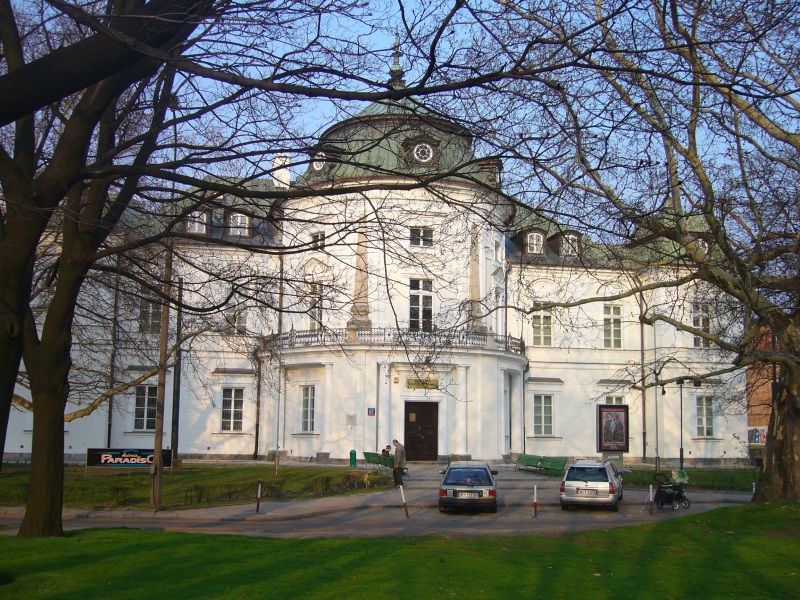
Museum of Independence
Warszawa
Museum of Independence is a museum in Warsaw, Poland, housed in the former Przebendowski Palace at al. “Solidarity” 62. It was established on 30 January 1990 under the name Museum of the History of Polish Independence and Social Movements, and it also operates several branches in the city. For visitors, it offers a focused stop for sightseeing and learning about Poland’s independence history. Na miejscu można liczyć przede wszystkim na: the main museum in the former Przebendowski Palace, where the setting itself adds a historical layer to the visit branch sites connected with the museum’s theme, including the X Pavilion Museum at the Warsaw Citadel, the Museum of Pawiak Prison, and the Mausoleum of Struggle and Martyrdom a visit that ties together different places in Warsaw linked to Polish independence, political repression, and remembrance If you are planning a visit, it is worth allowing enough time to include at least one of the branch museums, since they are part of the institution’s story. Comfortable shoes are a good idea if you want to combine the main building with other sites around Warsaw. This is a strong choice for travelers interested in history, memory, and a more educational city outing.
-
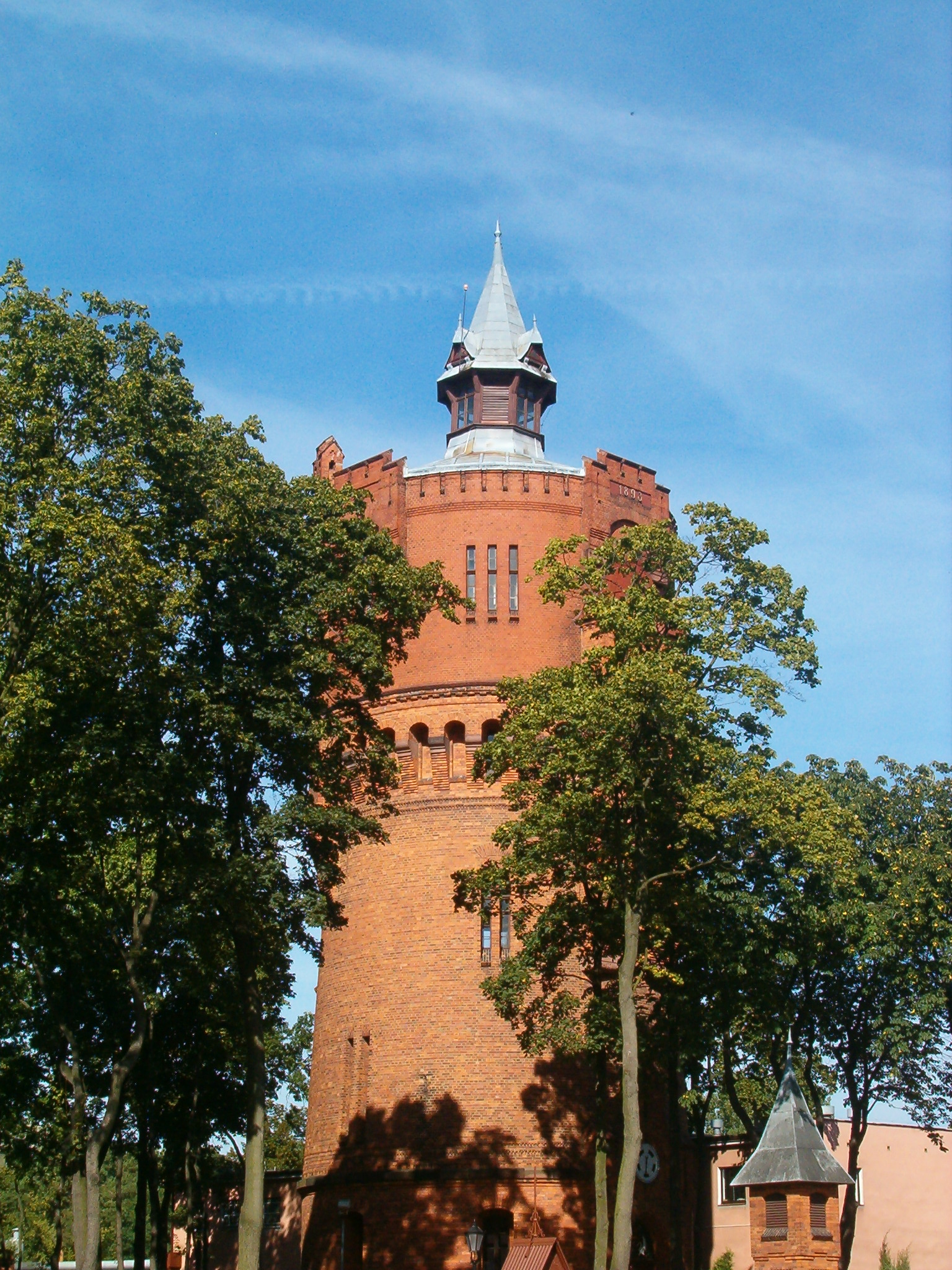
Muzeum Techniki i Inżynierii Komunalnej Torunia
Toruń
Muzeum Techniki i Inżynierii Komunalnej Torunia in Toruń focuses on the history of urban infrastructure and the everyday technologies that supported city life. It is set in historic industrial buildings, which adds to the atmosphere of the visit. This is a good place for a short sightseeing stop with a technical twist. Na miejscu można liczyć przede wszystkim na: collections showing the development of the city’s technical services, with objects connected to urban infrastructure and daily life; vehicles and trams, which help illustrate how transport in the city evolved over time; water and sewage equipment, alongside other items related to municipal engineering, all displayed in historic industrial surroundings. If you plan to visit, it is worth choosing a calm part of the day so you can look around at an unhurried pace. Comfortable shoes will make the visit easier, especially if you want to take your time with the exhibits. This is a good choice for visitors interested in technology, city history, and a more low-key museum stop.
-
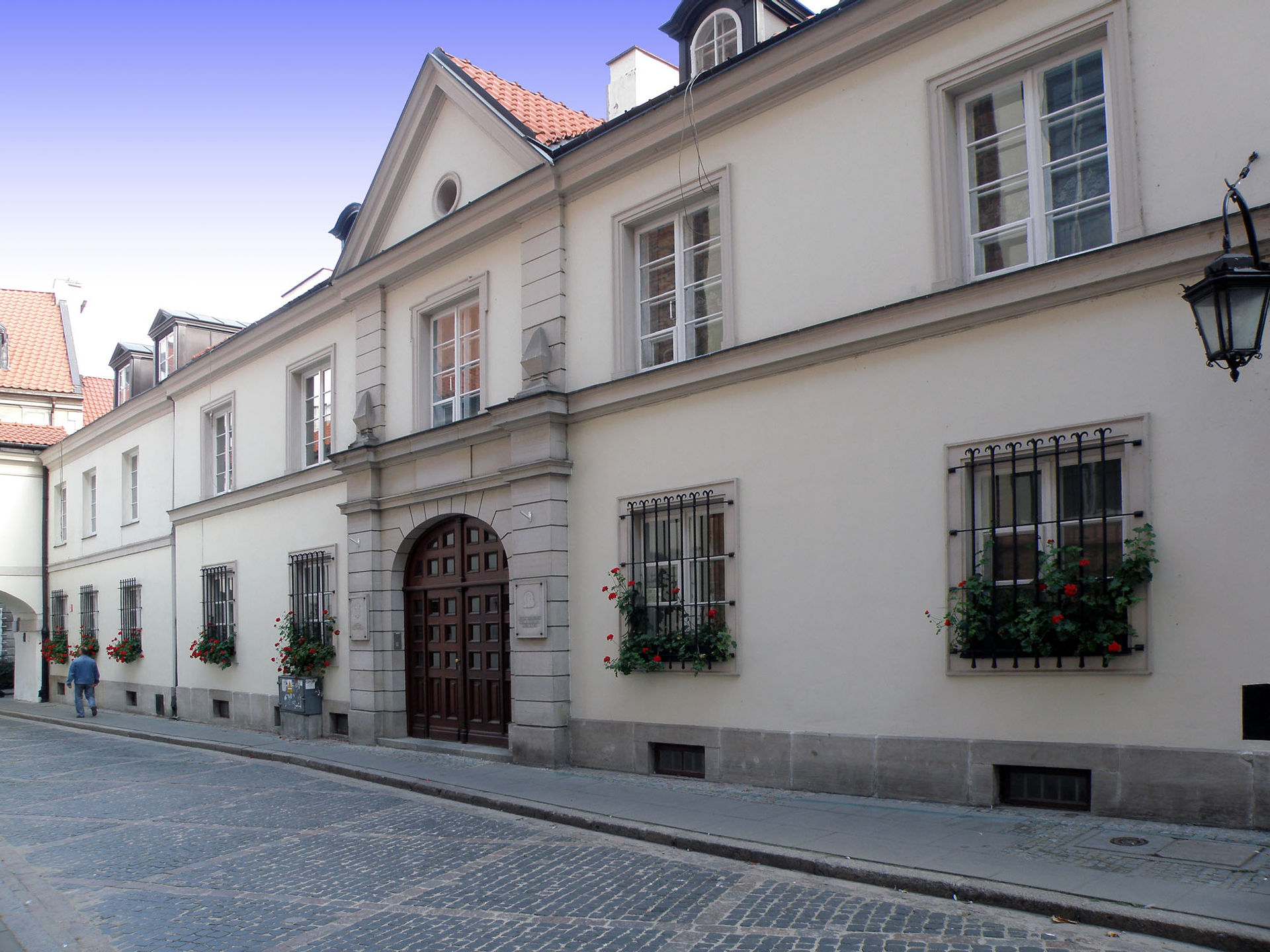
Museum of the Warsaw Archdiocese
Warszawa
Muzeum Archidiecezji Warszawskiej is a museum in Warsaw presenting religious art and objects connected with the history of the Warsaw Archdiocese. Its collection includes paintings, sculptures, liturgical items, and archival materials. The museum is located near the Old Town and is open to visitors interested in church heritage.
-
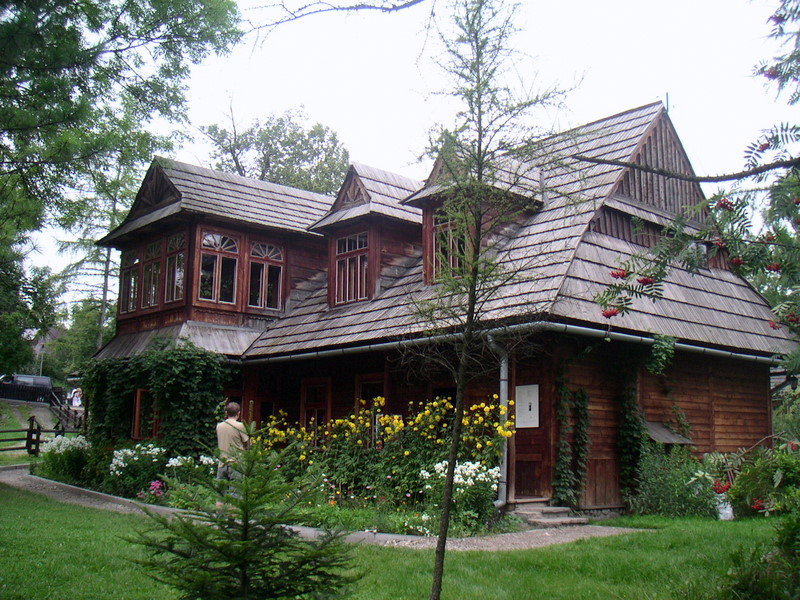
Villa Atma
Zakopane
Villa Atma in Zakopane, Poland, is a historic chalet that now houses the Karol Szymanowski Museum, a branch of the National Museum in Kraków. It is a compact stop for visitors interested in local heritage and the life of one of Poland’s best-known composers. This is a good place for a short sightseeing visit. See the historic chalet itself, which gives the museum its distinctive mountain-town setting. Visit the Karol Szymanowski Museum inside, presented here as a department of the National Museum in Kraków. Combine the stop with a walk through Zakopane, making it an easy cultural addition to a day in town. If you are planning a visit, it is worth allowing a little time rather than rushing through, especially if you enjoy museums with a strong sense of place. Villa Atma is a good choice for travelers looking for a calm, culture-focused stop in Zakopane.
-
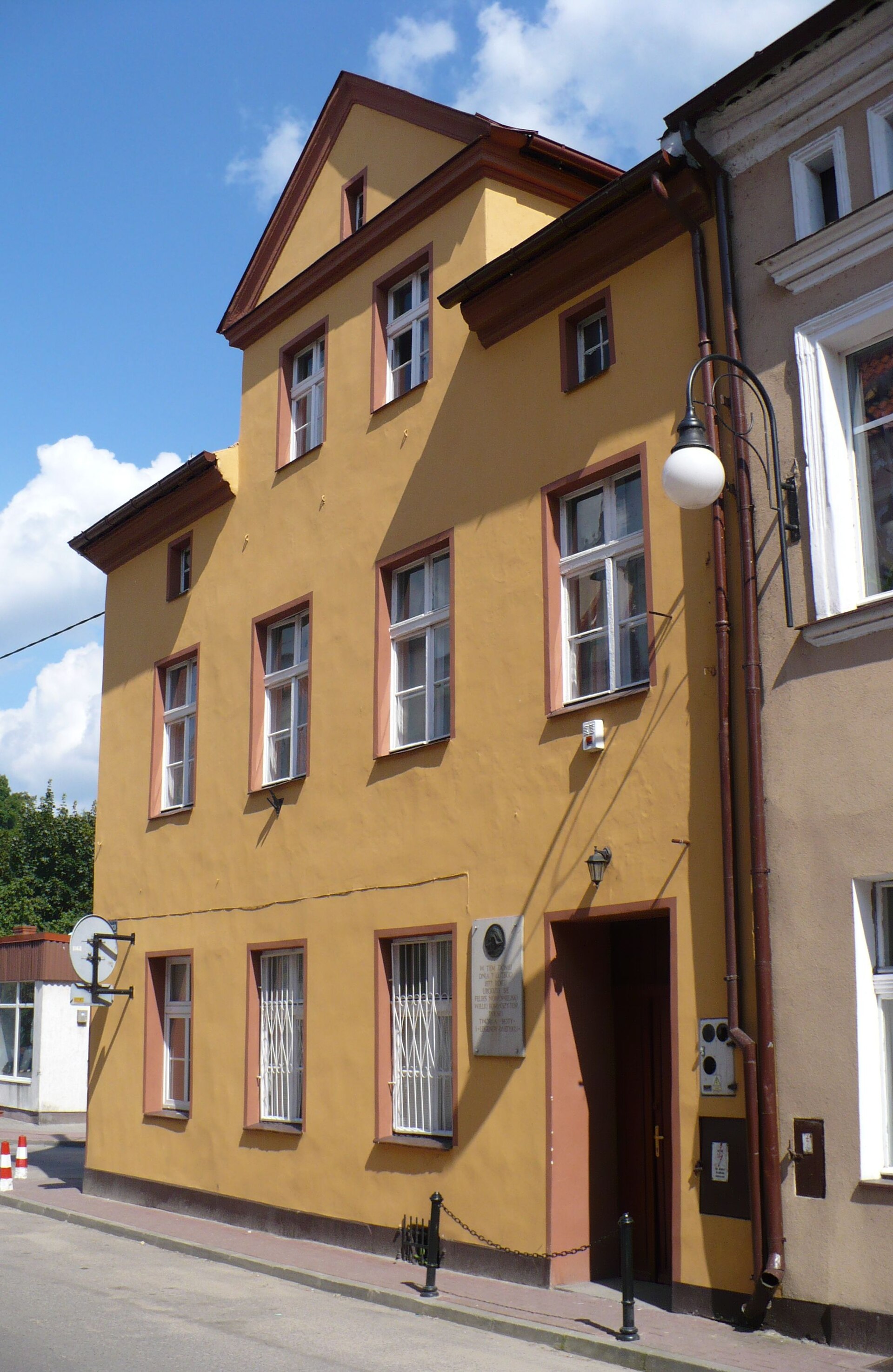
Muzeum Feliksa Nowowiejskiego w Barczewie
Barczewo
Muzeum Feliksa Nowowiejskiego w Barczewie is a museum in Barczewo devoted to the life and work of the Polish composer Feliks Nowowiejski. It focuses on his biography and musical legacy, showing how his connection to the town shaped part of his life. This is a good place for a short cultural visit. You can see memorabilia, documents, and other exhibits connected with Feliks Nowowiejski’s life and career. The displays introduce both his music and his personal story, making the museum useful for anyone interested in Polish classical music. Its location in Barczewo adds a local context, since the composer spent part of his life here. If you are planning a visit, it is worth allowing a little time to read the exhibits at a relaxed pace. This is a good choice for travelers looking for a quiet, compact stop with a clear historical and musical theme.
-
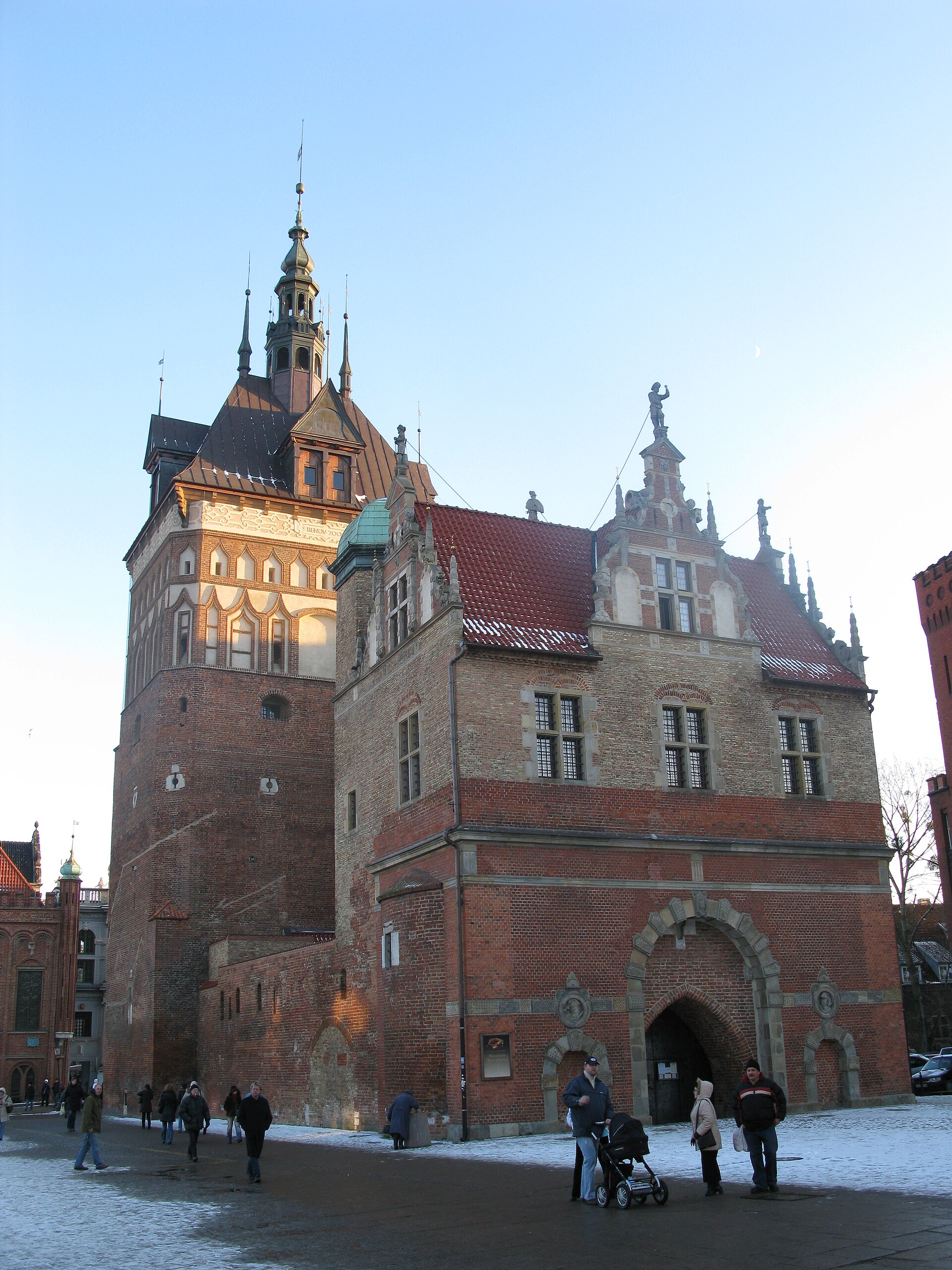
Amber Museum in Gdańsk
Gdańsk
Amber Museum in Gdańsk is a museum in the historic center of Gdańsk, Poland, focused on the city’s maritime and craft heritage. It presents amber, often known as the “gold of the Baltic,” as both a natural material and an important part of local culture. For visitors, it offers a compact and interesting stop for sightseeing in the Old Town. Na miejscu można liczyć przede wszystkim na: exhibits explaining how amber forms, along with its history and traditional uses displays of jewelry and artworks made from amber, showing how the material is worked and valued rare inclusions preserved in fossil resin, which give a close look at amber’s natural origins If you are planning a visit, it is a good idea to combine the museum with a walk through Gdańsk’s Old Town, since it sits right in the historic center. It is a solid choice for travelers interested in local history, crafts, and a short cultural stop rather than a long outing.
-
Pyzdry Land Museum
Pyzdry
Pyzdry Land Museum in Pyzdry is a local museum dedicated to the history and culture of the Pyzdry area. It brings together objects that help tell the story of the town and its surroundings, from the past to regional traditions. For visitors, it offers a short and informative stop focused on local heritage. Na miejscu można liczyć przede wszystkim na: archaeological finds that show the area’s earliest history and help place Pyzdry in a wider historical context, ethnographic objects, documents, and photographs that illustrate everyday life and the changing character of the local community, items connected with local crafts and regional customs, giving a clearer picture of how people lived and worked in the Pyzdry area. If you are planning a visit, it is a good idea to allow a little time for a calm, unhurried look at the exhibits, especially if you enjoy local history and traditional culture. This is a good choice for travelers who prefer a compact museum stop that explains a place through its own objects and stories.
-
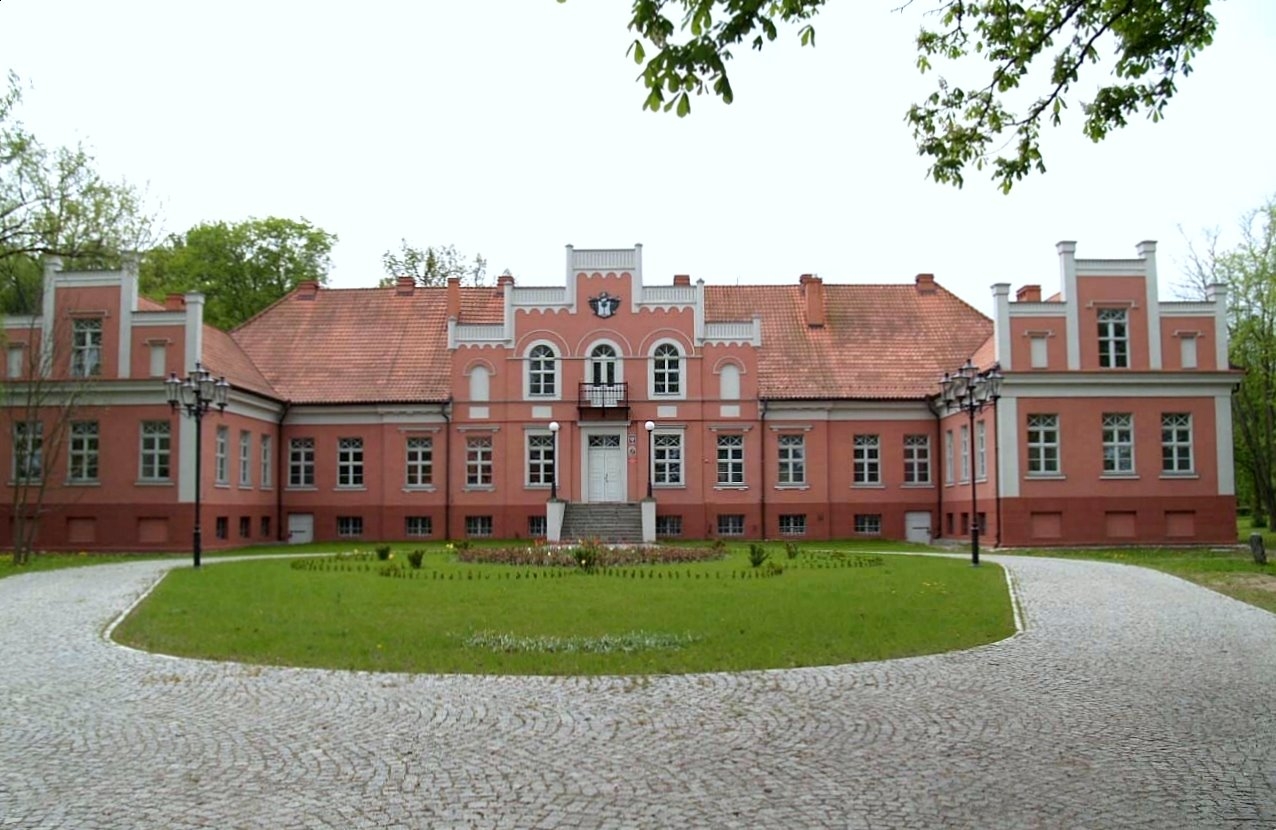
Museum of Kashubian-Pomeranian Literature and Music
Wejherowo
Museum of Kashubian-Pomeranian Literature and Music in Wejherowo is a cultural museum in northern Poland devoted to preserving and presenting the literary, musical, and folk heritage of Kashubia and Pomerania. Set in the historic town of Wejherowo, it gives visitors a clear look at regional traditions, local history, and the identity of the Kashubian community. It is a good place for a short cultural visit. Na miejscu można liczyć przede wszystkim na: collections and exhibitions focused on Kashubian and Pomeranian cultural life, showing how local traditions developed over time manuscripts, books, musical instruments, documents, and other artifacts connected with the region’s literature and music an opportunity to learn about regional folklore and the distinctive heritage of Kashubia in one compact museum stop If you are planning a visit, it is worth allowing enough time to look through the displays at a relaxed pace, especially if you are interested in Polish heritage and local culture. Comfortable shoes are a sensible choice for a calm sightseeing stop, and this museum will suit travelers looking for a focused, low-key visit tied to the history of the region.
-
Muzeum PRL-u
Ruda Śląska
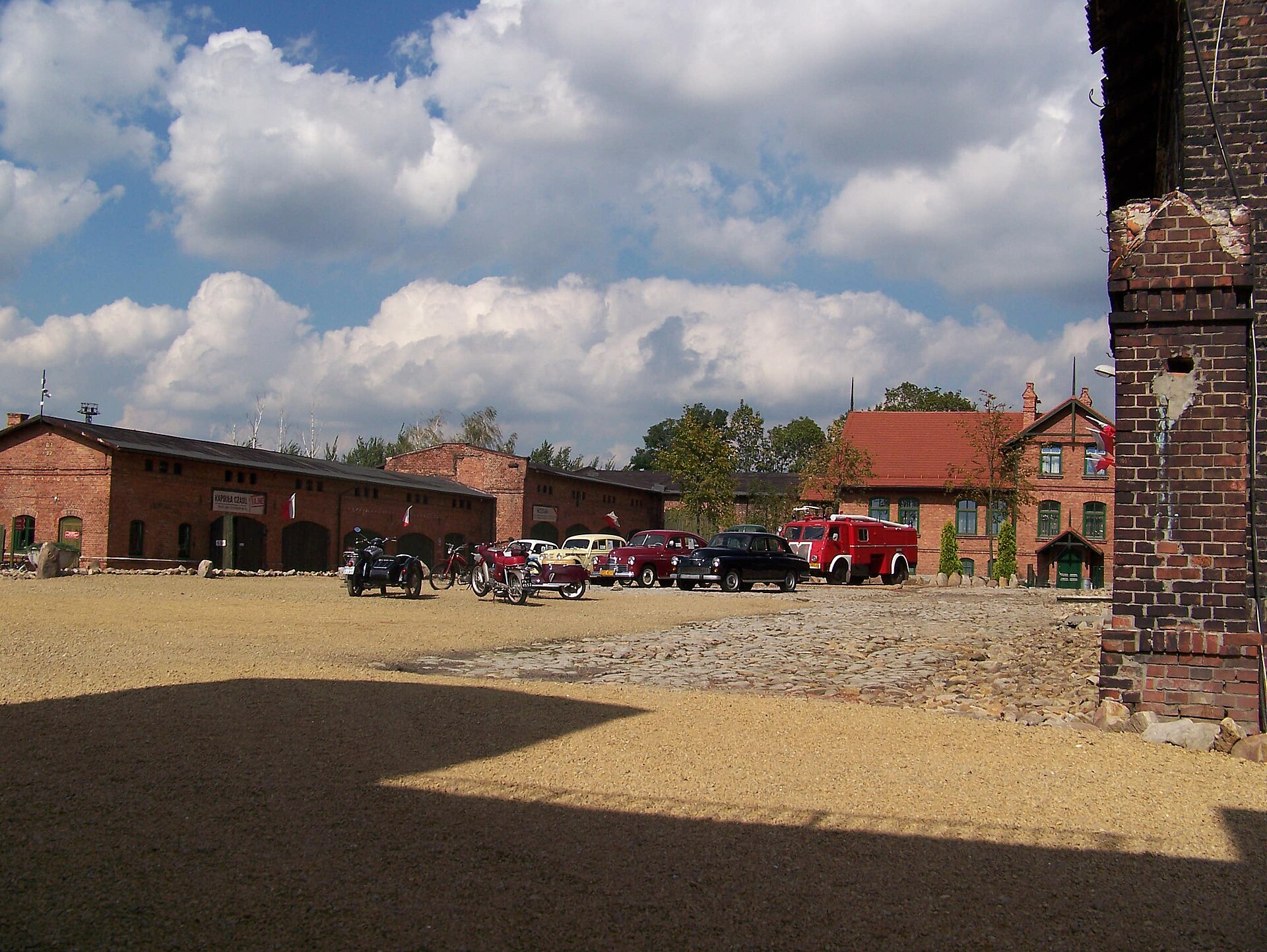
Muzeum PRL-u in Ruda Śląska is a museum focused on everyday life in the Polish People’s Republic. Set in the Silesian city of Ruda Śląska, it introduces visitors to the material culture, design, and atmosphere of communist-era Poland. It is a good choice for a short visit that adds historical context to a trip through the region. Na miejscu można liczyć przede wszystkim na: displays that recreate the look and feel of PRL-era homes, shops, offices, and streets, giving a clear picture of daily life at the time; collections of objects and design details from the communist period, which show how ordinary spaces and belongings looked in 20th-century Poland; a visit that works well for history enthusiasts, local visitors, and travelers interested in the recent past of the region. For a comfortable visit, it is worth planning a relaxed stop and allowing time to look closely at the exhibits, as many of them are about details from everyday life. This is a good option for anyone interested in social history, local memory, and a museum visit that is more about atmosphere and context than large-scale displays.
-
National Museum in Gdańsk
Gdańsk
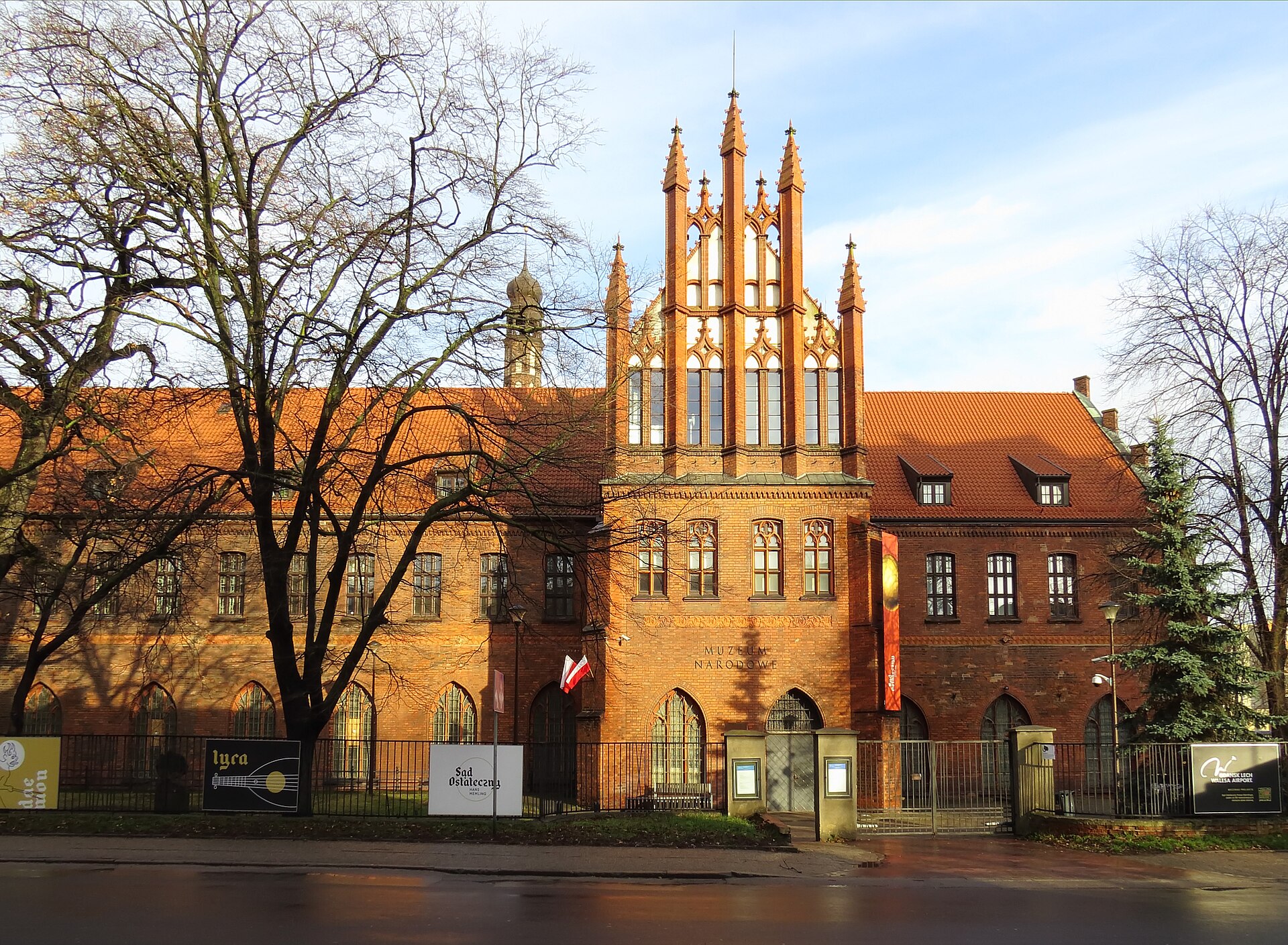
National Museum in Gdańsk is one of the main branches of Poland’s national museum system. Established in 1972, it is located in Gdańsk and serves as an important cultural institution in the city. It is a good place for a focused museum visit. Na miejscu można liczyć przede wszystkim na: a chance to explore one of the key institutions within Poland’s national museum network insight into the museum’s role in Gdańsk’s cultural life, with the institution rooted in the city since 1972 a straightforward stop for sightseeing if you want to include an important museum in a Gdańsk itinerary For a visit like this, it is worth planning a calm stop as part of a broader day in the city. It suits travelers interested in culture and museum sightseeing, especially those who want to include one of Gdańsk’s major institutions in their route.
-
Stefan Żeromski House in Gdynia
Gdynia
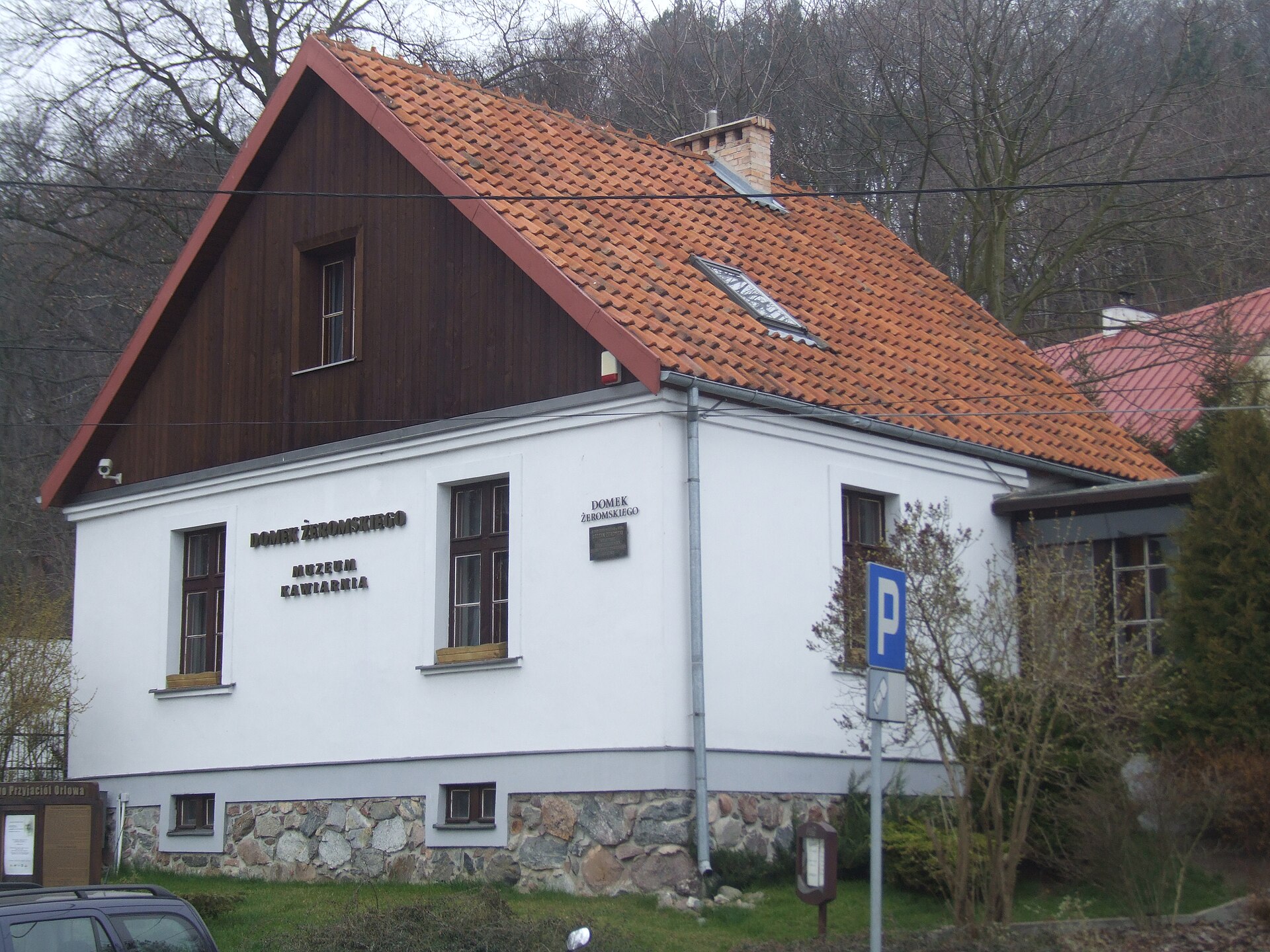
Stefan Żeromski House in Gdynia is a small museum in Gdynia-Orłowo, set in the seaside district of the city. It is dedicated to the life and work of the well-known Polish writer Stefan Żeromski, making it a literary stop tied to one of Poland’s most important authors. For visitors, it offers a calm cultural visit in a coastal neighborhood. Na miejscu można liczyć przede wszystkim na: a look at the museum devoted to Stefan Żeromski, with its focus on his life and writing a visit to a literary landmark connected with one of Poland’s major authors a quiet stop in Orłowo, combining local history with the atmosphere of Gdynia’s seaside district If you are planning a visit, it is worth pairing this stop with a relaxed walk around Orłowo and checking the opening hours in advance. Comfortable shoes will be useful if you want to explore the area around the museum as well. This is a good choice for travelers interested in Polish literature, local history, and a peaceful coastal outing.
-
Muzeum poczty i telekomunikacji Wrocław
Wrocław
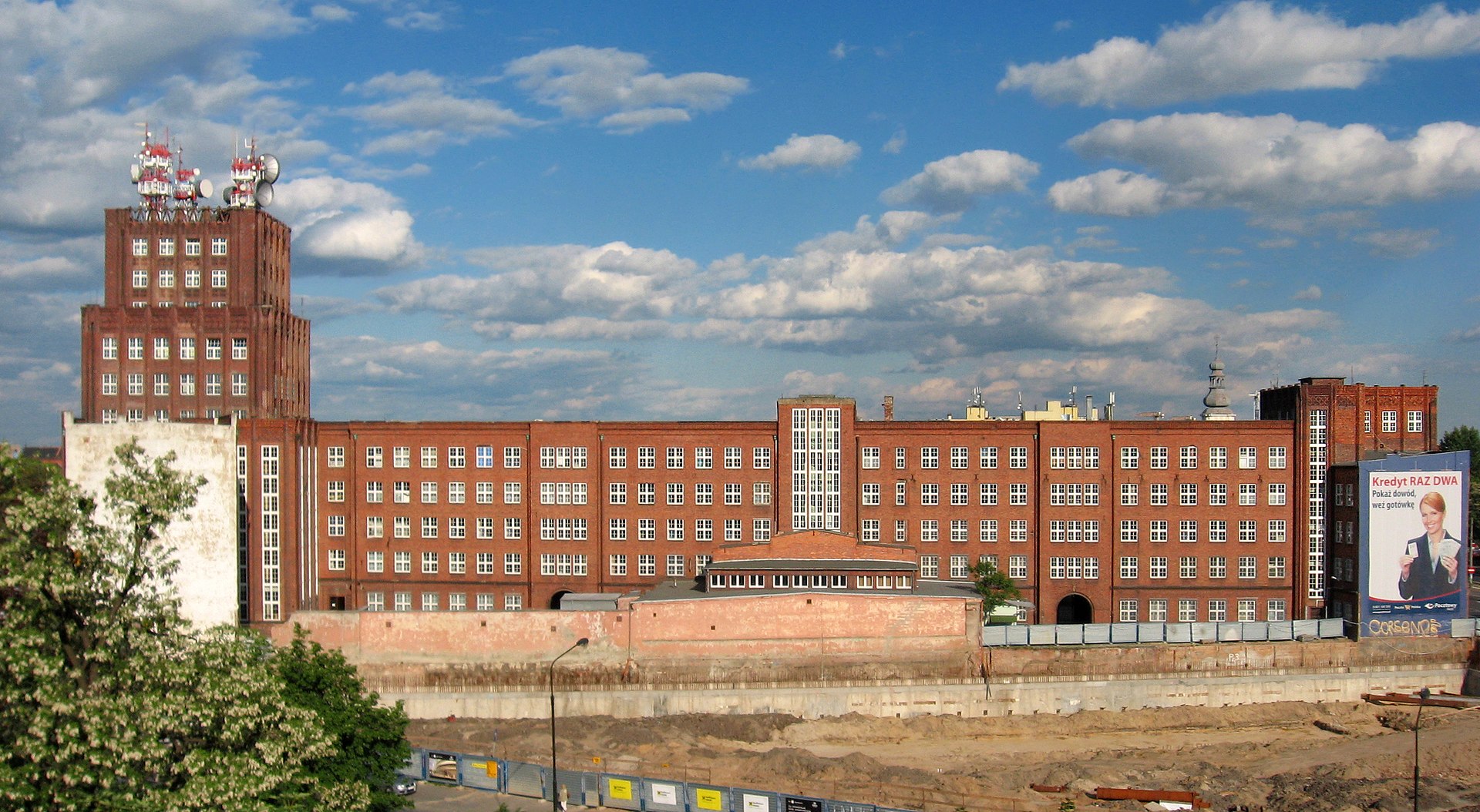
Muzeum poczty i telekomunikacji Wrocław is a museum in the city center of Wrocław dedicated to the history of postal services and telecommunications in Poland. It is housed in a historic building, which adds an extra layer of interest to a visit. The collection shows how communication changed over time and makes for a short, informative stop. Na miejscu można liczyć przede wszystkim na: displays covering the history of postal services and telecommunications in Poland, with a clear focus on how both systems developed over time; a varied collection that includes old mailboxes, uniforms, stamps, telephones, radios, and equipment once used in telegraph and telephone networks; a historic setting in the center of Wrocław, which gives the museum visit a more atmospheric backdrop. It is worth planning a calm visit and, if you like museums with practical and historical themes, this one is a good choice. Comfortable shoes are enough, and it works well as a short city break stop for anyone interested in communication history or looking for a quieter indoor visit.
-
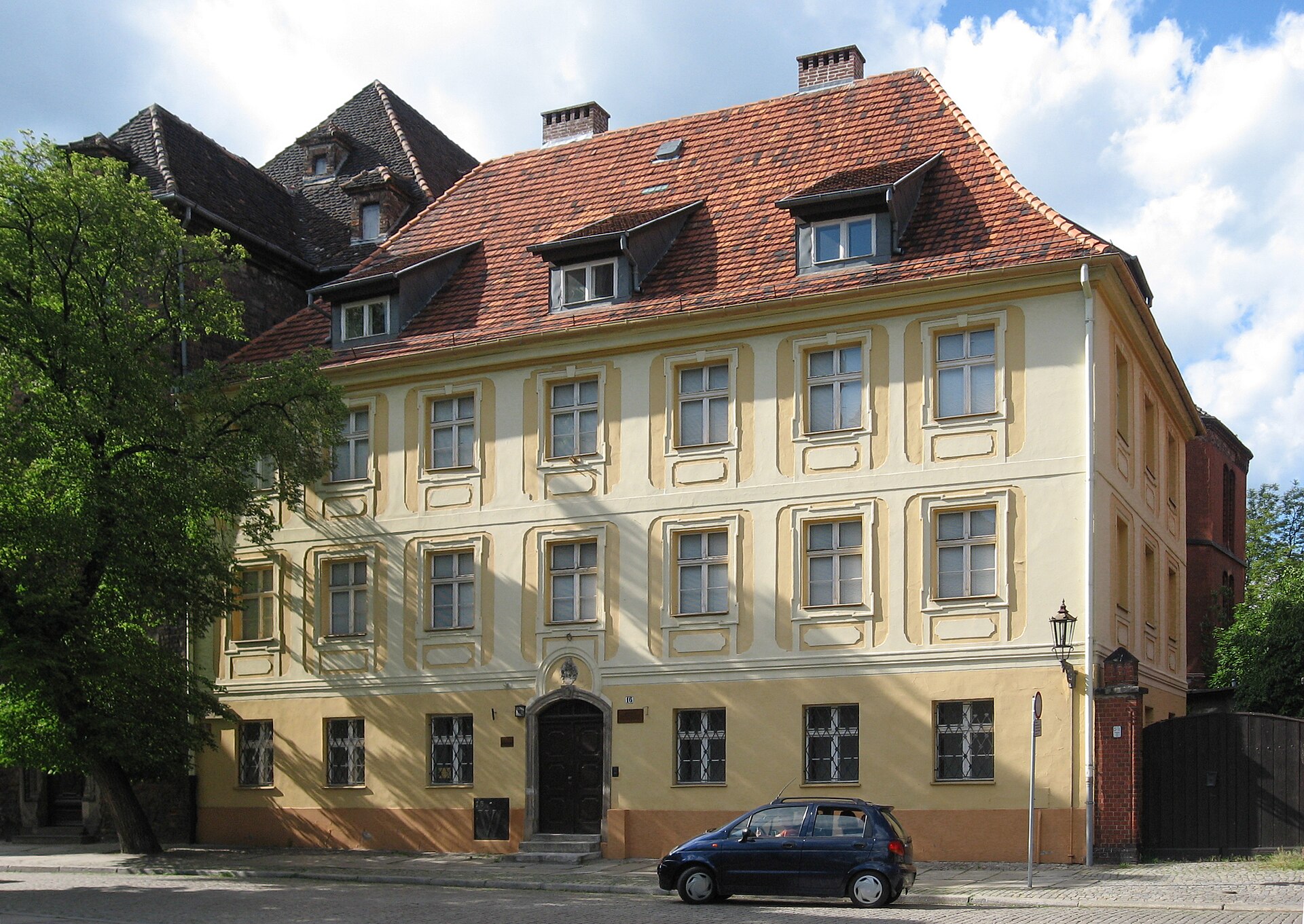
Archdiocesan Museum in Wrocław
Wrocław
Archdiocesan Museum in Wrocław is a church museum in the city centre of Wrocław, focused on sacred art and historical objects connected with the Archdiocese of Wrocław. Its collection ranges from the Middle Ages to the modern period, so you can see how religious art and church heritage changed over time. It is a good place for a short cultural visit and a quiet look at the city’s ecclesiastical history. Na miejscu można liczyć przede wszystkim na: paintings, sculptures, liturgical items, and manuscripts that show the breadth of the museum’s collection sacred art linked to the Archdiocese of Wrocław, giving the visit a clear local and historical context works spanning from the Middle Ages to the modern period, which makes it possible to trace long-term changes in style and devotion If you plan to visit, it is worth allowing time for a calm, unhurried stop in the city centre, especially if you enjoy art and history. Comfortable shoes are a good idea for a walk through the area, and this is a solid choice for visitors looking for a quieter museum experience with a religious and historical focus.
-
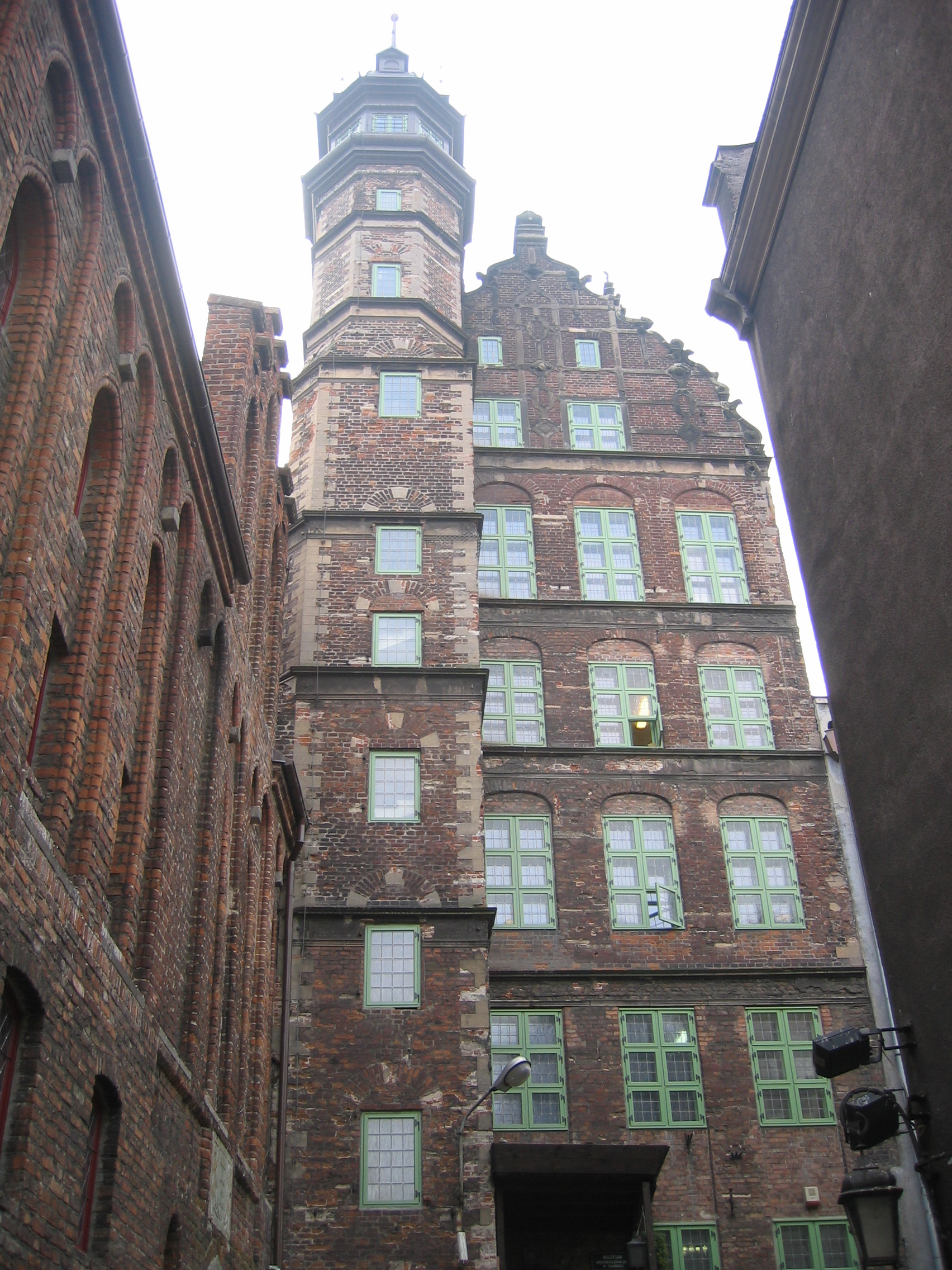
Archeological Museum in Gdańsk
Gdańsk
Archeological Museum in Gdańsk presents archaeological finds from Gdańsk and the wider Pomerania region, with displays that span prehistoric, medieval, and early modern times. Inside, you can see ceramics, tools, jewelry, and burial artifacts, along with exhibitions and educational programs focused on local archaeology. It is a good stop for a short sightseeing visit. The permanent collection brings together objects discovered in Gdańsk and across Pomerania, giving a clear look at how the region changed from prehistory through the medieval era and into the early modern period. Exhibits include a varied mix of ceramics, tools, jewelry, and burial finds, so you can get a sense of both everyday life and funerary customs from different historical periods. The museum also organizes temporary exhibitions and educational activities, making it a place where visitors can learn more about archaeology in the local context. If you are planning a visit, it is worth allowing a bit of time for the exhibitions and checking the current program of educational events. This is a good choice for anyone interested in the history of Gdańsk and Pomerania, especially if you prefer a museum visit that combines artifacts with local context.
-
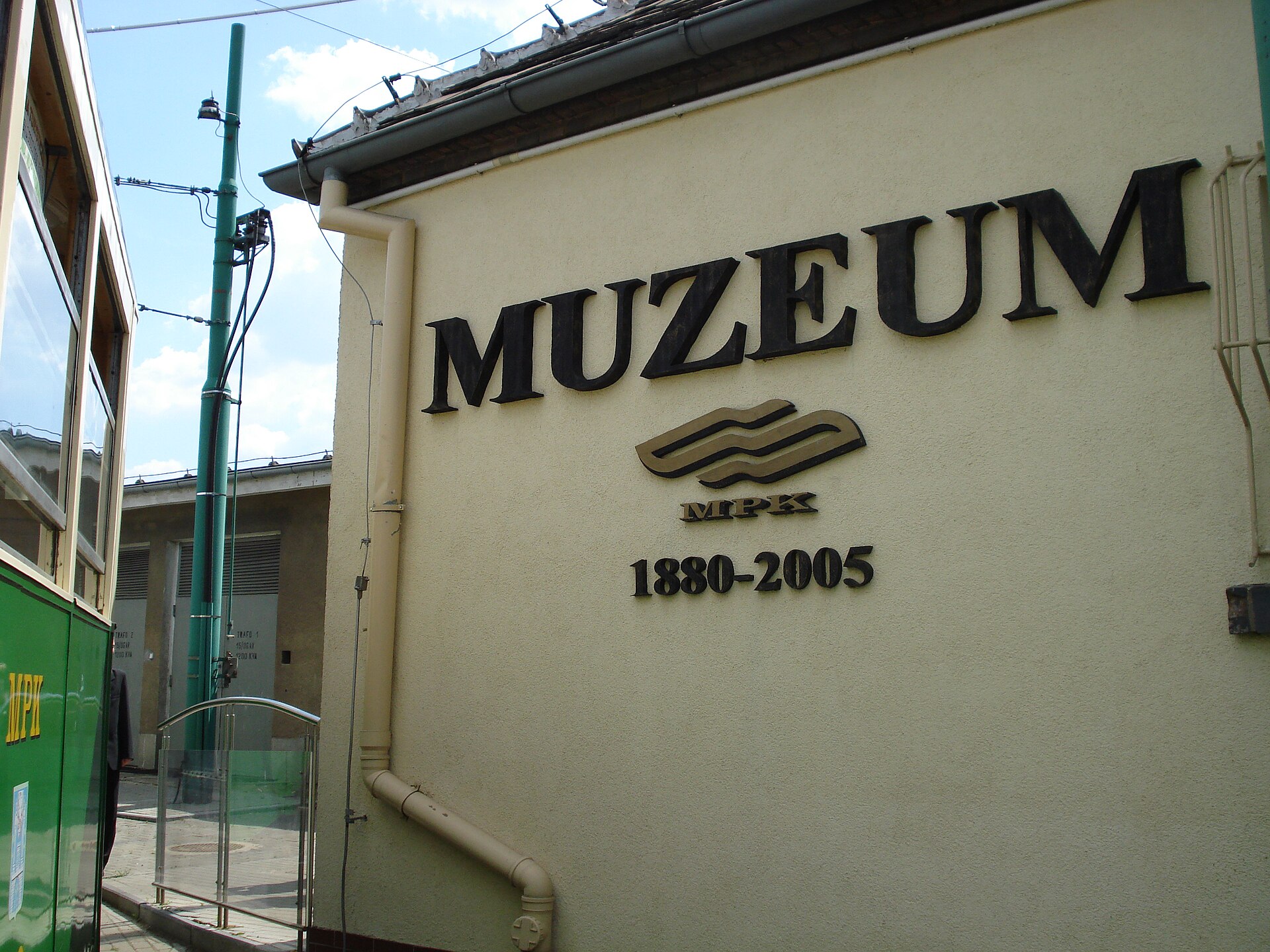
Public transport museum in Poznań
Poznań
Public transport museum in Poznań is a transport museum in Poznań, Poland, focused on the history of public transport in the city. It presents the growth of urban mobility through historic trams, buses, vehicles, and related memorabilia, showing how Poznań’s streets and transit system have changed over time. It is a good choice for a short visit that combines local history with a look at vintage transport. Na miejscu można liczyć przede wszystkim na: historic trams and buses that illustrate different stages of Poznań’s public transport development vehicles and memorabilia connected with the city’s transit history, giving a fuller picture of everyday travel in the past an exhibition that links engineering, local history, and the industrial and cultural heritage of Poznań For a comfortable visit, it is worth planning a relaxed stop and allowing time to look closely at the older vehicles and displays. This is a strong option for travelers interested in local history, engineering, or vintage transport, especially if you enjoy learning how a city’s transport system shaped daily life.
-
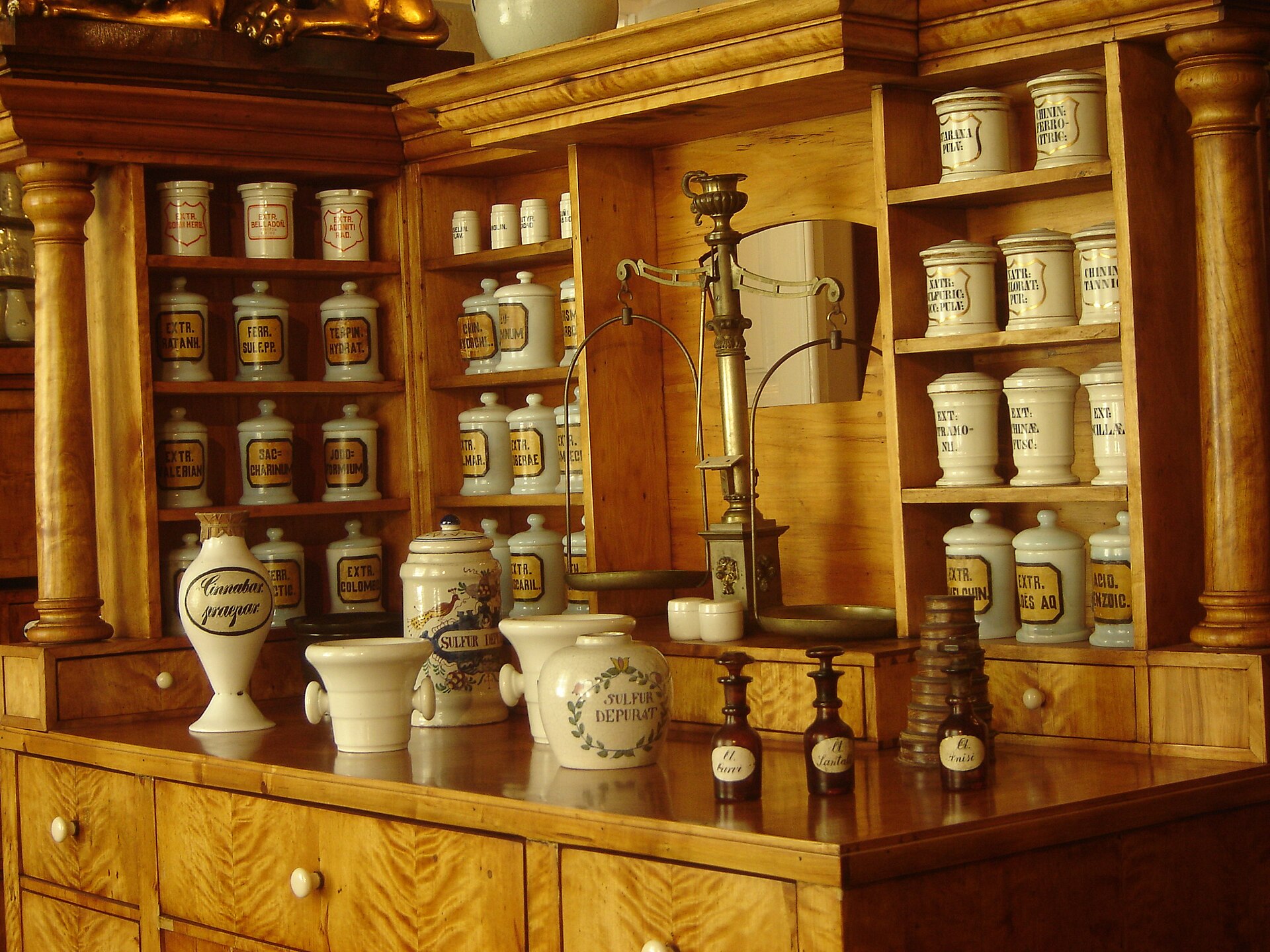
Muzeum Farmacji Collegium Medicum Uniwersytetu Jagiellońskiego
Kraków
Muzeum Farmacji Collegium Medicum Uniwersytetu Jagiellońskiego is a museum on Floriańska Street in Kraków, Poland, dedicated to the history of pharmacy and pharmaceutical technology. Founded in 1946, it offers a focused look at how medicines were prepared and used over time. It is a good stop for a short cultural visit. Na miejscu można liczyć przede wszystkim na: exhibitions devoted to the history of pharmacy, showing how the profession developed over time displays connected with pharmaceutical technology, with a focus on the tools and methods used in medicine making a museum setting on Floriańska Street, which makes it easy to combine with a walk through central Kraków For a visit like this, it is worth planning a calm stop and keeping a little time for the surrounding Old Town area. Comfortable shoes will help if you want to continue exploring nearby streets afterward. This is a good choice for visitors interested in medical history, museums with a clear theme, and a quieter sightseeing break.
-
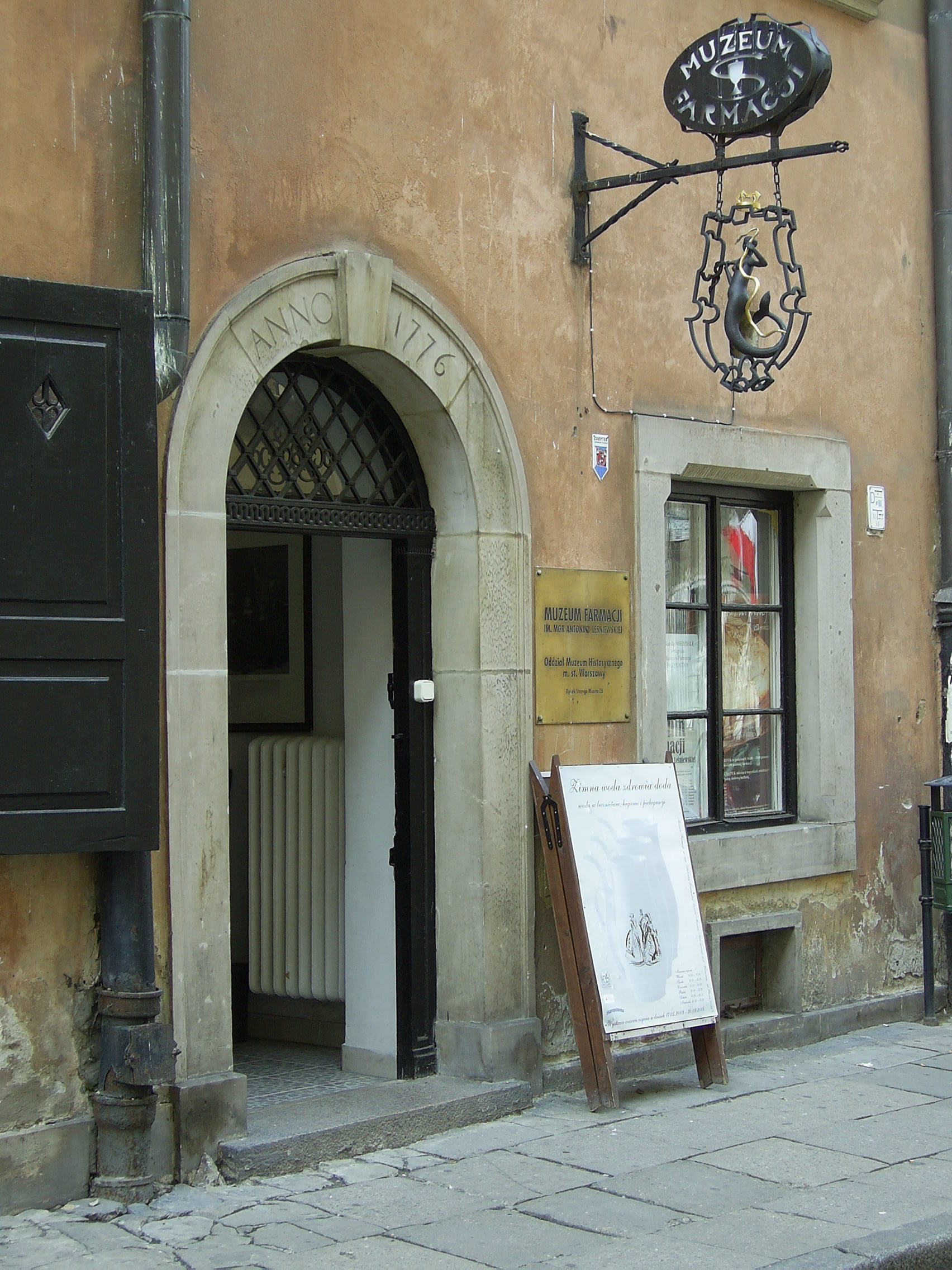
Antonina Leśniewska Museum of Pharmacy
Warszawa
Antonina Leśniewska Museum of Pharmacy in Warsaw is a museum devoted to the history of pharmacy, and it operates as a branch of the Museum of Warsaw. Founded in 1985, it offers a focused look at how pharmacy developed in the city and beyond. It is a good choice for a short, low-key visit with a bit of historical context. The collection includes more than 2,500 antiquities, giving the museum a substantial range of objects to explore. One of the highlights is original pharmaceutical laboratory equipment from the 1930s, which helps show how pharmacy work looked in that period. The displays also trace the history of Warsaw pharmacies, so you can follow the local story of the profession in the city. If you are planning a visit, it is worth allowing enough time to look closely at the smaller items, since many of the exhibits are historical objects rather than large displays. This is a good stop for anyone interested in medical history, old tools, or a quiet museum visit in Warsaw.
-
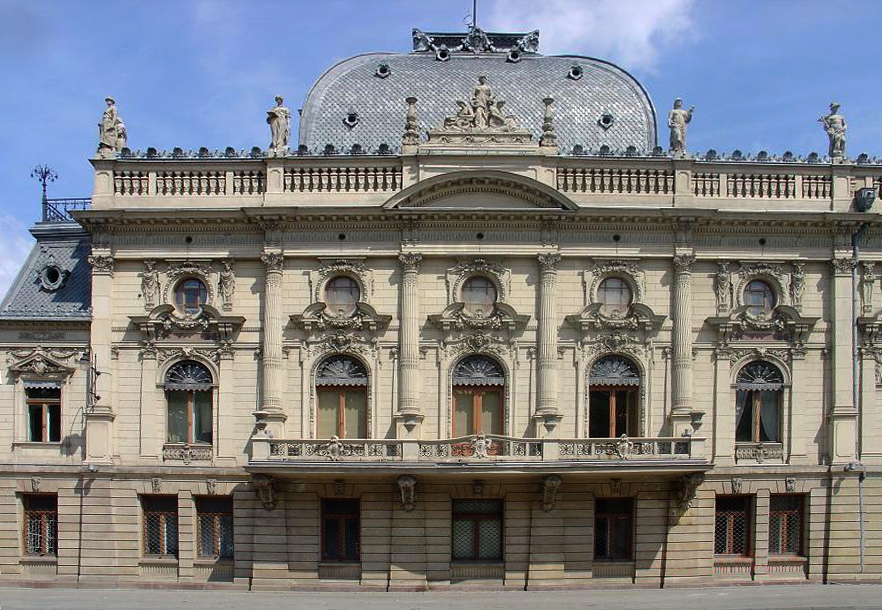
Muzeum Miasta Łodzi
Łódź
Muzeum Miasta Łodzi is a museum in Łódź, Poland, focused on the city’s history, culture, and heritage. It is a good stop for anyone who wants to understand how one of Poland’s most distinctive industrial cities developed over time. For visitors, it offers a compact and informative sightseeing stop. Na miejscu można liczyć przede wszystkim na: learning about Łódź through its local history, with an emphasis on the city’s industrial past and urban development exploring the cultural heritage of Łódź, which helps put the city’s character into a wider historical context a visit that suits travelers interested in architecture, city history, and how an industrial center has evolved If you are planning a museum visit in Łódź, it is worth setting aside enough time to look around at a relaxed pace and, if possible, combining it with other stops in the city center. Comfortable shoes are a good idea, especially if you want to make it part of a broader walk through Łódź. This is a solid choice for visitors who enjoy local history and a calm, educational outing.
-
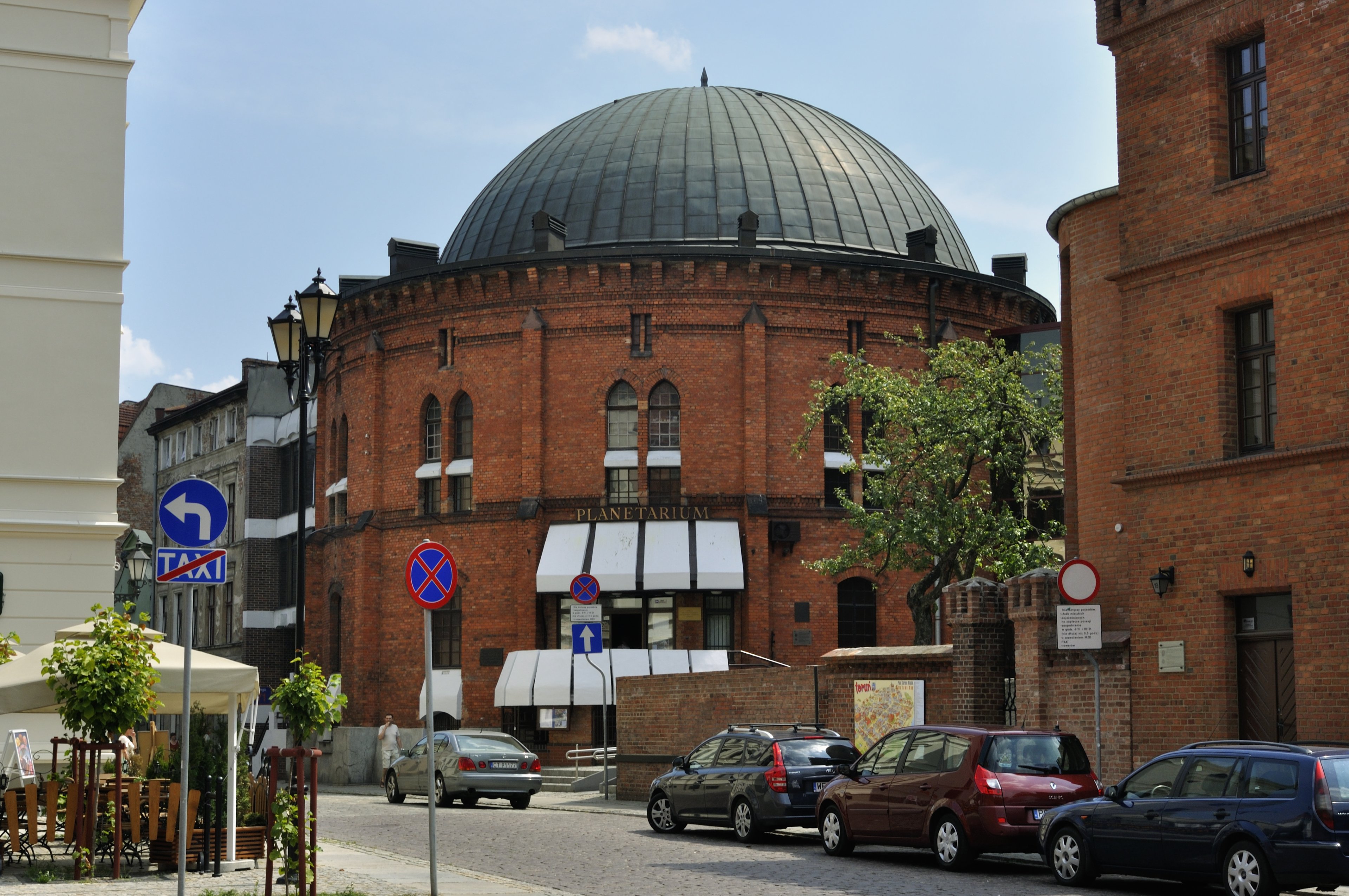
Planetarium w Toruniu
Toruń
Toruń Planetarium is one of the city’s most popular attractions and a great stop for anyone curious about space, science, and the universe. Located in the historic heart of Toruń, it offers an engaging way to learn while taking a break from sightseeing in the old town. Inside, you can enjoy immersive astronomy shows, see the night sky projected in full dome format, and explore exhibitions that make cosmic phenomena easy to understand. It’s a fun experience for both adults and children, especially on rainy days or when you want a more educational activity. Check the show schedule in advance, as screenings may be in Polish. Arrive a bit earlier to secure good seats, especially during weekends and holidays. Combine your visit with a walk around Toruń’s UNESCO-listed Old Town for a perfect half-day outing.
-
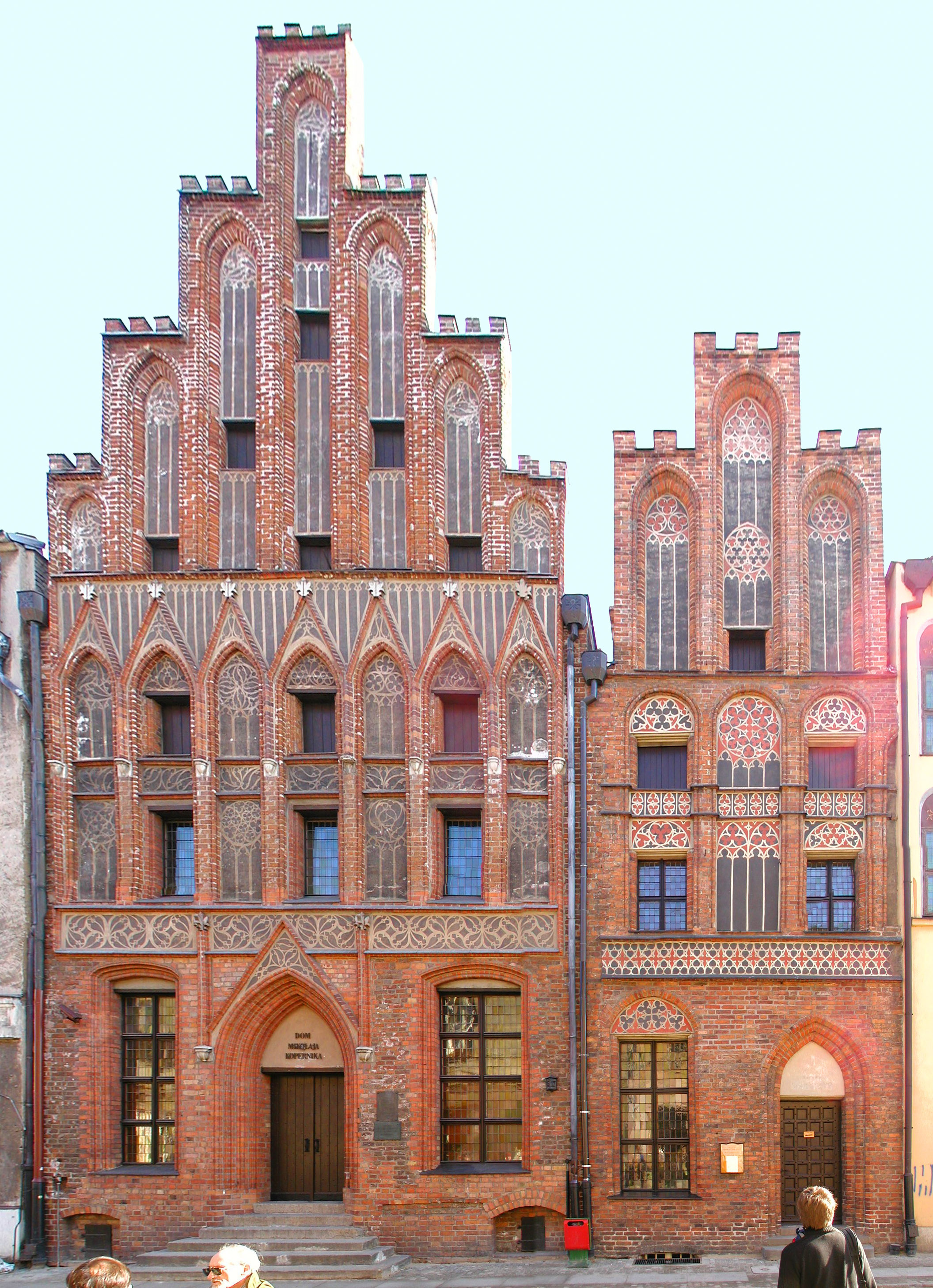
Muzeum Mikołaja Kopernika w Toruniu
Toruń
The Copernicus House in Toruń is one of the city’s most fascinating stops, especially if you’re interested in history, science, or the life of one of Poland’s most famous figures. Set in a beautifully preserved medieval townhouse, it offers a vivid look into the world that shaped Nicolaus Copernicus, the astronomer who changed how we understand the universe. Inside, you can explore exhibits on Copernicus’s life, his discoveries, and the era in which he lived. The museum also showcases the atmosphere of a wealthy merchant’s home from medieval Toruń, with historic interiors, artifacts, and displays that help bring the past to life. Best visited as part of a walk through Toruń’s Old Town, a UNESCO-listed area. Check opening hours in advance, as they may vary by season. Allow time for nearby attractions, since the museum is close to some of the city’s most iconic sights.
-
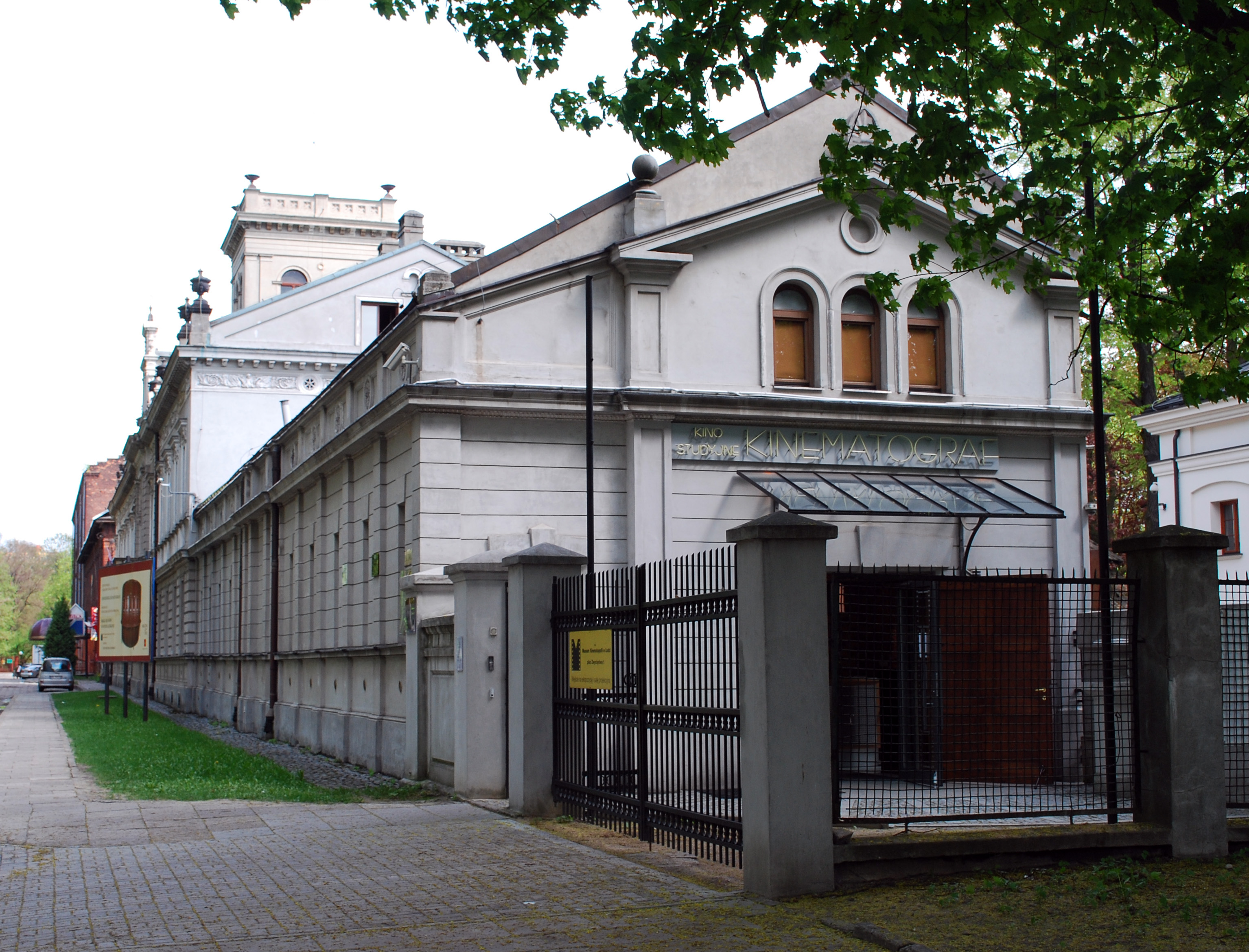
Muzeum Kinematografii w Łodzi
Łódź
The Museum of Cinematography in Łódź is a must-visit for anyone interested in film history and Polish culture. Housed in a beautiful 19th-century palace, it offers a unique glimpse into the world of cinema in a city long associated with the Polish film industry. Inside, you can explore exhibitions on the evolution of filmmaking, watch vintage equipment, and discover costumes, posters, and memorabilia from classic productions. The museum also highlights Łódź’s cinematic legacy, making it especially appealing to movie lovers and curious travelers alike. Plan about 1–2 hours for your visit. Check opening times in advance, as they may vary on holidays. It is easy to combine with a walk around central Łódź and nearby cultural attractions.
-
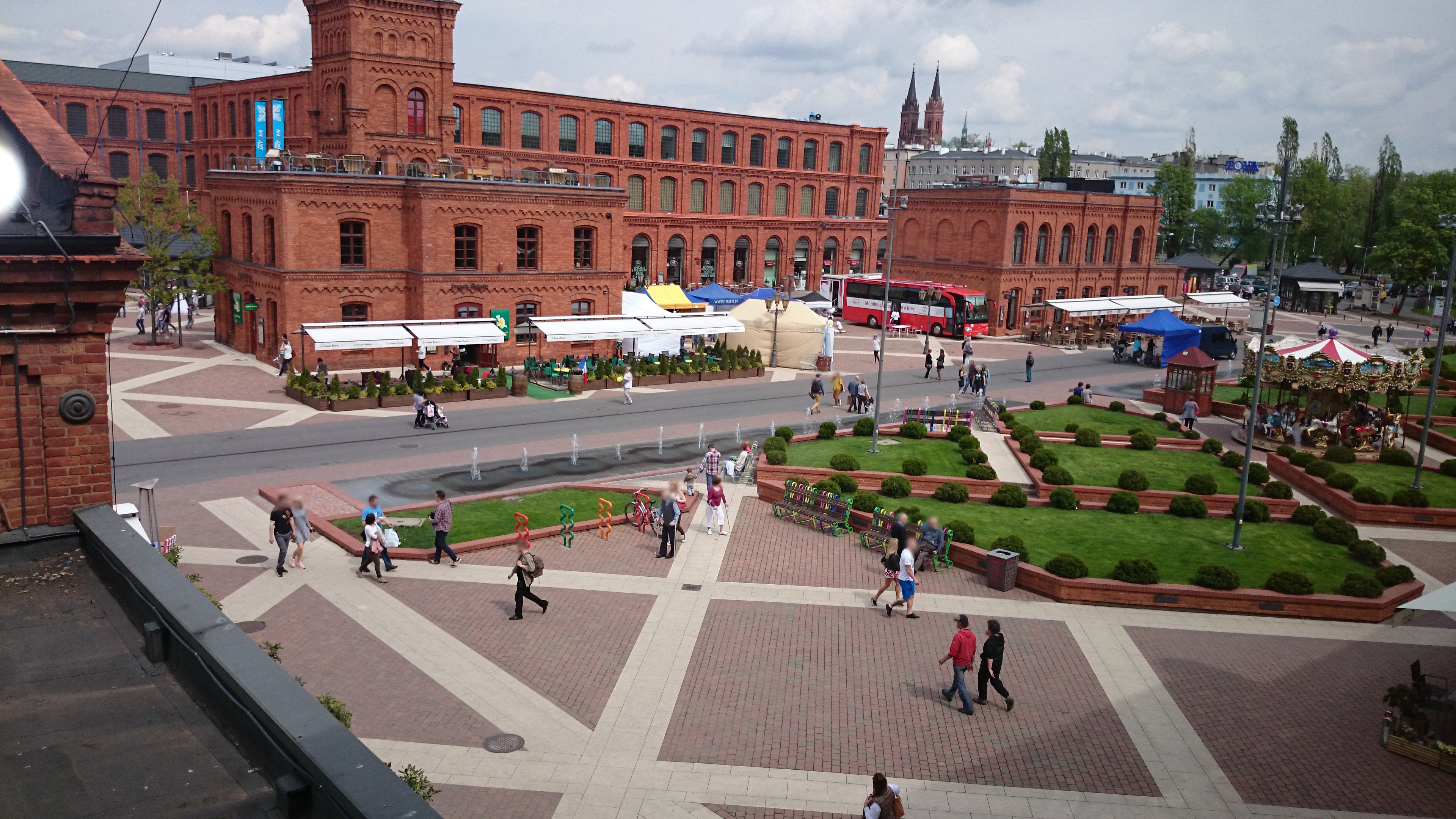
Manufaktura w Łodzi
Łódź
Manufaktura is one of Łódź’s most iconic destinations, a former textile factory transformed into a vibrant cultural, shopping, and leisure complex. It’s worth visiting for its mix of industrial history and modern city life, all in one beautifully restored space. Here you can explore museum spaces, restaurants, shops, and entertainment venues surrounded by striking red-brick architecture and large open squares. It’s also a great place to experience Łódź’s creative atmosphere, especially if you enjoy urban design, history, or photography. Plan some time to walk around the whole complex, not just the main shopping area. Visit in the evening to see the buildings beautifully lit up. Check the event calendar for concerts, exhibitions, and seasonal markets. It’s easy to reach by public transport and convenient for a relaxed stop during a city trip.
-
1 visits

Muzeum Katedralne im. Jana Pawła II na Wawelu
Kraków
The John Paul II Cathedral Museum is a museum in Kraków, Poland, located on Wawel Hill. It stands between the Vasa Gate and the former seat of the Castle Seminary, in the Cathedral House made up of two 14th-century buildings. It is a good stop for a short cultural visit while exploring Wawel. Na miejscu można liczyć przede wszystkim na: a museum setting directly on Wawel Hill, within one of Kraków’s most important historic areas; the Cathedral House itself, which combines two 14th-century buildings and adds architectural interest to the visit; a location between the Vasa Gate and the former seat of the Castle Seminary, making it easy to connect with a broader walk around the cathedral complex. If you are already visiting Wawel, this is best combined with a relaxed sightseeing stop nearby. Wear comfortable shoes, as the area is best explored on foot, and it is a good choice for travelers interested in history, church heritage, and a quieter museum visit.
-
1 visits
Galicia Jewish Museum
Kraków
Galicia Jewish Museum is located at 18 Dajwór Street in Kazimierz, the historic Jewish district of Kraków, Poland. It is a photo exhibition focused on the traces left by Jewish culture and everyday life in Polish Galicia, a tradition that was once especially vibrant in this part of the city. For visitors, it offers a thoughtful museum visit. Na miejscu można liczyć przede wszystkim na: a photographic exhibition that documents the remnants of Jewish culture and life in Polish Galicia a visit in Kazimierz, the historic Jewish quarter of Kraków, which adds important local context to the museum a chance to reflect on how strongly Jewish life once shaped this area and how much of that heritage still survives in memory and images It is a good stop for a calm cultural outing, especially if you are already exploring Kazimierz on foot. Comfortable shoes are useful for combining it with a short walk around the district, and it suits anyone interested in Jewish history, photography, and Kraków’s local heritage.
Earn badges for the places you visit
Download NextOnTrip, discover new places and check off your trails.