Museums in Croatia
A guide to 49 Museums in Croatia — with descriptions, photos and traveler visits from the NextOnTrip community. Locations spread across 22 cities and towns. Most visited by the community: Museum of Illusions, Split, Museum of Peasant Revolts, Archaeological Museum Osijek.
-
Krapina
Krapina
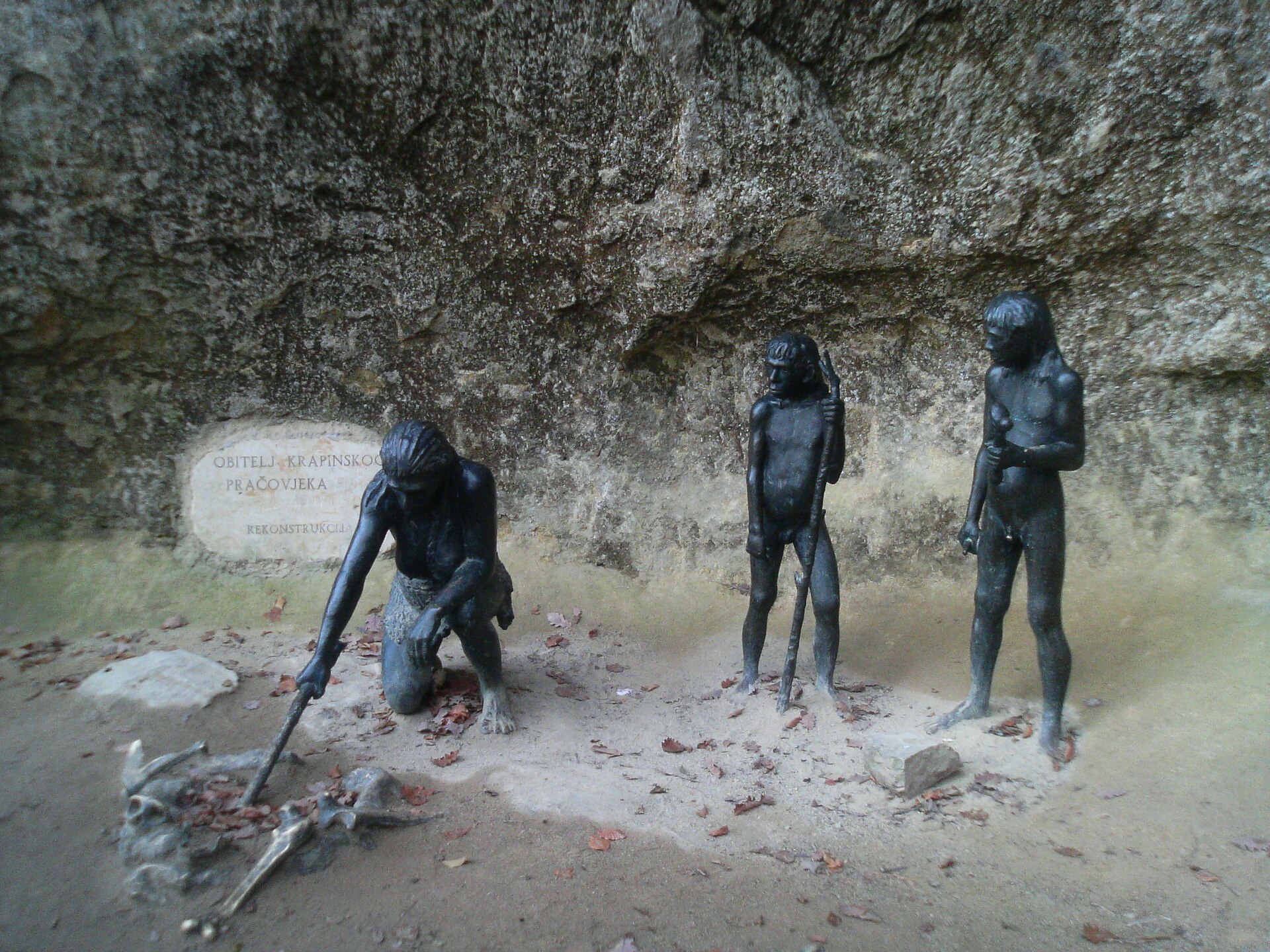
The Krapina Neanderthal Museum sits on Hušnjakovo hill right beside the town of Krapina in northern Croatia, roughly 55 km from Zagreb. It marks one of the most significant sites in world paleoanthropology — the place where the largest single collection of Neanderthal remains ever found came out of the ground. Why does this hillside matter so much? Between 1899 and 1905, Croatian paleontologist Dragutin Gorjanović-Kramberger excavated the cave deposits on Hušnjakovo hill and changed how Europe understood human origins. His digs turned up close to 900 Neanderthal bones, over a thousand stone tools, and thousands of animal bones, all dated to roughly 125,000 years ago. No other site on Earth has yielded that many Neanderthal remains from a single location, which is why Krapina still shows up in anthropology textbooks more than a century later. What's actually inside the museum? The current museum building opened in February 2010. It spreads across 1,200 square meters on two levels, built partly into the slope between Hušnjakovo and the neighboring Josipovac hill. The exhibition walks visitors through cosmic and geological history, biological evolution, and finally the story of human development and the Krapina Neanderthals themselves. The standout feature is a set of 17 hyper-realistic Neanderthal reconstructions created by French sculptor Élisabeth Daynès, whose work appears in museums worldwide. A separate section recreates 19th-century life in Krapina and the circumstances of the original discovery. A forest path leads directly from the museum building to the Hušnjakovo site itself, where visitors can see the remains of the cave the Neanderthals once inhabited. How do you get there? Krapina sits right on the A2 motorway connecting Zagreb and Maribor, so driving from the Croatian capital takes about an hour. Buses and trains also run from Zagreb to Krapina; from the town center it's a short walk or taxi ride up to the museum on Hušnjakovo hill. On-site parking is available. When should you go, and what does it cost? The museum runs guided tours in Croatian and English, plus audio guides in eight languages: Croatian, Slovenian, English, French, German, Italian, Czech, and Hungarian. Admission runs around €10–15. Plan for at least an hour and a half to two hours to cover both the exhibition and the forest walk to the actual site. Spring and autumn make for the most comfortable walk up the hill, while summer visitors are better off arriving early to beat the heat and the crowds. Frequently asked questions How long does a visit to the museum and the Hušnjakovo site take? The exhibition alone usually takes 60–90 minutes. Add the forest walk to the archaeological site and you should budget close to two hours in total. What exactly was found on Hušnjakovo hill? Excavations uncovered around 900 Neanderthal bones, more than a thousand stone tools, and several thousand animal bones — the richest single-site collection of Neanderthal remains in the world. Who led the excavations in Krapina? Croatian paleontologist Dragutin Gorjanović-Kramberger directed the digs between 1899 and 1905, and his findings remain a reference point in Neanderthal research today. Can you reach the museum without a car? Yes — buses and trains connect Zagreb to Krapina, and the museum on Hušnjakovo hill is a short walk or taxi ride from the town center.
-
Historical and Maritime Museum of Istria
Pula
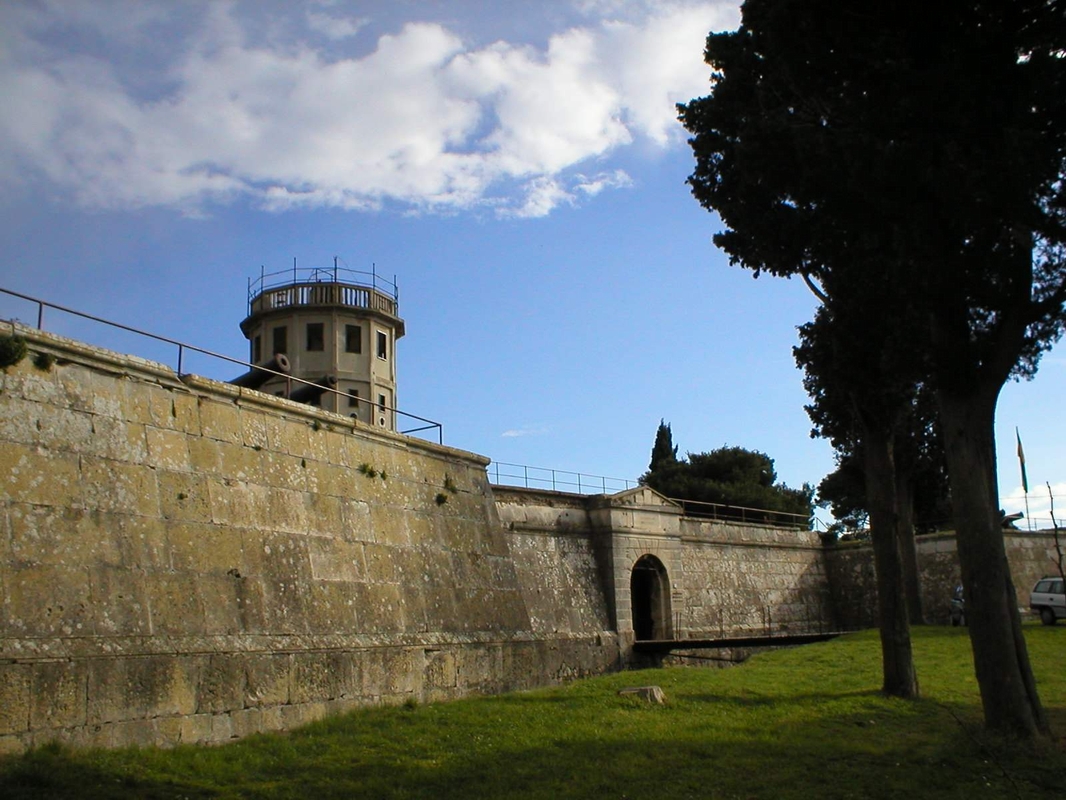
The Historical and Maritime Museum of Istria is one of the standout cultural attractions in Pula, housed inside a historic fortress that towers over the city and its harbor. Where is the museum located? The museum occupies Kaštel, the hill at the historical heart of Pula around which the city has grown for millennia. Crowning the hill is an imposing fortress built by the Venetians in the 17th century, laid out in a star shape typical of the fortification design of that era. The ramparts offer one of the best viewpoints in Pula, with sweeping views over the harbor, the shipyard, and the Adriatic Sea — reason enough on its own to climb up here, even before setting foot inside the exhibition halls. What will you see inside? The museum is dedicated to the maritime history and traditions of Istria. Its collections cover shipbuilding, navigation, fishing, and underwater archaeology, ranging from old nautical charts and navigational instruments to weapons and everyday objects that document the lives of the region's inhabitants across the centuries. The exhibits trace how the sea has shaped Istria's economy and daily life from antiquity through the 20th century. The institution was founded on 31 December 1955, originally under the name Museum of the Revolution, and gradually evolved into a museum focused on the region's broader history and its maritime heritage. Why is the underground part worth seeing? One of the most memorable parts of a visit is descending into the Zerostrasse tunnels, which run directly beneath the fortress. Built during the Austro-Hungarian era as part of the defense system protecting the city and its naval port, these narrow, cool corridors offer a completely different experience from the exhibition rooms above — for many visitors, this is the part of the trip that stays with them longest. How much time should you set aside? To properly explore the museum, walk the fortress walls, and visit the tunnels, plan for around 1 to 2 hours. That's enough time to take in the exhibits at a relaxed pace, enjoy the viewing terrace, and go underground without feeling rushed. When should you visit? The museum is open year-round, though opening hours change with the season. In winter (October–April) it's open from 9 am to 5 pm, while in summer (May–September) hours extend to 9 pm — long enough to pair a visit with an evening stroll along the ramparts and watch the sun set over the Adriatic. How do you get there? Kaštel hill sits right in the center of Pula, within easy walking distance of the amphitheater and the main sights of the old town. Because it sits on high ground, the approach involves steep streets and steps, so comfortable shoes are worth wearing — the reward is a panoramic view of the city from the fortress walls. Frequently asked questions Is the museum suitable for children? Yes, the maritime exhibits and the underground tunnels are usually a hit with younger visitors, though it's worth being mindful of stairs and uneven surfaces around the fortress grounds. Can you visit without a guide? Yes, the grounds and exhibitions can be explored independently at your own pace, using the descriptions displayed alongside the exhibits. Can you take photos from the fortress walls? Yes, the viewing terrace on the ramparts is open to everyone and is one of the best spots in Pula for photos of the harbor and city skyline. Is it worth combining with other nearby attractions? Definitely — Kaštel hill borders the old town and the amphitheater, so a museum visit fits easily into a walk through Pula's historic center.
-

Kažun Park
Vodnjan
Kažun Park is a small open-air museum on the edge of Vodnjan, Istria, built around the region's traditional dry-stone huts called kažuns. In a few minutes you can grasp where the countryside's most recognisable structures come from, and why the area around Vodnjan is considered their heartland. Where is it and how do you get there? The park sits right at the exit of Vodnjan, on the main road toward Bale and Rovinj. It's a short hop by car from the town centre, and the site is easy to spot from the road, with free access and no set opening hours to work around. It also doubles as the starting point for the cycling routes that loop through the surrounding fields and hamlets, so many visitors pass through here as part of a longer ride rather than a dedicated trip. What will you actually see there? The centrepiece is a display of the four stages of building a kažun, from laying the foundation, through raising the dry-stone walls, to the final conical roof made of flat stone slabs. Walking through the stages makes it obvious how these huts were assembled entirely from stone, with no mortar, yet stayed standing through decades of Istrian summers and storms. A dry-stone wall surrounds the park, built partly by visitors themselves during past workshops. There's also a small info point for a rest stop, plus a bicycle repair station and resting area aimed at cyclists passing through. Where does the kažun tradition come from? Kažuns were built by local farmers and shepherds who cleared their fields of stones to make the land arable — the removed stone was then reused to build these small shelters, used to escape sun and rain and to store tools. The area around Vodnjan holds the densest concentration of kažuns and dry-stone walls anywhere in Istria, with an estimated three thousand of these structures still standing in the region. The broader craft of dry-stone walling, shared with several other Mediterranean regions, was added to UNESCO's Representative List of the Intangible Cultural Heritage of Humanity in 2018. How did the park itself come about? Kažun Park was created in 2013 as an extension of the annual "Moj kažun – La mia casita" workshop, held every May, where locals and visitors learn the traditional building technique together. Over time the site grew into a permanent, freely accessible display that keeps the tradition visible outside the workshop dates too. When is the best time to visit? The park can be visited year-round, though spring and autumn are the most comfortable, with milder temperatures and green fields around it. If you want to catch the kažun-building workshop itself, plan a visit in May, when the site is at its liveliest. In summer, an early morning or late afternoon visit is more pleasant, since the open terrain offers little shade at midday. Frequently asked questions Is entry to Kažun Park free? Yes, the park is open to the public at no cost, at any time of day. How long does a visit take? The display itself is compact, so a relaxed walk through all four construction stages takes about 15–30 minutes. Can I combine it with another nearby attraction? Yes — the park sits on the road to Bale and Rovinj and along local cycling routes, so it pairs naturally with a walk through central Vodnjan or a longer bike ride around the surrounding villages. What makes a kažun different from an ordinary stone shed? A kažun is built entirely from stone, without mortar or a timber roof frame — its conical shape and dry-stone technique are what make it one of the most distinctive features of the Istrian rural landscape.
-
Meštrović Atelier
Meštrović Atelier is the former studio and home of sculptor Ivan Meštrović, now a compact museum tucked into Gornji Grad, Zagreb's historic Upper Town. This is where the artist lived and worked for two decades before the building and its collection passed into the city's care. Where is it and how do you get there? The atelier sits in the Upper Town, the oldest part of Zagreb, just a short walk from the cathedral and St. Mark's Square. This is a district best explored on foot — cobbled lanes, stone façades, and almost no car traffic make the walk itself part of the experience. From Ban Jelačić Square, the city's central hub, it's roughly a 10–15 minute uphill walk, or you can shortcut the climb with the historic funicular (Uspinjača). If you'd rather skip the incline altogether, a taxi is a fair option too — distances within the Upper Town are short, so the ride takes only a few minutes. The museum is open Tuesday through Sunday and closed on Mondays. On most days — Tuesday, Wednesday, and Friday — hours run 10:00 to 17:00, while Thursday stays open later, until 20:00, which is handy if you want an evening visit. Saturday hours stretch from 10:00 to 19:00, and Sunday is shorter, closing at 13:00. Worth factoring in if you're planning a weekend visit. What will you see inside? Rather than a white-cube gallery, the atelier is the artist's actual home — a studio, a sculpture garden, and living quarters arranged to reflect the period in which Meštrović worked. On display are sculptures in stone, wood, and bronze, along with sketches and personal items that give a sense of both his creative process and everyday life. A standout feature is the inner courtyard with its colonnade, where several sculptures are set out in the open air — a favorite spot for photos and a quiet pause partway through the visit. Because the building is intimate in scale, a full visit rarely takes more than an hour, which makes the atelier an easy addition to a longer Upper Town route alongside the cathedral, St. Mark's Church, and the Stone Gate. When should you visit? Weekday mornings are the best window — fewer visitors means a calmer pace and more time to look closely at individual pieces. Thursday's extended hours (until 20:00) work well if you're spending the day elsewhere in the city and want to fit the atelier in later in the afternoon. Try to avoid Sunday afternoons, since the museum closes as early as 13:00. The Upper Town can get hot and crowded in summer, so if your trip falls during peak season, aim to arrive shortly after opening in the early morning. Frequently asked questions Do you need to book tickets in advance? Given the small size of the building, queues can form during peak season. It's safer to plan a visit for weekday mornings. How long does a visit take? A typical visit lasts 45–60 minutes — this is an intimate museum, not a sprawling gallery. Is the atelier accessible for visitors with limited mobility? The building dates from the Upper Town's historic construction, so expect stairs and thresholds; visitors with mobility needs should check current accessibility options before arriving. Are there other nearby sights worth combining into one route? Yes — within a few minutes' walk you'll find Zagreb Cathedral, St. Mark's Church with its distinctive tiled roof, and the Stone Gate, making it easy to plan a full morning around the Upper Town without needing any transport in between.
-
Ecomuseum Batana
Ecomuseum Batana is Croatia's first ecomuseum, set in the harbor district of Rovinj, right where fishing boats still moor along the quay. Rather than a single exhibition hall, it works as a network of connected sites where the craft and use of the batana — a traditional wooden fishing boat unique to this part of Istria — remains a living practice rather than a museum piece. What exactly is a batana, and why does it need a museum? The batana is a flat-bottomed rowing boat, hand-built for generations without power tools or modern machinery. The building method passes from master craftsman to apprentice almost unchanged, which is why UNESCO added the safeguarding of this practice to its Register of Good Safeguarding Practices for intangible cultural heritage. The ecomuseum exists precisely to keep that knowledge — hull shape, timber selection, plank-joining technique — from disappearing along with the last shipwrights who still hold it. What will you actually see inside? The core of the project is the House of Batana, a stone building of traditional design standing almost on the waterline. Inside, the display walks through the boat's history: shipbuilding tools, models, photographs, and stories of the everyday fishermen's life in Rovinj, for whom the batana was both workhorse and daily transport. Two further sites round out the visit. Mali Škver, the "Little Shipyard," is where boats are still genuinely built and repaired — visitors can watch real shipwrights at work rather than a staged demonstration. Spacio Matika is dedicated to the tastes, smells and music of the region's maritime culture, a space for sampling local dishes and hearing the traditional a cappella singing known as bitinada. How do you get there? The ecomuseum sits right in central Rovinj, a few minutes' walk from the Old Town and the harbor. Rovinj lies on the western coast of Istria and is well connected by road to Pula (roughly 40 km away) and Poreč. The nearest airport is Pula, from which Rovinj is under an hour away by car or bus. Rovinj's Old Town is largely closed to cars, so the final stretch is best covered on foot. When should you visit? The strongest window is mid-June through late August, when the House of Batana and the surrounding squares host concerts of traditional Rovinj music every Wednesday and Sunday, paired with food prepared by the ecomuseum's own members. This is also the season for the evening batana rowing trips — outings that typically set off at sunset, with small lanterns called "sviće" lit on board once darkness falls, creating one of the most distinctive experiences on the water anywhere in Istria. Outside summer, the museum runs at a quieter pace, but the permanent exhibition stays open year-round. Who is this for? Ecomuseum Batana suits travelers who want to understand Rovinj beyond its postcard alleys — anyone drawn to maritime heritage, traditional craft, and living local culture. It also works well for families, since the exhibits are easy to follow and watching real shipwrights at Mali Škver tends to hold children's attention better than glass display cases. Frequently asked questions Is there an entry fee for Ecomuseum Batana? Visiting the House of Batana requires a small admission fee, while walking around Mali Škver and joining the summer tastings may be priced separately — check current rates on-site or at the local tourist information point. How long should you plan for a visit? The House of Batana exhibition alone takes about 30–45 minutes, but allow 2–3 hours if you also want to see Mali Škver and try local specialties at Spacio Matika. Can you actually go out on a batana? Yes — during summer, tourist trips on a traditional batana are organized, usually departing at dusk. It's one of the museum's signature experiences. Is the museum suitable for children? Yes. The exhibition itself is straightforward, and kids often find watching real boatbuilding work at Mali Škver more engaging than the indoor displays.
-
Ethnographic Museum of Zagreb
Zagreb
The Ethnographic Museum of Zagreb sits on Ivan Mažuranić Square, a short walk from the city's Main Railway Station, in a building that would be worth a visit even if it were empty. How do you get there? The museum stands in Zagreb's so-called "Green Horseshoe" — the belt of parks and Secession-era buildings that frames the city center. On foot, it's roughly 10–12 minutes from Ban Jelačić Square or 5–7 minutes from the Main Railway Station; either route brings you to Trg Ivana Mažuranića, where the museum's dome is visible well before you arrive. By tram, the nearest useful stops are around Ante Starčević Square and the Main Station, both within easy walking distance of the entrance. What's the story behind the building? The structure itself predates the museum. It was built in 1903 to house the city's Trades Hall (a guild and crafts chamber), designed by architect Vjekoslav Bastl in the Vienna Secession style that defined much of Zagreb's newer quarters at the time. The facade carries sculptural work by Rudolf Valdec, while the interior of the dome is painted with frescoes by Oton Iveković, one of the leading Croatian painters of the turn of the 20th century. The Ethnographic Museum itself was founded in 1919, established by Salamon Berger, and later took over this Secession-era building — making it one of the older museum institutions in the city. What will you actually see inside? The collections focus on folk culture and traditional craft from across Croatia, highlighting just how different regional material cultures were despite the country's relatively compact geography — from folk costumes and textiles to jewelry and everyday household objects from rural and small-town life. It's a useful counterpoint to Zagreb's more "official" city-history museums: here the story is told through clothing, tools, and ornament rather than politics or dates. Don't rush past the architecture either — the domed hall, staircase, and Secession detailing are as much a reason to visit as the exhibits in the cases. When should you plan your visit? Pair the museum with the nearby Museum of Arts and Crafts and a walk through the Green Horseshoe park belt — the combination comfortably fills half a day. Since the building lacks the airflow of a modern structure, midday visits during peak summer heat can feel stuffy; mornings tend to be more comfortable. In winter, the museum makes a solid indoor stop between walks through the city center, especially on colder afternoons. Frequently asked questions How long does a visit take? Expect 45–90 minutes for the permanent collection, depending on how much time you spend on the architectural details of the building itself. Is the building historically significant on its own? Yes — it's the former Trades Hall from 1903, designed by Vjekoslav Bastl, with facade sculptures by Rudolf Valdec and dome frescoes by Oton Iveković, making it one of Zagreb's notable Secession-era landmarks. Is this museum suitable for children? Ethnographic displays — costumes, crafts, everyday objects — tend to hold school-age children's attention well, especially with a bit of context from accompanying adults. Are there other attractions nearby? Yes, the museum sits within Zagreb's Green Horseshoe, close to the Main Railway Station and other Secession buildings in the Lower Town, making it easy to combine with a walk through the surrounding parks and squares.
-
Archaeological museum Narona
Vid
Narona Archaeological Museum in the village of Vid is one of Croatia's most unusual museums – built directly over the ruins of an ancient sanctuary, on the exact spot where archaeologists found it buried underground. Where is Vid, and what was Narona? Vid is a small village about 4 km northwest of Metković, sitting in the Neretva river valley in southern Croatia, close to the border with Bosnia and Herzegovina. In antiquity this was the site of Narona, a major trading hub that linked the Adriatic coast and the wider Mediterranean with the Illyrian interior. Little remains of the city above ground today, but its foundations, mosaics and one of the most significant sculptural finds in this part of Europe still lie beneath and around modern Vid. What is actually inside the museum? The centerpiece of the collection is the Augusteum, a temple dedicated to the cult of Emperor Augustus and his family, built around 10 BC. The discovery began in 1995, when marble statues of members of the Julio-Claudian dynasty came to light during excavation. The following year a team led by professor Emilio Marin uncovered the temple itself, along with a plain, single-colour mosaic floor. In total, 17 marble statues were recovered – every one of them beheaded when the temple was destroyed in the 4th century AD, likely as the imperial cult gave way to Christianity. The museum opened to visitors in 2007 and was the first in Croatia to be built directly above an excavated archaeological site, rather than moving the finds to a separate building; the structure was instead designed around the temple's surviving foundations. Beyond the imperial statues, the collection includes roughly 900 artifacts spanning the city's history from the late 3rd century BC to the 15th century AD, ranging from pottery and jewellery to architectural fragments and inscriptions. How do you get there? Driving is by far the easiest option – Vid sits just a few minutes from Metković along a local road that follows the Neretva valley. Metković itself is served by bus connections from larger regional cities, including Split and Dubrovnik, and from there a taxi or local bus covers the short remaining distance to Vid. The museum sits in the centre of the village, is well signposted, and has nearby parking for those arriving by car. When is the best time to visit? The temple interior and sculpture gallery are open year-round, but spring and autumn tend to be the most comfortable seasons, since the Neretva valley can get quite hot in midsummer. In summer, an early or late-morning visit helps avoid the heat of the day. It's worth combining the museum with a broader trip through the Neretva delta, a region known for its mandarin orchards and kayaking routes, which easily fills out a full day of sightseeing. Frequently asked questions What makes this museum different from a typical archaeological museum? The building was constructed directly above the excavated sanctuary, so visitors see the statues and mosaic floor exactly where they originally stood in antiquity, rather than in a separate display hall. How many imperial statues are on display in the Augusteum? Seventeen marble statues of Emperor Augustus and members of his family were recovered from the temple; all lost their heads when the building was destroyed in the 4th century AD. Can you reach Vid without a car? Yes, though driving is more convenient. The alternative is taking a bus to Metković and continuing to Vid by taxi or local transport. How long does a visit take? Touring the Augusteum exhibition and sculpture gallery usually takes 45 minutes to an hour, but it's worth allowing extra time to walk through the village of Vid and the surrounding remains of ancient Narona.
-
Rijeka Natural History Museum
Rijeka
The Natural History Museum of Rijeka sits tucked away in the greenery of Nikola Host Park, right in the heart of the city, making it one of the oldest scientific institutions in the region. Where did this museum come from? The story begins in 1876, when Dr. Josip Roman Lorenz drew up the concept for the collection, modeling it on Vienna's Naturhistorisches Museum. For decades the holdings existed as part of Rijeka's city museum, only becoming an independent institution after 1945. One curious detail from its past: until the 1960s, the museum grounds also housed a small zoo and an aquarium — a chapter that has since closed, though echoes of it remain in parts of today's displays. What will you actually see inside? The museum's focus today leans heavily toward marine research, and that's obvious from the moment you start walking through the galleries. The permanent exhibition traces the geological history of the Adriatic, showcases findings from oceanographic research, and displays an extensive mineral collection. Separate rooms are dedicated to marine invertebrates and to sharks and rays — groups that rarely get this level of dedicated space in a regional museum. A multimedia center called "Aquarium" lets visitors explore underwater life interactively, while another section covers the reptiles and amphibians found around Rijeka itself. In total, the museum cares for roughly 90,000 specimens spread across 28 collections, a body of material registered as protected cultural heritage in Croatia. A specialized library covering biology, geology, and paleontology operates alongside the exhibits, serving researchers and students alike. How do you get there? The museum is located at Lorenzov prolaz 1, right in central Rijeka, so it's an easy few-minute walk from the city center or the Korzo promenade. It makes for a natural stop while exploring the old town — the park surrounding the building is pleasant enough on its own to justify the detour. When should you visit? Opening hours shift depending on the day, so it's worth checking before you go: Monday: 9:00 AM–4:00 PM Tuesday–Saturday: 9:00 AM–8:00 PM Sunday: 9:00 AM–1:00 PM The extended evening hours from Tuesday through Saturday are a real advantage — you can drop in after work or after a day spent at the beach or exploring other parts of Rijeka. Still, it's worth confirming the current schedule before heading over, especially around holidays or seasonal changes. Who is this museum for? The exhibits appeal mainly to families traveling with children who have an interest in nature, along with anyone curious about the natural history of the Kvarner region. Given the strong marine focus, the museum pairs naturally with a coastal visit — after spotting sharks and rays along the Adriatic, you can come here to learn more about their biology and role in the local ecosystem. Frequently asked questions How much does admission cost? Ticket prices are best confirmed directly before your visit — call the museum at +385 51 553 667 or check its official website. Is the museum suitable for children? Yes, the shark and ray displays along with the interactive "Aquarium" multimedia center tend to be particular favorites among younger visitors. How long does a visit take? Depending on your pace and which galleries interest you most, a typical visit runs anywhere from an hour to two hours. Are there other attractions nearby? The museum sits close to central Rijeka, so it's easy to combine a visit with a walk along the Korzo or a stop at other landmarks in the city.
-
Archaeological Museum of Istria
Pula
The Archaeological Museum of Istria in Pula is Croatia's largest institution of its kind, holding a collection of more than 125,000 objects spanning prehistory, the Roman era, late antiquity, the medieval and early modern periods, numismatics, and underwater archaeology. How do you get there? The museum occupies a former Austro-Hungarian state high school (the k.u.k. Staatsgymnasium), built in 1890 in the heart of Pula. The building is a solid stone-and-brick structure with a comb-shaped, E-form floor plan, comprising a basement, ground floor, two upper floors, and an attic. Its central location means it sits within easy walking distance of Pula's Roman amphitheatre and the Temple of Augustus, making it simple to combine with a walk through the old town. What will you see? The collection's roots go back to 1802, when Marshal Marmont began gathering stone monuments around the Temple of Augustus. The museum's formal founding followed major discoveries at Nesactium in the early twentieth century: the City Museum (Museo Civico) was established in 1902, moved into its current building in 1925, and opened its doors to the public in 1930. Among the highlights is the well-known mosaic known as the "Punishment of Dirce," alongside an extensive range of prehistoric finds — weapons, jewelry, and tools that testify to settlement on the Istrian peninsula long before the Romans arrived. The Roman-era holdings document daily life, trade, and religious practice in ancient Pula, while the early medieval and modern sections trace how the region passed through Byzantine, Venetian, and Austro-Hungarian rule. The museum's mission extends beyond its own walls: it is responsible for researching, protecting, and presenting archaeological heritage across the whole of Istria, and it manages several field sites outside Pula, including the ancient settlement of Nesactium and the medieval hilltop town of Dvigrad. Both remain open to visitors year-round, independent of the main building's status. When should you visit? It's worth checking the current status of the main building before planning a trip, since it has recently undergone renovation work that has temporarily limited access to parts of the exhibition. Even so, the museum's managed field sites, such as Nesactium, stay open throughout the year and make a solid alternative or complement to a museum visit. Spring and early autumn are the most comfortable seasons for exploring the open-air sites, while summer visitors should aim for morning hours to avoid the heat. A visit to the museum building typically takes one to one and a half hours, depending on how much time you spend in each collection room. History enthusiasts should pair the trip with the nearby Roman amphitheatre and the Temple of Augustus to build a full day dedicated to Roman-era Pula. Frequently asked questions How does the Archaeological Museum of Istria differ from other museums in Pula? It focuses exclusively on the region's archaeology, from the Stone Age through the modern era, unlike Pula's Historical and Maritime Museum, which centers on the city's naval and military history. Can you visit related archaeological sites besides the museum building itself? Yes. The museum manages sites such as ancient Nesactium and medieval Dvigrad, both of which remain open to visitors regardless of the main building's condition. What is the collection's best-known piece? The "Punishment of Dirce" mosaic is one of the most frequently cited exhibits, alongside a rich array of prehistoric artifacts and everyday Roman-era finds. How long does a visit take? A standard visit to the main building takes 60–90 minutes; allow more time if you plan to combine it with a trip to one of the outlying field sites.
-
Muzej vode u Splitu
Split
The Water Museum in Split (Muzej vode u Splitu) occupies a historic former waterworks building on Ulica Domovinskog rata, a short walk from the old town and Diocletian's Palace. What is this building? The structure dates back to 1879, designed by architect Jakov Antonelli as part of a larger project to restore and modernize Diocletian's ancient aqueduct, which had carried water from the Jadro river springs to Split since Roman times. Built from white stone quarried on the island of Brač, the building's facade features stone ornamentation crafted by the well-known Milan-based stonemasonry workshop Dall'Ara. That mix of local material and imported Italian craftsmanship makes the exterior worth a look on its own, as a solid example of 19th-century utilitarian architecture with clear neoclassical ambitions. What will you see inside? The exhibition traces the history of Split's water supply system, from the Roman aqueduct through the 19th-century modernization and on to the development of the city's water infrastructure in later decades. The displays combine museum artifacts with informational panels that explain, in accessible terms, how water reached the city's residents and why access to it shaped Split's growth over the centuries. The museum operates as one of the branches of the Split City Museum (Muzej grada Splita), which manages several cultural heritage sites around the city. The exhibition is compact and educational rather than a headline attraction — it suits visitors curious about the history of engineering and urban development more than travelers ticking off the standard sightseeing checklist. It's particularly rewarding for anyone wanting to understand how an ancient engineering solution kept shaping city life well into the modern era. How do you get there? The museum sits on Ulica Domovinskog rata, in a fairly central part of Split. It's an easy walk of about fifteen minutes from Diocletian's Palace and the Riva, the city's main waterfront promenade. It works well as an add-on to a day spent exploring the old town — after covering the palace and its squares within the city walls, head toward this part of Split to see a less obvious but historically significant corner of the city's heritage. When should you visit? Since this is a small museum space, it's worth planning your visit for a quieter part of the day, so you can take your time reading the panels and examining the exhibits without a crowd. Check the Split City Museum's website for current opening hours before you go — as a smaller branch location, it may keep more limited or seasonal hours compared to the city's main museum sites. Frequently asked questions How is the Water Museum different from Split's other attractions? It's not a typical must-see stop — it focuses on a narrow but meaningful subject: the history of the city's water supply, from the Roman aqueduct to its 19th-century modernization. It's a good fit for anyone interested in the history of engineering and urban planning. Is the museum building itself worth seeing? Yes. It was built in 1879 from white Brač stone, with stone decoration crafted by the Milan-based Dall'Ara workshop — a notable piece of 19th-century utilitarian architecture. How does the museum connect to Diocletian's Palace? The building was constructed as part of the modernization of Diocletian's ancient aqueduct, which had supplied Split with water from the Jadro river springs since Roman times — a direct link to the city's most important landmark. Is it worth combining with a walk through the old town? Yes, given how close it is. It makes a good stop off the main, crowded route around Diocletian's Palace, for anyone looking for a quieter, less touristy slice of the city.
-
Vučedol Culture Museum
Vukovar
The Vučedol Culture Museum sits on a bluff above the Danube just outside Vukovar, marking the exact spot where one of prehistoric Europe's most influential settlements once stood. Rather than a simple room of glass cases, it's built as a walk-through reconstruction of an entire lost world. What is this place, and why was it built here? People first settled the Vučedol site around 6000 BC, but it reached its peak between 3350 and 2300 BC, when it grew into one of the major settlement centers of prehistoric Europe. The community that lived here gave its name to the "Vučedol culture," a society whose reach extended from the Danube-Drava-Sava river basin outward into what is now Hungary, Austria, Slovakia, Romania, and Bosnia. The Croatian government formally established the museum by decree on 30 June 2015, and it opened to visitors that same year. What will you actually see inside? The permanent exhibition unfolds across 19 themed spaces that rebuild daily life piece by piece: how houses were built, how clothing and footwear were made, how craftspeople worked ceramics, and how the community fed and sustained itself through livestock breeding, farming, hunting, and fishing. Metallurgy gets its own section, alongside the community's spiritual life — religious practice, ancestor worship, and early methods of tracking time. Three finds stand out. One is the oldest known astronomical calendar in Europe, read from symbols painted on a ceramic vessel. Another is evidence of a metal foundry — among the earliest known examples anywhere of serial production of bronze objects. The third is the oldest known saw. But the single object that has come to represent the whole culture is the "Vučedol Dove," a 19.5 cm ritual clay vessel dated to roughly 2800–2500 BC, decorated with incised axe and necklace motifs. Newer research suggests the figure more likely depicts a male partridge than a dove, though the old name has stuck. The same image once appeared on the reverse of Croatia's 20-kuna banknote, alongside Vukovar's Eltz Castle. How do you get there, and when's the best time to go? The museum sits right on the edge of Vukovar, on the Danube's right bank, so a car or local bus from the town center gets you there in minutes. It's worth timing your visit for a quieter part of the day: in 2017 Vučedol was the most-visited museum in the whole Slavonia region and ranked among Croatia's top seven nationally, so summer afternoons can get busy. Check the museum's own website ahead of time for current opening hours, ticket prices, and guided-tour availability. Is it worth the detour? If you have any interest in archaeology or Central European prehistory, yes — and even if you don't, it's a refreshing change of pace from Vukovar's war-history sites. In 2022 the museum won the European "Destination of Sustainable Cultural Tourism" award, a good indicator of how seriously the exhibition and visitor experience are handled. Most visits run an hour to ninety minutes, making it an easy add-on to a day spent exploring Vukovar itself. Frequently asked questions How far is the museum from central Vukovar? Just a few kilometers — a short drive or local bus ride, usually under fifteen minutes. What's the single most important exhibit? The "Vučedol Dove," a roughly 4,800-year-old ritual clay vessel and one of Croatia's most recognizable archaeological artifacts. How long should I plan for a visit? Around one to one and a half hours, depending on whether you join a guided tour. Is it a good stop for families with kids? Yes — the reconstructed houses and daily-life scenes make prehistoric life visually easy to follow without relying on heavy technical language.
-
Archaeological Museum Split
Split
The Archaeological Museum in Split holds the title of the oldest museum institution in Croatia and ranks among the must-see cultural stops in Split, Dalmatia. Where did this museum come from? The institution was established by a decree of the Dalmatian government in Zadar in 1820, making it the oldest museum on the territory of present-day Croatia. Its first director was Frano Lanza, a physician and archaeologist. The original premises stood along the eastern walls of Diocletian's Palace, right in the ancient heart of the city. A turning point came in 1884, when the priest and archaeologist Don Frane Bulić took over as director — he was the driving force behind the construction of the museum's current building. The new structure went up between 1912 and 1914, designed by Viennese architects August Kirstein and Friedrich Ohmann in Neo-Romanesque style, and it opened its doors to visitors in early 1922. How do you get to the museum? The museum sits at Zrinsko-Frankopanska 25, just outside the old town walls but still within easy walking distance of central Split and Diocletian's Palace — roughly a ten-to-fifteen-minute stroll from the Riva waterfront promenade. The building's Neo-Romanesque red-brick facade stands out clearly from the stone architecture of the historic core, making it easy to spot. What will you see inside? The collection comprises around 150,000 archaeological artifacts, a portion of which is displayed in the permanent exhibition. The holdings span the prehistoric era, the period of Greek colonization along the Adriatic coast, the Roman provincial period, early Christianity, and the early Middle Ages, including the era of Croatian native rulers. The museum organizes its holdings into distinct collections: an epigraphic collection (stone inscriptions, mostly from ancient Salona), a numismatic collection, a prehistoric collection, a Greek-Hellenistic ceramics collection, a Roman provincial collection, a late antique collection, a medieval collection, an underwater archaeology collection, and a collection of artworks and decorative crafts. Separate holdings also cover monuments from the modern and contemporary periods. Since 1878 the museum has published its own scholarly journal, "Vjesnik za arheologiju i historiju dalmatinsku" (Bulletin of Archaeology and History of Dalmatia), one of the oldest archaeological periodicals in the region, still issued today. Does the museum run branches outside Split? Yes. It operates a branch site in nearby Solin, tied to the ancient city of Salona and the Tusculum site. Beyond that, it manages two regional centers: one in Vid near Metković, home to the collection from ancient Narona, and one on the island of Vis, where finds from ancient Issa are displayed in the Gospina Batarija building. This network means the museum's reach extends across much of central Dalmatia, not just Split itself. When is the best time to visit? The museum operates year-round, and its short distance from the old town makes it a convenient afternoon stop when the midday sun makes wandering the historic core less pleasant. Plan for at least an hour, longer if you want to take in the epigraphic and numismatic collections in detail — among the richest of their kind in the region. Frequently asked questions Is the Archaeological Museum in Split the oldest museum in Croatia? Yes, it was founded in 1820 by decree of the Dalmatian government in Zadar, making it the country's oldest museum institution. How many artifacts does the collection hold? The collection includes roughly 150,000 archaeological artifacts spanning from prehistory to the early Middle Ages. Who designed the current museum building? The 1912–1914 building was designed by Viennese architects August Kirstein and Friedrich Ohmann in Neo-Romanesque style. Does the museum have branches in other towns? Yes — a branch in Solin (Salona, Tusculum) and regional centers in Vid near Metković (Narona) and on the island of Vis (Issa).
-
Turopolje Museum
Velika Gorica
Turopolje Museum sits right at the heart of Velika Gorica, next to the city park, inside a Baroque building that is a landmark in its own right. Constructed in 1765, the house originally served as the town hall of the Noble Municipality of Turopolje, where local assemblies once met and where the region's important documents were kept in the archives. The building itself is almost as much of an attraction as what's displayed inside. How do you get there? The museum stands at Trg kralja Tomislava 1, literally in the center of Velika Gorica, an easy walk from the main town square. The location works well whether you're arriving by car or using local transport, since the town center is well connected to Zagreb, less than 20 kilometers away. It makes sense to pair a visit with a stroll through the old town and the adjoining city park, letting you cover the main highlights of Velika Gorica in a single outing. What will you see inside? The museum has been operating since 1960, and over more than six decades it has built up a substantial collection — roughly 3,500 objects along with over 20,000 photographs and negatives documenting the history of the Turopolje region. The first floor holds the permanent exhibition, presenting archaeological, ethnographic, artistic and cultural-historical material connected to this part of Croatia. It's here that you can trace how everyday life in Turopolje changed over the centuries, from archaeological finds to household objects and folk costumes. The ground floor houses a gallery space dedicated to temporary exhibitions. This part of the museum has its own rhythm, hosting art workshops for children, teenagers and families, so the institution functions as an educational venue as much as an exhibition hall. It's worth checking the current event schedule before visiting, since the offering changes seasonally. When should you plan a visit? The museum is best visited on a weekday, during the opening hours typical of smaller regional institutions — it's worth confirming these by phone using one of the museum's contact numbers before you set off. If you want to catch a workshop or a specific temporary exhibition, checking the official website ahead of time is a good idea. A visit also pairs naturally with a season that favors walking through the nearby city park — spring and early autumn tend to show the surroundings at their most scenic. Who is this museum for? Turopolje Museum appeals mainly to visitors interested in regional history, Baroque architecture and the folk culture of central Croatia. Given its modest scale and intimate character, it works better as a complement to a longer trip around the Zagreb area than as a standalone destination. Families with children can take advantage of the workshops on offer, which makes a visit more engaging than simply viewing the display cases. Frequently asked questions Where exactly is the Turopolje Museum located? At Trg kralja Tomislava 1 in central Velika Gorica, inside a historic Baroque building dating from 1765. Since when has the museum been open? It was established in 1960 and has been steadily expanding its collections ever since. What does the museum's collection include? Around 3,500 objects and more than 20,000 photographs and negatives covering archaeological, ethnographic, artistic and cultural-historical material from the Turopolje region. Does the museum host additional events? Yes, the ground-floor gallery space is used for temporary exhibitions and art workshops for children, teenagers and families.
-
Rijeka State Archive
Rijeka
The State Archives in Rijeka (Državni arhiv u Rijeci) occupies a historic villa in Nikola Host Park and works both as a research institution and as an open, visitor-friendly landmark. What is this place? This is the seat of Croatia's state archive branch that has operated in Rijeka since 1926, when the Royal State Archives was established as an independent institution. It collects, preserves and makes accessible documents covering centuries of the city's and the wider Kvarner region's history. The building itself is as much of a draw as the collections inside — an ornate villa with a richly decorated facade, balconies, loggias and lookout bay windows. What is the history behind the building? The villa dates back to the 18th century, when Baron Mihovil Androcha commissioned a modest summer house set among a vineyard and olive grove on a hill just above the old northern city walls. In 1892 the building underwent a radical reconstruction designed by architects Raffaele and Pietro Culotti, who turned it into a monumental residence known as Villa Giuseppe. It was surrounded by a large park planted with exotic species, fountains and garden statues, which by the end of the 19th century had become the largest and richest park in Rijeka. That park survives today as Nikola Host Park, still framing the building. What will you see inside? The interior keeps the representative character of the original villa. Visitors and researchers can use a reading room with twenty seats, a small lecture hall for forty people, and an exhibition hall set up in what used to be the palace salon. That hall regularly hosts temporary exhibitions on Rijeka's history and the people who shaped it, ranging from administrative documents to photographs and memorabilia from the city's past. How do you get there and when should you go? The archive sits inside Nikola Host Park, in a quiet hillside area above Rijeka's center, making it easy to combine with a walk through the greenery. It is open Monday to Friday, from 7:30 to 15:30 — worth factoring into your plans, since the building is closed to visitors on weekends outside occasional special events. Admission to the exhibitions is free, which makes the archive a good option for a short, no-cost break from sightseeing elsewhere in the city. Who is this place for? The archive appeals to history and architecture enthusiasts as well as travelers looking for a quieter, less obvious stop in Rijeka away from the seafront crowds. Even for those who skip the interior, the villa's ornate facade and view-facing balconies make it a worthwhile photo stop on its own. Frequently asked questions Is admission to the archive free? Yes, visiting the exhibitions at the State Archives in Rijeka is free of charge. What are the opening hours? The archive is open Monday to Friday, from 7:30 to 15:30. It is closed to visitors on weekends. Why does the archive building look so distinctive? It is a former 18th-century villa, radically rebuilt in 1892 by architects Raffaele and Pietro Culotti into a monumental residence with balconies, loggias and an elaborately decorated facade. Is there anything to see besides archival documents? Yes — the building has an exhibition hall in the former palace salon that hosts temporary displays on Rijeka's history, and it sits within the historic Nikola Host Park.
-
Croatian Museum of Contemporary Art
Zagreb
The Croatian Museum of Contemporary Art is Zagreb's leading institution for contemporary visual art, built around Croatian and international work created after 1950. Where did the museum come from? Its roots go back to 1954, when the City Gallery of Contemporary Art was founded in Zagreb and housed in the baroque Kulmer Palace in the Upper Town. For decades the gallery kept building its holdings, but cramped quarters meant it could never mount a proper permanent display — the same building also had to accommodate a Center for Photography, Film and Television and a museum library. By the late 1990s, city authorities decided the collection deserved a real home, and in 1998 they launched an international architectural competition for a purpose-built museum. How did the current building come about? Out of 85 submitted designs, the jury chose the proposal from Croatian architect Igor Franić. The new building rose on the corner of Dubrovnik Avenue and Većeslav Holjevac Avenue in Novi Zagreb, on the opposite bank of the Sava River from the historic centre. The museum moved in and opened to the public in December 2009. The building covers 14,600 m² in total, with 3,500 m² dedicated to the permanent collection and roughly 1,500 m² set aside for temporary shows. It also houses a library, a multimedia hall, a bookshop, a café and a restaurant. What will you actually see inside? The museum's holdings run to about 12,000 objects, of which some 600 are on permanent display at any one time. The core of the collection is Croatian art from the postwar period onward, supplemented by international artists — paintings, sculpture, installations, photography and video art all feature. The building's large, open galleries were designed to accommodate oversized works and spatial installations that a traditional townhouse-style gallery simply couldn't handle. Alongside the permanent collection, the museum runs a busy programme of temporary exhibitions covering both established names and emerging artists. How do you get there? The museum sits in Novi Zagreb, on the south bank of the Sava, so reaching it from the historic centre means crossing the river. The easiest option is the tram — several lines terminate close to the building, leaving only a short walk from the stop to the entrance. Visitors arriving by car will find parking on site. Plan on spending two to three hours there, since the exhibition space is large and the temporary programme changes often enough to be worth a proper look. When's the best time to visit? The museum operates year-round, so timing mostly comes down to your own Zagreb itinerary. Weekdays tend to be quieter than weekends, when families and organised groups are more common. It's worth checking the current temporary exhibition schedule before you go — a high-profile touring show can draw crowds and eat into the time you'd otherwise spend with the permanent collection. Frequently asked questions Is it worth the trip to Novi Zagreb just for this museum? Yes — it's one of the city's standout cultural institutions, and the building itself, designed by Igor Franić, is worth seeing on its own merits. How long should I budget for a visit? Realistically two to three hours if you want to see both the permanent collection and whatever temporary exhibitions are currently running. Is there somewhere to eat on site? Yes, there's a café and a restaurant in the building, so you can easily turn a visit into a half-day outing without leaving. Does the collection only cover Croatian art? No — Croatian artists form the backbone of the collection, but it also includes international artists working after 1950.
-
Museum of Arts and Crafts
Zagreb
The Museum of Arts and Crafts in Zagreb is one of Europe's oldest institutions dedicated to applied art, and a must for anyone drawn to design, craftsmanship, or period architecture. How did the museum come to be? The museum was founded in 1880 on the initiative of the Arts Society and its president at the time, Izidor Kršnjavi. The concept grew out of England's Arts and Crafts movement and the ideas of German theorist Gottfried Semper: the goal was to build a collection of models and reference pieces that would inspire local craftsmen and raise the standard of everyday design. Eight years later, in 1888, the museum moved into a purpose-built home designed by architect Hermann Bollé — one of the first buildings in Europe conceived from the ground up to combine a museum with an art school, built as a grand historicist palace in the German Renaissance style. What will you find inside? The collection holds more than 160,000 objects spanning the 4th to the 20th century. The permanent display fills three floors and over 2,000 square meters, showing roughly 3,000 exhibits at a time. Holdings range across furniture, ceramics, glass, clocks and watches, textiles and fashion, musical instruments, graphic design and prints, photography, sculpture, metalwork and ivory, and a dedicated Anka Gvozdanović collection. Together they trace the history of Central European applied art, from functional household objects to pieces of genuine artistic weight. How do you get there? The museum sits at Trg Republike Hrvatske 10, on the same square as the Croatian National Theatre — right in the heart of Zagreb, a short walk from Ban Jelačić Square and the Main Railway Station. Most visitors reach it on foot from the city centre in 10–15 minutes; several tram lines also stop nearby, so getting there from elsewhere in the city is straightforward. When should you visit? The museum opens Tuesday through Saturday, 10:00 to 19:00, and Sunday, 10:00 to 14:00. It's closed on Mondays and public holidays. Weekday mornings tend to be quietest and let natural light show off Bollé's interiors at their best. Plan for roughly an hour and a half to two hours to see the permanent collection at a comfortable pace. Who is it for? The museum rewards anyone interested in design history, decorative arts, or interior architecture, but the variety on show — from clocks to musical instruments — also keeps it engaging for families and casual visitors. Even without a special interest in the collections, the building itself, with its grand staircase and historicist detailing, is worth the visit. Frequently asked questions How long does a visit take? Expect around 1.5–2 hours to see the permanent exhibition properly, depending on how much time you spend with each collection. Are there discounted tickets? Yes — reduced-price tickets are available for seniors and students, along with a family ticket. Entry is free for ZagrebCard holders. Is the building itself historically significant? Yes. Completed in 1888 to a design by Hermann Bollé, it was one of the first buildings in Europe purpose-built to combine museum and school functions, executed in a German Renaissance historicist style. Can you combine this with other nearby sights? Easily. The museum stands next to the Croatian National Theatre, and Ban Jelačić Square and Zagreb's city centre are within a fifteen-minute walk.
-
Nikola Tesla Technical Museum
Zagreb
Nikola Tesla Technical Museum in Zagreb is a solid pick for travelers who want to combine a Croatian city break with a look at the region's technical and industrial past. Named after the famous inventor connected to the area, the museum collects objects that trace how technology developed in the country over time. What will you see inside? The collection centers on historic aircraft, cars, and a wide range of machinery and equipment used throughout the country's history. Rather than focusing narrowly on one field, the museum takes a broad approach to technology — moving from land transport to aviation to industrial gear and tools. For visitors who enjoy looking at large, physical objects rather than reading wall text, this format works well: aircraft and vehicles can be examined up close, which tends to leave a strong impression, especially on younger visitors. Why is this museum worth a stop? The name itself is a draw — Nikola Tesla is one of the most recognizable figures in the history of electrical engineering, and travelers familiar with his work on alternating current and wireless technology are naturally curious about a museum carrying his name. The exhibits connect that legacy to the practical, everyday technical history of the region, blending education with the kind of hands-on appeal that photographs in a textbook simply can't match. Vintage machinery, cars, and planes have a physical presence that makes the history feel tangible rather than abstract. How should you plan your visit? Since the museum is located in Zagreb, it's easy to fold into a broader day of sightseeing in the city. Given the scale of some exhibits — full-size aircraft and vehicles take up real space — it's worth allowing more time here than you might for a smaller, more compact museum, so you can walk through every hall without rushing. The mix of large-scale exhibits makes it a good fit both for families traveling with kids and for adult enthusiasts of technology, aviation, or motoring history. When is the best time to go? Zagreb is a rewarding destination throughout the year, and museum visits like this one work particularly well as a fallback plan on days when the weather isn't ideal for walking around the city. That flexibility makes the Nikola Tesla Technical Museum an easy addition to a Zagreb itinerary — you can slot it in whenever it suits your schedule or the conditions outside. Frequently asked questions What is the Nikola Tesla Technical Museum? It's a technology museum in Zagreb that collects and displays historic scientific and technical objects connected to the country's history, including aircraft, cars, and industrial machinery. What exactly is on display? The exhibits include historic aircraft, vehicles, and a variety of machinery and technical equipment used in the country across different periods — spanning transport and industrial technology alike. Why is the museum named after Nikola Tesla? The name honors the renowned inventor tied to the region, underlining the museum's focus on the history of technology and science. Who is this museum best suited for? It works well for families with children as well as adults interested in the history of technology, aviation, and cars — the large, physical exhibits have broad appeal across age groups.
-
Museum of Fine Arts in Osijek
Osijek
Museum of Fine Arts in Osijek is an art gallery located in Osijek, a city in eastern Croatia on the Drava River. Founded in 1954, it has operated for more than seven decades as one of the region's key venues for the visual arts. What can visitors expect from the museum? As a fine arts gallery, the museum focuses on painting, sculpture and related visual disciplines. It sits among a cluster of cultural institutions in Osijek, including a theatre, a philharmonic orchestra and several smaller galleries concentrated in the historic Tvrđa quarter. For anyone interested in art, it's a natural stop while exploring the city, offering a closer look at the local creative scene rather than just a passing mention in a guidebook. How do you get to Osijek? Osijek is located in the Slavonia region of northeastern Croatia, roughly 280 kilometres from Zagreb and close to the borders with Hungary and Serbia. Travelers can reach the city by motorway from Zagreb, by train (a journey of a few hours), or by long-distance bus. Osijek Airport handles domestic flights and seasonal international routes, while Zagreb's larger airport is an alternative for travelers arriving from further afield. Once in the city, the compact centre makes it easy to reach the main cultural sites on foot from the riverside promenade. What else is worth seeing nearby? A visit to the museum pairs naturally with a walk through Tvrđa, the 18th-century baroque fortress that now forms Osijek's old town, packed with cafés, university buildings and cultural venues. The promenade along the Drava River is popular for a stroll, and the Co-Cathedral of Saints Peter and Paul, one of the tallest church buildings in Croatia, is another easy add-on. As the capital of Slavonia, Osijek also makes a good base for day trips to nearby vineyards or to Kopački Rit Nature Park, known for its birdlife and river wetlands. When is the best time to visit? Spring and early autumn bring mild weather and smaller crowds, making them the most comfortable seasons for exploring Osijek on foot. Summer months bring open-air events along the riverside, while winter is a good time to check for temporary exhibitions, since cultural institutions often refresh their programming during the colder months. It's worth checking current opening hours before a visit, as they can vary by season and around public holidays. Frequently asked questions When was the Museum of Fine Arts in Osijek founded? The museum was established in 1954 and has operated as an art gallery in Osijek ever since. Where exactly is the museum located? It is located in Osijek, a city in the Slavonia region of eastern Croatia, near the Drava River. Is it worth combining a museum visit with sightseeing in the city? Yes - the museum is close to other Osijek attractions such as the Tvrđa fortress and the riverside promenade, making it easy to plan a full day of sightseeing without much backtracking. Is Osijek easy to reach from other Croatian cities? Yes, the city has train and bus connections to Zagreb, plus its own airport serving domestic and seasonal international routes.
-
Museum of Peasant Revolts
Samci
The Museum of Peasant Revolts in Samci, part of the Gornja Stubica municipality, ranks among the most significant historical institutions in Croatia's Hrvatsko Zagorje region. It occupies the baroque Oršić family castle, built in 1756 on the site of an earlier medieval fortress whose remains are still visible in the inner courtyard. The museum has operated within these walls since 1973, standing as the principal memorial to the Peasant Revolt of 1573 and its leader, Matija Gubec. What will you see inside? The exhibition covers far more than the 1573 uprising itself. It traces the broader story of feudal society in Hrvatsko Zagorje, from the late Middle Ages through to the abolition of serfdom in 1848. Visitors encounter both the living conditions of the peasantry and the daily life of the nobility who once occupied the castle, giving a rounded picture of the class tensions that defined the era. One distinctive stop on the tour is a wine cellar still holding barrels from the era of the local Peasants' Cooperative. It's a modest but telling detail — a physical trace of the region's agricultural economy that grounds the museum's historical narrative in everyday material culture. How do you get there? The castle stands at Samci 64, in the municipality of Gornja Stubica, in the heart of Hrvatsko Zagorje — a scenic, hilly region just north of Zagreb. Local roads connect Gornja Stubica to surrounding towns, and the museum grounds themselves are set within a well-kept park. Plan for extra time outdoors: a roughly one-kilometre promenade leads from the castle to Gupčeva Lipa, the famous centuries-old linden tree tied to the legend of Matija Gubec. It's a natural extension of the visit, linking the museum's history to the surrounding landscape. When is the best time to visit? The museum runs occasional temporary exhibitions and educational workshops alongside its permanent collection. Two recurring events draw the most visitors: the Knights' Tournament, popular with historical re-enactment enthusiasts, and the annual commemoration of the Peasant Revolt. Timing a visit around either event adds a layer of activity beyond the standard walk through the exhibition halls. Outside of these events, the museum functions as a quieter educational stop, well suited to both organized groups and individual travelers interested in Croatian history. Why is this museum worth a stop? The Museum of Peasant Revolts is more than a collection of artifacts — it's a living account of one of the defining episodes in Croatia's social history. The combination of genuine baroque castle architecture, surviving traces of the medieval fortress, and a carefully built historical narrative makes it a worthwhile stop in the Zagorje region, particularly for travelers drawn to the social history of Central Europe and the experience of peasant life under feudal rule. Frequently asked questions Where exactly is the museum located? The museum is housed in Oršić Castle at Samci 64, in the Gornja Stubica municipality, within the Hrvatsko Zagorje region. What is the exhibition about? Its central focus is the Peasant Revolt of 1573 and its leader, Matija Gubec, but the museum also covers the wider social changes in the region up to the abolition of serfdom in 1848. What events does the museum host? The best known are the Knights' Tournament and the commemoration of the Peasant Revolt, alongside occasional exhibitions and workshops. What else is there to see beyond the exhibition halls? Don't miss the wine cellar from the former Peasants' Cooperative, the landscaped park surrounding the castle, and the promenade leading to Gupčeva Lipa.
-
Museum of Illusions, Split
Split
Museum of Illusions is one of the most visited attractions in Split, the Croatian city famous for Diocletian's Palace. The museum sits just behind the palace walls, right in the heart of the old town, so it's easy to combine a visit with the rest of your sightseeing in the historic center. How do you get to the Museum of Illusions? The museum is located inside the old town, literally a few steps from Diocletian's Palace, which makes it one of the easiest attractions to reach on foot in Split. If you're walking along the Riva promenade or exploring the palace basements, just turn into the narrow streets of the old town and you'll find the entrance nearby. The venue is wheelchair accessible and welcomes service animals, so it works well for visitors with mobility needs. What will you see inside? Visitors find more than 80 visual and educational exhibits — far more than a typical "hall of mirrors" attraction. Among the installations you'll find a room where water appears to flow uphill, a space that makes your friends look like they're suddenly growing or shrinking, a mirror maze, and a setup that lets you "climb" onto the ceiling for a photo that defies gravity. On top of that, there are holograms and stereograms — three-dimensional images hidden inside seemingly flat patterns that take a moment of focus to reveal themselves. The museum is essentially built for photos — nearly every room is a ready-made shot for social media, so it's worth setting aside more time than you would for a standard museum, especially with kids or a larger group of friends. Exhibit descriptions are available in several languages, including English, German, Italian, and Croatian, so the language barrier is barely an issue. When should you visit? The museum is open daily from 9 AM to 9 PM, which gives plenty of flexibility — you can drop in early in the morning before the heat sets in, or in the evening after a long day exploring the old town. Because the attraction is popular with families and tour groups, it's worth booking a ticket in advance during peak season (July–August) to skip the line at the entrance. How much does it cost and how do you book? Entrance tickets run around ten to fifteen dollars per person, with prices varying by season and seller. The easiest way to secure your spot is to book online in advance — this lets you skip the queue and usually comes with a flexible cancellation policy (typically up to 24 hours before your visit at no extra charge). Once there, just show your voucher at the main entrance. Who is this attraction for? The Museum of Illusions works for almost everyone — it's a great rainy-day activity for families, but adults looking for unusual photos and a bit of lighthearted fun between historical sightseeing enjoy it just as much. It also makes a good break from Split's history-heavy itinerary — something quick, interactive, and engaging for all the senses. Frequently asked questions How long does a visit to the Museum of Illusions in Split take? Most visitors spend between 45 minutes and an hour and a half inside, depending on how much time they spend taking photos at each exhibit. Is the museum suitable for young children? Yes, it's one of the few attractions in Split designed specifically with families in mind — the interactive installations entertain kids and adults alike. Do you need to book tickets in advance? It's not mandatory, but during the summer season it's strongly recommended, since it helps you avoid queues at the entrance. Is the museum accessible for visitors with disabilities? Yes, the venue is wheelchair accessible and also welcomes visitors with service animals.
-
Zagreb City Museum
Zagreb City Museum documents the history of the Croatian capital from its modest medieval beginnings to the present day, housed at 20 Opatička Street in the historic Gornji Grad (Upper Town) district. The institution was founded in 1907 by the Society of the Brethren of the Croatian Dragon, making it one of the older city museums in this part of Europe. Where exactly is it located? The museum sits right in the middle of Zagreb's oldest quarter, surrounded by the narrow lanes of Upper Town — the same neighborhood that holds the cathedral, St. Mark's Church, and the Lotrščak Tower. The Opatička Street address places it close to the remains of the city's old defensive walls, which is itself a good reason to pair the museum visit with a wander through the surrounding alleys. How do you get there? Upper Town is walkable from central Zagreb — from Ban Jelačić Square it's a steep but short climb of about fifteen minutes through cobbled streets, or you can take the historic funicular connecting Lower and Upper Town, one of the shortest funicular rides in the world. The funicular is the easier option if you'd rather skip the uphill walk. Because this is a pedestrian-oriented historic district, driving directly up to the museum is impractical — it's simpler to park in the city center and continue on foot. What should you know before visiting? The museum has operated continuously for over a century, building up collections that trace Zagreb's growth from its early settlement period through to modern times. The building itself forms part of Upper Town's historic fabric, so a visit combines the exhibits with the experience of the surrounding architecture. It's worth checking current opening hours and any ticket discounts shortly before your trip, since cultural venues in Zagreb often adjust their schedules around the tourist season and public holidays. How much time should you set aside? A visit to the museum itself usually takes an hour to ninety minutes, depending on your pace and interest in local history. Because the location sits within a dense cluster of other Upper Town attractions, many visitors extend the outing into a longer walk through the district — plan on half a day if you also want to see the cathedral, St. Mark's Church, and the surrounding old town streets. Who is this museum best suited for? This is primarily a destination for visitors genuinely interested in local history and curious about how Zagreb developed over the centuries — it's not a quick photo-stop attraction but a place for those who enjoy digging into the context of the city they're exploring. Families with children can treat it as a complement to a walk through Upper Town rather than the main event of the day. Frequently asked questions When was the museum founded? It was established in 1907 by the Society of the Brethren of the Croatian Dragon, a local association dedicated to preserving Zagreb's heritage. Where exactly is it located? At 20 Opatička Street, in the Gornji Grad (Upper Town) district, right in Zagreb's historic center. What's the best way to get there? Walk up from the city center or take the funicular linking Lower and Upper Town — the easiest way to handle the elevation change. Is it worth combining with other sights? Yes, the museum borders the cathedral, St. Mark's Church, and other Upper Town landmarks, so it fits naturally into a longer walk through that part of Zagreb.
-
Rijeka City Museum
Rijeka
The Rijeka City Museum is one of the key cultural institutions in Rijeka, Croatia, telling the story of the city's development from the 18th through the 21st century. Where is the museum located? The museum sits right in the heart of Rijeka, inside the park surrounding the Governor's Palace, in a striking modernist building designed in 1976 by architect Neven Šegvić specifically to house the collection. The building itself is known as the Sugar Palace, a name that recalls the site's earlier life as the seat of the city's former sugar refinery. That layered history — industrial past meeting purpose-built modern architecture — makes the structure worth noticing even before stepping inside. What will you see inside? The permanent exhibition spans 30 rooms across two floors, covering roughly 1,200 square metres in total. Visitors move through the city's economic and political transformations, its growth in education and science, and its cultural and sporting life across more than two centuries. Rather than focusing on a single theme, the museum presents Rijeka as a whole social and civic organism, which makes it a good starting point for understanding the city before exploring its streets further. It's worth knowing that the museum actually operates across three sites. Alongside the main building in the Sugar Palace, part of the collection is displayed in the Žabica district, inside a former railway depot hall — home to an exhibition dedicated to the Rijeka torpedo, one of the inventions most closely tied to the city's industrial reputation. A third venue, referred to as the Cube, hosts temporary exhibitions and special projects. When should you visit, and what does it cost? The museum works well as part of a walk through central Rijeka, since its location inside the Governor's Palace park makes it easy to combine with other downtown sights. A standard adult ticket costs 7.9 euros. Visitors also curious about the torpedo exhibition can opt for a combined ticket with the Torpedo Museum for 10.6 euros — a sensible choice if you plan to see both parts of the collection in one day. Admission is free for visitors with disabilities. A short history of the institution The name "City Museum of Rijeka" has been in use since 11 April 1994, when the institution — previously known as the Museum of the People's Revolution of Rijeka — was renamed. The change reflected a broader shift in the museum's purpose: from an institution focused on a single chapter of history to one presenting the city's story in a far wider and more layered way. Frequently asked questions How do you get to the Rijeka City Museum? The museum is located in the city centre, inside the park by the Governor's Palace, so it's easiest to reach on foot while walking through downtown Rijeka. How long does a visit take? Given the size of the exhibition — 30 rooms across two floors — plan on at least an hour to ninety minutes, more if you also want to see the torpedo exhibition in Žabica. Is the combined ticket with the Torpedo Museum worth it? Yes, if you want the fuller picture of Rijeka's industrial history — the combined ticket costs 10.6 euros and covers both exhibitions. What is "the Cube"? It's the museum's third exhibition space, used for temporary shows and special projects, separate from the permanent exhibition in the Sugar Palace.
-
Archaeological Museum Osijek
Osijek
Archaeological Museum Osijek is an archaeological museum located in Osijek, in the Slavonia region of Croatia. It sits inside Tvrđa — the historic district of Osijek, which is itself one of the city's main attractions. For anyone exploring Tvrđa, the museum is a natural stop: it pairs a walk through the old town's streets with a visit to an institution dedicated to the region's past. Where exactly is the museum located? The museum stands within Tvrđa, Osijek's old town, which still preserves its distinctive layout of squares, gates, and historic buildings. This location is part of why a visit to the museum rarely happens in isolation — most travelers reach it while wandering through the district and discovering its other historic sights along the way. The museum's coordinates are approximately 45.5608 N, 18.6953 E, placing it right in the heart of Tvrđa. How do you get there? Tvrđa lies within Osijek itself, so the easiest way to reach it is on foot or by local public transport from the city center — the district is close enough that most visitors cover the distance in a matter of minutes. It's worth timing your visit so it fits into a broader walk around Tvrđa: its streets, squares, and historic architecture, since the museum is one piece of a larger historical picture that the district as a whole tells. What will you see inside? As an archaeological museum, the collection focuses on material evidence of the region's past — objects and finds that let visitors trace how life unfolded in this area over the centuries. It's a place for travelers who enjoy seeing authentic artifacts firsthand rather than just reading about history in a guidebook. It's worth combining a visit here with the rest of Tvrđa, since the district as a whole tells a coherent story of the region that the museum's collection fits into. When is the best time to visit? Thanks to its old-town character, Tvrđa is worth visiting at any time of year, though walking its streets is especially pleasant in spring and summer, when the weather makes it easy to linger between the district's various points of interest. It's worth setting aside at least a few hours for Tvrđa and the museum together, rather than rushing through. Who is this place for? The Archaeological Museum Osijek will appeal especially to travelers interested in regional history and archaeology, as well as anyone planning a longer stay in Osijek who wants to get to know the city beyond its main squares and restaurants. It's also a good match for visitors who want to pair a walk through Tvrđa with a stop at a local cultural institution. Frequently asked questions Where is the Archaeological Museum Osijek located? The museum is located in Tvrđa, the historic district of Osijek in Slavonia, Croatia. Is the museum easy to reach for tourists visiting Osijek? Yes — Tvrđa lies within the city, so reaching it on foot or by local transport from central Osijek is straightforward. Is it worth combining the museum with a walk through Tvrđa? Definitely. The museum is part of the district's wider historic complex, so it fits naturally into a plan for exploring Tvrđa. How much time should you set aside? Plan for at least a few hours if you intend to combine the museum visit with a walk through Tvrđa and its other historic sights.
-
Museum of Modern and Contemporary Art
Rijeka
The Museum of Modern and Contemporary Art (MMSU) is one of the leading cultural institutions in Rijeka, the Croatian port city on the Kvarner Gulf. Housed in a converted industrial complex, the museum holds more than eight thousand works of art spanning from the 19th century to the present day. How do you get to the museum? MMSU sits at Krešimirova 26c, roughly a fifteen-minute walk from the Korzo, Rijeka's main pedestrian promenade, and the old town. It's an easy addition to a walking tour of the city center — pair it with a stroll through the harbor area or a trip up to the Trsat hillside. Rijeka functions as the transport hub of the Kvarner coast, so visitors coming from Opatija, Krk, or Cres can reach the museum without much of a detour. What is the history behind the museum? The institution was founded in 1948 as the Gallery of Fine Art, first opening to the public in the Governor's Palace, then serving as the city's House of Culture. In 1956 the collection moved to the second floor of the University Library on Dolac Street. The name changed several times over the decades: to Modern Gallery in 1962, to Modern Gallery Rijeka – Museum of Modern and Contemporary Art in 1999, and to its current name, MMSU, in 2003. The turning point came in 2017, when the museum relocated to its present home in the refurbished former Rikard Benčić industrial complex. The renovation was designed by architect Dinko Peračić, and the raw, spacious factory architecture now provides a striking counterpoint to the modern artworks displayed inside. What will you see in the collection? MMSU's holdings are organized into ten distinct thematic collections comprising more than eight thousand objects in total. The core focus is art connected to Rijeka and the wider Kvarner region from the 19th century onward, but the museum also situates this work within the broader context of Croatian and international modern art and postmodernism. Expect paintings, sculpture, and multimedia installations alongside other forms of contemporary visual art spanning roughly the last hundred years. The museum regularly hosts temporary exhibitions that pair local artists with internationally recognized names, so it's worth checking the current program before visiting — the permanent collection is only part of what MMSU has to offer. When should you visit, and what does it cost? The museum is open Tuesday to Friday from 12 pm to 6 pm, and Saturday to Sunday from 12 pm to 5 pm. It is closed on Mondays and public holidays. A standard ticket costs 6 euros, while a reduced ticket for children up to 18 and students costs 2 euros. Because the museum doesn't open until noon, it fits naturally into an afternoon itinerary — spend the morning exploring the old town or the harbor, then head to MMSU once it opens for an unhurried visit. Frequently asked questions Where exactly is MMSU located? The museum is at Krešimirova 26c in Rijeka, inside the former Rikard Benčić factory complex, in the city's new cultural district. How long does a visit take? Seeing the permanent collection and current temporary exhibitions typically takes between one and two hours, depending on how many shows are on at the time. Is the museum open on Mondays? No, MMSU is closed on Mondays and public holidays, so plan your visit for another day of the week. Are there discounts for children and students? Yes — a reduced ticket priced at 2 euros applies to children up to 18 and students, while the standard admission price is 6 euros.
Earn badges for the places you visit
Download NextOnTrip, discover new places and check off your trails.