Museums in Belgium
A guide to 53 Museums in Belgium — with descriptions, photos and traveler visits from the NextOnTrip community. Locations spread across 32 cities and towns. Most visited by the community: Museum Dhondt-Dhaenens, Mu.ZEE - Kunstmuseum aan Zee, Museum van het Belgisch Trekpaard.
-
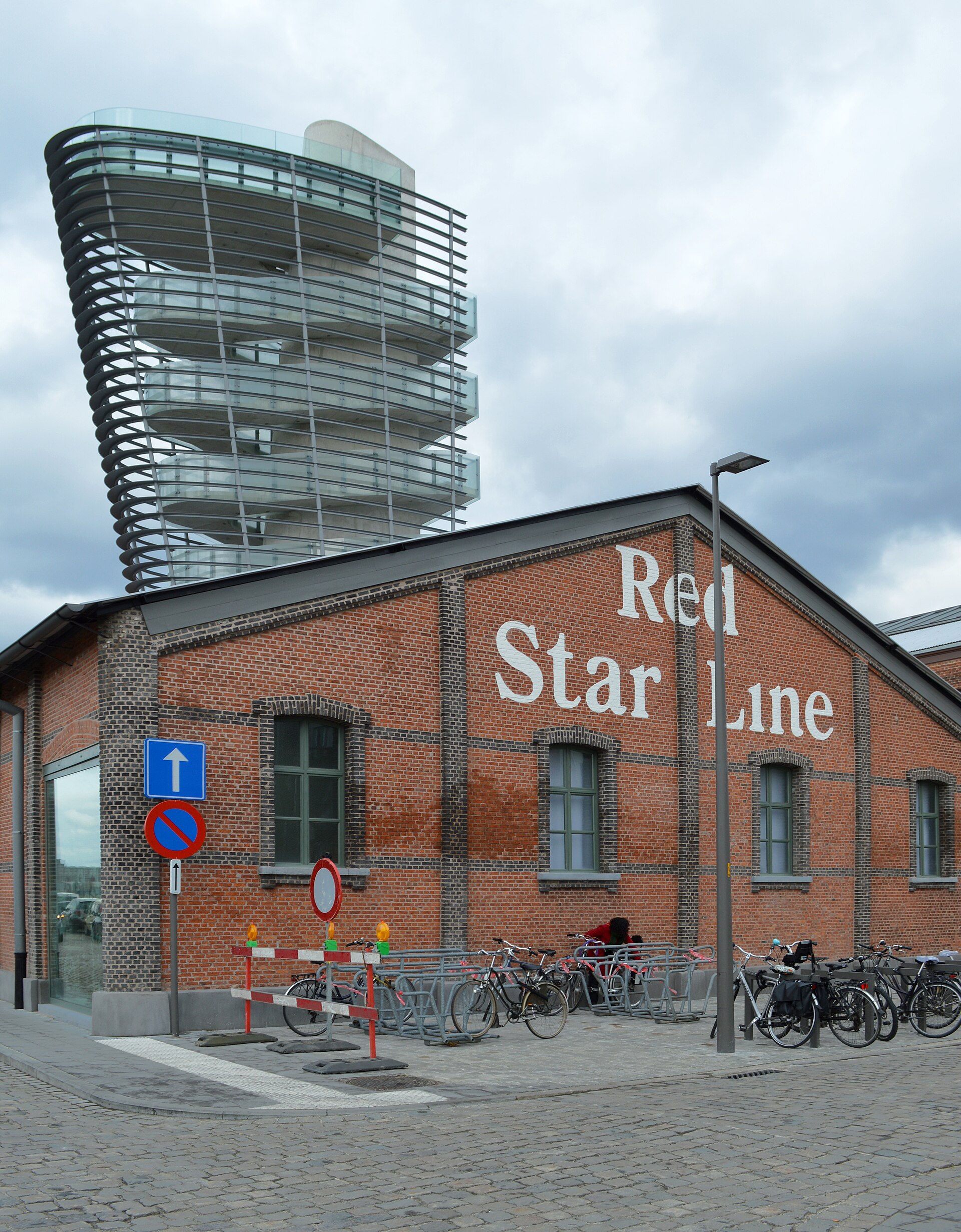
Red Star Line Museum
Antwerpen
Red Star Line Museum in Antwerp tells the story of emigration from Europe to North America, housed in the original waterfront warehouses of the former Red Star Line shipping company in the city's Eilandje district. What was the Red Star Line? The Red Star Line was a Belgian shipping company that, between 1873 and 1934, carried nearly two million passengers from Antwerp to the United States and Canada. Ships departed from the port of Antwerp bound for New York and Philadelphia, offering a transatlantic route to thousands of people seeking a new life overseas. The museum stands exactly where the company's warehouses and processing halls once stood — three buildings along the water where emigrants waited for their voyage, underwent medical checks, and completed administrative formalities before boarding. Who were the emigrants? Passengers of the Red Star Line came mainly from Germany and Eastern Europe, and it is estimated that roughly a quarter of them were Jewish, many fleeing persecution in search of better living conditions elsewhere. Belgians themselves made up only a small share of travelers, around one in ten. For many passengers, Antwerp was just one stop on a much longer journey that had begun hundreds of kilometers away, in towns and villages across Central and Eastern Europe. What can you see at the museum? The permanent exhibition, open since September 2013, guides visitors through the successive stages of an emigrant's journey: leaving the home country, the long and often exhausting trip to Antwerp, a temporary stay in the city before departure, the ocean crossing itself, and finally arrival in America. The museum places personal stories and belongings of real people at the center of its narrative — letters, photographs, travel documents — making the visit feel deeply personal rather than purely factual. The buildings that house the museum are themselves part of the story: these are the original port warehouses where boarding procedures actually took place. Walking through the halls, visitors are literally standing where millions of individual life stories once passed through. Why visit? The Red Star Line Museum tells a universal story of hope, dreams, and the pursuit of happiness — a theme that resonates regardless of a visitor's own background. It is also an important stop in Antwerp for anyone interested in 20th-century migration history and the city's maritime heritage. Frequently asked questions Where is the museum located? The museum is located in the Eilandje district of Antwerp, in the former Red Star Line warehouse buildings along the waterfront. What period does the exhibition cover? Mainly the years 1873–1934, when the Red Star Line shipping company was in operation. Where did the emigrants come from? Mostly from Germany and Eastern Europe, with a significant Jewish population among them; Belgians made up only a minority of passengers. When did the museum open? The permanent exhibition opened in September 2013.
-
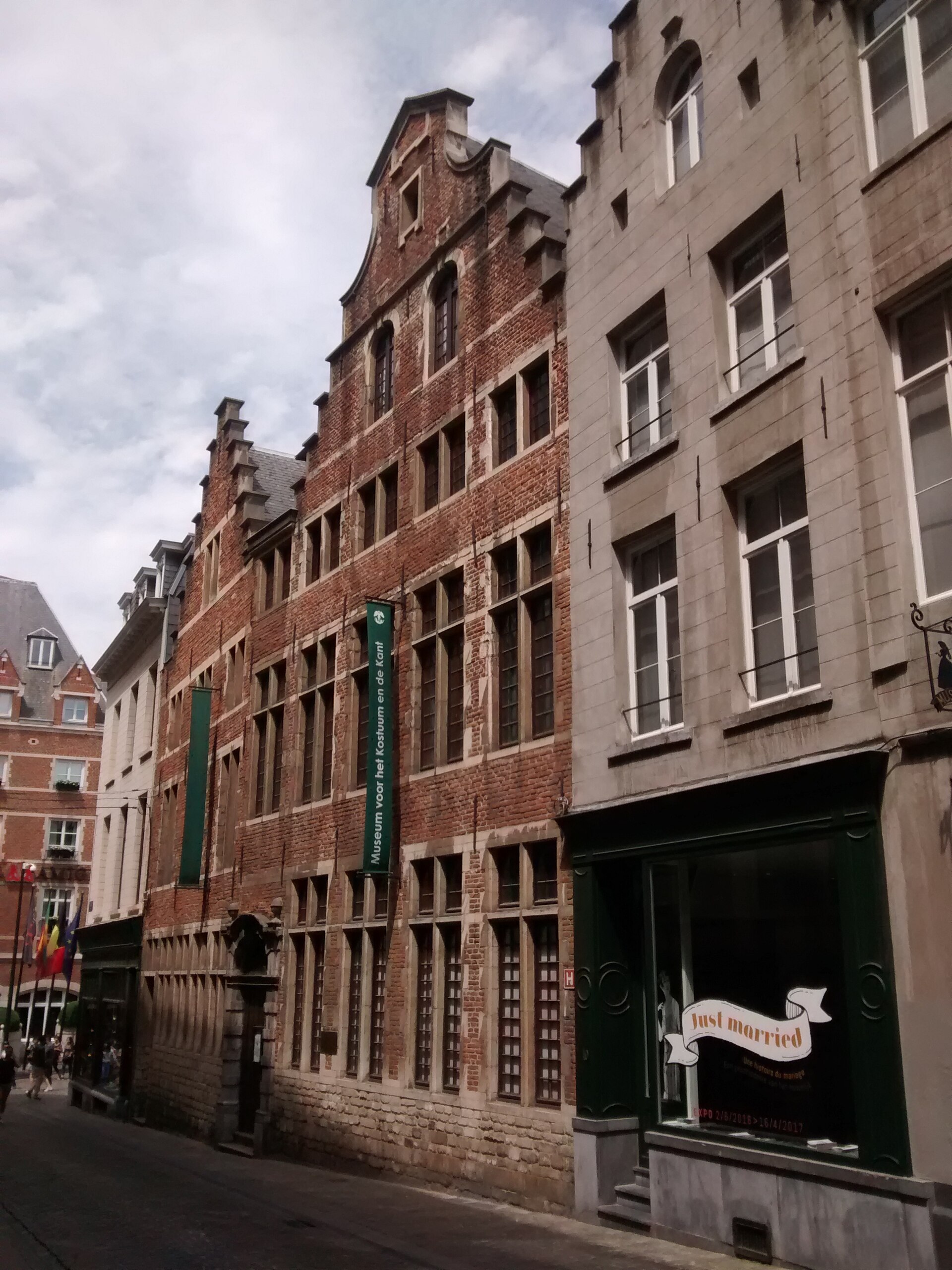
Fashion & Lace Museum
Bruksela
The Fashion & Lace Museum is a textile and fashion museum located in the heart of Brussels, Belgium. Founded in 1977, the institution originally operated under a different name, the Museum of Costume and Lace, before adopting its current title to better reflect the broader scope of its collections. What does the museum focus on? The core of the collection is lace, a craft with deep roots in Belgium that stretches back to the 15th century. This long-standing tradition turned Brussels and other Flemish and Walloon centres into some of the most important lacemaking hubs in Europe, and that heritage is directly reflected in the museum's holdings. Alongside lace, the institution also covers the wider subject of fashion and textiles, a shift signalled by the change of name from the narrower "Museum of Costume and Lace" to the more encompassing "Fashion & Lace Museum." Why is lace such a central theme? Belgium's lacemaking tradition is not a minor footnote in the history of craft — it represents an unbroken continuity spanning several centuries, carried forward through generations of lacemakers and evolving techniques. By placing this theme at the centre of its mission, the museum functions as an institution that documents and safeguards this part of the region's cultural heritage. Expanding the scope to fashion also allows lace to be presented in a broader context, as part of garments and everyday textiles rather than as an isolated craft object. Where is the museum located? The Fashion & Lace Museum sits in central Brussels, making it an easily reachable stop for visitors exploring the historic core of the Belgian capital. Its central location means the museum naturally fits into itineraries that combine other cultural and historical sites in downtown Brussels. What is the museum's history? The museum was established in 1977, meaning it has served as a cultural institution dedicated to textiles for several decades. Its original name, Museum of Costume and Lace, pointed to the two pillars of its collection: costume and lace. Over time, the name evolved into its current form, Fashion & Lace Museum, better capturing a contemporary approach that presents fashion as a phenomenon broader than historical costume alone. Frequently asked questions How does the current name differ from the original one? The museum was founded as the Museum of Costume and Lace and later changed its name to the Fashion & Lace Museum, a shift that reflects a move from historical costume toward a broader concept of fashion. Since when has the museum existed? The institution was founded in 1977 and has operated in central Brussels ever since. Why is lace such an important part of the collection? Lacemaking is a traditional Belgian craft dating back to the 15th century, which makes it a natural foundation for a collection devoted to textiles and fashion. Where exactly is the museum located? The museum is located in central Brussels, in an easily accessible spot for anyone visiting the Belgian capital.
-
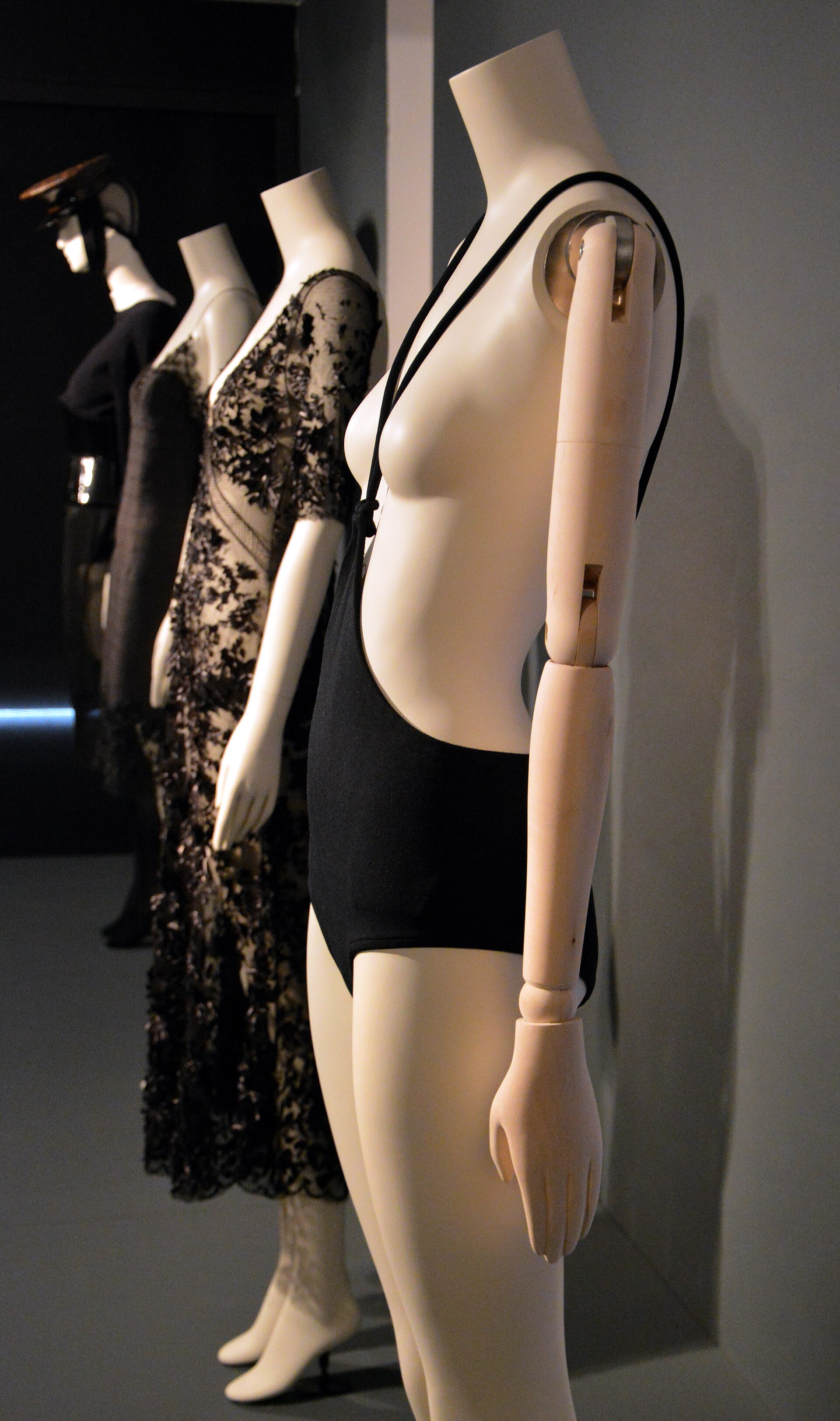
Modemuseum Hasselt
Hasselt
Modemuseum Hasselt is a museum dedicated to the history of Western fashion, housed in a historic 17th-century building — the former city hospital, Oud Gasthuis — right in the heart of Hasselt. It is one of the few institutions in the Low Countries devoted entirely to clothing and accessories, with holdings spanning roughly from 1750 to the present day. What does the collection include? The museum's collection numbers around 18,000 objects, ranging from historical garments made by anonymous tailors to creations signed by some of the biggest names in fashion history. Represented couturiers include Charles Frederick Worth, Jacques Doucet, Paul Poiret, Jean Patou, Jeanne Lanvin, Coco Chanel, Cristóbal Balenciaga, Christian Dior, Pierre Cardin, André Courrèges and Yves Saint Laurent, alongside later designers such as Elsa Schiaparelli, Versace, Alexander McQueen and Vivienne Westwood. The founding core of the collection came from Romanian stage designer and costume artist Andreï Ivaneanu (1936–1989). During the 1990s the museum acquired several historical masterpieces from the 18th and 19th centuries, while its 20th-century holdings cover everything from haute couture to ready-to-wear. Why does the museum highlight fashion from Limburg? Modemuseum Hasselt places particular emphasis on the history of Belgian fashion, and among contemporary designers it gives special attention to those with roots in the province of Limburg — most notably Martin Margiela and Raf Simons, two figures of international standing in Belgian fashion design. How are the exhibitions organized? Unlike many museums, Modemuseum Hasselt does not maintain a permanent display. Instead, it presents two thematic exhibitions each year, built around selected objects and themes. Material is drawn both from the museum's own collection and from loans by institutions at home and abroad, meaning every visit offers a different slice of fashion history. When was the museum founded and where is it located? Modemuseum Hasselt opened its doors to the public on 8 May 1988. It is housed in the former Oud Gasthuis, a 17th-century building in the center of Hasselt that is itself a piece of the city's historic heritage. Is the museum accessible for visitors with limited mobility? Yes — the building is equipped with an elevator, adapted restrooms, wide passageways and a ramp at the entrance, making it accessible to wheelchair users and visitors with reduced mobility. Frequently asked questions What sets Modemuseum Hasselt apart from other fashion museums? Rather than a fixed permanent exhibition, it offers two changing thematic shows each year, allowing it to regularly present different chapters of nearly 300 years of Western fashion history. How many objects does the collection hold? Around 18,000 garments and accessories, spanning from the 18th century to today. Can visitors see work by famous fashion designers? Yes, the collection includes pieces by Dior, Chanel, Balenciaga, Yves Saint Laurent, and Belgian designers such as Martin Margiela and Raf Simons. How can I get to the museum? The museum is about 800 meters from Hasselt railway station, with a shuttle bus stop at "Thonissenlaan" just 100 meters from the entrance.
-
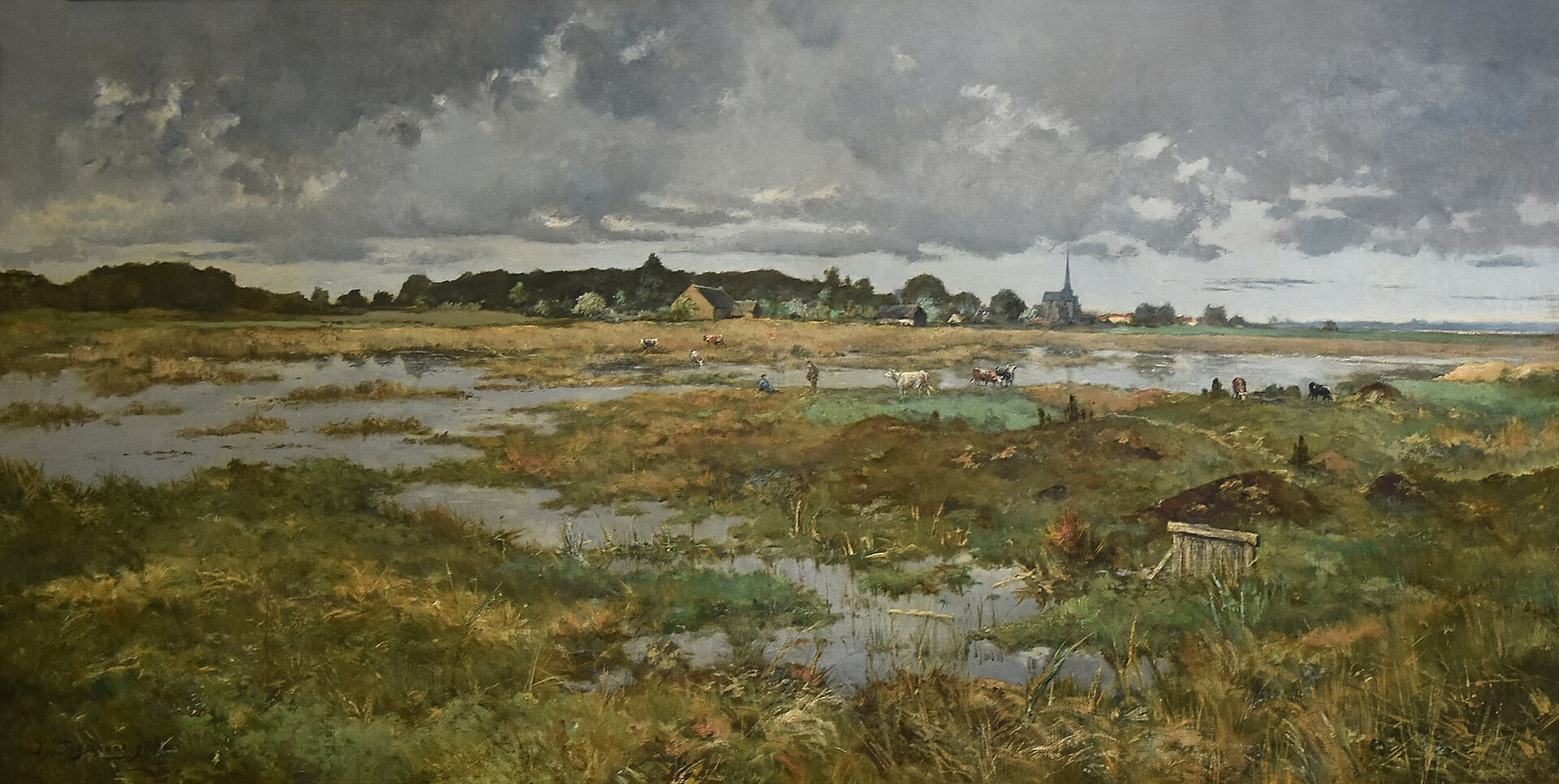
Emile Van Dorenmuseum
The Emile Van Dorenmuseum is a small but richly atmospheric museum in Genk, in the Belgian province of Limburg. It occupies villa Le Coin Perdu, the former home and studio of landscape painter Emile Van Doren, preserved today with its original interior largely intact. Who was Emile Van Doren? Emile Van Doren (1865–1949) was born in Brussels, but it was Genk and the surrounding Kempen landscape that became his true source of inspiration. He arrived in the town around 1890, drawn by its picturesque, still largely rural scenery, which attracted artists from across Belgium. Together with his wife, Cidonie Raikem, he ran the Hôtel des Artistes in the center of Genk for many years, a gathering place for painters visiting the region. Why is villa Le Coin Perdu special? In 1913 the couple built their dream home on what was then Verloren Kostweg, today's Henri Decleenestraat, just outside the town center. The English cottage-style villa, whose design is attributed to architect Adrien Blomme, was built overlooking the tranquil Molenvijvers ponds. Van Doren lived and worked in this house until his death in 1949. How did the house become a museum? Following the death of the artist's only daughter, Fanny, in 1956, the villa and its complete furnishings were bequeathed to the city of Genk. The building was converted into a museum in the mid-1970s, and the Emile Van Dorenmuseum was officially inaugurated on September 22, 1976. Since then it has built up a collection of works by painters of the so-called Genk School — a group of more than 250 artists who visited the town between 1840 and 1950, captivated by its landscape. What can visitors see? Visitors encounter paintings by Emile Van Doren and other landscape artists displayed within the villa's original historic rooms — furniture, everyday objects and family belongings largely unchanged since the house was a hub of artistic life. It offers a rare chance to see not only the art itself but the authentic setting in which it was created. The museum is not simply an archive of the past, though. Villa Le Coin Perdu also functions as a living residency space, inviting contemporary artists to be inspired by Genk and its landscape today, much as Van Doren himself was more than a century ago. Frequently asked questions Where exactly is the museum located? At Henri Decleenestraat 21 in Genk, in the province of Limburg, close to the town center and the Molenvijvers ponds. What was Emile Van Doren known for? He was a landscape painter, one of the leading figures of the so-called Genk School, active in the late 19th and first half of the 20th century. Since when has the museum existed? The villa became a museum in 1975–1976, with its official opening on September 22, 1976. Has the building kept its original character? Yes — villa Le Coin Perdu is presented together with its original interior furnishings, making it as significant a historical document as the paintings it houses.
-

Stadtmuseum Eupen
Eupen
Stadtmuseum Eupen is the city museum of Eupen, a town in the German-speaking Community of Belgium, dedicated to the history of the town and the wider East Belgium region. It occupies the historic Haus de Ru's building at Gospertstraße 52-54, where it has operated since 1980. After an eight-year renovation, the museum reopened in January 2019 with a new modern extension that connects the old building's structure to exhibition spaces built to contemporary museum standards. What does the permanent exhibition cover? The core of the exhibition traces Eupen's rise as a center of the cloth-making trade. From the 17th century onward, the town's prosperity was closely tied to this industry — merchants and craftsmen involved in producing and trading woollen textiles shaped Eupen's economic standing in the region. The museum shows how this industry influenced everyday life: work routines, home furnishings, and religious and festive customs of the local population. What can visitors see on display? The exhibition combines everyday objects with archival documents and reconstructed interiors. Highlights include a collection of clocks, 19th and 20th-century pottery from nearby Raeren, and a reconstructed bourgeois living room from around 1900 that illustrates how a well-off family's home might have looked at the time. A separate section is devoted to a fashion collection spanning 1805 to 1975, tracing changing styles of dress across nearly two centuries, alongside a goldsmith's workshop and a pipe collection. Exhibits tied directly to the wool industry round out the story of the town's economic roots. Does the museum host temporary exhibitions? Beyond its permanent collection, Stadtmuseum Eupen regularly organizes themed exhibitions, showcases of work by local artists, and smaller cultural events and participatory projects. This makes the museum function not only as a place to view historical collections but also as an active hub of cultural life in Eupen, worth revisiting on later trips to the town. Where exactly is the museum located? The building stands at Gospertstraße 52-54 in the center of Eupen, close to the town's main shopping street, making it an easy stop while walking through the old town. Frequently asked questions What are the opening hours? The museum welcomes visitors Monday to Friday from 8:00 to 12:00 and 13:00 to 17:00, and on Saturdays from 8:00 to 12:00 and 13:00 to 15:00. It is closed on Sundays. How can visitors contact the museum? Phone inquiries can be made at +32 87 74 00 05. What should visitors prioritize seeing? Those interested in regional history should look for the reconstructed turn-of-the-century living room and the fashion collection spanning nearly two centuries — exhibits that best capture the character of old, cloth-trading Eupen. Is there anything architecturally notable about the building? Yes — the combination of the historic Haus de Ru's with the new wing added during the renovation completed in 2019 shows how older town architecture can coexist with a modern museum extension.
-
Choco-Story Brussels
Bruksela
Choco-Story Brussels is a privately owned museum in central Brussels, Belgium, dedicated to chocolate and cocoa products. Before its current name, it operated as the Museum of Cocoa and Chocolate, and its story began in 1998, when it was established at the initiative of Gabrielle Draps, combining education about cocoa with a hands-on presentation of chocolate craftsmanship. Who was behind the founding of the museum? The museum was founded at the initiative of Gabrielle Draps, wife of chocolate artisan Joseph "Jo" Draps. Jo Draps was the founder of Godiva Chocolatier, one of the most recognized Belgian chocolate brands in the world. This family connection to such a significant brand gave the museum a distinctive character from the start — a place created by people for whom chocolate was not simply a commercial product, but part of a family craft tradition. What sets Choco-Story apart from a typical museum? Choco-Story Brussels does not limit itself to exhibits behind glass. The museum's program includes demonstrations and tastings, allowing visitors to observe the chocolate-making process firsthand. This approach combines an informational layer — the story of cocoa and its processing — with a sensory one, giving visitors the chance to taste the results of the chocolatiers' work on site. Can visitors make their own chocolate? Yes — the museum offers the option to book a workshop where participants make their own chocolate bars and lollipops. This activity goes beyond standard sightseeing, letting visitors take home not just knowledge but a product they made themselves. The workshops naturally complement the demonstration part of the visit, where guests first watch professional chocolatiers at work before trying it themselves. Where exactly is the museum located? Choco-Story Brussels is located in the central part of Brussels, in the heart of a capital city with a long chocolate-making tradition. This location is no coincidence — the city center has long been associated with numerous chocolate workshops and shops, making the museum a natural stop for anyone interested in the subject while exploring Brussels. Why is Choco-Story Brussels worth visiting? The museum brings together three elements rarely found in one place: a history tied to a genuine, well-known brand (Godiva), hands-on demonstrations of the craft, and active visitor participation through workshops. For anyone visiting Brussels who wants to learn more than just what the well-known chocolate shops look like from the outside, Choco-Story Brussels offers insight into the production process and its family-craft roots. Frequently Asked Questions When was the museum founded? Choco-Story Brussels was established in 1998. What was the museum previously called? It previously operated under the name Museum of Cocoa and Chocolate. Who founded the museum? It was founded at the initiative of Gabrielle Draps, wife of Joseph "Jo" Draps, founder of Godiva Chocolatier. What can visitors do during a visit? Visitors can take part in demonstrations and tastings, and can also book a workshop to make their own chocolate bars and lollipops. Where is Choco-Story Brussels located? The museum is located in central Brussels, Belgium.
-
Museum Dhondt-Dhaenens
Deurle
Museum Dhondt-Dhaenens is a compact but tightly focused art museum in Deurle, a village on the Leie river within the municipality of Sint-Martens-Latem in East Flanders, Belgium. It grew out of a private collection assembled by the couple Jules Dhondt and Irma Dhaenens, who began buying art already in the 1920s and 1930s. Where the collection came from The Dhondts settled in Deurle in 1938, moving into a village that had long attracted Flemish artists — painters, sculptors, poets and architects drawn to the quiet stretch of the Leie. Living among this artistic community gave the couple something few private collectors of the time had: direct access to the artists themselves. Jules Dhondt was often able to buy works straight from their makers, without dealers in between, which gave the resulting collection unusual coherence and historical credibility. The museum building As the collection grew, the couple decided it deserved a dedicated home open to the public. The museum opened its doors on 30 November 1968, housed in a modernist building designed by architect Erik Van Biervliet. From the outset the building was meant to serve two purposes: safeguarding the Dhondt-Dhaenens collection and functioning as an active venue for cultural and artistic events. What the collection holds The core of the collection is modern Flemish art created between 1920 and 1970, with particular weight given to the so-called Latem school — the artistic circle centered on this village along the Leie. The Dhondts focused almost exclusively on Flemish artists working between 1880 and 1950, and the collection today includes works by figures such as James Ensor and Frits Van den Berghe, two of the central names in Belgian expressionism and symbolism. The museum's role today The institution is now run by the Mrs Jules Dhondt-Dhaenens Foundation, whose task is to protect the founders' original vision while opening both the collection and the museum's cultural activity to a broader, contemporary audience. Museum Dhondt-Dhaenens has not stayed anchored in the past: it organizes around eight temporary exhibitions a year devoted to international contemporary artists, among them Thomas Hirschhorn, Karla Black, Wade Guyton, Julie Mehretu, Jessica Rankin, Ryan Gander, Monika Sosnowska, Richard Aldrich and Charline von Heyl. This combination lets the museum bring together a historical collection of Flemish modernism with an active, ongoing contemporary art program. Frequently asked questions Where exactly is the museum located? In Deurle, part of the municipality of Sint-Martens-Latem, on the Leie river in the province of East Flanders. When did the museum open? On 30 November 1968, in a building designed by architect Erik Van Biervliet. What kind of art can visitors see there? Modern Flemish art from 1920–1970, including works connected to the Latem school, alongside a rotating program of contemporary art exhibitions. Whose collection formed the museum's basis? The private collection of Jules Dhondt and Irma Dhaenens, who started acquiring art in the 1920s–1930s, frequently buying directly from the artists themselves.
-
Middelheim Museum
Antwerpia
Middelheim Museum is an open-air sculpture museum set within the Nachtegalen Park in Antwerp, spread across 24 hectares of green space. It stands out as one of the city's most distinctive cultural destinations, blending art appreciation with a leisurely walk through parkland. What can you see at Middelheim Museum? The museum's collection includes approximately 400 works of art, of which around 215 are sculptures on permanent display. Artists represented in the collection include Carl Andre, Franz West, and Auguste Rodin, among many others — a lineup that reflects a wide range of styles and periods, from classical figurative sculpture to conceptual and minimalist installations. The sculptures are scattered across the park grounds, so exploring the museum feels more like a walk of discovery than a traditional gallery visit, with works appearing between trees and open lawns. How does the museum keep its collection evolving? Middelheim Museum is not a static institution. New works are added to the collection every year, and the museum regularly invites contemporary artists into a kind of dialogue with both the permanent collection and the surrounding park environment. This ongoing exchange has led to performances and temporary exhibitions by a variety of artists, keeping the character of the site in constant evolution. Some pieces — including works by Roman Signer and Ai Weiwei — were created specifically for the museum, making them unique additions found nowhere else in these artists' bodies of work. Where is Middelheim Museum located? The museum is located in Antwerp, Belgium, at coordinates 51.181389, 4.413468, within Nachtegalen Park — making it easily accessible for both local residents and visitors looking to combine art with time outdoors. Frequently asked questions How many artworks does Middelheim Museum hold? The collection includes around 400 works of art, of which roughly 215 are sculptures. Which artists are featured in the collection? Artists represented include Carl Andre, Franz West, and Auguste Rodin, among others. Does the museum host events beyond its permanent collection? Yes. The museum invites contemporary artists to engage with the collection and its surroundings, resulting in performances and temporary exhibitions. What are the opening hours of Middelheim Museum? Hours vary by season: from January to March and October to December, the museum is open Tuesday to Sunday (and public holidays) from 10:00 to 17:00; in April, May, and September until 19:00; in June and July until 21:00; and in August until 20:00. The museum is closed on Mondays and on select holidays (January 1, May 1, November 1, December 25, and Easter +39 days). How can you contact the museum? The museum can be reached by phone at +32 3 288 33 60.
-
Mu.ZEE - Kunstmuseum aan Zee
Oostende
Mu.ZEE - Kunstmuseum aan Zee is a museum of Belgian art in Ostend, whose name literally translates to "art museum by the sea." The institution was established in 2008 through the merger of two previously separate museums: the Provinciaal Museum voor Moderne Kunst (the provincial museum of modern art of West Flanders) and the Museum voor Schone Kunsten Oostende (the city's museum of fine arts). This union brought together two distinct collections under one roof, creating one of the most significant art institutions on the Belgian coast. Where does the collection come from? The story behind Mu.ZEE's collection stretches back well before the museum's official founding. It began in 1885, when a private art collector made a substantial donation to the city. This gift laid the groundwork for what would become a much larger collection. By 1897, a dedicated museum building had already opened to house the growing holdings. The institution's history was not without hardship: in 1940, during an air raid in the Second World War, the library, archive, and roughly 400 works of art were destroyed - a loss that left a lasting mark on the museum's story. What can visitors see at Mu.ZEE? Today, the collection numbers more than 8,000 works spanning different periods and styles, with Belgium serving as the connecting thread throughout. A particular focus falls on artists tied to Ostend itself - most notably James Ensor, Constant Permeke, and Léon Spilliaert, three names inseparable from the history of Belgian art in the 19th and 20th centuries. The collection allows visitors to trace the development of Belgian art from the 1800s through to contemporary work. Where is the museum housed? Mu.ZEE occupies a building with an unusual, industrial past - the former department store of the SEO socialist cooperative. It was designed by the noted Belgian architect Gaston Eysselinck, making the structure itself a notable example of modernist architecture. The combination of a former commercial building repurposed as exhibition space gives Mu.ZEE a distinctive, industrial character that sets it apart from more traditional museum buildings. Why visit Mu.ZEE? The museum is a must for anyone interested in Belgian art, especially the work of James Ensor, one of Europe's key forerunners of expressionism and surrealism. It is a place where the city's history, artistic heritage, and architecture come together in a single building on the shore of the North Sea. Frequently asked questions What does the name Mu.ZEE mean? The name is a wordplay combining "museum" with the Dutch word "zee" (sea), referencing both the museum's seaside location and its full name, Kunstmuseum aan Zee. When was the museum founded in its current form? Mu.ZEE was established in 2008 through the merger of two earlier Ostend museums. How many works does the collection hold? The museum's collection comprises more than 8,000 works by various artists, primarily connected to Belgium. Which artists are most closely associated with the collection? The names most often linked to Mu.ZEE are James Ensor, Constant Permeke, and Léon Spilliaert, all connected to Ostend.
-
Museum van het Belgisch Trekpaard
Vollezele
Museum van het Belgisch Trekpaard is a small, intimate museum in Vollezele, a village belonging to the municipality of Galmaarden in Flemish Brabant, right in the heart of the Pajottenland region. It occupies the former town hall building of Vollezele and is entirely dedicated to the history of the Belgian draft horse — a breed that for generations was the backbone of farm work in this part of Belgium and later became famous well beyond the country's borders. Why Vollezele? Vollezele is regarded as the birthplace of the Belgian draft horse as a recognized breed. Legendary stallions such as Orange I and Brillant were born and bred here, and their bloodlines shaped draft-horse breeding programs around the world. The museum tells the story of these animals and of the generations of local breeders who worked with them, showing how a rural, regional tradition grew into a breed known internationally. What is inside The exhibition is designed as a modern, interactive experience rather than a purely static display. Alongside panels and objects tied to the region's agricultural heritage, visitors will find touchscreens and archival film material illustrating the history of the breed. An audio guide, accessible via QR codes in four languages, helps foreign visitors follow the story at their own pace. The interactive setup was clearly built with younger visitors and school groups in mind, making the subject approachable even for those with no prior connection to horse breeding. Practical information The museum operates seasonally, open from early March through the end of October, on Sunday afternoons. Once a month, on the first Sunday of the season, a free guided tour is offered. Groups — ranging from a handful of people to larger parties — can arrange a visit outside regular opening hours by booking in advance, which makes the museum a practical stop for school trips or horse-breeding clubs. What to do after the visit A stop at the museum pairs naturally with further exploration of the surrounding countryside. Nearby, a walking trail named after the stallion Brillant winds for about 3.5 kilometers past sites connected to the history of Belgian draft-horse breeding. Along the way, through the typical Pajottenland landscape of fields and meadows, it is common to spot draft horses grazing — a fitting, living complement to what visitors have just learned inside the museum. Frequently asked questions Where exactly is the museum located? In Vollezele, a village in the municipality of Galmaarden, in the Pajottenland region of Flemish Brabant, housed in the former town hall. Is the museum open year-round? No — the visiting season runs from March to the end of October, and opening hours are limited to Sunday afternoons. Are guided tours available? Yes, a free guided tour runs once a month on the first Sunday of the season; groups can also book a visit at another time. What else is there to do nearby? After the museum, visitors can follow the Brillant walking trail, which passes through countryside linked to the history of Belgian draft-horse breeding. Who is this museum for? Horse and rural-heritage enthusiasts, families with children thanks to the interactive exhibits, and organized groups looking for an unusual, themed destination in the Pajottenland.
-
Street Lamp Museum
Bruksela
Musée du Réverbère is a small open-air museum dedicated to the history of Brussels' street lighting, tucked away on rue Émile Delva in the Laeken district. Unlike a conventional museum, there's no building or ticket desk here — the exhibition is the street itself, with fifteen lampposts lined up along a stretch between numbers 75 and 87. Where did this place come from? The museum was created in 2004 by artists Nathalie Mertens and Christophe Terlinden, working together with the Foyer Laekenois housing cooperative. The idea was simple: rather than locking historic street lamps away in display cases, show them exactly where they've always done their job — on the pavement, lighting the way for passers-by. What is there to see? The collection brings together fifteen lampposts representing different styles and periods in the history of lighting in the Belgian capital, from early gas lamps to more modern electric fixtures. The oldest piece dates from 1900, the most recent from 1993. Each lamppost carries a small panel explaining its origin and era, turning a short walk down the street into a lesson in urban infrastructure history. When is the best time to visit? This is an attraction that reveals its full character after dark. Only once the lamps are lit do the differences in colour and intensity between eras become visible — the warm glow of the old gas lamps contrasts with the brighter, more uniform light of the newer fixtures. Visitors are best served arriving around dusk, catching enough daylight to make out the construction details, then watching the street light up shortly after. How much does it cost and how long does a visit take? Admission is free, since the museum sits in public space and is accessible around the clock. A visit doesn't require much time — walking the street and looking over the individual lamps usually takes somewhere between ten and twenty-five minutes, though anyone interested in industrial history or architectural detail may want to linger longer. Where exactly is it located? The museum is in Laeken, in the north of Brussels, an area also known for the Royal Greenhouses and the Atomium. Rue Émile Delva is a quiet residential street, so it's worth combining the visit with a stroll around the neighbourhood — Laeken has a different, more local feel than the touristy city centre. Frequently asked questions Do you need a ticket? No, access to the street and its lampposts is completely free and open. Can it be visited during the day? Yes, the lampposts can be seen at any time, but the full effect — the lamps actually lit — only appears after dark. Is this a large museum? No, it's a compact, single-street display of fifteen lampposts rather than a large exhibition complex. Who created this place? The concept was developed by artists Nathalie Mertens and Christophe Terlinden together with the Foyer Laekenois housing cooperative in 2004.
-
Horta Museum
Saint-Gilles - Sint-Gillis
Horta Museum is a museum in Brussels, in the municipality of Saint-Gilles, dedicated to the life and work of architect Victor Horta. It occupies his former town house and workshop, built between 1898 and 1901 in the Art Nouveau style. Where is the museum located? The building stands at 23–25, rue Américaine/Amerikaansestraat, in the heart of Saint-Gilles, one of the municipalities bordering directly on Brussels' city centre. Its coordinates are 50.824169, 4.355561, making it straightforward to locate for anyone planning to walk through a district known for its Art Nouveau architecture. Whose house was it? The building was designed by, and served as the home of, Victor Horta himself — an architect regarded as one of the leading figures of European Art Nouveau. The same address combined a private residence with an architectural workshop, a common arrangement for designers of that era who wanted their workspace close to home. Today the building operates as a museum, with the purpose of introducing visitors to Horta and the context in which he worked. Why does this place matter for Art Nouveau? The house and workshop were built at the turn of the 19th and 20th centuries — between 1898 and 1901 — precisely when Art Nouveau was developing most intensely across Europe. Brussels, and Saint-Gilles in particular, was one of the centres where this style found especially rich expression in residential architecture. A building designed by Horta himself for his own use stands as direct evidence of his design approach during that period. What can visitors see at the Horta Museum? Because the building combined a home with an architectural workshop, visitors can explore both the living quarters and the space where the architect carried out his professional work. The building itself — its layout and architectural character — is as much part of the experience as any materials on display relating to Horta's life and career. Frequently asked questions Where exactly is the Horta Museum located? At 23–25, rue Américaine/Amerikaansestraat, in the municipality of Saint-Gilles, Brussels. When was the building that houses the museum constructed? Between 1898 and 1901. Who is the museum dedicated to? The life and work of architect Victor Horta, one of the key figures of European Art Nouveau. What architectural style does the building represent? Art Nouveau, in the form characteristic of Horta's work at the turn of the 19th and 20th centuries.
-
Openluchtmuseum Bokrijk
Genk
Openluchtmuseum Bokrijk is one of the largest and oldest open-air museums in Belgium, located in the province of Limburg right next to the city of Genk. The museum occupies an extensive area of former forest and farmland whose history stretches back to the 13th century — the site was first recorded in 1252 under the name "Buscurake", when it came into the possession of the Cistercian nuns' abbey of Herkenrode. The nuns cleared the woodland, established fish ponds, and turned the land into farmland, laying the groundwork for the landscape that visitors from across Europe explore today. How was the museum founded? The idea for an open-air museum took shape in the mid-20th century, as post-war industrialization and growing prosperity rapidly transformed the Flemish rural landscape. Many buildings of significant historical and cultural value — farmhouses, mills, craft workshops — faced demolition and permanent loss. To prevent this, figures including Jozef Weyns and Paul Lindemans launched the museum project in 1954. It officially opened its doors to visitors on April 12, 1958, and in 1965 the grounds were expanded with an arboretum, which remains an important part of the site to this day. What can visitors see at Bokrijk? More than one hundred historical buildings from different regions of Flanders have been relocated and reconstructed on the museum grounds. These include farmsteads, craft workshops, mills, churches, and townhouses, which together recreate everyday life from the 17th century up to 1950. The museum's collection comprises roughly 30,000 objects — tools, furniture, clothing, and household items — allowing visitors to experience the region's history in a tangible, hands-on way. Many of the buildings host demonstrations of traditional crafts and customs, giving the museum the feel of a "living" heritage site rather than a static exhibition. Why is Bokrijk worth a visit? Bokrijk offers more than a journey through historic architecture and everyday objects — it also invites visitors to stroll through a picturesque, expansive landscape park with forests, meadows, and ponds. The adjoining arboretum draws nature lovers with its rich variety of tree and plant species, making the site appealing year-round regardless of the season. Thanks to this combination of educational, historical, and recreational value, Bokrijk has remained for decades one of the most visited tourist attractions in Belgium, drawing both families with children and enthusiasts of history and architecture alike. Frequently Asked Questions When did Openluchtmuseum Bokrijk open? The museum officially opened to visitors on April 12, 1958, although the project to create it had already begun in 1954. How many historical buildings are on the museum grounds? More than one hundred historical structures, relocated from various parts of Flanders, have been reconstructed on the site. What else can be seen at Bokrijk besides the buildings? Beyond the historic architecture, the museum also features an arboretum established in 1965 and a collection of around 30,000 objects illustrating everyday life from the 17th century through 1950. Where exactly is Bokrijk located? The museum is located in the province of Limburg, directly adjacent to the city of Genk, on land historically tied to former forests and farmland associated with Herkenrode Abbey.
-
PreHistorisch Dorp
Eindhoven
PreHistorisch Dorp is an archaeological open-air museum in Eindhoven, part of the Eindhoven Museum and set within the green surroundings of Genneper Parken. It recreates everyday life of the region's past inhabitants across several historical periods, from the Iron Age to the Middle Ages. How did this reconstructed village come to be? The museum was founded in 1982 by a group of teachers from the local teacher training academy, led by Anneke Boonstra. The first decade was spent slowly and carefully building an Iron Age settlement, with farmhouses, fences and workshops constructed with the help of many volunteers and local unemployed people who took part in the reconstruction work. Shortly after the first farmhouse was completed, this part of the site became known as the Iron Age village of Eversham. The museum kept expanding over the following decades, and in 2002 a reconstructed medieval town was added, broadening the range of periods on display. Which historical periods are represented? The open-air museum covers six distinct time periods, brought to life through archaeological reconstructions of buildings combined with living history: the era of hunter-gatherers, the time of the first farmers, the local Roman period, the age of the Vikings and the Franks, and the period of trade, growing towns and the Eighty Years' War. Each period occupies its own section of the village, with buildings modelled on archaeological finds from the Eindhoven area. What do the "time guides" do? A defining feature of a visit is meeting the so-called time guides — people who take on the role of inhabitants from a given era and welcome visitors at their homesteads, workshops and plots. They tell stories, show guests around the reconstructed buildings and demonstrate everyday activities once performed by the region's inhabitants: making fire, working iron, throwing spears, shaping pottery or weaving. Visitors can often try many of these activities themselves, turning the visit into a hands-on experience rather than passive sightseeing. Who is this attraction for? PreHistorisch Dorp is a popular destination for families with children and school groups, since the hands-on nature of the activities and the chance to handle props make history feel tangible rather than abstract. It also offers travellers something different from the technology- and design-focused attractions Eindhoven is best known for. Its location within Genneper Parken makes it easy to combine a museum visit with a walk through the green areas on the south side of the city. Frequently asked questions How is PreHistorisch Dorp different from a regular museum? It is a living-history open-air museum — the buildings are reconstructions, and costumed guides continuously demonstrate historical crafts and customs instead of displaying items solely behind glass. How many historical periods does the village cover? Six, spanning hunter-gatherers and the first farmers through the Roman period, the age of the Vikings and Franks, and the era of towns and the Eighty Years' War. Is it part of a larger museum? Yes, PreHistorisch Dorp is part of the Eindhoven Museum, founded in 1982. Where exactly is it located? In Genneper Parken in Eindhoven, in the southern Netherlands.
-
Museum Gust De Smet
Deurle
Museum Gust De Smet is a small municipal museum in Deurle, near Sint-Martens-Latem in Belgium, housed in the very home where painter Gust De Smet lived and worked from 1935 until his death in 1943. It is one of the most authentic places connected to the so-called second Latem school, the expressionist movement that flourished along the Leie river in the late 1920s and 1930s. Who was Gust De Smet? Gust De Smet (1877–1943) settled in Sint-Martens-Latem around 1908, drawn like many artists of his generation to the rural, picturesque landscape of the Leie valley. Together with Constant Permeke and Frits Van den Berghe, he formed the core of the second generation of the Latem school, known for an expressionist, simplified style depicting rural life, landscapes and human figures. In 1935 De Smet built a house in Deurle on a plot overlooking meadows, fields and woods, which became both his final home and his studio. The house as a museum Upon his death, the artist bequeathed his house, along with around a hundred works of art, to the municipality of Deurle. The museum officially opened on June 11, 1950, and the building still retains the character of a private artist's residence rather than a conventional, sterile gallery. On the ground floor, visitors can see a fully furnished living room, studio and bedroom, arranged to reflect De Smet's everyday life. Upstairs, the artworks are displayed thematically and chronologically, tracing the development of his output over the years. What else there is to see Beyond the paintings and furniture, the museum holds cabinets and chests of drawers that function as a kind of mini-archive, containing personal documents, De Smet's private library and everyday objects. This arrangement lets visitors get to know not only the painter's body of work, but also the context in which it was created — his interests, his reading, his material surroundings. In 2016 the museum underwent a thorough renovation, modernizing the site while preserving the historical character of its interiors. Why visit Museum Gust De Smet offers an intimate look at the work of one of Belgium's leading expressionist painters in its original setting — the house he designed himself and where he spent his final years. It is also a good starting point for exploring the wider Sint-Martens-Latem and Deurle area, closely tied to the history of early 20th-century Flemish art, where other artists of the second Latem school were active around the same time. Frequently asked questions Where is Museum Gust De Smet located? In Deurle, part of the municipality of Sint-Martens-Latem, in the East Flanders province of Belgium. How is this museum different from a typical art gallery? It occupies the artist's actual home and preserves furnished rooms — a living room, studio and bedroom — alongside exhibition spaces showing his paintings. When did the museum open? Officially on June 11, 1950, following Gust De Smet's bequest. Have the interiors been renovated? Yes, the museum underwent a thorough renovation in 2016.
-
Fransmansmuseum
Koekelare
Fransmansmuseum in Koekelare is a small but deeply personal museum dedicated to the Flemish seasonal workers who, for decades, left their home region to find employment in France. It occupies part of the former Christiaen brewery complex, in buildings that once served as stables, storage rooms and a hop-drying loft. Who were the "Fransmans"? The museum takes its name from the "Fransmans" — inhabitants of the Westhoek region who migrated seasonally to northern France in search of work. They took on hard labour in sugar beet fields, chicory-drying facilities, sugar factories, flax harvesting and brickworks. The work was physically demanding and poorly paid, and living conditions for these seasonal labourers were far from comfortable. Even so, the Fransmans earned particular respect from employers, who valued their relentless work ethic and craftsmanship above that of workers from other countries. This pattern of labour migration continued until the 1960s, when shifts in agriculture and industry gradually brought it to an end. A former brewery as the setting The museum is housed in the buildings of the Christiaen brewery and malthouse, whose origins date back to the 1790s. The industrial complex took on its current appearance around 1878, and the brewery itself remained in operation until 1968, for a long time ranking among the largest employers in Koekelare. Today, the former horse stables, storage rooms and hop cellar that once supported the brewery's operations have been converted into an exhibition space telling the story of these seasonal migrants. What visitors can see The exhibition includes a reconstructed "house" of a typical Fransman — a modest interior that conveys the everyday reality of a seasonal worker living far from home. The museum also presents a unique documentary film recounting the migrants' experiences, along with a recreated ast, the traditional drying room used for agricultural produce that was once common throughout the region. The site was completely rebuilt in 2016 and reopened to the public in early March 2017, offering a more modern and accessible way of presenting this chapter of local history. Fransmansmuseum forms part of a larger cultural complex known as De Brouwerij, which also houses a museum dedicated to Käthe Kollwitz alongside the exhibition on the Fransmans. Frequently asked questions Where exactly is the museum located? Fransmansmuseum is located at Sint Maartensplein 15B in Koekelare, within the former Christiaen brewery site. Who were the Fransmans? They were seasonal workers from Flanders who traveled to northern France for work, mainly in sugar beet cultivation, sugar factories, chicory drying and brickmaking, up until the 1960s. When is the museum open? The museum operates seasonally, from 15 May to 15 November, open on Saturdays, Sundays and public holidays from 1:30 PM to 5:00 PM. Are there other attractions in the same building? Yes, Fransmansmuseum is part of the De Brouwerij complex, which also includes a museum dedicated to Käthe Kollwitz.
-
Museum René De Clercq
Deerlijk
Museum René De Clercq is a small biographical museum in the Belgian municipality of Deerlijk, set up in the house where the Flemish poet, writer, composer and political activist René De Clercq (1877–1932) was born. The building stands at René De Clercqstraat 8, right in the centre of Deerlijk, and has long been tied to the poet's family history. What was the building before it became a museum? Before housing the museum, the building served as an inn known as Het Damberd. The structure itself dates back to 1790, making it one of the older surviving buildings in the town. Because of its historical value, it is legally protected as a monument, and ownership remains with the municipality of Deerlijk. How did the museum come to be? A turning point came with an extensive restoration carried out under the supervision of Monumenten en Landschappen, the body responsible for heritage and landscape protection. The restoration work brought the building back to a state reflecting the period when René De Clercq lived there. The museum has operated in its current form since 1991, and day-to-day management is handled by the René De Clercqgenootschap, a society dedicated to preserving the poet's legacy. What can visitors see inside? The ground floor recreates interiors from the era in which René De Clercq lived, including a living room, a kitchen and his study. The exhibition traces his life and work through objects, texts and images, presenting him not only as a poet but also as a writer, composer and political activist engaged in the public life of his time. Who was René De Clercq? René De Clercq, born in this very house, is a figure well known both in Deerlijk and more broadly in Flanders for his varied output — he wrote poetry, composed music and was politically active. It is this multifaceted body of work that the museum sets out to present to visitors, framing it within the family home where he was born. How can you visit the museum? Museum René De Clercq does not operate on a walk-in basis — visits take place every day of the year, but only with a guide and by advance reservation. A standard museum tour lasts one hour and costs 30 euros. There is also an extended option combining the museum visit with a tour of the nearby church and its Sint-Columba retable, lasting two hours for 60 euros. Reservations can be made by phone at 056 72 86 70 or through the official website, renedeclercq.be. Frequently asked questions Where exactly is the museum located? At René De Clercqstraat 8, 8540 Deerlijk, Belgium. Can the museum be visited without booking in advance? No — visits are guided only and require a reservation beforehand. How much does a visit cost? A standalone museum tour with a guide costs 30 euros for one hour. The combined tour with the church and the Sint-Columba retable costs 60 euros for two hours. Is the building itself historically significant? Yes, it dates from 1790, is a legally protected monument, and is owned by the municipality of Deerlijk. Who manages the museum? The René De Clercqgenootschap, a society devoted to the poet's memory, is responsible for its day-to-day operation.
-
Provinciaal Museum Stijn Streuvels Het Lijsternest
ingooigem
Provinciaal Museum Stijn Streuvels Het Lijsternest is the preserved home and workplace of writer Stijn Streuvels, standing in Ingooigem, part of the municipality of Anzegem in West Flanders, much as it did when one of the leading Flemish prose writers of the 20th century lived and worked there. Where does the name "Het Lijsternest" come from? The name translates as "the thrush's nest," reflecting the quiet, secluded character of the place Streuvels sought when he decided to move away from everyday distractions. The writer, whose real name was Frank Lateur, had wanted an isolated place to work since the end of the 19th century. An inheritance from his uncle finally made this possible, allowing him to buy a plot of land near Ingooigem in 1903. Who designed the house? The house was built in 1905 to a design by architect Jozef Viérin, a friend of the writer. It was conceived specifically as a retreat for writing, set apart from daily interruptions yet still close to the rural West Flanders landscape that shaped much of Streuvels' work. What can visitors see inside? The interior of Het Lijsternest has kept its authentic furnishings from the period when Streuvels lived there, including his study, personal belongings and objects connected to his literary output. It was here that most of his novels and stories set in the Flemish countryside took shape. Together with the surrounding garden, the house forms a coherent picture of the environment in which the writer spent most of his adult life. Since when has it operated as a museum? The building opened to visitors as a provincial museum in 1980. Since then, Het Lijsternest has been run as a heritage site by the province of West Flanders, presenting the life and work of one of the key figures of Flemish literary naturalism. Is the museum open all year round? No — Het Lijsternest welcomes visitors seasonally, from April through September. During the winter months the building instead hosts a writers' residency, with authors living and working there, a direct echo of the house's original purpose as a place of creative solitude. Where exactly is Het Lijsternest located? The museum stands at Stijn Streuvelsstraat 25 in Ingooigem, a small village that administratively belongs to the municipality of Anzegem in West Flanders. The surrounding countryside retains the same quiet, rural character the writer knew more than a century ago. Frequently asked questions Who was Stijn Streuvels? It was the pen name of Frank Lateur, one of the most important Flemish writers of the turn of the 19th and 20th centuries, known for prose rooted in rural Flemish life. Is the garden worth seeing along with the house? Yes — the garden surrounding the building is an integral part of the estate and helps explain why the writer chose this particular spot for his home and workplace. Can Het Lijsternest be visited in winter? No, during the winter season the building serves as a writers' residency and is not open to the public in its usual museum format. How do you get to Ingooigem? Ingooigem is a village within the municipality of Anzegem, located in West Flanders in the area known as the Leiestreek, along the river Lys.
-
Kantcentrum
Brugge
Kantcentrum is a lace museum in Bruges, housed in the restored former lace school once run by the Sisters of the Immaculate Conception (Apostolinnen). The site combines a museum experience with a living craft tradition, making it one of the few places in the city where visitors can watch Bruges bobbin lace being made by hand. What is the history behind the building? The building on Balstraat has been linked to lace education for decades. The lace school run by the sisters reached its peak around 1860, when it trained as many as 400 students in various handmade lace techniques. Educational activities were interrupted during the First World War and resumed in 1922. As lace production became increasingly mechanized, traditional craft education gradually declined, which led to the founding of the non-profit organization Kantcentrum in 1970, created to continue the heritage and educational mission left behind by the sisters. In 2014, Kantcentrum moved into its current home in the restored former lace school building on Balstraat, where it remains today. What can visitors see inside the museum? The ground floor houses the Lace Museum, which tells the story of Bruges lace through multimedia installations and testimonies from international lace experts. The exhibition explains the different types of lace, their geographical origins, and the development of the local lace industry and the education connected to it in Bruges. Visitors can trace how techniques and patterns evolved over the centuries and understand the role lace played in the city's economy and culture. Can visitors watch lacemakers at work? Yes — this is one of the main draws of Kantcentrum. Bobbin lacemaking demonstrations take place every afternoon from 2 PM to 5 PM. Local lacemakers show visitors how lace is woven on a pillow using dozens of bobbins, giving a close-up view of a technique that takes years of practice to master. These demonstrations are included in the price of admission, so there is no extra charge to watch them. Are there lacemaking workshops at Kantcentrum? The second floor of the building houses a lace workshop, where both demonstrations and courses in lacemaking are organized for people who want to learn the craft themselves. This gives Kantcentrum a dual role: it functions both as a museum presenting the history of lace and as a living center passing the skill on to new generations. Frequently asked questions Where exactly is Kantcentrum located? The museum is located on Balstraat in Bruges, in the building of the former lace school run by the Sisters of the Immaculate Conception. What are the opening hours? The museum and shop are open Monday to Saturday, from 9:30 AM to 5 PM. How much does admission cost? Adult tickets cost €5.20, students aged 12–26 and seniors over 65 pay €4.20, and children under 12 enter for free. Are the lacemaking demonstrations included in the ticket price? Yes, the afternoon bobbin lacemaking demonstrations (2 PM–5 PM) are part of the standard admission ticket, with no additional fee. Is Kantcentrum worth visiting if I'm not interested in crafts? The museum offers historical value beyond the craft itself, telling the story of lace's role in Bruges' economy and identity, which can appeal to visitors interested in local history as well as textile enthusiasts.
-
Panamarenko House
Antwerpen
Panamarenko House is a house museum in Antwerp's Seefhoek district, located at Biekorfstraat 2, dedicated to the work of Belgian artist Panamarenko (1940–2019). For decades the building served both as his home and his studio, and it was here that he created most of his life's work, right up until his retirement. Who was Panamarenko? Panamarenko described himself not simply as an artist but as an inventor, engineer, mathematician, philosopher and visionary. His work consists of imaginative, often non-functional constructions inspired by the dream of flight and movement: flying backpacks, pedal-powered helicopters, zeppelins, submarines, oversized beetles and mechanical "walking chickens." He combined a science-fiction aesthetic with hands-on craftsmanship and a wry commentary on technological progress. Why did the house become a museum? In 2007, Panamarenko donated his house together with its entire contents to the Museum van Hedendaagse Kunst Antwerpen (M HKA), which has managed the property ever since. As a result, the interiors remain in an almost untouched state — visitors step into a space that for decades functioned as a genuine working environment rather than a curated exhibition. What can visitors see inside? The interior is a densely packed space filled with prototypes, sketches, models and full-scale objects. Among them are flying constructions, insect-like vehicles, aviation-inspired devices and submarine designs. A distinctive feature of the building is the helicopter landing platform mounted on the roof ridge, a nod to the artist's lifelong fascination with flight and transport technology. Status and accessibility Because of the intimate scale of the building and the need to preserve its original interior, the Panamarenko House has limited accessibility — it opens to visitors only once a week, and a booking must be made online in advance. In 2025 the building was granted official protected heritage status, confirming its significance as a fully preserved home-and-studio belonging to one of Belgium's most important post-war artists. Frequently asked questions Where exactly is the Panamarenko House located? The building stands at Biekorfstraat 2 in the Seefhoek district of Antwerp. Can visitors enter without a prior reservation? No — due to limited accessibility, advance online registration is required, and the house is open to the public only once a week. Who manages the house museum? Since 2007, when Panamarenko donated the building along with its contents, it has been managed by the Museum van Hedendaagse Kunst Antwerpen (M HKA). What makes this site stand out among other artist house museums? Its unique rooftop helicopter platform and the fact that the interior remains almost exactly as it was when Panamarenko actually lived and worked there.
-
Museum of Industry
Gent
Museum of Industry, formerly known as MIAT (Museum of Industrial Archaeology and Textile), is a Ghent institution dedicated to the industrial history of the region, with a particular focus on textile manufacturing — the driving force behind the city's industrial development. The museum sits in the heart of Ghent, close to Vrijdagmarkt, inside a former cotton mill known as the Filature Desmet-Guéquier. Where is the museum housed? The current building dates from 1905 and was constructed according to fireproof principles, a critical safety consideration for a factory handling highly flammable cotton. The museum's collection itself began taking shape in 1977, with the institution founded a year earlier, in 1976. Today the Museum of Industry is an official anchor point on the European Route of Industrial Heritage — Ghent was the first city on the European continent, after the United Kingdom, where the industrial revolution truly took hold, at the end of the 18th century. What can visitors see inside? The MIAT collection holds more than 30,000 objects. Among its most valuable pieces are a mule jenny spinning machine and a twiner dating from 1789 — both listed on the Flemish government's Masterpiece Decree, a designation reserved for objects of exceptional historical and technical significance. The museum presents three permanent exhibitions that bring the region's industrial past back to life. In the main exhibition, twelve workers and supervisors — presented through a narrative format — tell the story of how new inventions and pivotal events reshaped their lives over the decades. This storytelling approach lets visitors experience industrialization not just as a history of machines and technology, but as a human story of the people who worked in these factories. Why is this place worth visiting? The Museum of Industry offers a rare chance to step inside an authentic former textile mill and understand what daily life looked like for Ghent's industrial workers, at a time when the city was one of the earliest centers of industrialization in continental Europe. The exhibition combines technical heritage — preserved machinery, including unique 18th-century objects — with social history, illustrating how the textile industry shaped the living and working conditions of the city's residents. For anyone interested in Europe's industrial heritage, this is a must-see destination. As an official stop on the European industrial heritage route, the museum connects Ghent's history to a broader continental story of industrialization. Frequently asked questions What is the difference between the Museum of Industry and the former MIAT? They are the same institution — MIAT (Museum of Industrial Archaeology and Textile) is the museum's former name; it now operates as the Museum of Industry. Where exactly is the museum located? In the center of Ghent, near Vrijdagmarkt square, inside a former cotton mill built in 1905. What is the museum's most valuable exhibit? A mule jenny spinning machine and a twiner from 1789, both listed on the Flemish Masterpiece Decree. Is the museum only about textiles? Textiles and cotton production are the central theme, but the exhibition more broadly covers the region's industrial history and the daily life of factory workers.
-
Scheepvaartmuseum Baasrode
Scheepvaartmuseum Baasrode is a maritime museum and former shipyard complex on the banks of the Scheldt river in Baasrode, part of the municipality of Dendermonde in East Flanders, Belgium. This unique industrial-archaeological heritage site tells the story of shipbuilding in Belgium and Flanders, spanning from before the 16th century until the closure of the village's last working shipyard in 1986. Why was Baasrode important for river shipping? Already in the 15th century, Baasrode was a busy trading hub along the Scheldt, with vessels arriving daily from Antwerp and local builders constructing new boats along the riverbank. At the start of the 19th century, the village counted as many as nine shipbuilding yards, known locally as "zaten," making shipbuilding its most important industry. The trade reached its peak during the 19th century, as yards shifted from wooden to iron hulls and from sail power to motorized engines. Which shipyards operated on the museum grounds? The museum's three-hectare site historically housed three separate shipyards. The oldest, the Van Damme yard, dates back to the 17th century and was purchased from the De Landtsheer family in 1827. The Van Praet yard was founded in 1721, and in 1892 it was renamed Van Praet-Dansaert following changes made by Henrica-Joanna Dansaert, widow of Petrus Johannes Van Praet. A third yard, "De Toekomst," owned by Edmond Van Praet, was used only as a depot and closed as early as 1950. In 1955, the Van Damme family sold their yard to neighboring shipbuilder Gabriël Van Praet, forming a larger combined operation that flourished into the late 1970s. The last new ship was launched there in 1972, and the site's final shipyard closed its doors for good in 1986. What can visitors see on site today? A tour of the site takes in former shipbuilding workshops, rare tidal dry docks, a preserved skipper's living quarters, and thousands of artifacts documenting centuries of shipbuilding along the Scheldt. Visitors can trace the parallel histories of the Van Damme and Van Praet yards and see the tools, records, and everyday objects left behind by generations of shipwrights. The outdoor grounds and permanent open-air exhibition are free to access. When is the museum open? The Baasrode shipyards site is open Wednesday to Friday from 10:00 to 17:00, and Saturday and Sunday from 10:00 to 18:00. On Mondays the site is open only to organized groups, while Tuesdays are reserved for group visits and, during school holidays, for regular visitors as well. Frequently asked questions Where exactly is the museum located? At Sint-Ursmarusstraat 137 in Baasrode, a sub-municipality of Dendermonde in East Flanders, along the Scheldt river. Is entry to the site free? The outdoor grounds and permanent open-air exhibition are free to visit; a ticket is required for the full tour including the indoor workshops. What makes this site historically significant in a European context? Its rare surviving tidal dry docks and the largely intact layout of two historic river shipyards that operated continuously for centuries, right up until 1986.
-
Royal Museum for Central Africa
The Royal Museum for Central Africa is an ethnographic and natural-history museum located in Tervuren, a town in the Belgian province of Flemish Brabant, just outside Brussels. The institution was formally established in 1898, though its origins trace back a year earlier, to the 1897 World's Fair held in Brussels, where an exhibition was staged to promote the Congo Free State, at the time the personal possession of King Leopold II of the Belgians. Where did the museum come from? The origins of the museum are closely tied to Belgium's colonial policy at the end of the 19th century. Leopold II, seeking to build domestic support for his venture in Central Africa, arranged for a dedicated section on the territory to be included in the large World's Fair held in Brussels in 1897. The exhibition was designed to showcase the resources and potential of this African territory to the Belgian public, while also lending legitimacy to the king's personal rule over the region. After the fair closed, rather than dismantling the collection, organizers chose to convert it into a permanent museum — and so, in 1898, the Royal Museum for Central Africa was founded. Where exactly is it located? The museum sits in Tervuren, a small town east of Brussels, within the province of Flemish Brabant. Its geographic coordinates are approximately 50.83°N, 4.52°E. The choice of location was far from accidental — Tervuren had long served as a representative site for the Belgian royal family, and the surrounding parkland and palace grounds provided a fitting setting for a new institution conceived with national ambitions. What is the museum's focus? True to its dual designation, the Royal Museum for Central Africa combines an ethnographic and a natural-history character. This means its scope spans both the cultures and societies of Central Africa and the natural environment of the region — its fauna, flora, and ecosystems. This twofold orientation reflects how the museum was conceived from the outset: not simply as a place to display artifacts, but as a center for gathering and organizing knowledge about a distant continent. Why does this context matter? The story of the museum's founding is inseparable from a difficult chapter in the shared history of Belgium and Congo — the era of Leopold II's rule over the Congo Free State. Understanding this background helps explain why the institution has, for years, remained at the center of public debate over how colonial history should be presented and how the relationship between Europe and Central Africa should be understood today. Frequently asked questions When was the museum founded? Formally in 1898, as a continuation of the exhibition first shown at the 1897 Brussels World's Fair. Where is the museum located? In Tervuren, in the Belgian province of Flemish Brabant, near Brussels. What kind of collection does it hold? The museum has an ethnographic and natural-history profile, combining the cultures of Central Africa with the natural environment of the region. What is the museum's founding tied to? The 1897 Brussels World's Fair, organized to promote the Congo Free State, then the personal possession of Leopold II of the Belgians.
-
Train World
Bruksela
Train World is a railway museum located in Schaerbeek, a municipality of Brussels, Belgium. It holds the status of the official museum of the National Railway Company of Belgium (NMBS/SNCB), making it a notable, if still somewhat under-the-radar, stop for anyone visiting the Belgian capital with an interest in transport history. Where exactly is Train World located? The museum sits on the site of the former Schaerbeek railway station, at approximate coordinates 50.8781°N, 4.37944°E, placing it in the northern part of Brussels, within the municipality that shares its name with the station itself. This location — a former, historic station building — gives the museum a distinctive character that purpose-built exhibition venues rarely achieve. How was the museum built? Train World was created using the preserved, historic buildings of Schaerbeek station. Alongside them, a brand-new exhibition shed was constructed to the north, extending the original railway infrastructure with a modern display space. This combination of old and new means visitors move through both the original, historic station interiors and a contemporary museum wing purpose-built for exhibitions. When did Train World open? The museum officially opened in September 2015. The opening ceremony was conducted by King Philippe of Belgium, underlining the institution's standing as the official museum of the national railway operator. The fact that the head of state personally presided over the opening signals the importance Belgian authorities place on railway heritage as part of the national story. What is the museum's relationship to Belgian railways? Train World is not a private collector's initiative but the official museum of the National Railway Company of Belgium, known by its abbreviations NMBS (Dutch) and SNCB (French). This status means the institution was established with, and continues to operate under, the direct involvement of the national rail operator, cementing its role as the official custodian of railway history in Belgium. Frequently asked questions Where is Train World located? In Schaerbeek, a municipality of Brussels, on the grounds of the former Schaerbeek railway station, at approximately 50.8781°N, 4.37944°E. Who is the museum's official custodian? Train World is the official museum of the National Railway Company of Belgium (NMBS/SNCB). When did the museum open? In September 2015, with the opening ceremony conducted by King Philippe. Is the museum building historic? Partly — the museum occupies the preserved buildings of the former Schaerbeek station, complemented by a new exhibition hall built to the north. Train World therefore brings together three elements rarely found in one place: authentic, historic railway architecture, the official backing of the national rail operator, and the prestige of an opening ceremony led by the head of state. That combination makes it a worthwhile stop for anyone visiting Brussels with an interest in the history of rail transport in Europe.
Earn badges for the places you visit
Download NextOnTrip, discover new places and check off your trails.