Culture and art in Switzerland
A guide to 57 Culture and art in Switzerland — with descriptions, photos and traveler visits from the NextOnTrip community. Locations spread across 26 cities and towns. Most visited by the community: Kunsthalle Winterthur, Kunsthaus Glarus (institution), Galerie Gmurzynska.
-
Kunsthaus Glarus (institution)
Glarus
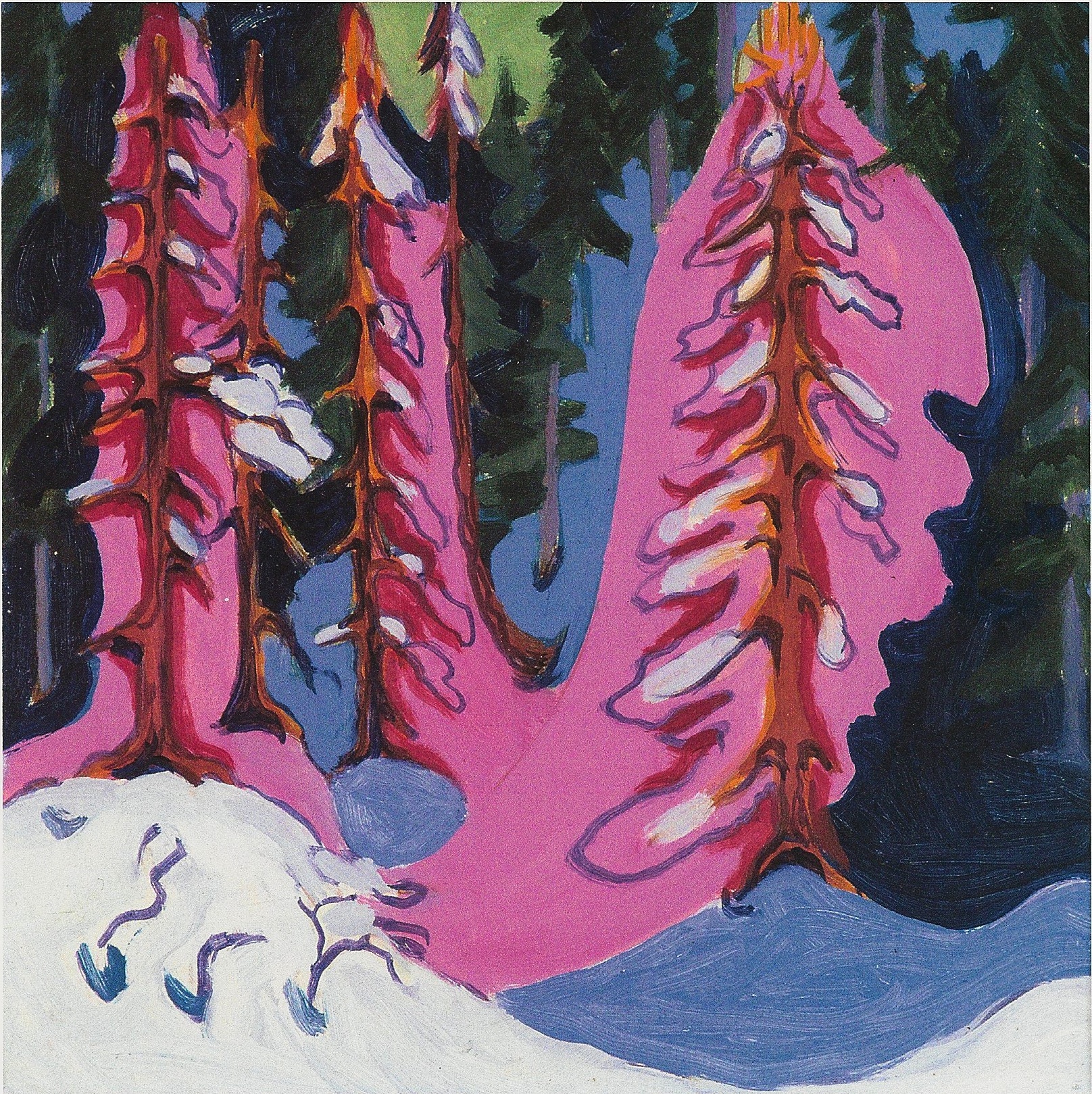
Kunsthaus Glarus is a contemporary art gallery in Glarus, the capital of the canton of Glarus in eastern Switzerland. Despite its remote setting, it ranks among the notable Swiss venues for current art and is the only major art institution in the whole canton. What is Kunsthaus Glarus? The building opened in 1952 and was designed by architect Hans Leuzinger. Its strictly minimal modernist form is a reason to visit in itself. The house is run by the Glarner Kunstverein, an art association that has been collecting works since 1870. For its first decades the venue opened only a few months a year and had no paid staff. That changed in the early 1990s, when professional curators took over and a regular programme and fixed opening hours were introduced. Since the mid-1990s the focus has been on contemporary work and younger artists. What will you see inside? The programme centres on temporary shows by Swiss and international artists. Urs Fischer and Ugo Rondinone both had early solo exhibitions here. The calendar also includes displays from the association's collection and an annual show devoted to the local art scene. That yearly exhibition, traditionally without a jury, alternates with the triennial "Heimspiel", which brings together artists from several cantons. The collection also holds twentieth-century classics. Othmar Huber, a longtime board member and collector, helped drive the purchase of modernists, among them Kirchner's "Vor Sonnenaufgang", acquired in 1952. When should you go, and what does it cost? Sources give differing hours. According to museums.ch the gallery is open Wednesday to Friday from 12 to 18 and on weekends from 11 to 17; other listings say Tuesday to Friday from 14. Check kunsthausglarus.ch before you travel, as special hours can apply when exhibitions change over. A full ticket is around CHF 10, reduced around CHF 5. How do you plan the visit? Glarus is roughly an hour by train from Zurich, so a day trip works well. Allow one to two hours for the gallery, then spend the rest of the day on a walk around the town and the surrounding valleys. Frequently asked questions Is Kunsthaus Glarus a traditional museum? Not quite. It is mainly a venue for contemporary exhibitions, complemented by displays from the association's holdings. Who designed the building? Hans Leuzinger. It opened in 1952. How much is admission? About CHF 10 for adults and CHF 5 reduced. Confirm current prices on the gallery's website. Is it worth a trip on its own? If you follow contemporary Swiss art, yes. Exhibitions change regularly, so look at the current programme first.
-

Maag Halle
Zürich
Maag Halle is an event hall in western Zürich, in the Kreis 5 district at Hardstrasse 219. It stands on the former Maag industrial site and, since the early 2000s, has been one of the city's best-known venues for concerts, musicals and parties. How did this place come about? The site's story begins with industry. From 1908 the engineer Max Maag worked on a new gear-tooth system, and in 1913 he founded the Max Maag Zahnräderfabrik gear factory at Hardstrasse 219. Before that, the buildings housed the company Safir Automobile. The last Maag operations left the site in 2004, although some sources say production in the building itself ended as early as 2001. In 2002 the buildings were taken over by MAAG Music & Arts AG, which has run the unsubsidised hall ever since. It was originally meant to be temporary: the hall was built for the musical "Deep" (staged 2002-2003) and was supposed to disappear after three years. Instead it stayed and became a fixture of Zürich's cultural scene. What can you see here? The complex has several spaces of different character: Auditorium - a theatre layout with a stage and 925 seats, designed for musicals among other things. The operator lists productions such as "Sister Äct", "Ewigi Liebi" and "Traumfrau" as examples. Foyer - a space for concerts and parties for up to 900 people. Club (Härterei) - a room for concerts and parties of up to 1,000 people. Capacity figures vary by source: the operator mentions up to 1,200 people for the hall as a whole, while the Swiss Stadia and Arena association lists 932. Check the operator's current information before your visit. While the Tonhalle and Kongresshaus were being renovated, the Maag site also served as a temporary venue for the Zürcher Tonhalle-Orchester. Is the hall under threat? Yes, its future is uncertain. The site's owner, Swiss Prime Site, plans to replace the ensemble with new construction, keeping only one building. This follows a building decision issued by the city in June 2023. The Swiss heritage society Heimatschutz has placed the halls on its Red List of endangered buildings. The current state of the demolition plans is hard to determine with certainty, so it is worth checking recent news before you travel. Frequently asked questions Where is Maag Halle? In Zürich's Kreis 5 district, at Hardstrasse 219. What was it before? An industrial site: first the company Safir Automobile, then from 1913 the Maag gear factory. What events take place here? Musicals, concerts and parties, depending on the room: the auditorium, the foyer or the club. Will the hall continue to exist? That is not certain. The owner intends to replace most of the buildings, while heritage groups are campaigning to preserve them.
-
Schauspielhaus Zürich
Zürich
Schauspielhaus Zürich is one of the most prominent and important theatres in the history of German-language drama. It operates on two sites: the historic Pfauen auditorium on Rämistrasse and the converted industrial Schiffbau in the west of the city. What is Schauspielhaus Zürich? It is the city's leading drama theatre, performing in German and long woven into Zurich's cultural life. For a visitor it offers a chance to see two very different sides of the city: the bourgeois centre and a former shipbuilding district. How did the Pfauen theatre begin? The building opened in 1892 as a variety venue. It was constructed as the Volkstheater am Pfauen, complete with a Bavarian beer garden and a bowling alley. It became a playhouse in 1901, when the director of the opera house rented it. A private cooperative ran it for a time, and in 1926 Ferdinand Rieser, a Zurich wine merchant, bought and renovated it. The 1925–26 works, led by architect Otto Pfleghard, gave the theatre its modern form, including an enlarged stage building and technical upgrades. In 1938 the city founded Neue Schauspiel AG, which leased the building from Rieser. Why does this theatre matter? Its role during the Nazi era was decisive. Actors and directors fleeing Germany found work in Zurich, and the house took an explicitly antifascist course. Brecht saw several major works premiered here, and the Swiss writers Max Frisch and Friedrich Dürrenmatt also had plays staged. That made the Pfauen one of the key addresses of twentieth-century European theatre. What is the Schiffbau? The second stage is the Schiffbau, a listed industrial hall where ships were built until the 1980s. The theatre has used it since 2000. It holds two stages, the Schiffbau-Halle and the Box. The industrial setting offers a very different experience from the classic Pfauen hall: rawer, more contemporary and open to experiment. What to know before you go The Pfauen is on Rämistrasse in central Zurich; the Schiffbau is in the western part of the city. Productions are in German, so some knowledge of the language helps. Check the current programme and ticket availability on the theatre's official website. The Neumarkt is a separate small theatre and not part of the Schauspielhaus. The future of the Pfauen auditorium is disputed: the city council has proposed rebuilding while keeping the façade, while preservation groups oppose demolishing the 1926 hall. Check before travelling what is currently open. Frequently asked questions Does Schauspielhaus Zürich have a single venue? No. It works in two places: the historic Pfauen and the Schiffbau. When did the Pfauen building open? In 1892, initially as a variety venue. Were ships really built in the Schiffbau? Yes. The hall was used for shipbuilding until the 1980s, and the theatre has operated there since 2000. Are performances in English? The repertoire is mainly in German, so check the details of each production before buying tickets. Is it a good stop for history lovers? Yes. The theatre is tied to the anti-Nazi emigré community and to premieres by Brecht, Frisch and Dürrenmatt.
-
Theater Fauteuil
Basel
Theater Fauteuil is a cabaret and small-stage theatre in Basel, tucked into the cellar of a building at Spalenberg 12 in the Old Town. Open since 1957, it is among the best-known comedy venues in German-speaking Switzerland. For a visitor it offers a chance to see local cultural life up close, in an intimate setting. Where does the name Fauteuil come from? The theatre was founded in November 1957 by Roland Rasser, son of the well-known cabaret performer Alfred Rasser. For the opening night, each guest was asked to bring their own chair as the admission ticket. That is where the name comes from, since "fauteuil" is the French word for armchair. Some of those legendary seats stayed in use for audiences until 2002. The stage was inaugurated by the cabaret "Gigampfi", in which the founder performed himself. What else is in the building? In 1971 a smaller stage, the Tabourettli, was added in the same place. Its name means stool, so the seating joke continues. Two floors up sits the historic Kaisersaal, directly above both theatres. Depending on the seating layout and the event, it holds between 120 and 200 people. Today the whole venue is run by siblings Caroline and Claude Rasser, the next generation of the founding family. What can you see here? The programme mixes cabaret, stand-up, spoken word and theatre productions. Each year the house stages a few of its own shows, and it also hosts performers from across Switzerland and neighbouring countries. The comedy "Caveman" has been running here since 2001 and has become one of the venue's signatures. Evening shows usually start at 8 pm, and the calendar also includes events linked to Basel's carnival, such as a showcase of Schnitzelbängg, the satirical rhymed songs performed during Fasnacht. Do you need to understand German? In practice, yes. Most of the programme is in German, often with touches of local dialect, and the humour relies heavily on language. If you do not speak German, the building is still a charming piece of local history to see from outside, but for a show you will want a good command of the language. How to plan a visit The theatre sits in the heart of the Old Town on Spalenberg, the street that leads toward the Spalentor gate. The area is full of small shops, cafes and historic houses, so it is easy to combine an evening performance with a stroll through the centre. Tickets are sold at the box office at Spalenberg 12 or online. Programmes and dates change, so check the current schedule at fauteuil.ch. Frequently asked questions Where is Theater Fauteuil? At Spalenberg 12, 4051 Basel, in the Old Town. When was the theatre founded? In November 1957, by Roland Rasser. Why is it called Fauteuil? For the opening night, the audience brought their own chairs as tickets. What is the Tabourettli? A smaller stage in the same building, opened in 1971. Can I see the Kaisersaal? It is a historic hall above the theatre stages, used for events. The easiest way in is a ticket to an event held there.
-
Victoria Hall
Genève
Victoria Hall is a concert hall in central Geneva that has been tied to classical music for well over a century. It is the home of the Orchestre de la Suisse Romande, the leading symphony orchestra of French-speaking Switzerland. Built in the late nineteenth century, it remains one of the city's best-known musical addresses. Who built Victoria Hall, and why is it named that? The building went up between 1891 and 1894 to designs by the Geneva architect John Camoletti. It was paid for by Daniel Fitzgerald Packenham Barton, the British consul in Geneva, who dedicated it to Queen Victoria, hence the name. Barton later gave the hall to the city, which made it a public institution rather than a private venue. Sources disagree on the exact year of the donation, so treat that date with caution. Which orchestra plays at Victoria Hall? The regular resident is the Orchestre de la Suisse Romande (OSR). Conductor Ernest Ansermet founded it in 1918 and led it for 49 years, until 1967. Under him the orchestra built an international reputation through concerts and recordings. The OSR also performs in Lausanne at the Théâtre de Beaulieu, and in Geneva it serves as the opera orchestra of the Grand Théâtre de Genève. What else can you hear in the hall? Symphonic repertoire is the core of the programme, but the hall also hosts jazz and world music concerts. It seats roughly 1,700 people (sources quote slightly different figures), which suits both full orchestral programmes and recitals by well-known soloists. The schedule changes through the season, so check the current programme before you go. Did the hall survive a fire? Yes. Victoria Hall was damaged by a fire in 1984 and was subsequently restored. The building continues to serve musicians and audiences while keeping the historic character it had when it opened. How do you visit Victoria Hall? The simplest way to see the interior is to buy a concert ticket. The hall is not a sight that is open at any hour, because its life revolves around evening performances. Plan your visit around a programme that interests you and book ahead, especially for OSR concerts. The building stands in Geneva at about 46.201 N, 6.141 E, close to the city centre, so a concert is easy to combine with a walk through the surrounding streets. Frequently asked questions When was Victoria Hall built? Between 1891 and 1894. Who designed it? The architect John Camoletti. Who financed it? The British consul Daniel Fitzgerald Packenham Barton. Which orchestra plays there? The Orchestre de la Suisse Romande, founded in 1918 by Ernest Ansermet. Are there non-classical concerts? Yes, including jazz and world music.
-
Schauspielhaus Basel
Bazylea
Schauspielhaus Basel is the modern drama stage of Theater Basel, in the heart of the Swiss city. Located at Steinentorstrasse 7, it has operated since 2002 and serves as the theatre's home for spoken drama. The building pairs a central city location, right beside a tram line, with demanding acoustic engineering. What is the Schauspielhaus within Theater Basel? Theater Basel is a three-branch house covering opera, drama and ballet. It plays on three stages: the Grosse Bühne (Large Stage), the Kleine Bühne (Small Stage) and the Schauspielhaus. The last of these is the natural address for plays, contemporary texts and new stagings of classics. History of the building Basel had been discussing a new home for drama since 1988, because the older Komödie no longer met the needs of modern theatre. Planning and construction ran from 1999 to 2001, and the building was occupied in January 2002. It rose on the site of the former Ganthaus building. The design is by Schwarz-Gutmann-Pfister Architekten, with Martin Pfister as project lead. Financing was shared between the canton of Basel-Stadt and the foundation Stiftung Schauspielhaus Ladies First. The foundation contributed 17.5 million francs and the canton 11.93 million, for a total of roughly 29.4 million francs. Architecture: a house within a house The structure is reinforced concrete built as a "Haus-in-Haus", a house set inside a house. The reason is acoustic: the theatre stands directly on a tram line, while the auditorium needs a very quiet environment. Decoupling the inner structure from the outer shell keeps street noise out of the hall. At street level you find the foyer with cloakroom, box office and bar. A rehearsal stage sits above the auditorium. Seating ranges from 470 to 540, depending on the staging format; some sources quote a slightly lower figure of up to about 468. Frequently asked questions Where is the Schauspielhaus Basel? At Steinentorstrasse 7 in central Basel, close to the main Theater Basel complex on Steinenberg. How many seats does it have? According to the city, between 470 and 540, depending on the production format. When did it open? Construction ran from 1999 to 2001, and the theatre began operating in 2002. Who designed it? Schwarz-Gutmann-Pfister Architekten. Is it part of Theater Basel? Yes. Alongside the Grosse Bühne and Kleine Bühne, it is one of the theatre's three stages. Who should visit? Theatre lovers, and anyone curious about contemporary architecture. Even without a ticket, the building is worth a look from outside, and the programme is listed on the Theater Basel website. Performances are usually in German, so it helps to check the production description and any surtitles before you go.
-
Théâtre Vidy-Lausanne
Lausanne
Théâtre Vidy-Lausanne is one of the most important stages in French-speaking Switzerland, a house where productions are created that later tour festivals and theatres across Europe. It stands in the Vidy district of Lausanne, close to Lake Geneva, and combines a piece of postwar architectural history with a current international artistic programme. How did the Vidy theatre come to be? The building was designed by the Zurich architect Max Bill for the 1964 Swiss National Exhibition. It was known at the time as the Théâtre de l'Expo and was meant to be a temporary structure that would vanish once the fair ended. Its fate changed thanks to Charles Apothéloz, then co-director of the Théâtre Municipal in Lausanne, who persuaded the city authorities to buy it and use it as an annex to the municipal stage. Who was Charles Apothéloz? From 1959 Apothéloz ran the Théâtre Municipal and brought regional artists together under the Centre dramatique romand banner. He also founded the Compagnie des Faux-Nez. From the mid-1970s he directed large open-air popular celebrations, among them the 1977 Fête des Vignerons in Vevey. In 1972 the company, by then renamed Centre dramatique de Lausanne, moved into Vidy. Over time the venue grew into a production centre with no equal elsewhere in French-speaking Switzerland. What is on stage today? Since September 2013 the theatre has been led by Vincent Baudriller. The programme pairs high-profile projects by artists from abroad with new work created on site. In 2017 an extra hall, the so-called Wooden Pavilion, was inaugurated, designed at the EPFL's IBOIS laboratory under Yves Weinand. It is a small treat for architecture fans, showing what modern timber construction can do. A renovation and extension by the firm PONT12 architectes was completed in 2023. Who is it for? Visitors planning an evening at the theatre while in Lausanne. Fans of twentieth-century architecture and the work of Max Bill. Followers of contemporary theatre and dance who want to see internationally scaled productions. Walkers exploring the lakeside area of Vidy. Practical tips The programme changes through the season, so check the repertoire and ticket availability on the theatre's official website before you go. Many performances are in French, and some titles offer surtitles in other languages, which is worth confirming when you book. The theatre sits amid green, recreational grounds, so it pairs well with a stroll by the lake. Frequently asked questions Who designed the Théâtre de Vidy building? Max Bill, a Swiss architect from Zurich, for the 1964 national exhibition. Was the theatre meant to be permanent? No. It was conceived as a temporary building, but the City of Lausanne bought it after Charles Apothéloz lobbied for it. What is the Wooden Pavilion? An additional performance hall opened in 2017, designed by EPFL's IBOIS laboratory. When was the latest renovation finished? In 2023, to a design by PONT12 architectes. Who runs the theatre? Vincent Baudriller, since September 2013.
-
Bern City Theatre
Bern
Bern City Theatre (German: Stadttheater Bern, today part of Bühnen Bern) is the main opera house and theatre of the Swiss capital. The neo-baroque building stands on Kornhausplatz in the heart of the Old Town, a short walk from the Zytglogge clock tower and the cathedral spire. It is an easy way to pair sightseeing in the historic centre with an evening of performance. Where is the theatre and how do I get there? The building sits on Kornhausplatz, on the line of the main streets of Bern's UNESCO-listed old town, at roughly 46.949° N, 7.448° E. From the main railway station it is usually a walk of around fifteen minutes, and city trams and buses stop nearby. The square itself is a handy landmark while exploring. When was it built? The theatre was constructed between 1899 and 1903 to designs by the Bernese architect Albrecht Renatus von Wurstemberger. The client was the joint-stock company Berner Stadt-Theater, which became a cooperative in 1914. At that point the city of Bern took over the property together with its inventory. Today the building belongs to Stadtbauten Bern. City authorities list it alongside the Münster tower and the Parliament building among Bern's landmarks. How has its name changed, and who performs here? From the 2011/2012 season through 2020/2021 the organisation operated as Konzert Theater Bern, formed by merging the city theatre with the Bern Symphony Orchestra. In 2021 it became Bühnen Bern. Its work covers four areas: symphony concerts, music theatre (opera), drama and dance. One building can therefore host an opera, a play or a ballet. Has the building been renovated? Yes. City documents from 2012–2013 describe the need to renovate the 1903 building about 30 years after its previous refurbishment. According to Wikipedia, a modernisation with significant structural changes took place in 2015–2016. Check the theatre's official site for current information before you plan a visit. Planning your visit Programme and tickets: the repertoire changes each season, so check dates and prices on the official Bühnen Bern website. Language: plays are generally performed in German, while opera often comes with translations or surtitles. From outside: even without a ticket, the facade and Kornhausplatz are worth a look on the way between the station and the bridge over the Aare. Nearby: the Zytglogge, the arcaded Kramgasse and the city's historic fountains are close by. Frequently asked questions Is Bern City Theatre the same as Bühnen Bern? Yes. It is the same theatre and institution, previously known as Stadttheater Bern and then Konzert Theater Bern. When was it built? Construction ran from 1899 to 1903. Who designed it? The Bernese architect Albrecht Renatus von Wurstemberger. What kinds of performances can I see? Opera, drama, dance and symphony concerts. Is it worth going if I do not speak German? Yes, especially for ballet and concerts, which do not depend on language.
-
Maison du Concert
Neuchâtel
Maison du Concert is a historic theatre and concert building in Neuchâtel, on the Swiss lakeshore. It was built in 1769 and still serves the performing arts, even though its role has shifted several times over more than two centuries. How did the Maison du Concert come about? Three local figures paid for its construction: Abram Pury, Frédéric de Pierre and Pierre-Alexandre DuPeyrou. They wanted a proper venue for concerts. The hall quickly became a favourite of Neuchâtel's middle-class society, and the name says it all: Maison du Concert, literally "Concert House". From concerts to theatre About ten years after opening, the building began to host plays as well. Theatre gradually overtook music, and from 1801 the building was known as the Théâtre. The stage, however, was small, and by the late nineteenth century residents were calling for a full-scale playhouse. What changed after 2000? In 2000 the new Théâtre du Passage opened and took over as the city's main stage. The old building returned to its original name, Maison du Concert, and found a new purpose as a working home for artistic companies. What can you see today? The main hall is a protected heritage site. After modernisation it still holds remnants of an Italian-style theatre layout, typical of eighteenth-century stages. Today it operates as the Théâtre du Concert, where several theatre, dance and music companies are permanently based. The building also houses a bistro-restaurant, so you can have a meal before or after a show. It stands in central Neuchâtel (46.99143 N, 6.93097 E), which makes it easy to combine with a stroll through the old town and along the lake. It also hosts concerts from festival series such as Les Jardins Musicaux. Frequently asked questions Is the Maison du Concert still a working theatre? Yes. It runs as the Théâtre du Concert and is home to several resident stage companies. When was it built? In 1769, on the initiative of three local patrons. Why was it once called the Théâtre? From 1801 plays dominated the programme, so the name reflected its new role. After the Théâtre du Passage opened, the original name came back. Can you eat there? Yes, there is a bistro-restaurant in the building. Is the building listed as heritage? The main hall is a protected heritage site. Should I check details before visiting? Yes. Performance schedules, opening hours and any renovation work are best confirmed with the City of Neuchâtel or the theatre.
-
Theater St. Gallen
St. Gallen
Theater St. Gallen is the main opera and theatre house of St. Gallen in north-eastern Switzerland. Opera, musical, ballet and spoken drama all share one roof. It is considered the oldest professional theatre in the country, and its building is listed as a Swiss heritage site of national significance. What is Theater St. Gallen? It is a multi-genre performing arts centre. The programme mixes music theatre, drama and ballet, so on a single visit you can choose an opera night or a musical depending on the season's schedule. Since 2000 the theatre has operated within Konzert und Theater St. Gallen, an organisation that brings the city's theatre and concert life together. What does the building look like? The present house opened on 15 March 1968 with Beethoven's "Fidelio". It was designed by architect Claude Paillard, and construction ran through the mid-1960s. The style is Brutalist: raw, exposed concrete in a bold geometric form that stands apart from the historic townscape around it. Some visitors find it divisive, others see it as an important example of modernist theatre architecture. Its national-significance status shows that Switzerland treats it as part of its cultural heritage. Why visit? See a performance in the oldest professional theatre in Switzerland. Admire one of the country's best-known Brutalist buildings. Combine an evening show with a stroll through the old town of St. Gallen and its famous landmarks, since the theatre sits in the city itself. Planning your visit Programmes, performance times and ticket prices change with the season, so check the current repertoire on the theatre's website and book ahead, especially for premieres. The venue lies at roughly 47.427° N, 9.381° E, within the city, close to the centre and nearby green space. Frequently asked questions Does Theater St. Gallen stage opera? Yes. Opera is one of its core genres, alongside musicals, ballet and drama. When did the current building open? On 15 March 1968, with a performance of Beethoven's "Fidelio". Who designed it? The architect Claude Paillard. Is it really the oldest professional theatre in Switzerland? It is considered the oldest professional theatre in the country. Is the building a protected monument? Yes. It is a Swiss heritage site of national significance. What architectural style is it? Brutalism: exposed concrete shaped into a geometric mass. Is the building worth seeing on its own? Yes. Anyone interested in twentieth-century architecture will find a distinctive example of modernism here, even without buying a ticket.
-
Tonhalle St. Gallen
St. Gallen
Tonhalle St. Gallen is a concert hall in the centre of St. Gallen, Switzerland, at Museumstrasse 25. The Art Nouveau building from the early twentieth century is the home of the St. Gallen Symphony Orchestra and one of the city's key cultural addresses. What is the Tonhalle St. Gallen? The Tonhalle is a multi-purpose cultural centre. Symphonic and chamber concerts form the core of the programme, but the building also hosts banquets, meetings and conferences. That makes it a place that is busy well beyond concert evenings, serving corporate and social events during the day too. When and in what style was it built? The hall was constructed between 1906 and 1909 to designs by architect Julius Kunkler. Its look draws on Art Nouveau, the style that swept Europe around the turn of the twentieth century. Some listings give 1907 as the year of completion, but most sources place the finish at 1909. Who has performed here? In its early decades the stage was used by visiting orchestras, and the podium saw conductors such as Artur Nikisch, Richard Strauss, Felix Weingartner and Arturo Toscanini. From 1917 to 1944 the symphony concerts were led by Othmar Schoeck, one of Switzerland's leading composers of his day. Today the hall is home to the St. Gallen Symphony Orchestra, which is run together with Theater St. Gallen by the cooperative Konzert und Theater St. Gallen. What is inside? The Grand Hall (Großer Saal) seats roughly 890 listeners. Smaller spaces are available too: the Kleiner Saal for about 250 people and the intimate Intermezzo for about 100. This mix suits everything from full orchestral concerts to chamber recitals and smaller gatherings. Renovation and acoustics In the early 1990s the building was thoroughly renovated: the stage was enlarged and facilities for conductors and artists were improved. It reopened in May 1993. Later work included an acoustic redesign in 2011 by Bosshard Vaquer Architekten. Frequently asked questions Where is the Tonhalle St. Gallen? At Museumstrasse 25 in St. Gallen, in the canton of St. Gallen in north-eastern Switzerland, close to the city's museums. Which orchestra plays here? The Tonhalle is the home of the St. Gallen Symphony Orchestra (Sinfonieorchester St. Gallen). How many seats does the main hall have? About 890, while the smaller rooms hold roughly 250 and 100 people. Can I hold an event here? Yes, the venue also serves for banquets, meetings and conferences. Is the building historic? It is a century-old structure from 1906 to 1909, renovated in 1993 and refined acoustically later, so it combines period architecture with modern facilities.
-
Zürich Opera House
Zürich
Zürich Opera House (Opernhaus Zürich) is one of Switzerland's leading stages for opera and ballet, standing on the lakefront beside Sechseläutenplatz in the heart of the city. It has been home to the Zurich Opera since 1891, and the same building also hosts Ballett Zürich and the Bernhard-Theater Zürich. How did the opera house come to be? The city's earlier playhouse, the Aktientheater, burned down in 1890. Its replacement was designed by the Viennese firm of Ferdinand Fellner and Hermann Helmer, specialists whose theatres can be found across Europe. Construction took only 16 months, and the project was funded almost entirely from private money. The house opened in 1891 with Wagner's "Lohengrin", and it was among the first opera houses in Europe lit by electricity. What is the building like? The auditorium is decorated in a neo-rococo style and seats roughly 1,100 people. Gilded ornament and a classic arrangement of tiers and boxes give it the feel of a court theatre, even though Zurich never had a court. Between 1982 and 1984 the building underwent a major renovation and extension, bringing the stage and backstage areas up to the demands of modern productions. Why visit? The programme mixes core opera repertoire with new stagings, and ballet is part of the offer as well. For many travellers an evening here is one of the most elegant things to do in Zurich. The exterior is also worth a look on its own: the house stands near the shore of Lake Zurich and not far from the old town, so it fits easily into a walk around the centre. Frequently asked questions Where is the opera house? On Sechseläutenplatz in central Zurich, close to the lake and the old town. When was it built? It opened in 1891, after the previous theatre burned down in 1890. Who designed it? The Viennese architects Ferdinand Fellner and Hermann Helmer. How many people does the auditorium hold? About 1,100. Which companies perform here? The Zurich Opera and Ballett Zürich, while the Bernhard-Theater Zürich also operates in the building. Can I just look at the building? The facade and surroundings are free to enjoy. To see the interior, the best way is to attend a performance. Check the opera's website for the current programme and prices. Practical tips Book tickets ahead, especially for premieres and performances with well-known guest artists. The opera is an easy walk from the city centre, and the neighbourhood has plenty of cafés and restaurants for a meal before or after the show. Smart attire is usual for evening performances, although formal dress is not required. If you enjoy theatre architecture, look closely at the proportions of the facade and the decoration of the foyer, which show how prestigious theatres were conceived at the end of the nineteenth century.
-
Bernhard-Theater
Zürich
Bernhard-Theater is a German-language revue and cabaret stage in central Zürich, at Sechseläutenplatz 1. It sits within the Opernhaus Zürich building complex, close to the lake, and has long been one of the best-known venues for light stage entertainment in German-speaking Switzerland. What is the Bernhard-Theater? It is a stage where cabaret, revues, chanson evenings, musicals and travesty shows are put on. The auditorium is fairly intimate, seating about 400, so the audience sits close to the performers. Shows are usually in Swiss German or standard German, so it is worth checking the language of a specific production before booking. The Restaurant Belcanto operates in the same complex, which makes it easy to combine dinner with an evening at the theatre. How did the theatre begin? The theatre was founded in 1941 by Rudolf Bernhard, a Swiss actor and comedian from Basel, and it carries his name. The first performance, the cabaret revue "Härzlig willkomme", took place in late December 1941 (sources give either 19 or 20 December). It started out in the former Grand Café Esplanade, a building dating from 1925. By 1962, the year of the founder's death, nearly 7,000 performances had been staged here, and the theatre had helped launch the careers of many Swiss performers. After his death, the brothers Eynar and Vincent Grabowsky took over management and widened the programme to include cabaret, chanson evenings, musicals and travesty shows. A move and a new building In 1981 the old Esplanade building had to make way for an extension of the opera house. For three years the theatre worked from a temporary home at Kaufleuten. The new building, designed by Claude Paillard, opened on 27 December 1984. It is the one that still stands on Sechseläutenplatz today. Harder years and the present When Eynar Grabowsky died in 1995, the company was left heavily in debt because of inadequate subsidies, and bankruptcy proceedings followed in 1999. Since then the Opernhaus Zürich has leased out the theatre and appointed a series of managers. In October 2014, Hanna Scheuring took over operational and artistic management. Frequently asked questions Where is the Bernhard-Theater? At Sechseläutenplatz 1 in Zürich, within the Opernhaus Zürich complex. How many people does it seat? About 400. Is there somewhere to eat nearby? Yes, the Restaurant Belcanto is in the same complex. What language are the shows in? The programme is German-language, often in Swiss German. Check the listing for each production before buying tickets. Who founded the theatre? Rudolf Bernhard, a Swiss actor and comedian, in 1941. Is it still open? Yes, it remains an active stage and part of the opera house complex.
-
Theater 11
Zürich
Theater 11 is one of Zurich's biggest musical venues, sitting in the Oerlikon district right next to the Hallenstadion arena and the Messe Zürich exhibition grounds. The building opened in 2006 and its modern design has won several architecture awards. If you want to catch a large-scale stage production in Switzerland, this is the address to know. What kind of place is it? Theater 11 is built mainly for big musical productions. The auditorium seats around 1,500 people, which makes room for lavish sets, a full orchestra and a large cast. The building is owned by the City of Zurich, but since 1997 it has been leased to the Freddy Burger Management Group, which stages the shows here. The venue came out of a conversion of an existing structure, and the result drew attention from architects and design juries alike. What can you see here? Musicals are the main draw. The venue's reopening production, on 3 December 2006, was Queen's "We Will Rock You". Over the years other major titles have followed, and visitors mention shows such as "The Lion King" and "Robin Hood". Besides musicals, the stage also hosts classical ballet, comedy evenings and concerts. The programme changes regularly, so check the current schedule before you plan a visit. How do you get to Theater 11? The address is Thurgauerstrasse 7, 8050 Zürich. Public transport is the easy option: take a tram or bus to the "Messe/Hallenstadion" stop, close to the entrance. Oerlikon is well connected and has its own railway station, so reaching it from central Zurich or the airport is straightforward. Is there food and drink? The foyer has a restaurant and bars, so you can eat or have a drink before the show or during the interval without leaving the building. Map data lists the restaurant as open at lunchtime and in the evening on Tuesdays to Fridays, and in the evening on weekends. Sources differ on hours, so confirm them before you arrive. Can the hall be hired? Yes. The theater offers its space for corporate events, conferences and private functions, either with its own artistic programme or without one. The large auditorium and technical facilities make it an attractive option for organisers of bigger gatherings. Frequently asked questions Where is Theater 11? In Zurich's Oerlikon district at Thurgauerstrasse 7, beside the Hallenstadion and Messe Zürich. When did it open? In 2006. The first big title was "We Will Rock You", staged on 3 December 2006. How many people does it seat? Around 1,500. What is on the programme? Mostly musicals, but also ballet, comedy and concerts. Should I book tickets in advance? For large productions it is wise to reserve ahead, as popular titles tend to sell out. Current programme and ticket details are available from the organiser. Can I eat there? Yes, the foyer has a restaurant and bars. Who is it for? Theater 11 suits musical fans and anyone with an interest in contemporary architecture in Zurich. Pairing an evening show with a wander around Oerlikon makes a good plan for this part of the city, especially when the Hallenstadion or the exhibition grounds are hosting another event and the neighbourhood is lively.
-
Grand Théâtre de Genève
Genève
Grand Théâtre de Genève – Geneva's Opera House Grand Théâtre de Genève is the main opera house of Geneva and one of Switzerland's key stages for music and dance. It stands in the city centre, close to the Old Town and the Bastions park, and its story spans a nineteenth-century opening, a devastating fire and a postwar rebirth. How was the theatre built? The building was designed by Jacques-Élysée Goss from a drawing by Henri Sylvestre. Construction was paid for with a bequest from Count Charles de Brunswick. The theatre opened in 1879, although some sources cite 1876, the year building work was completed. The architecture blends Beaux-Arts and Second Empire styles, and the auditorium follows the classic horseshoe plan used by opera houses of the era. What happened in 1951? On 1 May 1951, while the crew was preparing the third act of Wagner's Die Walküre, a fire broke out on stage. It destroyed the stage, fly loft and machinery, then spread into the auditorium. Only the foyer, the main entrance with its vestibule and the exterior façades survived. During the rebuilding, performances moved to the Grand Casino. Rebuilt and renewed The house reopened on 12 December 1962 with Verdi's Don Carlos. The new wood-panelled auditorium, finished in 1961, seats around 1,500 people. The stage is among the largest in Switzerland. Modernisation followed in 1997 and 2006, and a major renovation ran from 2016 to 2019, after which regular programming resumed. What can you see here? The programme includes opera, ballet and concerts. The theatre is home to its own orchestra and artistic ensembles and is a fixture of Geneva's cultural calendar. Check the season in advance, as popular productions sell out quickly. Frequently asked questions Where is the Grand Théâtre de Genève? In central Geneva, near the Old Town and the Bastions park. It is easy to reach by public transport; the TPG operator publishes directions on its website. How many seats does it have? Around 1,500. Can I visit the building without a performance ticket? The safest way is to book a performance or check the theatre's website for guided visits on your dates. When did it reopen after the fire? On 12 December 1962. What survived the fire? The foyer, the main entrance with its vestibule and the exterior façades. Why visit? For opera fans, it is a chance to see a production in a historic building with a modern stage. For everyone else, it is a fine example of a landmark that recovered from disaster and remains the heart of Geneva's musical life. Seeing the façade and foyer also pairs well with a walk through the city centre.
-
Basler Marionettentheater
Bazylea
Basler Marionettentheater is a marionette theatre in Basel, Switzerland, housed in a historic cellar at Münsterplatz 8, right beside the cathedral. It is described as the city's oldest cellar theatre and makes a charming change of pace from Basel's museums. How did the theatre begin? The company was founded in 1943 by Richard Koelner (1904–1993), a Basel native and self-taught puppeteer. It officially opened on 27 March 1944 at the Kunsthalle in Basel with a puppet staging of Simrock's "Faust". For its first years the troupe had no permanent home and played in various venues, including the St. Alban area. Where is the theatre? The company settled in the mid-1950s in a medieval cellar known as the Zehntenkeller at Münsterplatz 8. The vaulted space belongs to the premises of the Allgemeine Lesegesellschaft and is regarded as one of the most beautiful cellar vaults in Basel. Besides the auditorium, the building also holds the workshop where the puppets are made and maintained. What else is worth knowing about its history? In 1983 Koelner handed over the direction to his assistant, Wolfgang Burn. Since 1997 the theatre has been supported by the Stiftung Basler Marionetten Theater, a foundation whose aim is to keep performances going in the Zehntenkeller. The theatre also belongs to the wider international world of puppetry, in which the Swiss marionette tradition has its place. Who are the shows for? Classic stories and dramas have been part of the repertoire since the start, and over time programmes for younger audiences have joined them. Marionettes worked on strings demand great precision from the puppeteers, and the intimate cellar stage puts spectators close to the action. Check the theatre's official website for the current programme and show times. Frequently asked questions Where is Basler Marionettentheater? In Basel at Münsterplatz 8, in the Zehntenkeller cellar near the cathedral (Münster). Who founded it? Richard Koelner, a self-taught Basel puppeteer, in 1943; the first performance took place in March 1944. Is it only for children? No. The repertoire includes classic dramas as well as family productions, so check which show suits you. Do I need to book tickets in advance? The hall is small, so booking ahead is sensible, especially for popular titles and at weekends.
-
Teatro del Gatto
Ascona
Teatro del Gatto is a small theatre at Via Muraccio 21 in Ascona, in the Swiss canton of Ticino. For decades it has been one of the lakeside town's key cultural addresses, with a programme that mixes theatre, dance, jazz and cinema. What is the Teatro del Gatto? It is an intimate hall with around 230 seats. The stage measures 8 by 9 metres and comes with technical infrastructure, so the space works for more than plays: it also hosts concerts, conferences, assemblies and rehearsals. The modest size keeps the audience close to the performers, which suits jazz sets and comedy particularly well. What is the history of the building? The building dates from 1933, when the Ascona youth association had it built. In the 1980s the clown Dimitri ran the theatre, and in 1988 the magician Fantasios took over its management. The theatre was closed between 1994 and 1999. A renovation followed in 2000, and since 2008 the venue has been run by a team of artists coordinated by Gillian McLeod. What can you see here? The programme is varied: theatre, dance, cinema and concerts. Jazz has a special place. The concert series is called the Jazz Cat Club. The 2025/26 season focused on vocal jazz, with eleven concerts split between the Teatro del Gatto in Ascona and the Sociale theatre in Bellinzona. Italian-language comedies also appear on the bill, for example "Stanza 719", announced for 19 September 2026 with adult tickets at CHF 20. That date has passed, so check the theatre's website or the Ascona-Locarno events calendar for current listings. The theatre also has a social dimension: its programming includes offerings for older people and for young audiences, not only for regular evening theatregoers. Who is it for? Jazz fans looking for concerts in a small room. Visitors who understand Italian and enjoy local theatre. Travellers who want an evening in Ascona beyond a stroll along the lakefront. Event organisers, since the hall can be used for conferences and rehearsals. Most plays are in Italian, so check the language of a performance before buying a ticket. Jazz concerts, by contrast, are easy to enjoy whatever languages you speak. Frequently asked questions Where is the Teatro del Gatto? At Via Muraccio 21 in Ascona, in the canton of Ticino, Switzerland. How many seats does the hall have? Around 230, with a stage of 8 by 9 metres. When was the theatre built? In 1933, on the initiative of the Ascona youth association. What events take place there? Theatre, dance, cinema and jazz concerts as part of the Jazz Cat Club. Do I need to speak Italian? For most plays, yes, but jazz concerts are open to everyone. Can the hall be hired? The space is suited to conferences, assemblies, concerts and rehearsals. Confirm details directly with the theatre.
-
Teatro Paravento
Locarno
Teatro Paravento is an intimate theatre and performing arts centre in Locarno, in the Swiss canton of Ticino. It stands at Via Cappuccini 8, close to Lake Maggiore, and for more than four decades it has been one of the notable cultural venues of Italian-speaking Switzerland. What is Teatro Paravento? The venue is run by a theatre company of the same name. The association was founded in 1982, operates on a non-profit basis and is recognised as a public utility body. The company manages the theatre building and the spaces around it, offering a wide range of artistic activities through the year. It is more than a stage with a fixed repertoire: it works as a meeting point for locals and visitors alike. What can you see here during the year? The programme covers several kinds of events: theatre productions, dance performances, concerts, cineclub screenings, conferences and talks. That mix draws theatre lovers as well as people looking for an evening of live music or independent film. The repertoire changes through the season, so current titles and dates are best checked on the theatre's official website. Bistrot Teatro Paravento: a summer garden during the festival The best-known initiative is the bistrot, which has run since 2002 during the Locarno Film Festival. The theatre's courtyard turns into a garden with a kitchen and a bar, open from 6 pm until 3 am. Admission is free, which makes it a popular stop for festival crowds who want dinner, a drink or a conversation after the screenings. Every evening at 9:30 pm there is a concert. The range is broad, from world music through reggae and cumbia to Irish folk. Dates for each edition change from year to year, and different calendars sometimes list slightly different dates, so check the theatre's website before you go. How to plan a visit The theatre is in Locarno, so it pairs easily with a walk through the old town, Piazza Grande and the lakeside promenade. An evening at Paravento rounds off a day of sightseeing nicely, especially in August, when the film festival is on and the city feels at its liveliest. Outside the festival season, look at the theatre, dance and cineclub programme. Frequently asked questions Where is Teatro Paravento? At Via Cappuccini 8 in Locarno, canton Ticino, Switzerland. Is the summer bistrot free to enter? Yes, admission to the bistrot garden is free. How late is the bistrot open during the festival? The kitchen and bar are open from 6 pm to 3 am, and concerts start every evening at 9:30 pm. What happens outside the festival? Theatre, dance, concerts, a cineclub and conferences. Since when has the association existed? Since 1982, as a non-profit with public utility status.
-
Usine à Gaz
Nyon
Usine à Gaz is a cultural centre in Nyon, in the Swiss canton of Vaud on Lake Geneva. It occupies a former gasworks built in 1864, converted into a performance venue. Today it is one of the region's key cultural addresses. What is Usine à Gaz? It is a concert and theatre space hosting 60 to 70 evenings of performances each season. The programme is broad: dance, theatre, children's shows, song, music from near and far, and contemporary music. The venue also works with regional events such as the Fête de la musique and the Hivernales, and is linked to the Visions du Réel documentary film festival held in Nyon. How did a gasworks become a venue? The building's story is one of residents fighting for its future. In the early 1990s the old factory was slated for demolition to make way for a hotel complex. In 1991 a popular mobilisation saved it. After a referendum, conversion works began in 1993, and the venue opened to the public in 1995. Since then an association of the same name has run it on behalf of the City of Nyon. The 2021 expansion After three years of construction, the city handed the new buildings to the team in March 2021, with the official inauguration planned for September that year. There are now two spaces: a performance hall with retractable bleachers holding 450 standing or 150 seated, and an auditorium with 207 seats. The extension was also covered by architecture publications. Who runs it? The organisation employs five professionals and relies on about 150 volunteers, who keep the year-round programme going. Frequently asked questions Where is Usine à Gaz? In Nyon, on Lake Geneva, Switzerland. Is it a museum? No. It is a working cultural centre with concerts, theatre and dance, though the building has an industrial past. Are there events for children? Yes, shows for young audiences are a regular part of the programme. How many people does the main hall hold? 450 standing or 150 seated; the separate auditorium has 207 seats. Should I check the programme first? Yes. The number of evenings per season is limited, so confirm the current calendar on the venue's official site. Who is it for? Fans of live music, theatre and dance, and anyone who enjoys industrial architecture paired with a modern extension. A visit to Nyon pairs well with an evening here after a stroll through the old town and along the lake. It is also worth a look during the Visions du Réel festival, to which the venue is connected. For travellers who want to see the local cultural scene rather than the usual tourist sights, it makes a good evening out. The programme mixes regional artists with guests from abroad, so every season looks different.
-
Opéra de Lausanne
Opéra de Lausanne is the opera house of Lausanne, Switzerland, and one of the main stages for classical music in the western part of the country. The building has been deeply rebuilt over the years and now blends historic roots with contemporary architecture and modern stage technology. What is the Opéra de Lausanne? It is an opera house with a varied programme: operas from the baroque era through to contemporary works, plus concerts and ballet. That range draws classical regulars as well as audiences looking for newer forms of staging. How did the opera house begin? The story starts in the 19th century. A Casino-théâtre was built in 1869 and inaugurated in 1871, with roughly 800 seats. In 1931 it was renovated and enlarged to plans by Charles Thévenaz, raising capacity to 1,101 seats and renaming it the Théâtre municipal. The name "Opéra de Lausanne" only came into use in 1995. The 2007–2012 renovation The biggest change came with the renovation carried out between 2007 and 2012 by the architects Devanthéry & Lamunière. They added a stage house and a mirrored façade. The stage renovation completed in 2012 lets the company present everything from baroque to contemporary productions. The auditorium now seats 962. How many people come? The venue welcomes about 45,000 spectators every year, which shows it is a real fixture of Lausanne's cultural life and not only a stop on a tourist route. Why visit? A historic building combined with modern architecture, especially the mirrored façade. A broad repertoire: opera, concerts and ballet under one roof. An auditorium of under a thousand seats, which feels relatively intimate for an opera house. More than 150 years of history tied to the city's theatre life. Frequently asked questions Is the Opéra de Lausanne the same as the Théâtre de Beaulieu? No. The Théâtre de Beaulieu is a separate hall inside the Palais de Beaulieu complex and is much larger, with 1,844 seats. The opera has its own historic building. What can I see here? Opera from the baroque period to the present day, as well as concerts and ballet. Check the official website for the current programme before planning your visit. How many seats does the hall have? After the latest renovation, the auditorium has 962 seats. Since when has it been called the Opéra de Lausanne? The name has been used since 1995; before that the building was known as the Théâtre municipal. Is it worth attending a performance during a stay in Lausanne? If you enjoy stage music or architecture, yes. Look up the programme and tickets in advance, since the repertoire changes through the season. Visiting tip Try to see the exterior in daylight as well as attending an evening performance. The mirrored façade added during the renovation reflects its surroundings and gives the older structure a contemporary look, while an evening show lets you experience the interior and an auditorium that, since its modernisation, hosts both classic and innovative productions.
-
Stadtcasino Basel
Bazylea
Stadtcasino Basel is the city's most important concert venue, standing on Steinenberg street in central Basel. For almost two centuries it has served as a home for music, social gatherings and major events. It makes a rewarding stop for anyone interested in concerts, architecture or Swiss history. What is the Stadtcasino Basel? Despite the name, there is no gambling here. "Casino" is used in its older sense of a place for social gatherings. The Stadtcasino-Gesellschaft society was founded on 16 February 1824, and operations at Steinenberg began in 1826. The first building, designed by Melchior Berri, combined a club, a restaurant, a concert hall and a multipurpose event space. How has the building changed? The complex has been reshaped several times: 1876 – the Musiksaal, the main concert hall, was added by Johann Jakob Stehlin the Younger. It was inaugurated on 4 October 1876. 1938–1941 – Berri's original building was replaced by a new structure by Kehlstadt and Brodtbeck. The Musiksaal stayed in place. 2016–2020 – Herzog & de Meuron carried out a major rebuilding and extension. The architects treated the Stadtcasino as an autonomous, freestanding building, and the two listed halls were renovated in consultation with the historic monuments office. What is there to see inside? The highlight is the Musiksaal. Stehlin, an adherent of historicism, drew on elements reminiscent of baroque concert halls. Depending on the stage layout, the hall seats between 1,191 and 1,397 people, 468 of them on the balcony level. It is valued for its atmosphere and is a regular venue for the Sinfonieorchester Basel. A landmark moment in history In 1897 the original building hosted the First Zionist Congress. This gives the site significance beyond music, in politics and in the wider history of the 20th century, something Basel guides often point out. Anniversary year In 2026 the Stadtcasino marks 200 years of operation (from 3 February), while the Musiksaal celebrates 150 years since its opening. It is a good time to visit, as the programme tends to be especially rich. Planning your visit Check the programme and book tickets early, especially for symphony orchestra concerts. The building sits right in the centre, close to the main sights of the Old Town, so a concert is easy to combine with a stroll through the city. You can walk from the Barfüsserplatz area or use public transport. Frequently asked questions Can you gamble at the Stadtcasino Basel? No. The name comes from the older meaning of "casino", a place for social gatherings. The building is devoted to culture. Who designed the Musiksaal? Johann Jakob Stehlin the Younger. The hall opened on 4 October 1876. Who rebuilt the Stadtcasino in the 21st century? Herzog & de Meuron, between 2016 and 2020. How many people does the main hall hold? Between 1,191 and 1,397 seats, depending on the stage size. Where is the Stadtcasino Basel? On Steinenberg street in central Basel, a short distance from the Old Town. Is the site historically significant? Yes. The First Zionist Congress took place here in 1897.
-
Teatro Sociale
Bellinzona
Teatro Sociale in Bellinzona is a nineteenth-century theatre in the heart of the capital of the Swiss canton of Ticino, standing on piazza del Governo. Built in 1846–1847, it has kept its historic character and remains an important part of the city's cultural life. It is regarded as the only 19th-century theatre preserved in Switzerland, which makes it a draw both for theatregoers and for anyone interested in architecture. How did Bellinzona get its theatre? The idea dates to 1838, when a local society proposed a theatre that could also host social gatherings. Hence the name "Sociale", from the Italian word for society or community. Approval came in 1846, and construction took only about a year. The project was paid for by 29 subscriptions from local bourgeois families, which shows how much it was a shared effort of the town. Who designed it? The design was drawn up by Giacomo Moraglia, an architect from Milan. Engineer Rocco von Mentlen directed the building work. The theatre was raised partly on the old town wall and a filled-in moat near Porta Locarno. The ground later proved troublesome, and one side of the building settled. Opening and later history The theatre opened the day after Christmas 1847. The company of Valentino Bassi performed a six-act drama, and melodramas and operas followed soon afterwards. Electric lighting arrived in 1891, and a restaurant hall was added in 1900. The most recent major refurbishment took place in 1992–1997 under architects Giancarlo and Pia Durisch, and it left the interiors and exteriors largely unchanged. Visiting and what to expect The theatre sits in central Bellinzona, close to the main sights, so a visit combines easily with a walk through the old town. The best way to see the interior is with a ticket to a performance or concert. The current programme is published on the theatre's official website, teatrosociale.ch. Check it before you travel, because the schedule changes through the season. Why stop here? Teatro Sociale combines two things rarely found together: authentic 19th-century theatre architecture and a living artistic programme. It is not a museum piece. It still works as a stage, and its story mirrors that of the town itself, from the initiative of a local society, through the contributions of citizen families, to the alterations of successive generations. Visitors who know Bellinzona mainly for its medieval castles will find a different, cultural side of the city here. Built over remains of the fortifications, the theatre also illustrates how the town shifted from a fortress to a centre of social life. Frequently asked questions When was Teatro Sociale in Bellinzona built? Construction ran from 1846 to 1847, and the theatre opened on 26 December 1847. Who designed it? Giacomo Moraglia of Milan; engineer Rocco von Mentlen directed construction. Is it really the only one of its kind in Switzerland? It is considered the only 19th-century theatre preserved in the country. Where exactly is it? On piazza del Governo in Bellinzona, canton Ticino, at roughly 46.19 N, 9.02 E. Did the refurbishment change the interior? The 1992–1997 refurbishment left interiors and exteriors largely unchanged.
-
Teatro Dimitri
Verscio
Teatro Dimitri is a theatre in the village of Verscio in the Swiss canton of Ticino, founded in 1971 by the clown Dimitri and his wife Gunda. What began as a small stage in a cluster of old houses grew into a place that combines performances, a theatre school and a museum of comedy. How did the theatre in Verscio begin? In 1971 Ticino had no permanent theatre. Dimitri found a small complex of three old houses in Verscio with a large cellar and built his first stage there. The original auditorium held only about 100 seats, which gave evenings an intimate, close-up feel. Dimitri, one of Switzerland's best-known clowns, was born in nearby Ascona. What is the school attached to the theatre? A school grew up alongside the theatre and is now known as the Accademia Dimitri. Sources disagree on its founding date: one gives 1974, while the school's own history page says 1975. Its co-founders included Dimitri, Gunda and the Czech mime Richard Weber. The teaching blended traditions of theatre and circus art, from commedia dell'arte and the comic acts of the clown to pantomime and dance, with a focus on comedy and clowning. In 2006 the school became an affiliate of SUPSI and launched a BA in physical theatre. The emphasis shifted from the old "school for clowns" tradition toward physical theatre. In 2015 it took the name Accademia Dimitri. What else is there in Verscio? In 1978 the production company Compagnia Teatro Dimitri was founded. In 2000 Dimitri opened the Museo Comico, created with his friend Harald Szeemann, who arranged the displays. The museum is on the first floor of the theatre, spread across four rooms, and shows more than 600 pieces from around the world. Who is it for? Fans of physical theatre, mime and circus who want to see a place important to the European clown tradition. Anyone curious how performers of physical theatre are trained. Travellers around Ascona and Locarno looking for a cultural stop beyond the lake and mountains. Frequently asked questions Who founded Teatro Dimitri? The clown Dimitri and his wife Gunda, in 1971. Where is it? In Verscio, canton of Ticino, Switzerland, in the Locarno and Ascona area. Is there a museum in the building? Yes, the Museo Comico on the first floor, opened in 2000. Is there a school? Yes, the Accademia Dimitri, which offers a BA in physical theatre among other programmes. How many seats did the first auditorium have? About 100. Check the current capacity, museum opening hours and programme with the venue before visiting.
-
Alhambra
Genève
Alhambra is a concert hall in Geneva, housed in a former theatre and cinema, and today one of the city's key venues for live music. Despite the shared name, it has nothing to do with the palace in Granada. What is the Alhambra in Geneva? It is a historic building constructed between 1918 and 1920 as a theatre-cinema, designed by architect Paul Perrin. It was originally called the Omnia and took the Alhambra name later. Today it is used mainly for amplified contemporary music: rock, pop, electronic and related genres. Why is it special? The hall holds a place in Swiss film history. In 1928 it became the first cinema in the country equipped for sound films, a major change for audiences used to silent pictures accompanied by live music. Since 1996 the building has been protected as a heritage monument. That status was hard won. In the 1990s a plan to replace it with a car park put it at risk, and a cantonal referendum in 1995 saved it from demolition. Geneva's voters chose to keep a building many still see as part of the city's identity. What is it like after renovation? After extensive works the hall reopened. The project cost 25.2 million Swiss francs. Capacity is around 750 people, though the figure varies with the layout and type of event. The renovation adapted the interior to modern concerts while keeping its historic character, with particular attention to acoustics, which matter a great deal for amplified music. Who runs it? Since 1 January 2023 the venue has been managed by the association CORALH, to which the city delegated its operation. The programme covers concerts across genres; check the city's or the venue's website for current dates. Who is it for? Live music fans looking for a mid-sized hall with atmosphere. Visitors interested in early twentieth-century architecture and cinema history. Anyone curious how an old entertainment house was given a second life. Frequently asked questions Is this the same Alhambra as in Granada? No. It is a separate venue, a concert hall in Geneva that happens to share the name. When was the building constructed? Between 1918 and 1920, as a theatre and cinema. How many people does it hold? Around 750, depending on the configuration. Is it a listed building? Yes, it has been protected since 1996. What takes place there? Mostly amplified contemporary music concerts. Check the current programme before visiting.
Earn badges for the places you visit
Download NextOnTrip, discover new places and check off your trails.