About this place
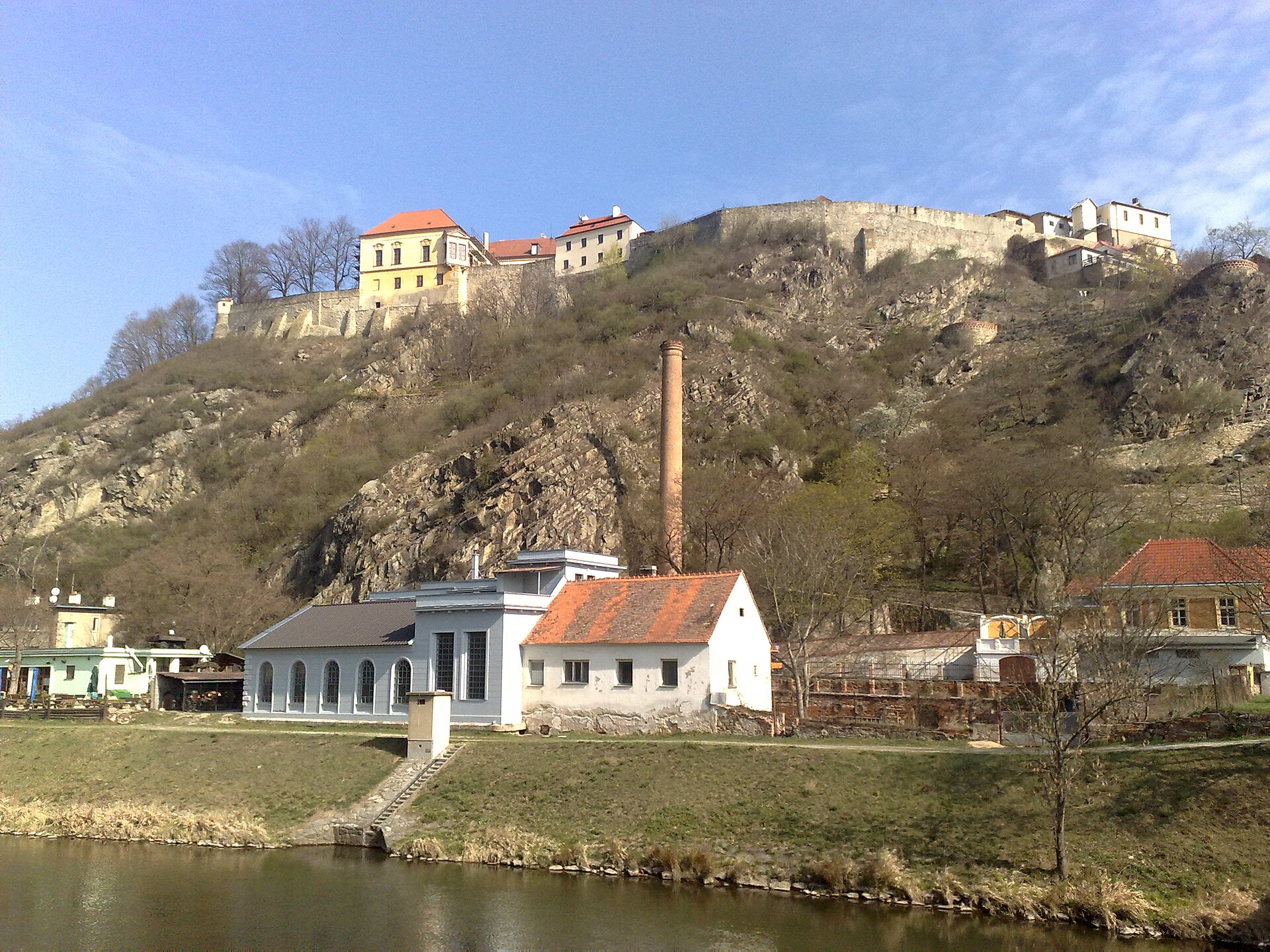
Znojmo Castle sits on a rocky spur above the Dyje River, right in the historic core of Znojmo, in the South Moravian Region of the Czech Republic. It has been a seat of power on the Moravian border for roughly a thousand years, and what remains today is less a single building than a layered site of defense, dynasty, and faith.
What makes this castle worth a stop?
The complex isn't one structure but a cluster grown out of the same rock: fortified walls, castle buildings, and its most treasured piece, the Rotunda of St. Catherine. Most visitors come for the rotunda, but the castle grounds themselves reward a slow walk, with views over the Dyje valley and the rooftops of the old town.
What is the Rotunda of St. Catherine, and why does it matter?
The rotunda began life in the mid-11th century as the castle chapel, originally dedicated to the Virgin Mary. Its real significance, though, lies inside: it holds one of the oldest surviving cycles of murals in the Czech lands. The paintings were commissioned by Konrad II of Znojmo to mark his wedding to Marija, daughter of the Serbian ruler Uroš I, in 1134. Alongside religious scenes, the frescoes give a strikingly political portrayal of the ruling Přemyslid dynasty — a rare case of medieval art doubling as dynastic propaganda.
The rotunda's later history was far less dignified. Before anyone recognized its value, the building was pressed into service as a stable, a dance hall, a beer tavern, and even a basket-weaving workshop. It's now protected as one of the town's most important monuments.
What's beneath the castle?
Znojmo is riddled with underground passages — roughly 30 kilometers of corridors running beneath most of the old town's houses, streets, and squares. They date back to the 13th century, built originally as storage cellars for goods and wine, and later doubling as escape routes in wartime. Some of this underground network connects to the castle hill itself, adding another layer to explore below street level.
How does the castle fit into the region's history?
The castle hill was a center of ducal power in Moravia long before Znojmo itself became a chartered town. Perched on a defensible spur above the Dyje, it functioned as a strategic control point near the border with Austria for centuries, before its military role gave way to a representative and, eventually, museum function.
Frequently asked questions
What can visitors see at the castle? The fortified walls, the castle buildings, and the Rotunda of St. Catherine with its surviving Romanesque frescoes — the complex's main historical draw.
What are the frescoes in the rotunda about? One of the oldest mural cycles in Czech lands, commissioned in 1134 by Konrad II of Znojmo; they combine religious scenes with a glorifying depiction of the Přemyslid dynasty.
Is the castle connected to Znojmo's underground passages? The town sits above roughly 30 kilometers of 13th-century corridors, partly linked to the castle hill, originally used for storage and as wartime escape routes.
Where exactly is the castle located? In the historic center of Znojmo, South Moravian Region, on a bluff above the Dyje River.
What happened to the rotunda before it was recognized as a monument? It was used as a stable, a dance hall, a beer tavern, and a basket-weaving workshop.
Nearby places

Earn badges for the places you visit
Download NextOnTrip, discover new places and check off your trails.