About this place
Western Valleys Natural Park (Parque Natural de los Valles Occidentales) sits at the far western edge of the Aragonese Pyrenees, in the Jacetania region, with elevations ranging from roughly 900 to 2,670 metres above sea level. It protects two valleys — Hecho and Ansó — widely regarded as among the least altered corners of the Spanish side of the Pyrenees.
Where exactly is the park located?
The protected area spans the municipalities of Aísa, Ansó, Aragüés del Puerto, Borau, Jasa, Valle de Hecho and Canal de Berdún, all within the province of Huesca. The park borders France, with several of its high mountain ridges forming a natural frontier along the Pyrenean watershed. Its core is made up of two parallel, roughly south-to-north valleys, Hecho and Ansó, separated by intervening mountain ranges.
How large is the protected area?
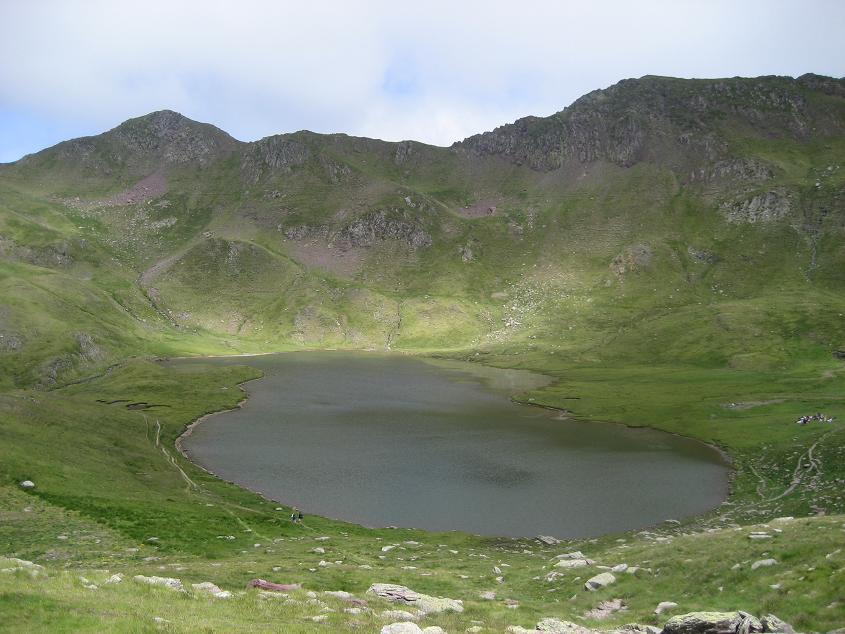
The park itself covers 27,073 hectares, complemented by an additional peripheral protection zone of 7,335 hectares. The elevation gain within its boundaries — from around 900 metres on the valley floor up to 2,670 metres at the summit of Bisaurín — means the park spans several distinct ecological zones, from gentle valley bottoms to rocky, high-mountain ridgelines.
What wildlife and plant life live here?
This range of habitats is what makes the Western Valleys such a distinctive natural area. Beech forests, black pine woods, fir stands and extensive high-mountain pastures shelter species that have become rare elsewhere in the Pyrenean range. The most emblematic is the brown bear, which still roams these mountains, making the park one of the last strongholds for the species on the Spanish side of the border. Alongside it, visitors may come across signs of woodpeckers, bearded vultures and the endemic Pyrenean desman, while the mountain streams are home to the region's characteristic Pyrenean frogs.
What else is there to see beyond the wildlife?
The valley carved by the Aragón Subordán river, which runs through the park, contains the largest concentration of megalithic sites in all of Aragón — remnants of prehistoric settlement in these mountains. One of the Roman roads linking both sides of the Pyrenees also passed through the area, a reminder that these valleys have long served as a route connecting Spain and France. Villages within and around the park, such as Hecho and Ansó, have preserved living folk traditions and distinct Aragonese dialectal varieties still spoken by local residents today.
Who is this park suited for?
The Western Valleys appeal above all to hikers and nature lovers seeking an alternative to the more crowded stretches of the Pyrenees. The extensive pastures, beech woodlands and rocky ridgelines offer routes ranging from a few hours to multi-day treks through landscapes with a strongly preserved natural character. Its proximity to the French border also makes it a good base for planning cross-border routes that link both sides of the range.
How do you get there?
The park lies in the province of Huesca, within the Jacetania region, and is most easily accessed via the villages of Hecho or Ansó, which serve as the natural gateways into the protected area. Both valleys are connected by local roads leading up into the mountains, although the road network in the park's higher reaches remains limited — part of what helps preserve its wild character.
Frequently asked questions
Can you spot brown bears in the park? Yes, this is one of the last areas in the Spanish Pyrenees where the species still occurs, though sightings remain rare.
What is the elevation range within the park? The terrain rises from about 900 metres on the valley floor to 2,670 metres at the summit of Bisaurín.
Which municipalities lie within the park? Aísa, Ansó, Aragüés del Puerto, Borau, Jasa, Valle de Hecho and Canal de Berdún.
Nearby places

Earn badges for the places you visit
Download NextOnTrip, discover new places and check off your trails.